

Vintage Walnut Stool
These vintage walnut stool selections combine rich timber frames with tactile upholstery, offering practical seating and decorative presence.
Vintage Walnut Stool
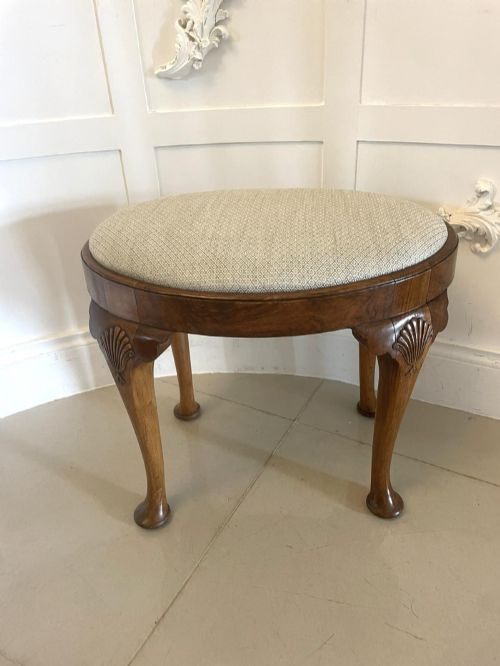
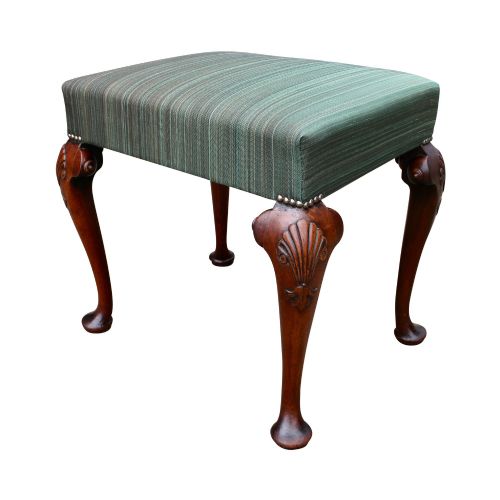
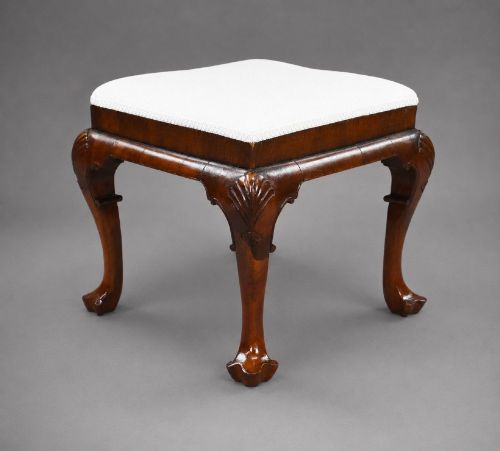
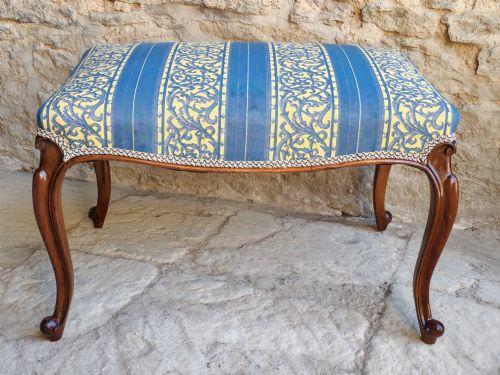
A vintage walnut stool represents a diverse category of seating furniture spanning the nineteenth and twentieth centuries, including dressing table seats, piano stools, and larger footstools.
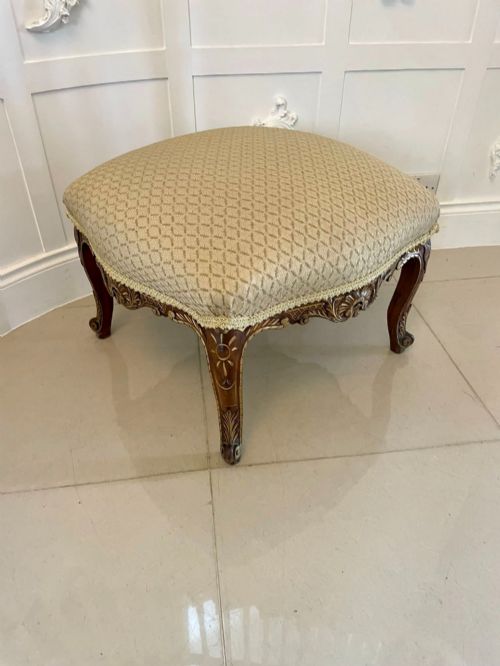
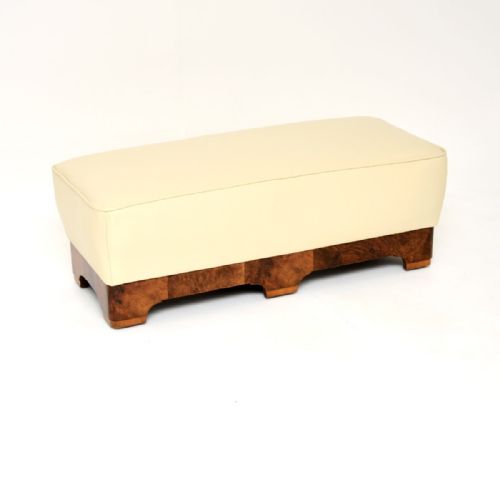
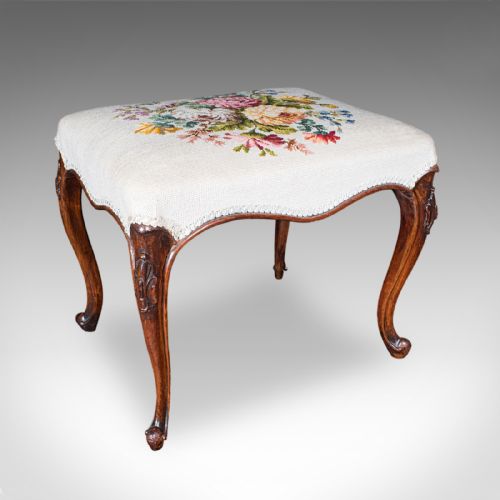
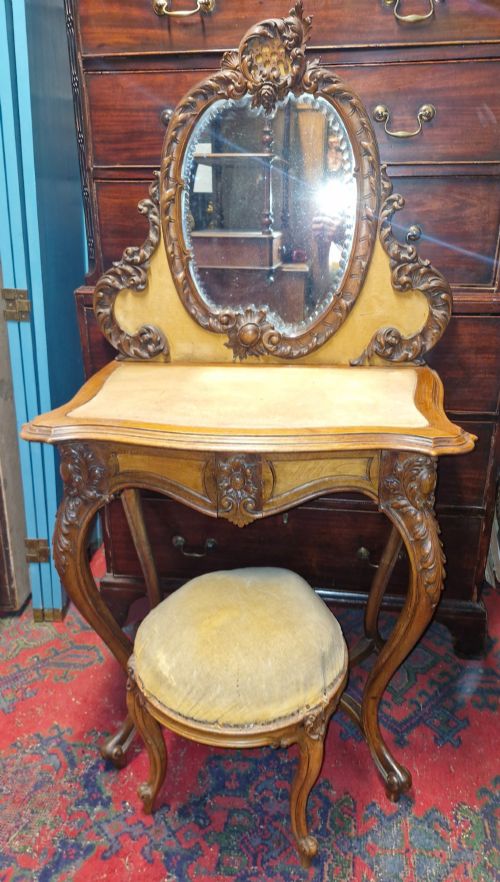
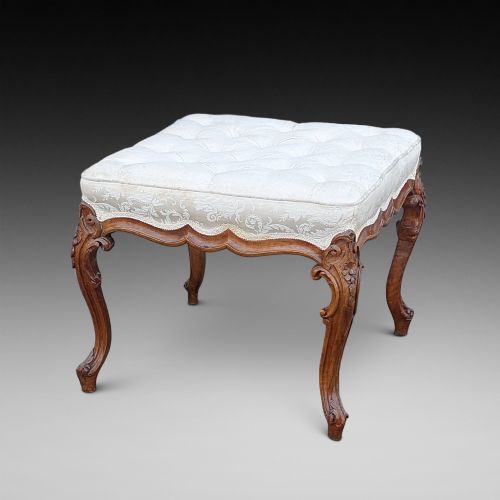
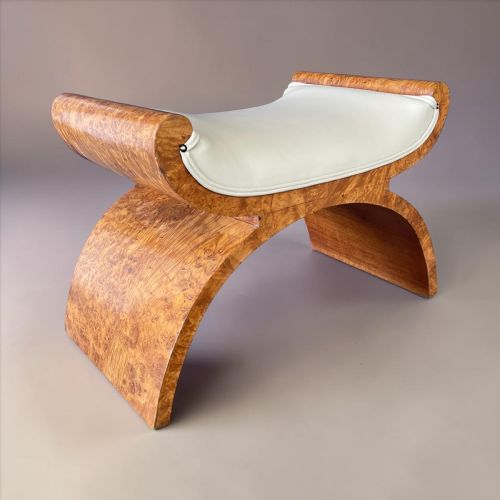
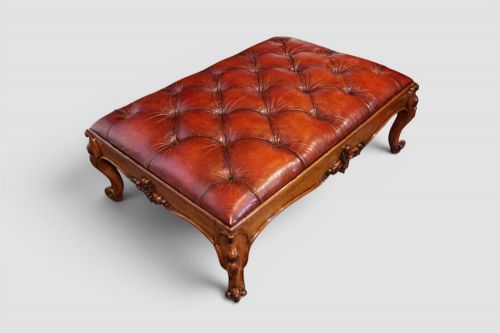
The pieces appearing here range from Victorian rococo revival designs with carved cabriole legs to clean-lined Art Deco burr walnut forms from the nineteen-thirties.
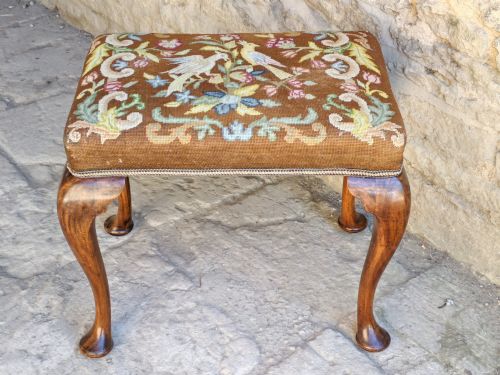
Buyers encountering this phrase find items shaped by specific historical revivals, such as Queen Anne styles and Scottish Baronial forms, constructed primarily in solid or figured walnut.
Materials and Construction Methods
Craftsmen utilised both solid walnut and decorative burr walnut veneers over secondary timbers, often shaping the wood through intricate carving and spiral turning.
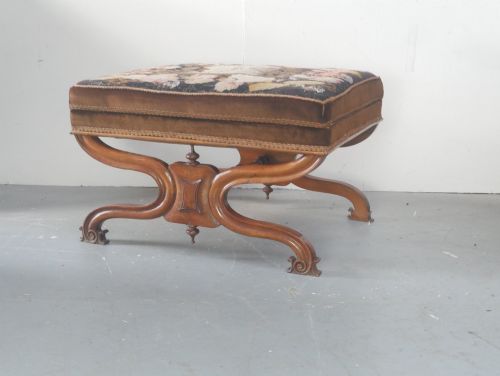
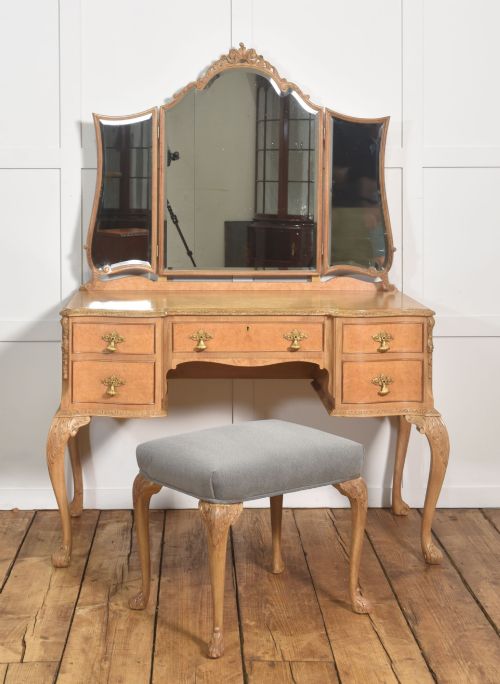
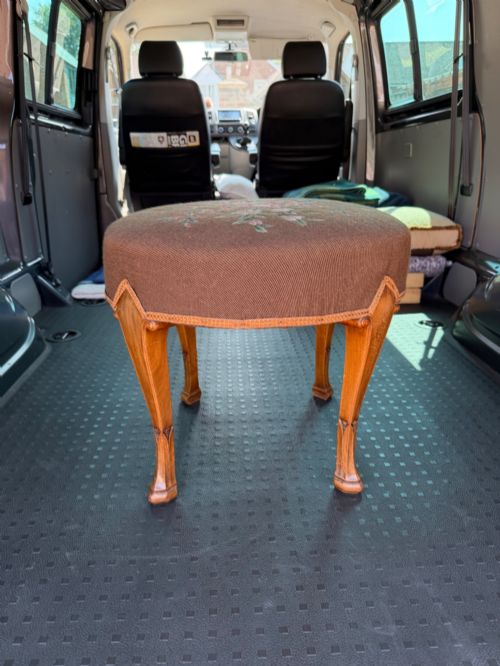
Upholstery techniques varied widely from traditional needlepoint and tapestry to buttoned red leather, cream leather, and modern fabric covers.
Structural embellishments frequently included gilt highlights, brass fittings, and hand-dyed finishes applied to frames dating from the eighteen-fifties through to nineteen-thirty.
Several dressing stools from nineteen-thirty include hidden storage, proving that even historical seating occasionally doubled as a secret stash.
Assessing Craftsmanship and Condition
The distinction between standard examples and the finest pieces lies in the crispness of the timber carving and the selection of figured burr walnut grain.
Superior execution shows in the stability of the joinery, whether dealing with cabriole legs, twisted rope supports, or complex dressing stool storage compartments.
The integrity of the original or restored upholstery materials, from needlework tapestry to hand-dyed leather, further defines the standard of the finished object.
Harry and Lou Epstein
The Vintage Walnut Stool Glossary
- Burr walnut
- A prized timber veneer showing swirling, knotty grain patterns harvested from tree growths. It adds decorative movement to Art Deco and Victorian surfaces.
- Cabriole leg
- A furniture leg featuring a double curve, bulging outward at the knee and tapering inward toward the foot. This shape defines many Victorian and Queen Anne revival pieces.
- Needlepoint
- A form of canvas work embroidery utilising wool or silk yarn. It frequently covers the tops of nineteenth-century dressing table and fireside stools.
- Ottoman
- A low, upholstered seat or footstool often featuring internal storage. Examples in the archive combine walnut frames with hinged compartments.
- Spiral turning
- A decorative woodworking technique where the timber shaft is carved into a twisting helix. This detail appears on mid-nineteenth-century and revival frames.
Vintage Walnut Stool: Frequently Asked Questions
What distinguishes an Art Deco walnut stool?
Art Deco walnut stools typically date from around nineteen-thirty and feature streamlined geometric forms, figured burr walnut veneers, and smooth leather or fabric upholstery.
These pieces often double as dressing table or piano seats, sometimes incorporating clever internal storage compartments beneath the cushion.
Were these stools used for pianos or dressing tables?
Makers designed walnut stools for multiple domestic functions, including piano playing, dressing table grooming, and fireside seating.
Adjustable heights and built-in storage spaces marked piano and dressing stools intended for daily utility in period homes.
What is Queen Anne style in these stools?
Queen Anne style walnut stools draw on early eighteenth-century design principles, revived during the nineteenth and early twentieth centuries.
They are characterised by restrained silhouettes, smooth walnut surfaces, and gracefully curved legs that avoid heavy Victorian ornamentation.
How should I care for vintage leather upholstery?
Vintage leather surfaces, particularly hand-dyed red or cream variants, benefit from gentle cleaning and occasional conditioning to maintain suppleness.
Keeping the timber and leather away from direct heat sources preserves the natural oils in both the walnut frame and the hide.