


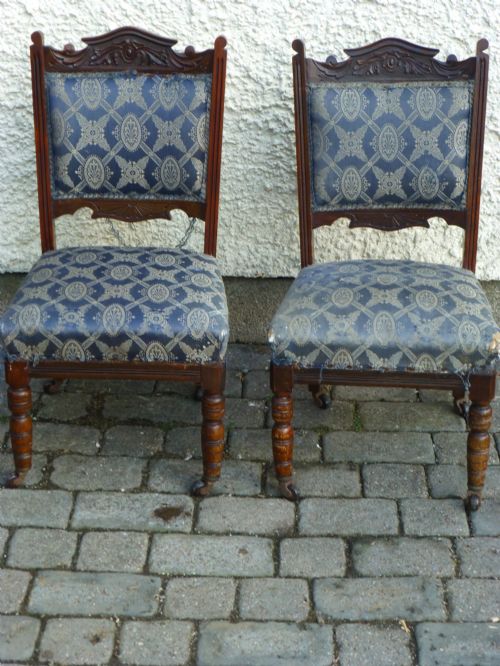
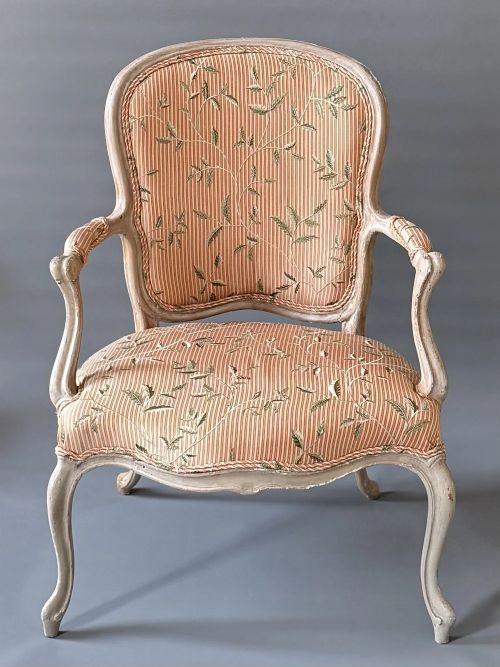
Antique Bedroom Seat
An antique bedroom seat brings character to a dressing room or corner, offering a low perch tailored for quiet moments.
Antique Bedroom Seat
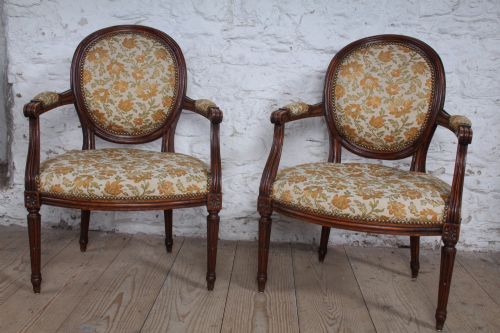
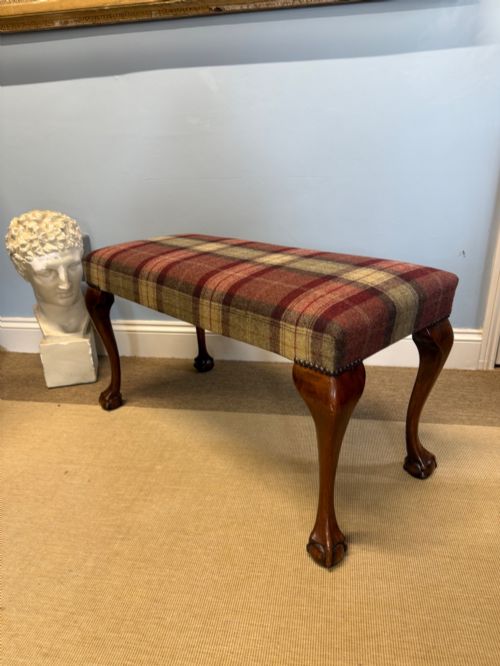
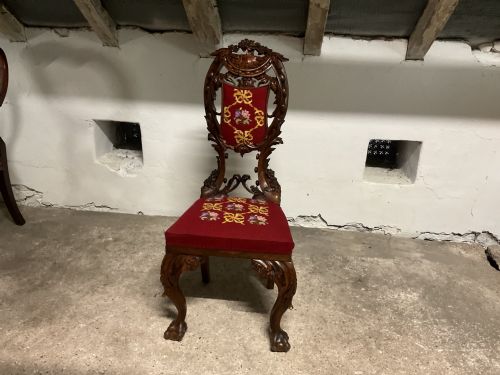
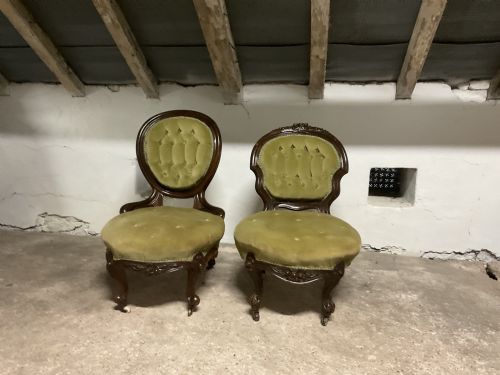
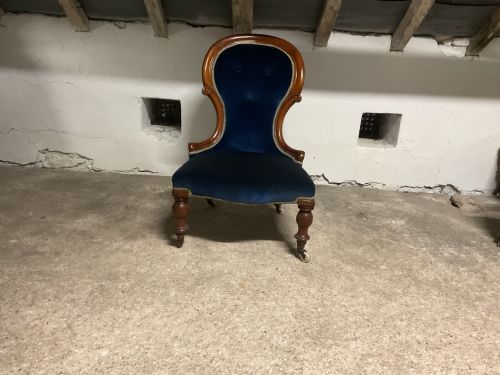
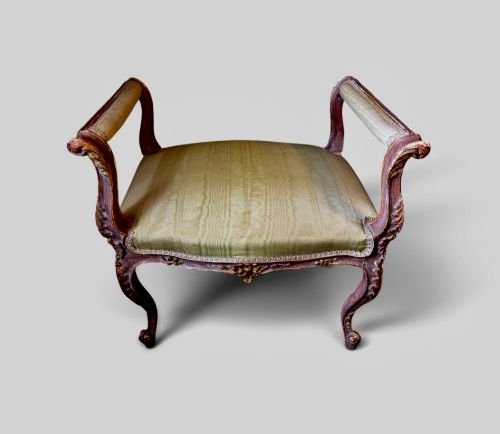
The selection here draws heavily on nineteenth-century and early twentieth-century forms, including low salon chairs and end-of-bed benches. These pieces reflect the domestic habits of earlier eras, when dressing required specialised furniture designed for comfort and ease near the washstand or mirror.
How they were made
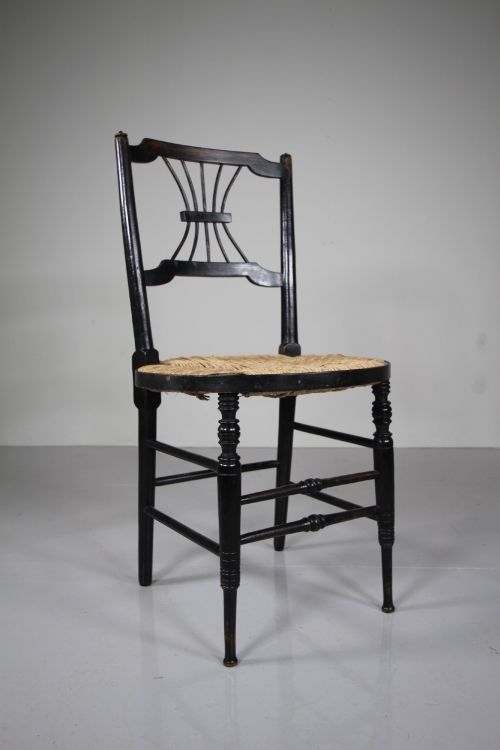
Cabinetmakers constructed these frames using traditional timbers like mahogany, walnut, and beech, frequently employing hand-carved details or subtle inlay. Structural stability relied on pegged or doweled joints, ensuring the relatively low frames could withstand daily domestic use.
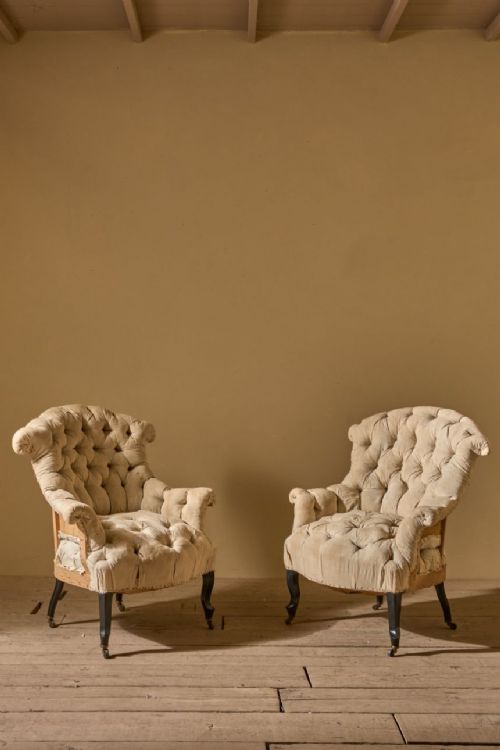
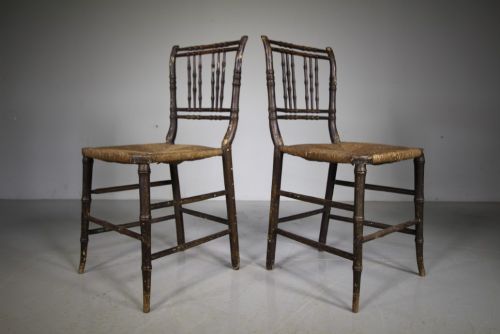
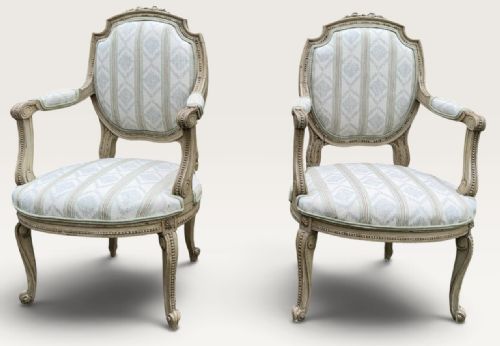
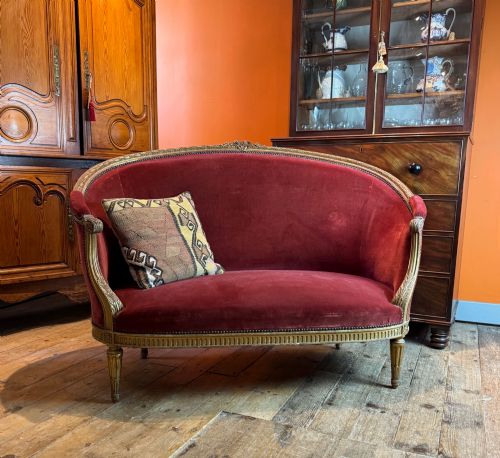
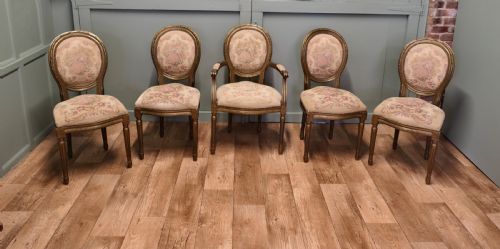
Seating surfaces combined rigid wooden frames with woven cane, or padded horsehair and stuffing beneath layers of fabric and velvet. Decorative elements included applied brass mounts, giltwood finishes, and hand-painted motifs on satinwood or pine.
Listings feature items spanning the Regency period through to the Edwardian era, constructed in mahogany, walnut, rosewood, and ebonised wood.
What varies in quality
The distinction between ordinary and superior pieces rests upon the crispness of the carving, the selection of figured timber, and the integrity of the original construction. Better examples display balanced proportions, refined joinery, and materials selected for their grain or decorative potential.
Subtleties in finish also divide the range, such as the depth of gilding on a window seat or the precision of inlay on an Edwardian mahogany frame. Surviving original upholstery surfaces or untouched painted finishes elevate an object's integrity.
William Morris
The Antique Bedroom Seat Glossary
- Nursing chair
- A low-seated chair historically designed to assist mothers with infant feeding, featuring a low profile that allowed for comfortable movement.
- Window seat
- A long, bench-like stool sized to fit beneath a casement window, often featuring armrests at one or both ends.
- Cane
- Woven rattan material used to create light, flexible panels for seat bases and chair backs.
- Giltwood
- Timber coated with a thin layer of gold leaf or gilt paint to create a decorative, reflective surface.
- Parquetry
- Geometric patterns formed by small pieces of fitted wood veneer applied to a furniture surface.
Antique Bedroom Seat: Frequently Asked Questions
What is an antique bedroom seat used for?
These pieces served practical functions in private chambers, primarily providing a low seat for dressing, putting on shoes, or resting near a bedroom window. Their compact proportions allowed them to fit neatly into corners or beneath dressing tables without crowding the room.
Over time, their roles expanded into reception spaces and hallways as decorative accents. Today, they continue to serve as functional seating or supportive ledges for textiles in modern interiors.
How do I distinguish Victorian from Edwardian pieces?
Victorian furniture generally utilises heavier woods like dark mahogany and walnut, frequently featuring rich carvings, button-backed upholstery, and robust proportions. These pieces emphasise solid craftsmanship and heavier comfort.
Edwardian examples tend to feel lighter and brighter, often incorporating inlaid satinwood, painted finishes, and cane panels. The aesthetic shifts toward slender frames and neoclassical revival styles inspired by earlier centuries.
Are these seats comfortable for daily use?
Many of these pieces were designed for specific posture requirements, such as low nursing chairs or dressing stools, which means their seat heights are lower than standard dining chairs. Original padding may feel firmer due to traditional horsehair stuffing.
For regular lounging, buyers often assess whether the seat height suits their preference or consider replacing internal padding while retaining the historic outer frame and fabric.
How should I care for antique wood and fabric?
Protect wooden surfaces by keeping them away from direct heat sources and strong sunlight, which can dry out timber and fade polished finishes. Regular dusting with a soft, dry cloth preserves the patina without requiring heavy polishes.
Upholstered sections and cane panels benefit from gentle vacuuming using a low-suction brush attachment. Promptly addressing spills helps safeguard delicate fabrics and historic stuffing materials.