



Late Victorian Stool
These late victorian stool options combine utility with period craftsmanship, offering collectors versatile seating and piano variants crafted in walnut, mahogany, and rosewood.
Late Victorian Stool
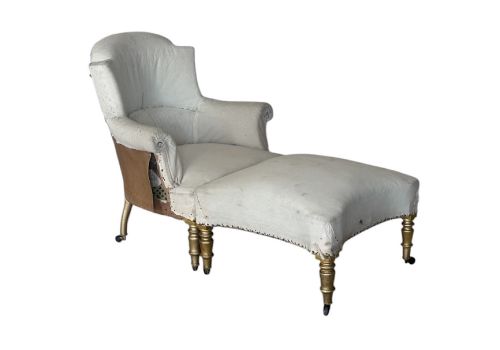
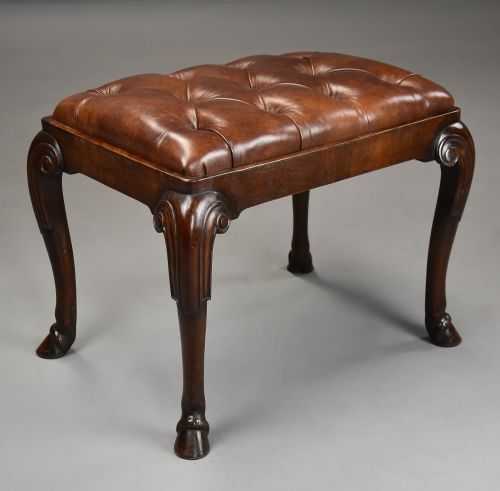
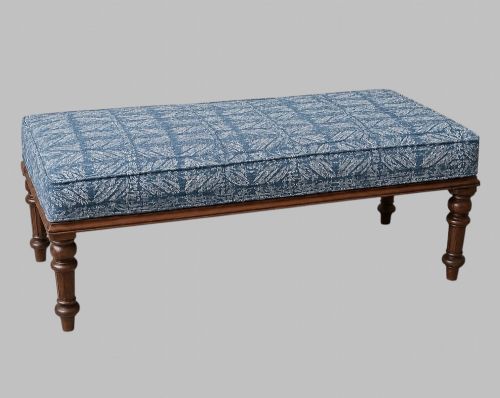
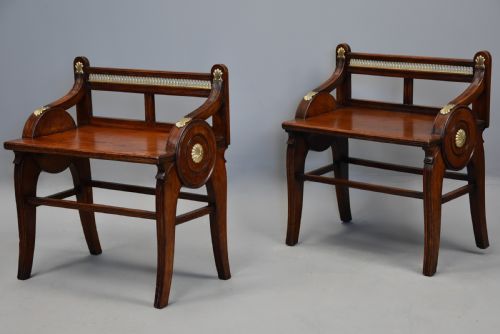
When you search for a late victorian stool, you encounter a diverse array of domestic seating spanning footstools, piano stools, duet stools, and window seats produced towards the close of the nineteenth century.
The material record includes walnut, mahogany, and rosewood timbers, frequently augmented by upholstered surfaces in leather, fabric, and damask.
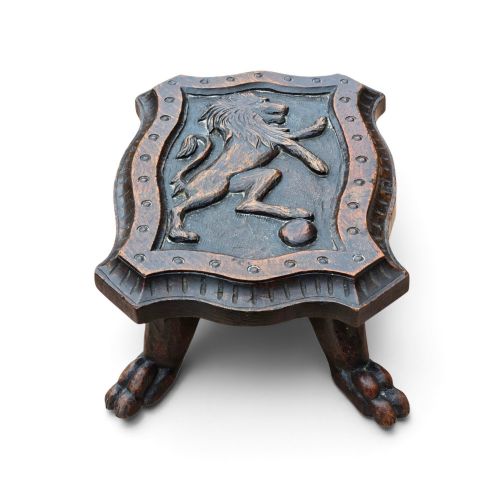
Design influences range from straightforward oak and elm country vernacular pieces to sophisticated styles referencing earlier centuries through cabriole legs and claw-and-foot motifs.
Materials and Technique
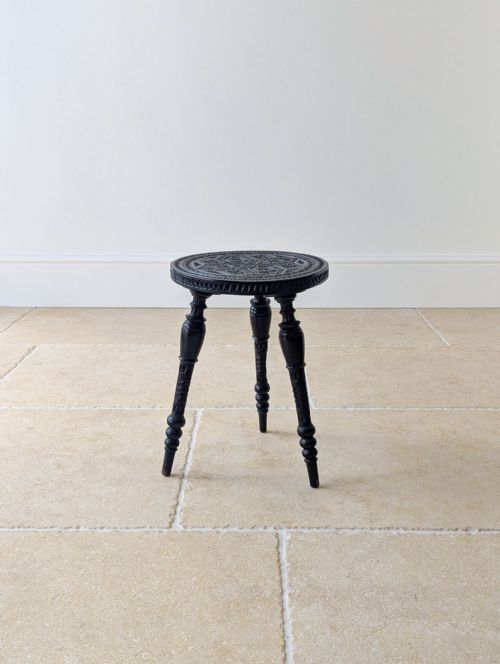
Carpenters utilised dense hardwoods like walnut, mahogany, oak, and satinwood for structural frames, employing durable joinery alongside turning, carving, and pokerwork decoration.
Revolving mechanisms, brass fittings, and adjustable screws permitted mechanical movement in piano chairs and music stools.
Upholstery techniques incorporated woven rattan, textile coverings, and leather tops fixed to wood frames with or without internal storage compartments.
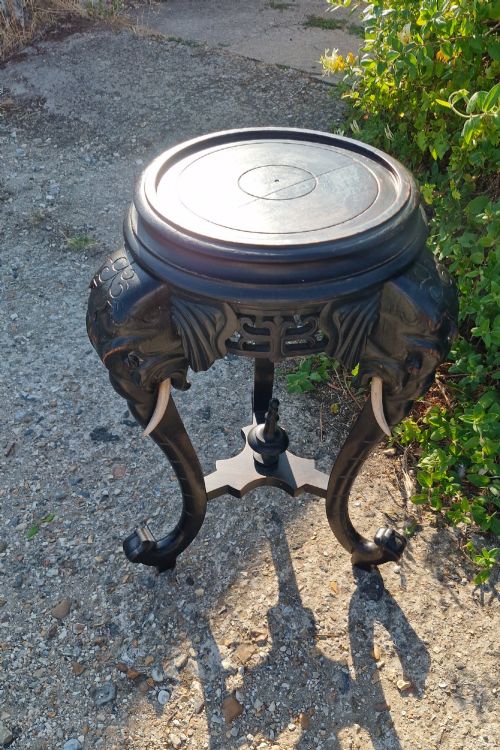
Recorded forms extend to uncommon variants like elephant tables, rocking gout stools, and stick stools.
Distinctions in Standard
The degree of hand-carving and decorative inlay, such as marquetry on rosewood or detailed chip-carving on ebonised surfaces, elevates a piece above standard utilitarian seating.
The integrity of mechanical parts, including smooth adjustment in revolving music stools and sturdy framing in multi-person duet benches, determines the overall build standard.
James Shoolbred & Co·Edwards & Roberts
The Late Victorian Stool Glossary
- Duet stool
- A wider seating bench designed for two musicians to sit side by side at a piano.
- Cabriole leg
- A furniture leg that curves outward at the knee and tapers inward toward the ankle, frequently ending in a claw-and-ball foot.
- Metamorphic
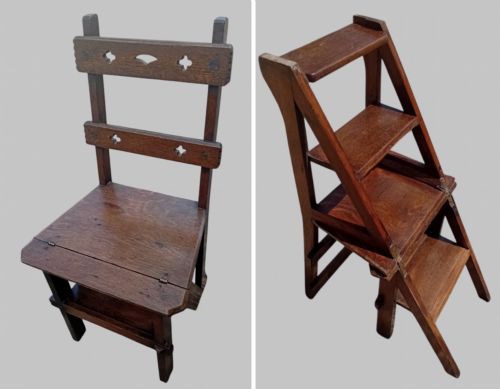
- Describing an item of furniture designed to transform into an alternative form, such as library steps turning into a chair.
- Marquetry
- Decorative veneer patterns assembled from thin slices of wood and different materials applied to furniture surfaces.
- Pokerwork
- A method of decorating wood by scorching the surface with a heated metal tool to create burned designs.
Late Victorian Stool: Frequently Asked Questions
How do adjustable piano stools function?
Adjustable piano stools utilise a central threaded screw mechanism operated by rotating the wooden seat top to raise or lower the sitting height.
This functional adaptation allowed musicians to customise their seating position at the keyboard during practice or performance.
What defines an Anglo-Indian footstool?
Anglo-Indian footstools incorporate traditional Indian carving techniques applied to standard nineteenth-century British furniture forms using native hardwoods.
These pieces reflect the cross-cultural design exchange prevalent during the late Victorian period.
Where were duet stools placed?
Duet stools were positioned primarily beside drawing room pianos or organs to accommodate multiple players for shared musical performances.
Their elongated proportions also suited placement as window seats in large Victorian reception rooms.