
Vintage Walnut Marquetry Table
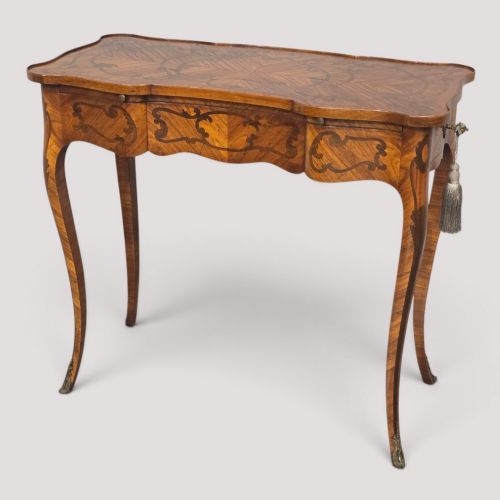
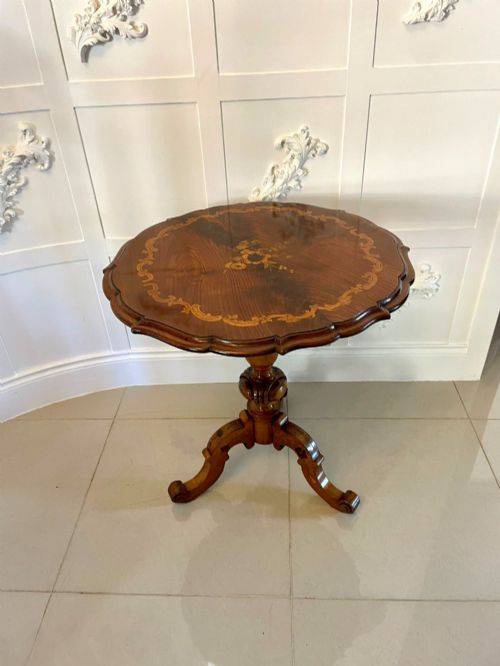
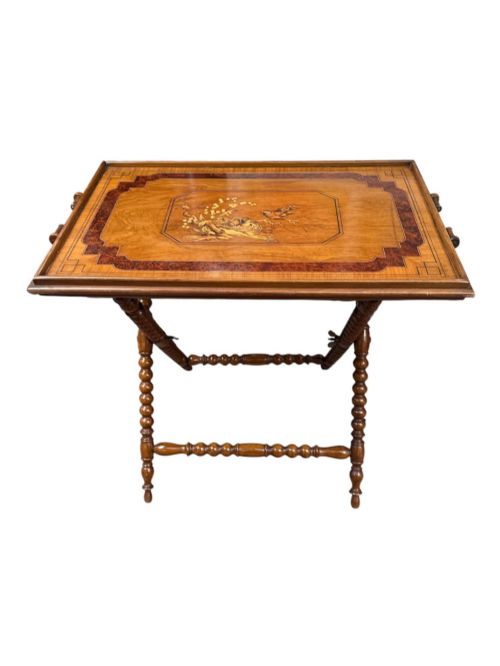
A vintage walnut marquetry table brings warmth and intricate patterned timber surfaces into a room, offering both a functional resting place and a focal point.
Vintage Walnut Marquetry Table
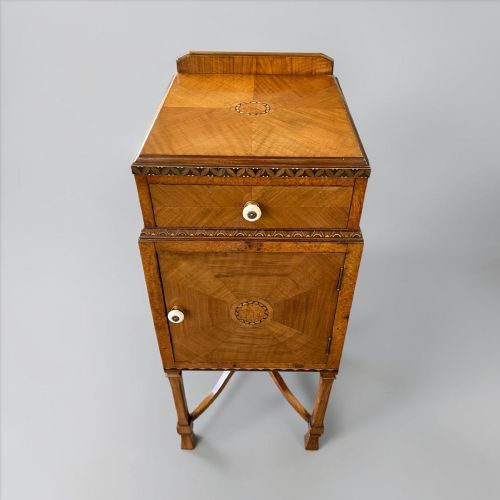
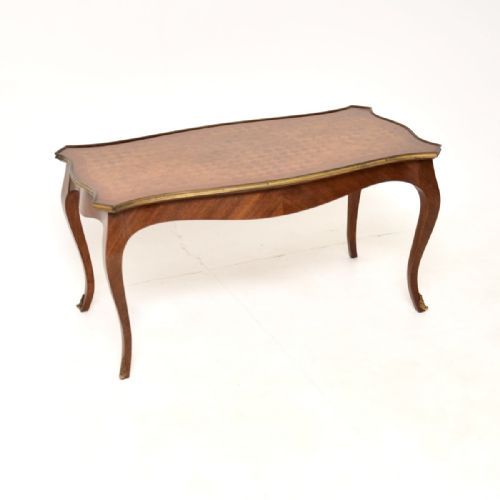
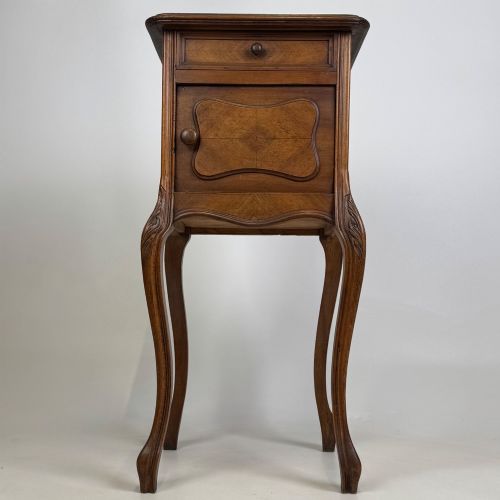
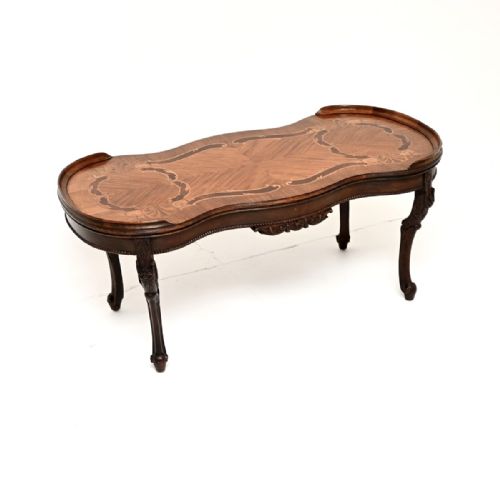
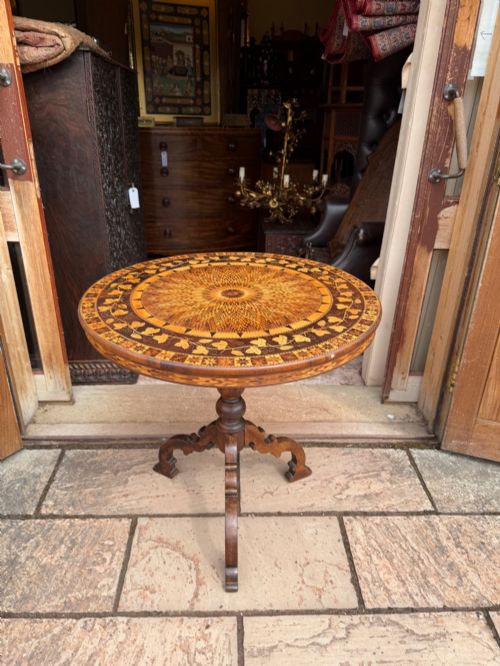
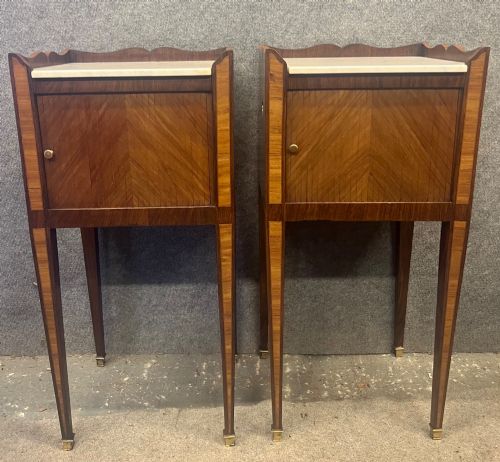
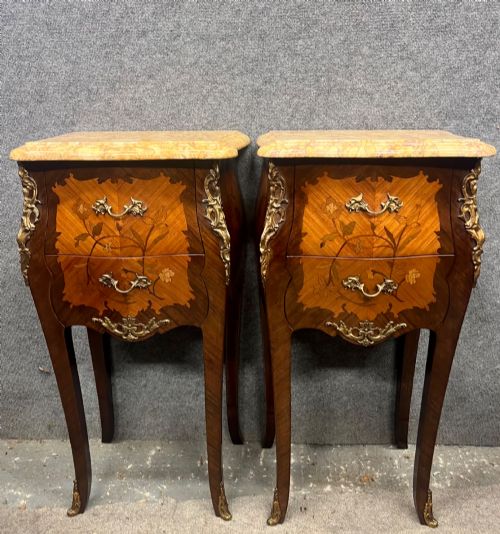
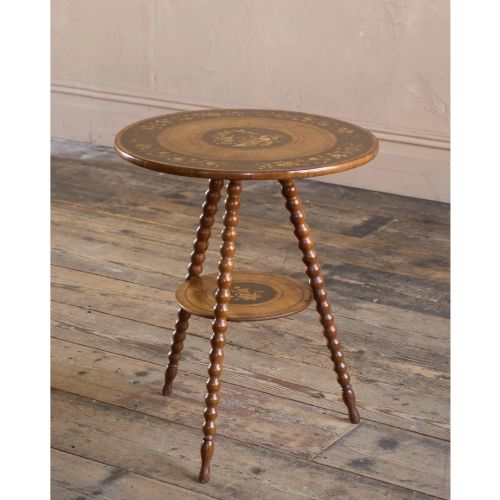
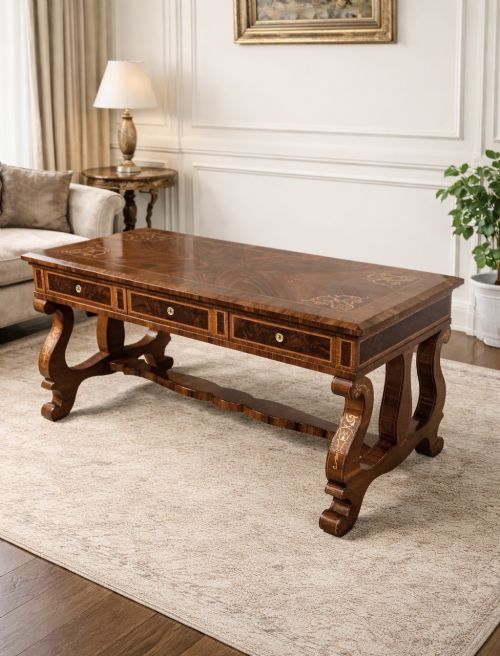
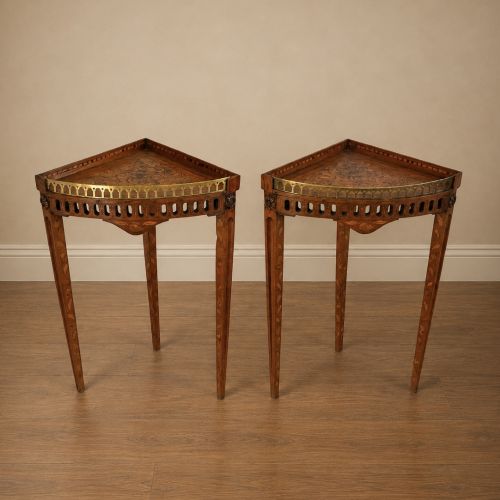
When you search for a vintage walnut marquetry table, you encounter a variety of forms designed for daily utility and display. The selection ranges from compact bedside chests and lamp tables to expansive coffee tables, writing desks, and occasional tables.
Most examples originate from the nineteenth and twentieth centuries, spanning Victorian, Edwardian, and Art Deco periods, alongside French revival styles. You are most likely to meet occasional tables and bedside cabinets featuring detailed inlaid tops upon this page.
How they were made
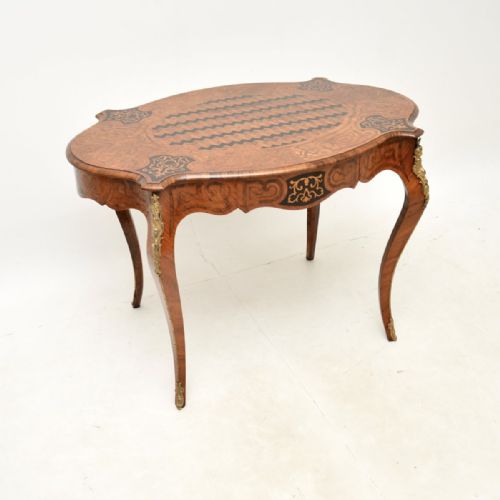
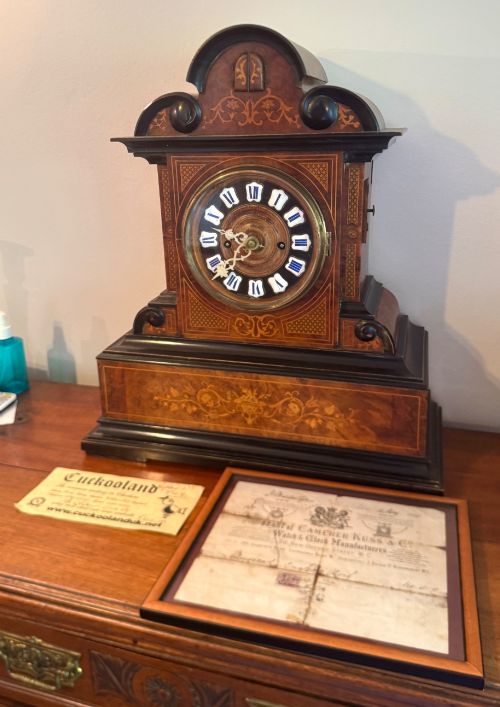
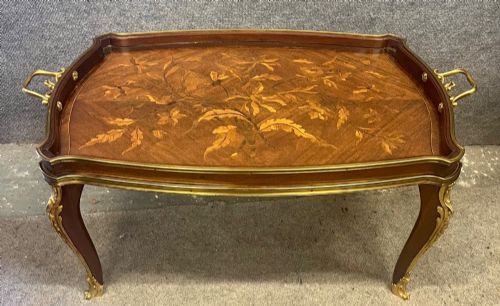
Cabinet makers utilised walnut timber, often selecting burr walnut veneers to achieve rich grain patterns across the primary surfaces. Marquetry inlay techniques combined contrasting woods to form pictorial or geometric designs on the tabletops.
Many items incorporate structural brass, ormolu mounts, and marble tops to accent the woodwork. Joinery methods varied by period, supporting both delicate occasional pieces and sturdy writing desks.
Materials recorded across the selection include solid walnut, burr walnut veneers, brass, marble, and ormolu mounts.
What varies in quality
The standard of a marquetry table rests on the precision of the timber inlay and the depth of the walnut grain. Finer pieces demonstrate tight alignment in the veneer work and harmonious contrast between the inlaid woods.
Additional quality indicators include the integration of cast ormolu mounts, the selection of solid brass fittings, and the inclusion of genuine marble inserts rather than secondary substitutes.
Gill and Reigate
The Vintage Walnut Marquetry Table Glossary
- Marquetry inlay
- A decorative technique applying pieces of veneer to a structure to form intricate designs or pictures. This method defines the ornamented surface of the table.
- Burr walnut
- Timber taken from a tree growth exhibiting swirling, knotty grain patterns prized for decorative furniture. It provides a heavily figured background for inlaid details.
- Ormolu
- Gilded bronze mounts applied to furniture edges and legs for ornamental effect. These metal additions characterise French revival pieces.
- Bureau plat
- A type of writing desk featuring a flat top and often fitted with drawers. These tables showcase elaborate veneer work across the working surface.
- Parquetry
- Geometric wood inlay patterns resembling mosaics. It differs from pictorial marquetry by relying on repeating angular shapes.
Vintage Walnut Marquetry Table: Frequently Asked Questions
Where should I place a marquetry table?
These tables suit sitting rooms as coffee or lamp tables, or bedrooms as bedside cabinets where their patterned tops remain visible.
Keep them away from direct sunlight and excessive heat sources to protect the walnut veneer and inlay from drying out.
How do I clean a walnut table?
Dust the surface regularly with a soft, dry cloth to prevent dirt accumulation in the grain and inlay crevices.
Apply a quality beeswax periodically to nourish the walnut timber and maintain a soft sheen without building up heavy residue.
Are these tables sturdy enough for daily use?
Most occasional and coffee tables handle everyday items like books and lamps comfortably, provided they are placed on level flooring.
Writing desks and games tables offer robust working surfaces, though delicate veneer edges benefit from gentle treatment.
How do I identify an Edwardian table?
Edwardian pieces often combine lighter walnut construction with refined proportions, reflecting early twentieth-century design preferences.
They frequently feature subtle marquetry patterns and simpler leg structures compared to heavy Victorian counterparts.