

Vintage Walnut China Cabinet
A vintage walnut china cabinet brings warmth and figured grain to any room while safely displaying your collection behind glass.
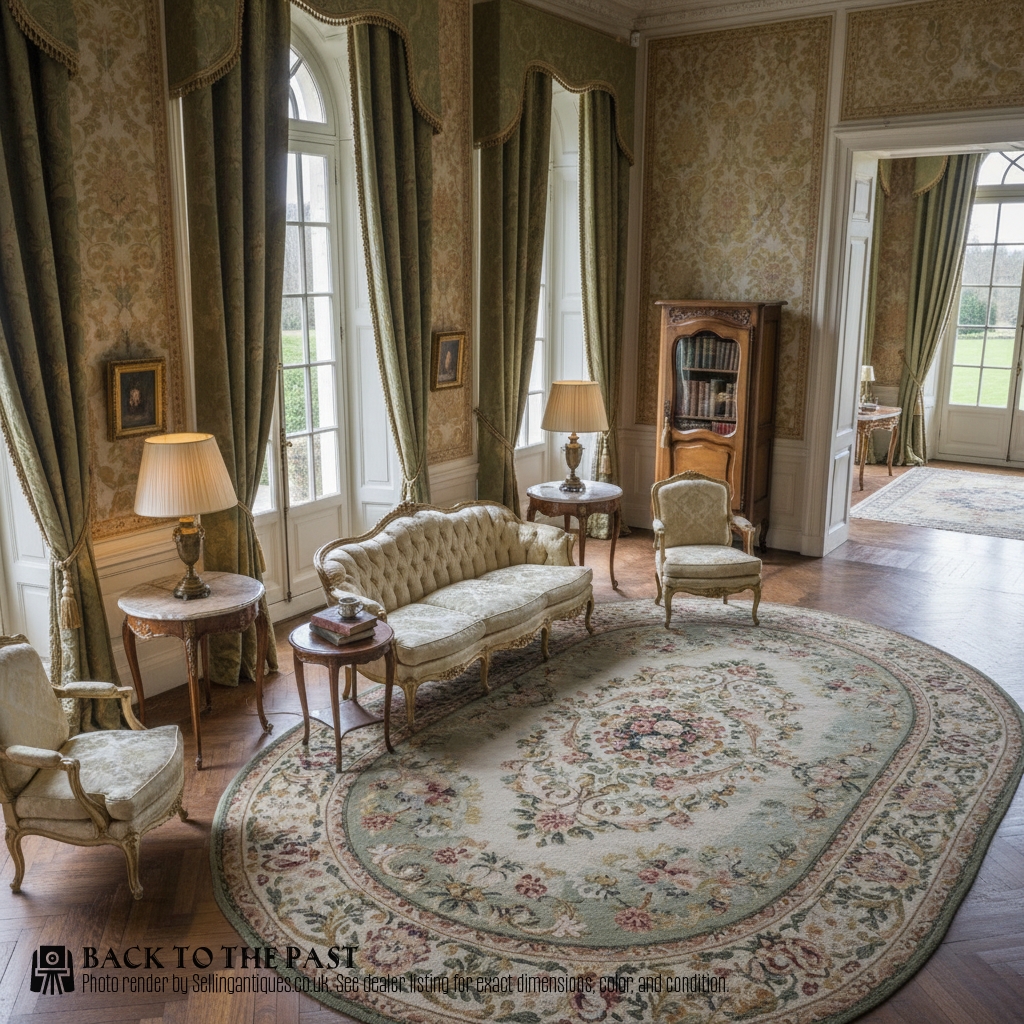
Vintage Walnut China Cabinet
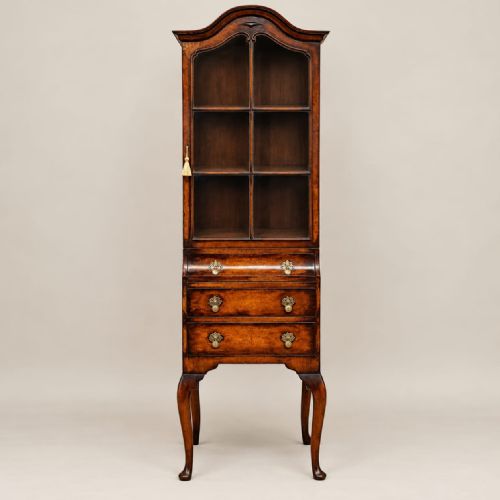
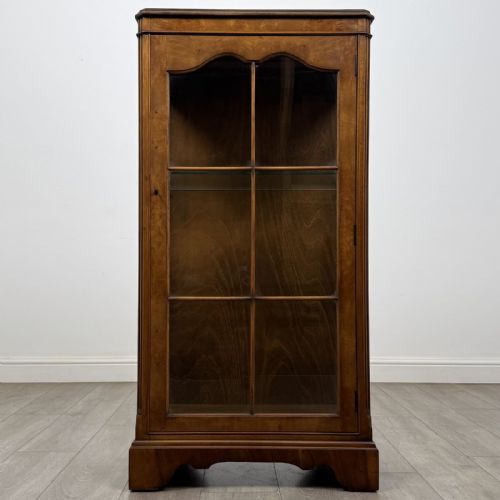
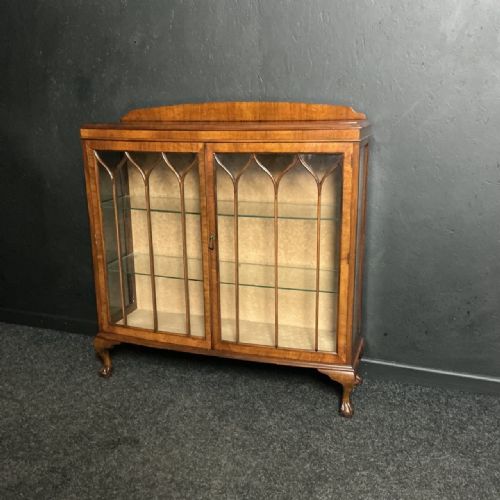
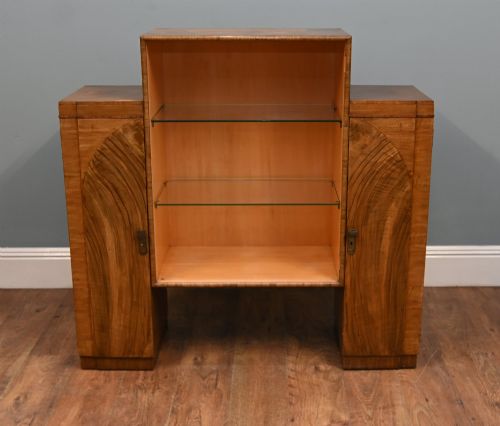
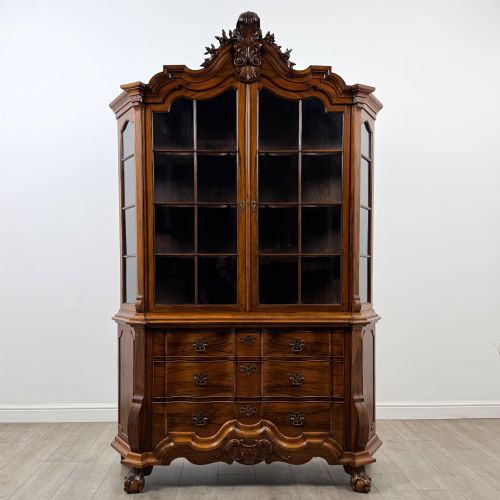
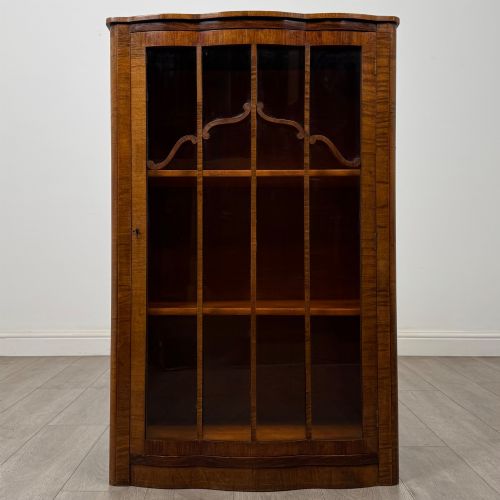
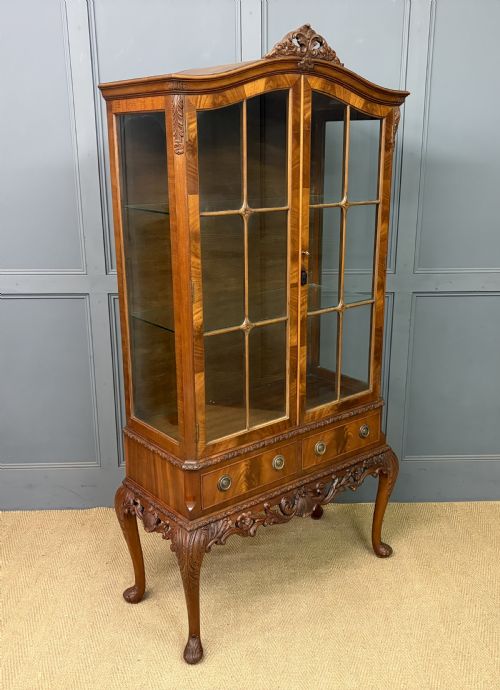
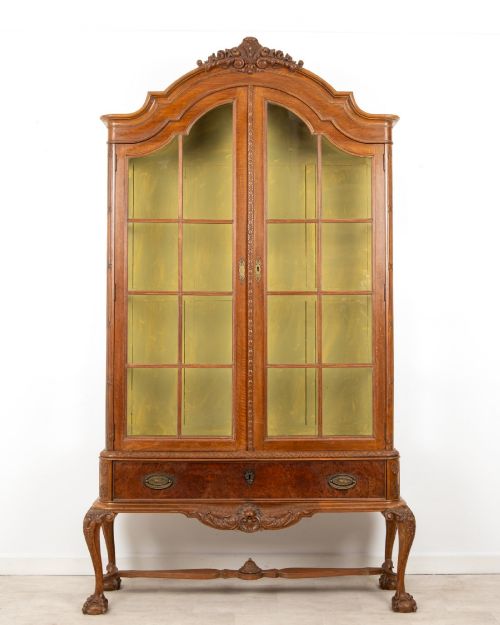
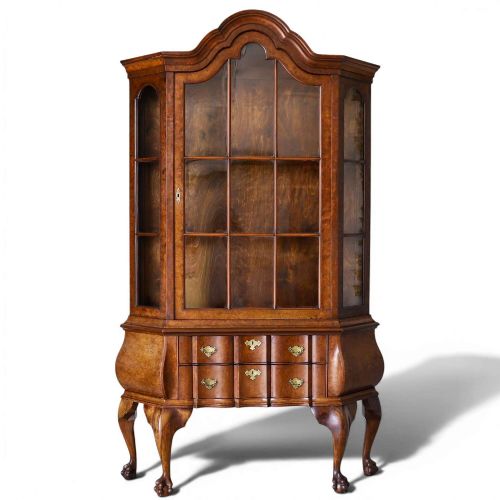
A vintage walnut china cabinet primarily takes the form of a display cabinet, bookcase cabinet, or vitrine designed to hold porcelain and books. The pieces span periods from the nineteenth century through the Edwardian era and into the nineteen-thirties.
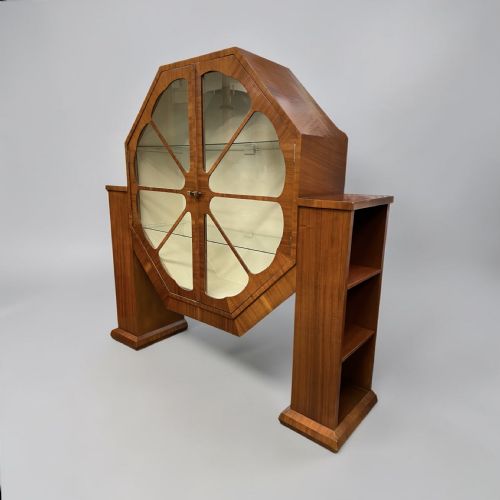
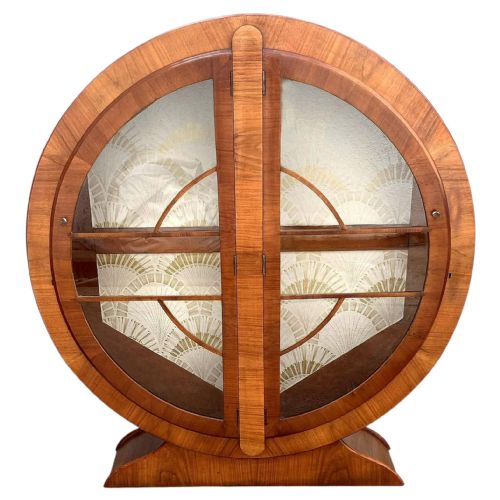
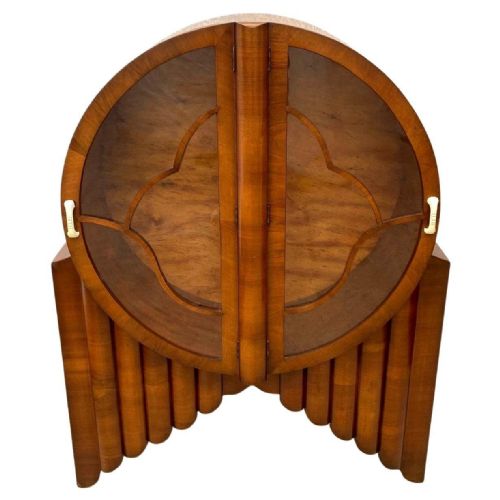
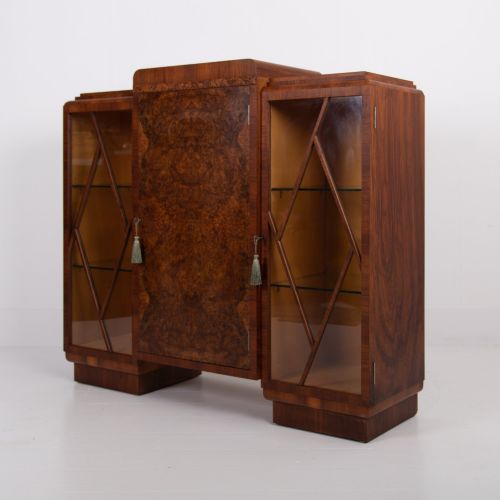
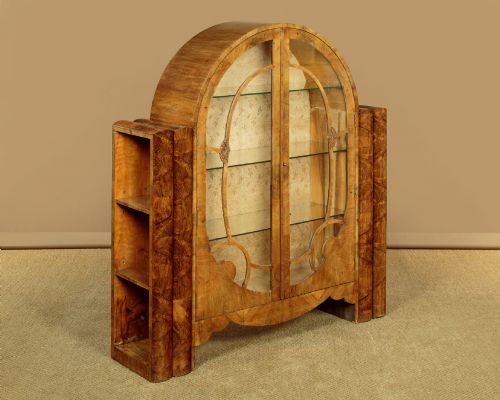
Art Deco examples dominate the selection, often appearing in circular, clove-shaped, or rocket silhouettes alongside traditional Queen Anne revival forms. Buyers encounter upright upright single cupboards, corner cabinets, and two-part bookcase combinations.
Origins stretch across English workshops and continental makers, incorporating glazed upper sections, leaded glass, and fitted interior shelving. The core utility remains the exhibition of valued items protected behind wooden and glass frames.

How they were made
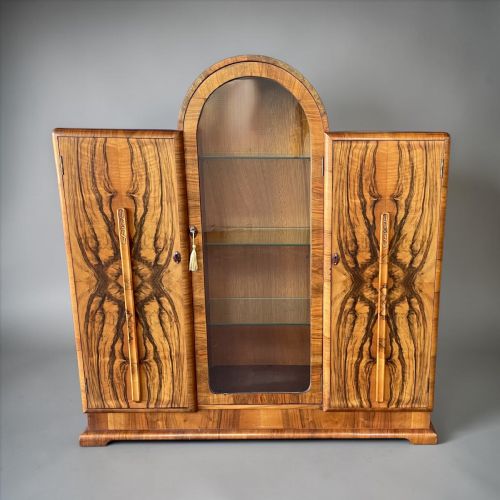
Carpenters built the structural carcases from solid timber before applying decorative burr walnut veneer or figured walnut surfaces. Marquetry inlay, brass hardware, and gilt metal mounts frequently finish the exterior details.
Glazing takes the form of plain glass panels, leaded sections, or astragal bars arranged to showcase the interior. Sycamore interiors and adjustable wooden shelving provide practical storage behind the polished facades.
Vintage Walnut China Cabinet Retail Price Guide 2026
Typical asking prices for vintage walnut china cabinet among the pieces listed under this phrase on Sellingantiques today, from the lower quarter to the upper quarter. They describe what is for sale here now, not the wider market.
The listings span multiple decades from the nineteenth century into nineteen-thirty, with walnut as the unifying material.
What varies in quality
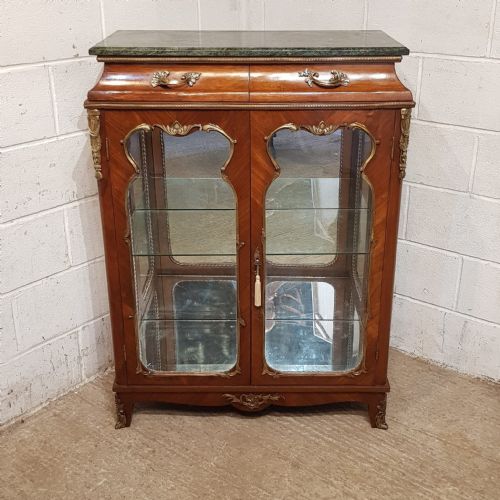
The choice of veneer defines much of the visual character, with heavily figured burr walnut and book-matched panels commanding greater attention than plain timber. The complexity of the silhouette, from simple rectangular uprights to bombe curves and circular Art Deco forms, shapes the architectural ambition.
Execution of decorative elements such as marquetry inlay, gilt metal mounts, and astragal glazing bars reveals the hand of specialised cabinet-makers. The integrity of the polish and the retention of original glass panes maintain the visual harmony of the piece.
Maple & Co.·Rurka·Maurice Adams·Epstein
The Vintage Walnut China Cabinet Glossary
- Burr walnut
- A veneer sliced from the gnarled growths of a walnut tree, producing swirling, highly decorative grain patterns. This material was favoured for high-status cabinet doors and top panels.
- Vitrine
- A glass-sided display cabinet designed specifically for showing porcelain and small objects of vertu. These pieces often feature glazed sides to allow light to enter from multiple angles.
- Astragal
- Moulding profiles used to hold panes of glass within a sash or cabinet door. They create a grid pattern across the front of the display area.
- Bombe
- A bulging, outward-curving swell on the front and sides of a cabinet. This exuberant shape is commonly associated with Dutch and continental baroque styles.
- Marquetry
- The art of applying decorative pieces of veneer to a structural structure to form pictorial or geometric designs. Craftsmen utilised contrasting woods like sycamore to create depth.
Vintage Walnut China Cabinet: Frequently Asked Questions
How do I clean the walnut surface?
Dust the cabinet regularly with a soft, dry cloth to prevent dirt accumulation on the polished veneer. Avoid silicone-based sprays and harsh chemical cleaners that can degrade the historic finish.
Apply a quality beeswax periodically to nourish the walnut and maintain its natural lustre. Buff the wax gently after application to protect the wood from atmospheric moisture.
Are the shelves adjustable?
Many Edwardian and Art Deco cabinet designs incorporate adjustable wooden shelving supported on rack-and-pinion systems or traditional wooden brackets. This flexibility accommodates taller china pieces and varying display requirements.
Earlier nineteenth-century examples may feature fixed shelving positioned permanently within the main display compartment. Check the interior construction before planning the arrangement of heavy porcelain items.
Where should I place a cabinet?
Position the piece away from direct sunlight and strong heat sources to prevent the walnut veneer from drying and splitting. Stable indoor temperatures preserve both the wooden carcase and the historical polish.
Ensure the floor surface is level so the doors hang correctly within their frames. Heavy glazed doors require proper alignment to open smoothly without catching.
How do I date an Art Deco piece?
Look for characteristic geometric lines, circular footprints, and streamlined silhouettes typical of nineteen-thirties manufacturing. The use of burr walnut combined with sycamore internals strongly points towards this interwar period.
Maker marks, retailer plaques, and traditional joinery methods underneath or inside the drawers provide additional chronological clues. Hardware styles also reflect the progressive modernism of the decade.