
Vintage Wall Textile
When you search for vintage wall textile, you encounter woven panels and embroidered hangings created to bring texture and history into domestic spaces.
Vintage Wall Textile
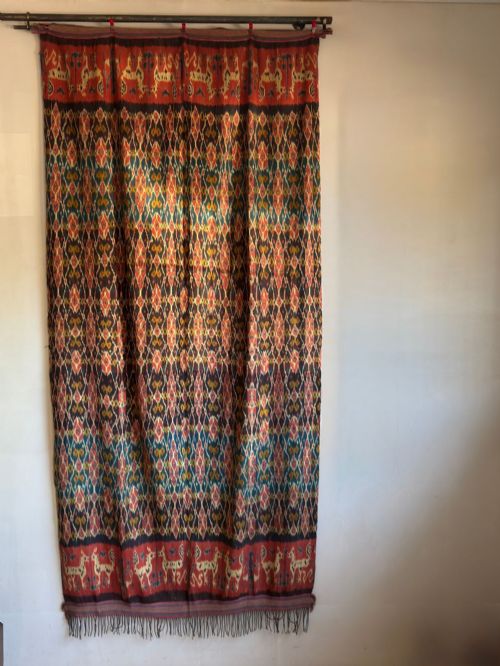
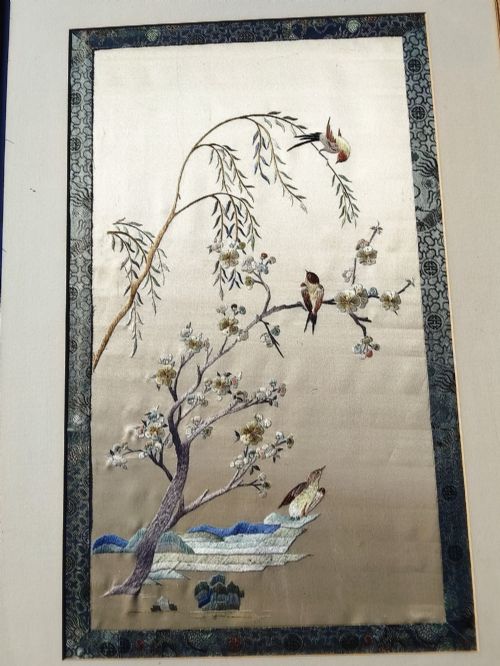
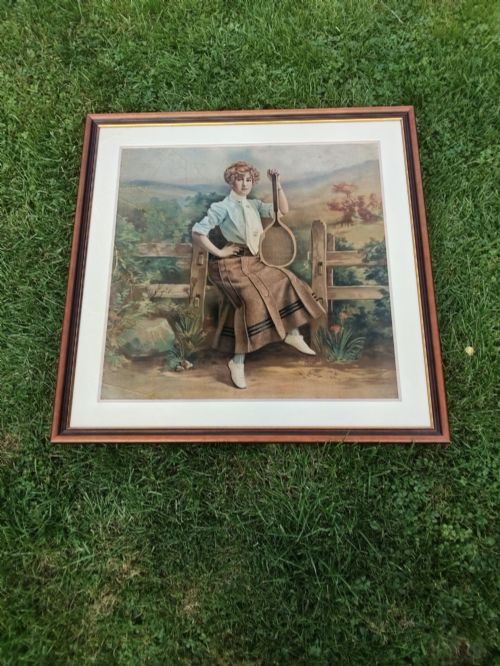
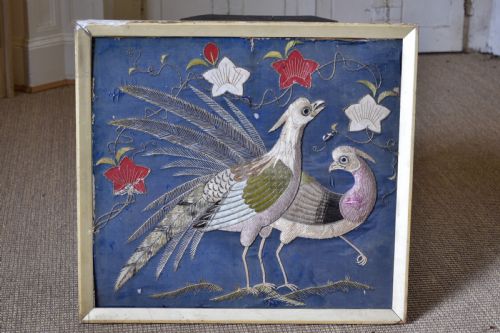
A vintage wall textile encompasses a wide range of decorative panels, tapestries, and tribal hangings originating from diverse cultural traditions. When searching this phrase, collectors frequently encounter items spanning from the nineteenth century through the early decades of the twentieth century. These objects include ceremonial blankets, embroidered dowry pieces, and framed textile panels designed originally for nomadic or domestic use.
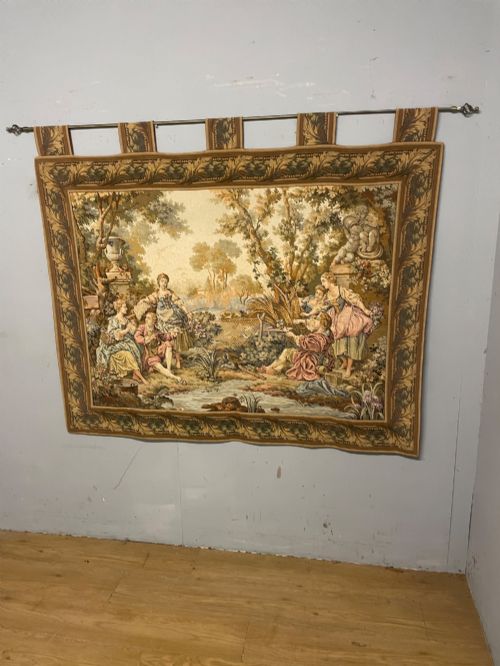
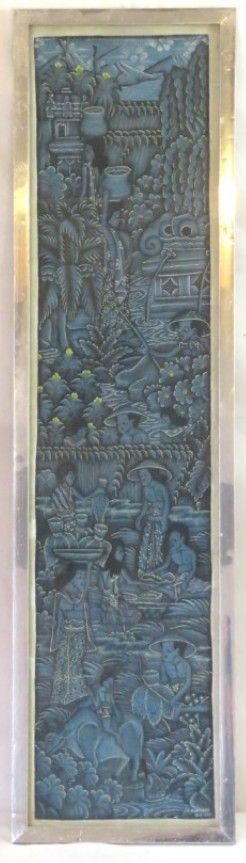
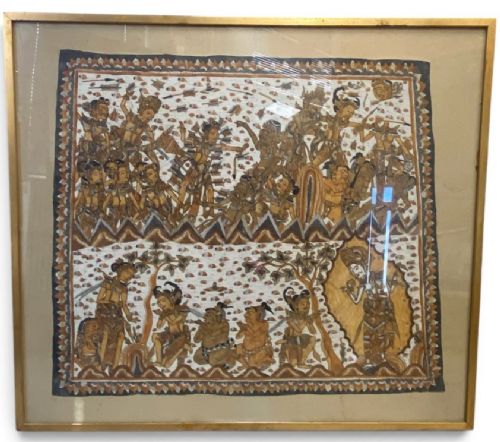
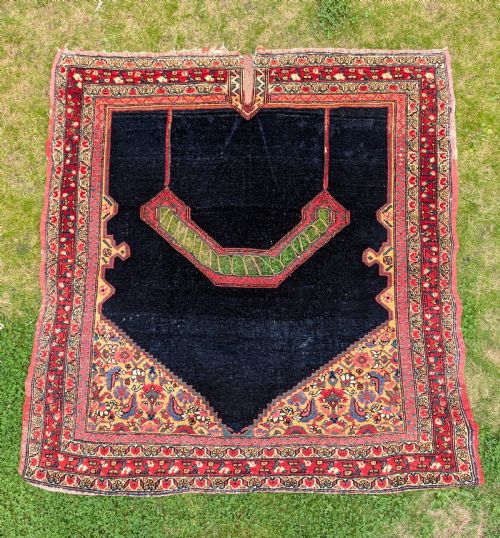
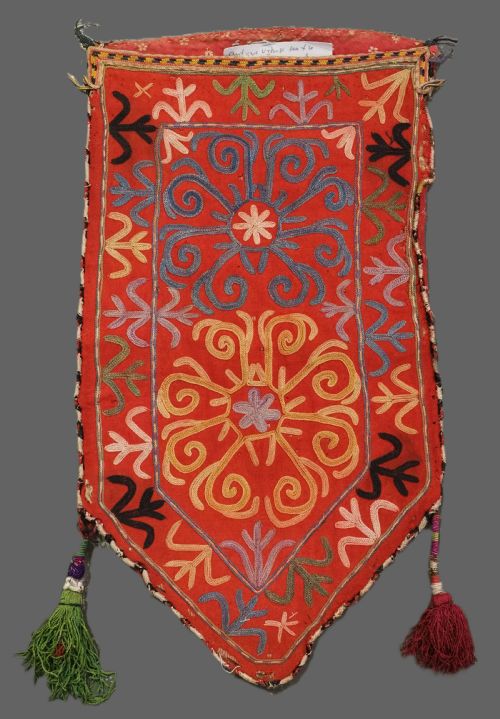
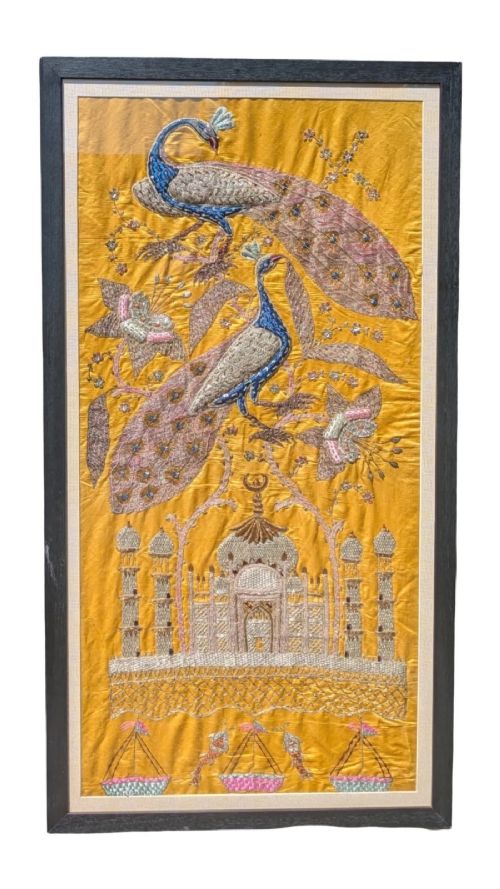
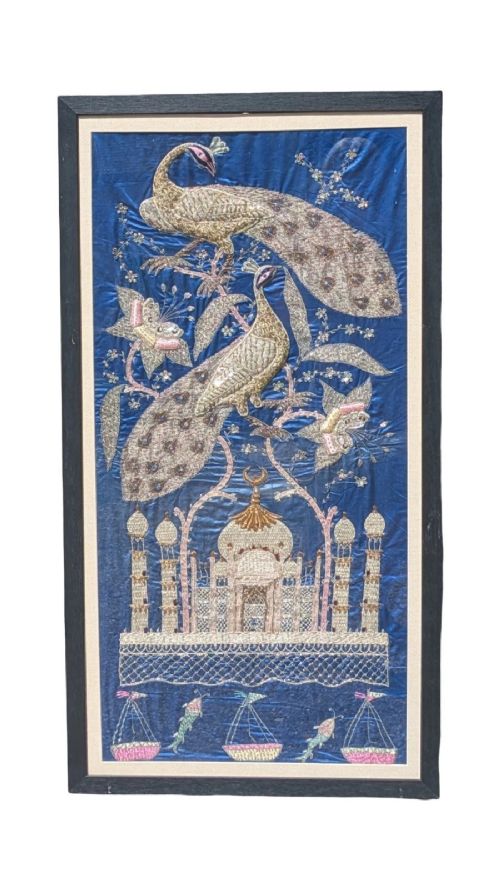
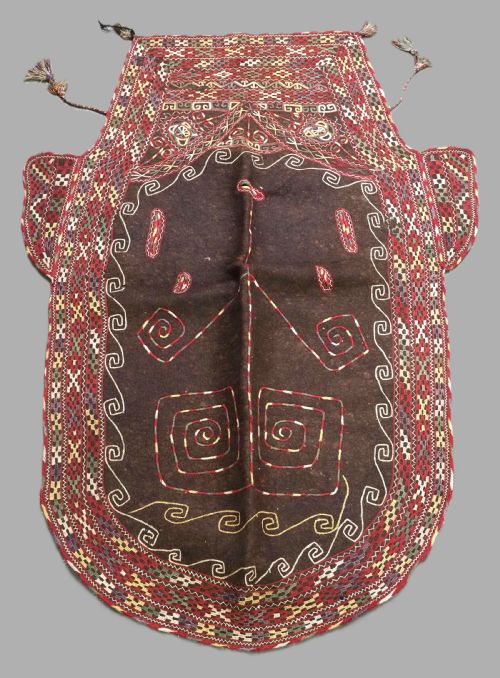
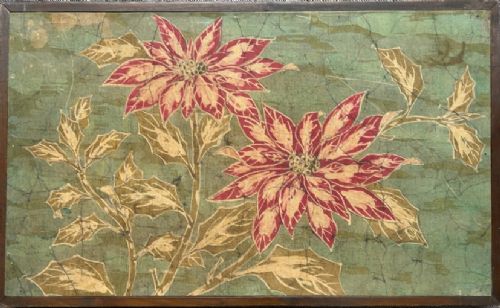
The selection ranges from Central Asian tribal needlework to European tapestries and Indian silks. Pieces such as Uzbek Suzanis and Yomut Turkmen horse covers demonstrate how utilitarian items transitioned into decorative wall art. Buyers often find framed batik panels alongside larger crewelwork embroideries and kilim fragments.
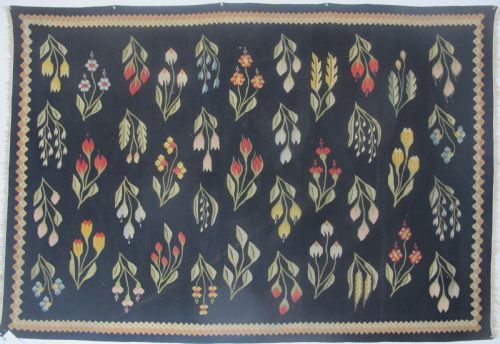
Geographic origins vary significantly, reflecting techniques from Persia, Romania, Bali, and France. Each region contributes distinct motifs, ranging from architectural Suzani designs to floral embroidery and figurative paintings on fabric. This variety allows collectors to select pieces that fit specific aesthetic preferences while representing distinct textile traditions.
How they were made
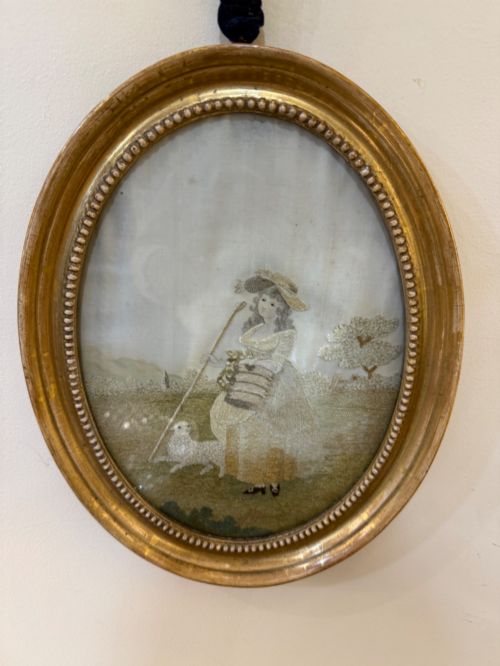
Maker communities utilised natural materials including wool, cotton, silk, and linen, often enriched with metallic thread and natural dyes. Textile artists employed diverse methods such as needlepoint embroidery, crewelwork, and traditional batik techniques on fabric. Felted wool also served as a durable base for ceremonial covers adorned with intricate stitching.
Techniques varied from the fine tambour embroidery seen in Central Asian Suzanis to the dense wool work of European tapestries. Artisans combined hand-spun fibres with complex dyeing processes to achieve lasting colour depth. Structural elements frequently incorporated glass beads or wooden components depending on the regional tradition.
Listings feature textiles spanning the nineteenth and twentieth centuries, utilising wool, silk, and natural dyes.
What varies in quality
The standard of a textile depends largely on the complexity of the needlework and the integrity of the materials used. Finer examples display tight, even stitches and sophisticated dye palettes derived from natural sources. The precision of traditional motifs and the preservation of original borders indicate superior craftsmanship.
Age and provenance further distinguish exceptional items, particularly when tribal signatures or distinct regional patterns remain intact. Pieces retaining their original structural form without excessive restoration command greater interest among collectors. The harmony of colours and balance of the overall composition ultimately determine the visual impact of the hanging.
Beatrice Saunders·Goodbrands and Co
The Vintage Wall Textile Glossary
- Suzani
- An embroidered tribal hanging originating from Central Asia, traditionally made as part of a bride's dowry. These pieces often feature bold floral and architectural motifs worked in silk on a cotton ground.
- Crewelwork
- A type of embroidery executed with wool yarn on a linen or cotton fabric foundation. It produces a textured, raised surface traditionally utilised in wall hangings and drapery.
- Kilim
- A flatwoven textile lacking a pile, produced primarily by nomadic tribes across Persia and North Africa. They utilise slit-tapestry weaving techniques to create geometric patterns.
- Palampore
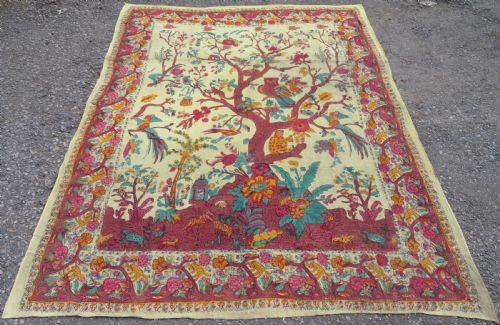
- A large, hand-painted and mordant-dyed cotton bed cover or wall hanging of Indian origin. These textiles historically displayed elaborate tree-of-life designs.
- Tapestry
- A form of textile art woven on a loom, depicting pictorial scenes or repeating patterns. European examples often emulate historic styles for interior display.
Vintage Wall Textile: Frequently Asked Questions
What is a vintage wall textile?
A vintage wall textile is a fabric item originally created for domestic, ceremonial, or nomadic use that is now displayed as wall art. These pieces include embroidered panels, tapestries, and woven saddle covers from various global traditions.
Items range from nineteenth-century tribal embroideries to early twentieth-century framed batik panels. They bring historical depth and tactile warmth to interior spaces.
How were tribal textiles used originally?
Nomadic and village communities utilised many of these textiles as functional household items, storage bags, or animal trappings. Ceremonial horse blankets and dowry pieces marked important cultural milestones and family status.
Over time, collectors repurposed these utilitarian objects for decorative wall display to preserve their intricate needlework and cultural history.
How do I care for an antique textile?
Protect antique textiles from direct sunlight to prevent natural dyes from fading over time. Displaying pieces away from excessive moisture and heat helps maintain the integrity of wool, silk, and cotton fibres.
Professional mounting on acid-free backing provides proper support for heavier items like tapestries and large embroideries.
How can I tell regional styles apart?
Regional styles differ through distinct colour palettes, specific motif choices, and characteristic embroidery stitches. Central Asian Suzanis often feature bold medallions and floral sprays, whereas Persian tribal pieces utilise geometric layouts.
Examining the base material and dyeing method also reveals the geographic origin and cultural tradition of the maker.