



Vintage Vase Flower Painting
When you search for vintage vase flower painting, you find works that capture delicate botanical forms rendered through various periods.
Vintage Vase Flower Painting
A vintage vase flower painting brings together two enduring subjects of decorative and fine art: the vessel and the bloom. The pieces gathered under this phrase span from the nineteenth century through the mid-twentieth century, encompassing both physical ceramic or glass containers and the painted representations of them on canvas and paper.
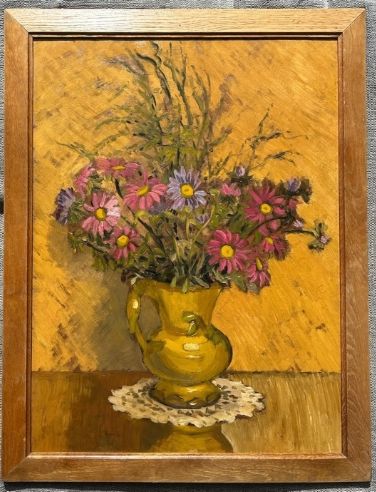
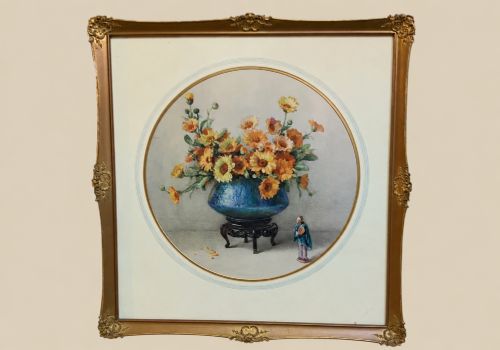
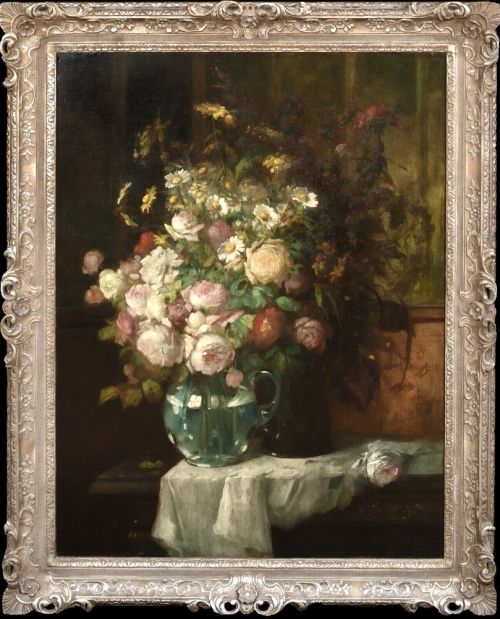
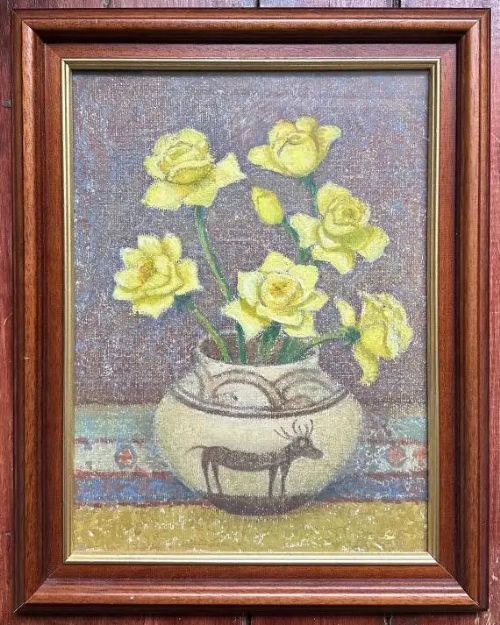
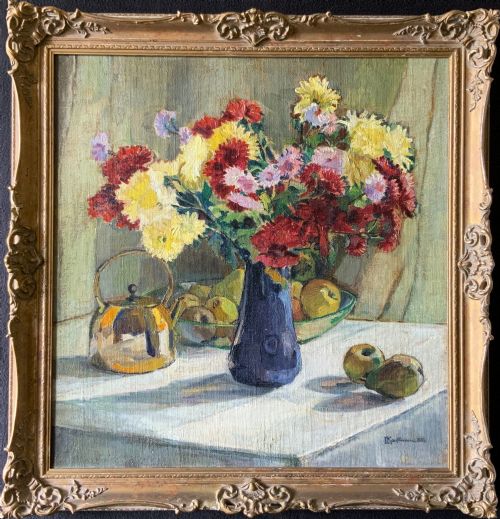
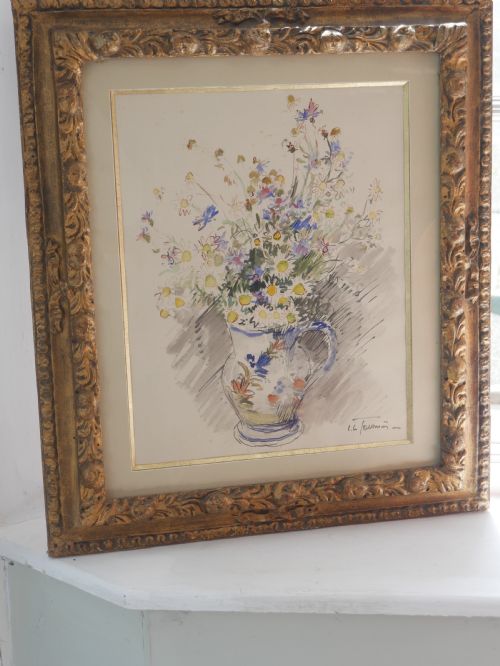
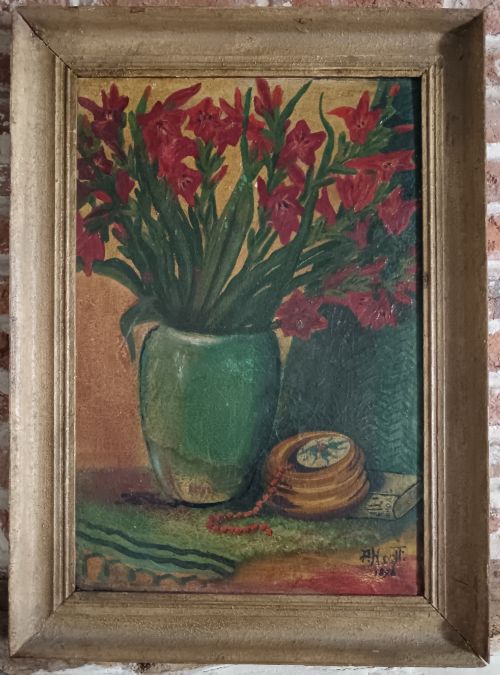
Buyers meeting this selection encounter a mix of media, predominantly oil paintings and watercolours depicting still lifes. Works range from Victorian studies to mid-century modern interpretations, showing flowers arranged simply or within domestic interiors.
The objects represented vary from porcelain and earthenware containers to glass and metal vessels holding seasonal blooms such as roses, anemones, and chrysanthemums.
How They Were Made
The physical paintings in this selection rely on traditional supports such as canvas, canvas board, wood, and paper. Artists applied oil paint or watercolour using brushes to build texture and tone, sometimes incorporating gold leaf or enamel details.
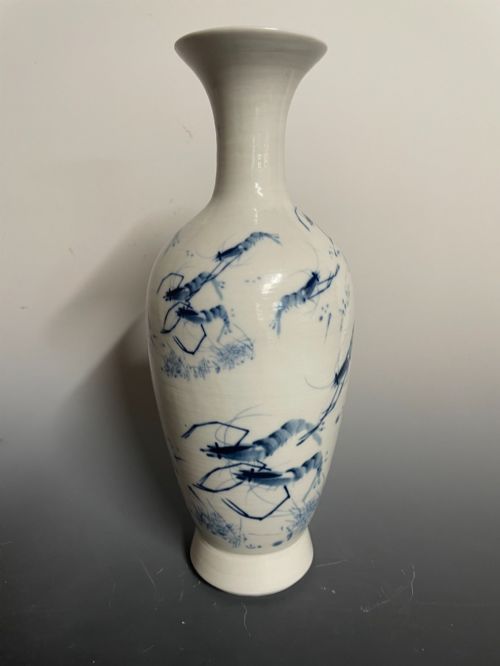
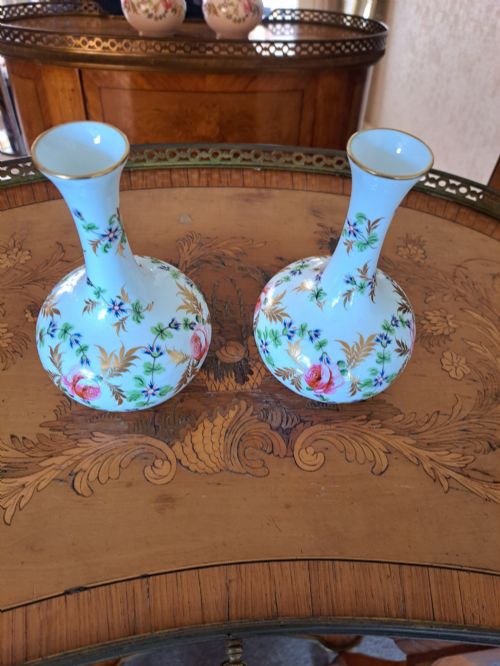
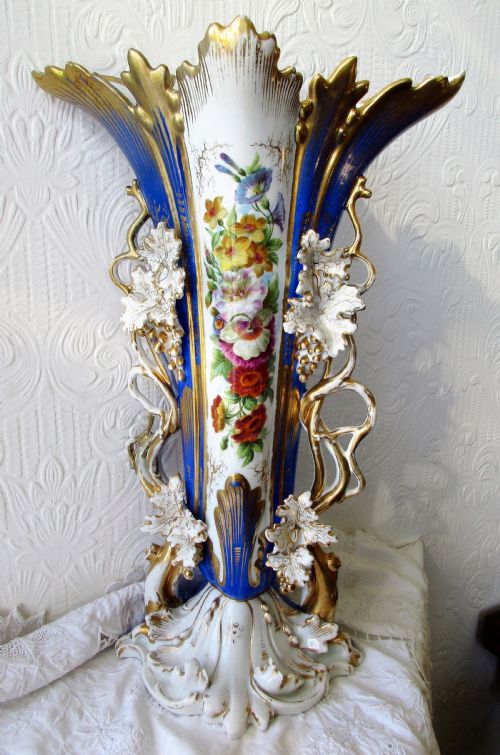
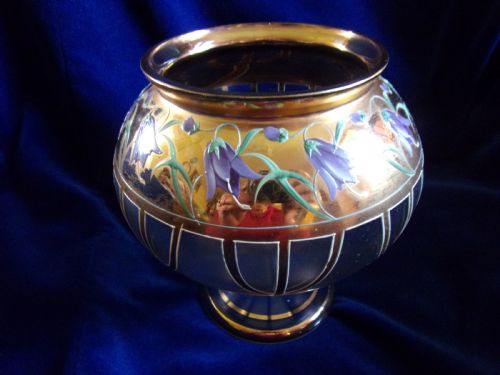
Three-dimensional pieces utilise porcelain, earthenware, or glass, often decorated with hand-painted floral motifs, raised white enamel, or gilding. Manufacturing techniques combine studio painting by hand with factory-produced pottery bodies.
Listings feature works created across several decades, spanning from the 1880s through the 1960s using canvas, porcelain, and watercolour on paper.
What Varies in Quality
The standard of a vintage vase flower painting depends upon the confidence of the brushwork and the harmony of the composition. Stronger examples display a deliberate management of light and colour, capturing the tactile qualities of petals and the reflectivity of glass or porcelain vessels with assurance.
Secondary pieces may rely on formulaic arrangements and stiff application, where the paint sits heavily without capturing depth or atmospheric weight. The distinction lies in the artist's ability to render form and tone convincingly rather than the mere recording of botanical subjects.
Crown Derby·Royal Worcester·Royal Doulton·Meissen
The Vintage Vase Flower Painting Glossary
- Still life
- A painting or drawing depicting inanimate subject matter, typically commonplace objects which may be either natural or man-made. In this category, it refers specifically to cut flowers displayed within vases.
- Oil paint
- A type of slow-drying paint consisting of pigment suspended in a drying oil, commonly linseed. It allows for rich colour blending and textured application across canvas and board.
- Watercolour
- A paint wherein the colour pigments are suspended in a water-soluble vehicle. Works in this medium are typically executed on paper.
- Impressionism
- A nineteenth-century art movement characterised by relatively small, thin, yet visible brush strokes and an emphasis on accurate depiction of light. This style appears across several works in the collection.
- Enamel
- A decorative glass-like substance fused to the surface of metal, glass, or pottery by firing. It provides a glossy, durable finish often found on nineteenth-century and art nouveau vessels.
Vintage Vase Flower Painting: Frequently Asked Questions
What periods do these pieces date from?
The works and objects span from the nineteenth century through to the mid-twentieth century. Examples include Victorian, Edwardian, and mid-century modern creations.
Artists and potteries from the 1880s up to the 1960s are represented within the listings.
How should I care for an oil painting on canvas?
Keep the piece away from direct sunlight and excessive moisture to protect the canvas and paint layers. Dust gently with a soft, dry cloth without applying pressure.
Avoid using liquid cleaners or abrasive materials on the painted surface.
What is the difference between a still life and a floral study?
A still life typically arranges flowers alongside other domestic objects such as fruit, ceramic vessels, or draped fabrics. A floral study focuses more narrowly on the botanical specimens themselves.
Both forms use the arrangement of plants as their primary subject.
Are watercolours framed differently from oil paintings?
Watercolours on paper require framing behind glass to protect the delicate surface from humidity and dust. Oil paintings on canvas or board are usually mounted in wooden frames without glass.
This difference in framing stems from the need to protect the paper support of watercolours.