

Original Floral Oil Canvas
An original floral oil canvas brings the quiet colour of a gathered garden straight into a room through pigment and primed cloth.
Original Floral Oil Canvas
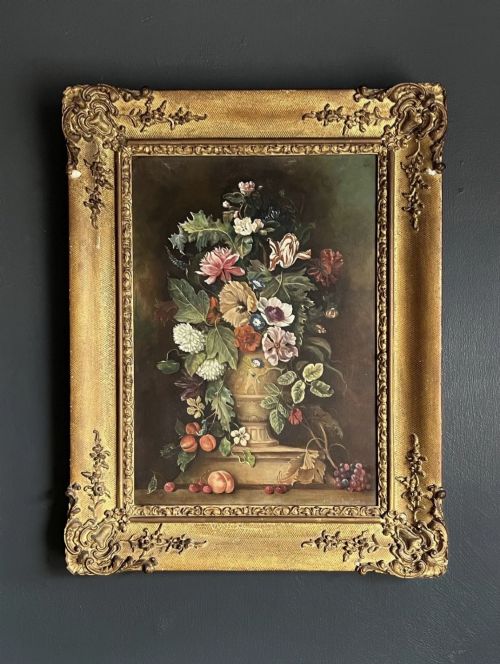
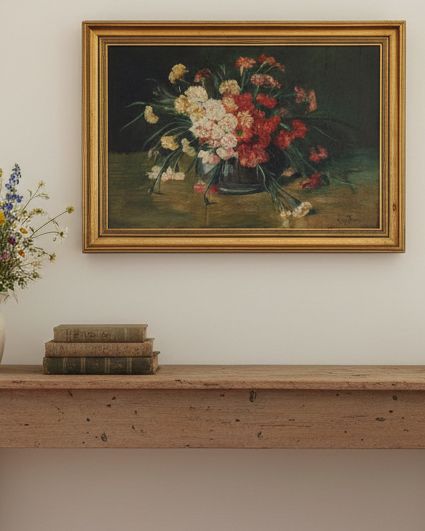
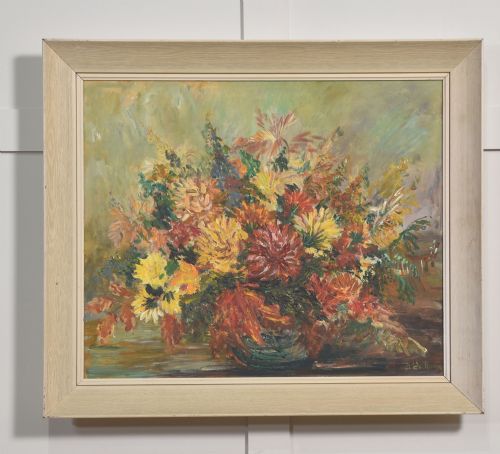
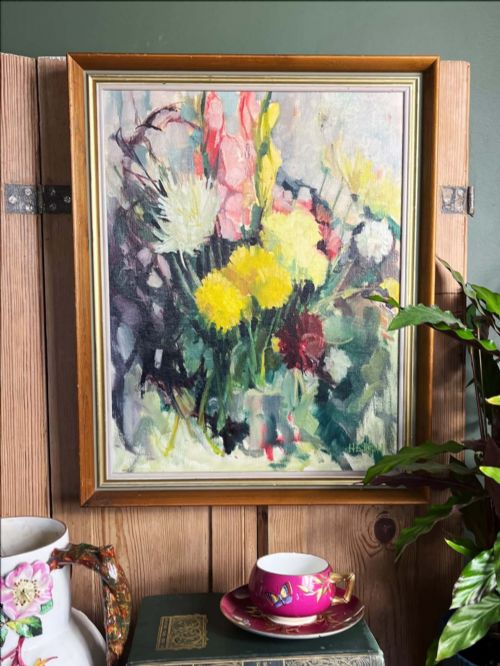
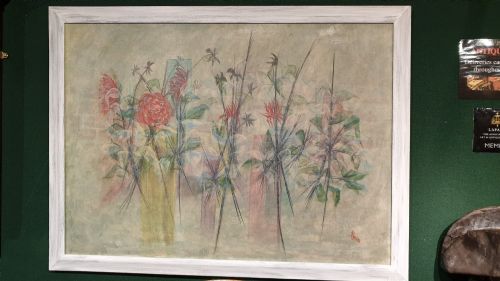
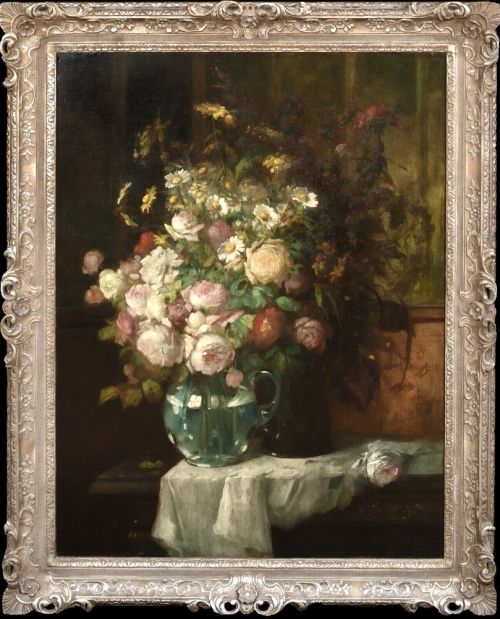
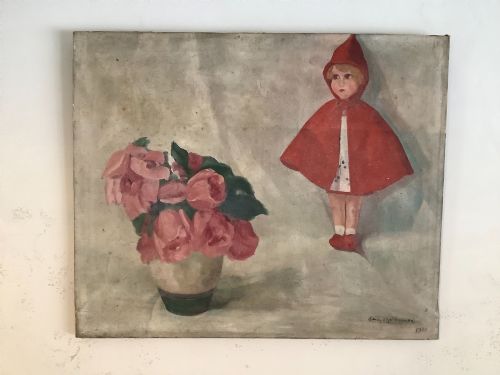
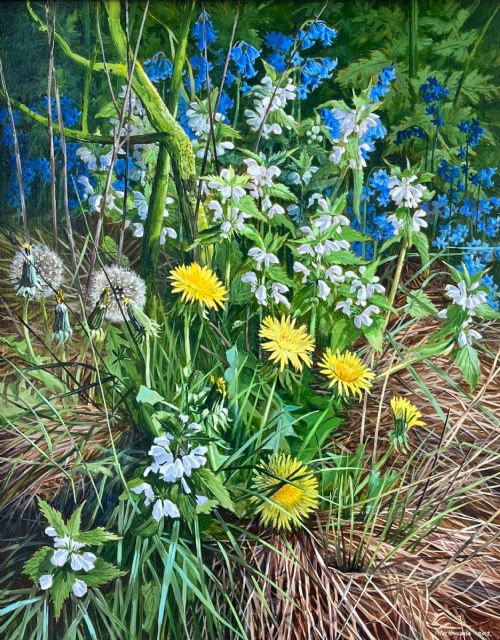
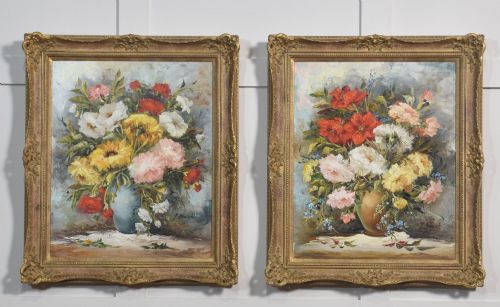
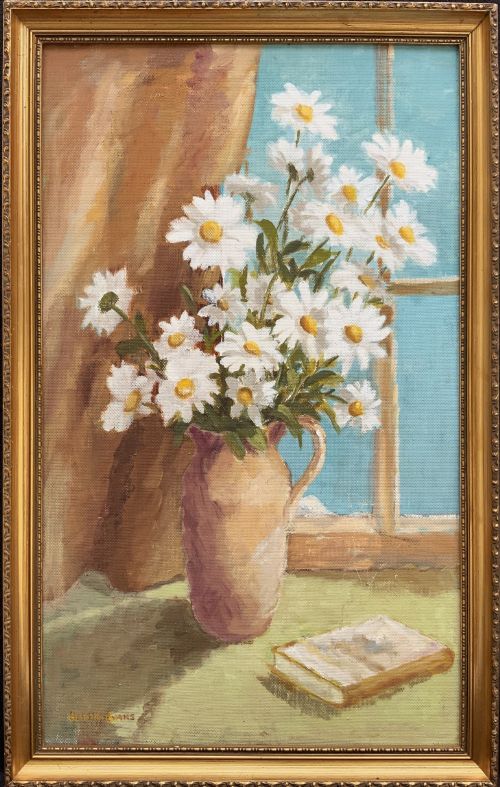
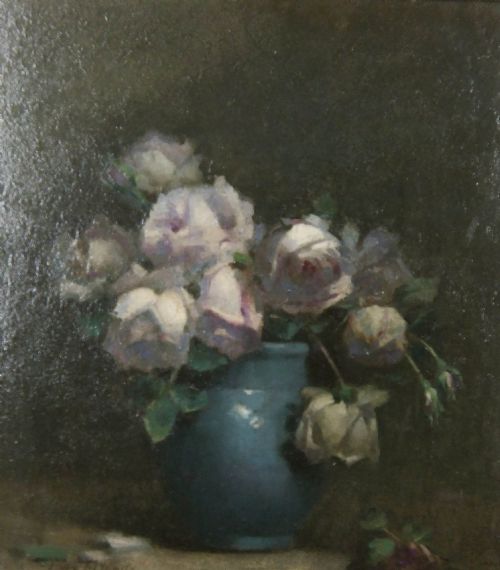
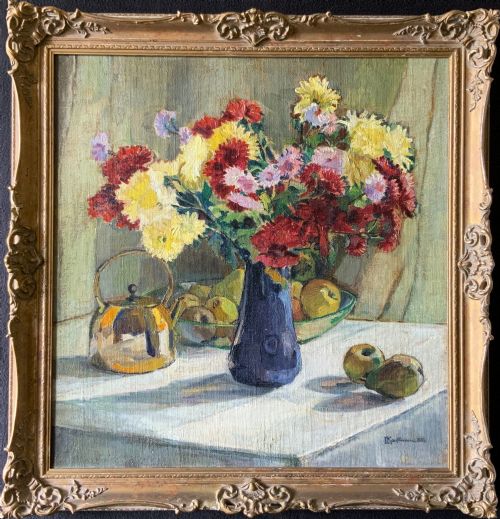
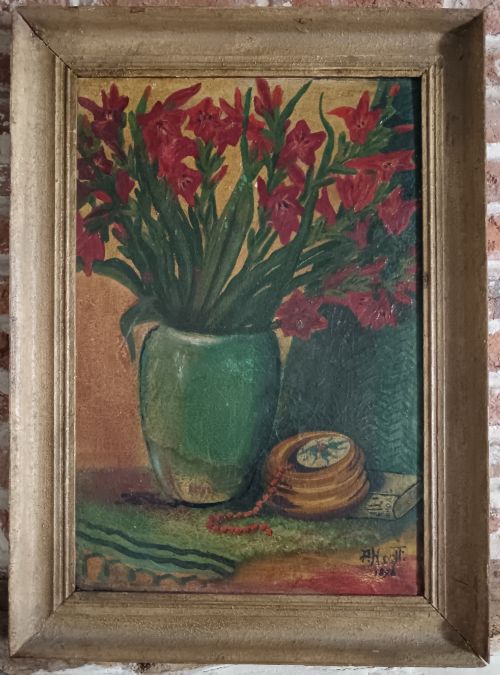
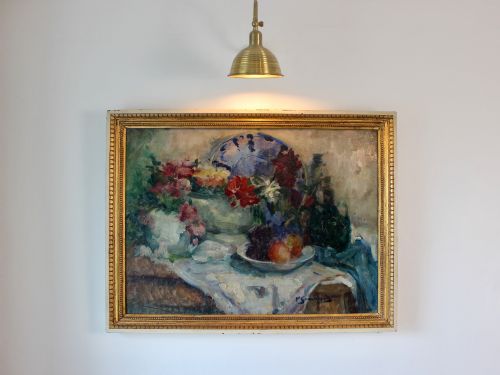
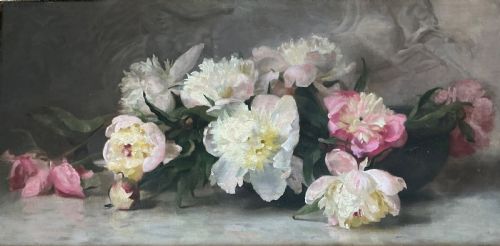
An original floral oil canvas is a painted study of blooms, stems and vases rendered in oil paint upon a stretched fabric support, spanning periods from the late nineteenth century through the mid-twentieth century. When searching for this phrase, a buyer encounters still life subjects ranging from tight academic arrangements to looser post-impressionist or mid-century interpretations.
The works on this page lean heavily towards mid-century modern, British impressionism, and art deco aesthetics, alongside earlier nineteenth-century examples and modernist pieces. Canvases appear both unframed and housed within period gilt frames, gesso mouldings, or simple wooden surrounds.
How they were made
Painters applied oil paint directly onto prepared canvas or sometimes oil on board, building texture with brushwork or palette knives. The ground was typically stretched tightly over a wooden frame and secured at the edges.
Frames utilised wood and gesso, often finished with gilding that caught the light around the painted border.
Several floral studies preserve accidental studio dust and stray cat hairs permanently trapped within the nineteenth-century varnish.
What varies in quality
Quality rests in the sureness of the brushwork and the artist's command of light, colour harmony, and spatial depth within the floral arrangement. A strong piece captures the vitality of petals and foliage with deliberate strokes rather than tedious imitation.
The condition of the canvas support, the stability of the paint layer, and the integrity of the original frame contribute significantly to the standing of the work.
Konstantin Stoitzner·Peter Newcombe·Manuela Bonati·William Thomas Wood·Victor Simonin·Owen Bowen·Gertrude Hayes·Amile Coppieters·Florence Hess·Ernest Higgins Rigg·Sir Matthew Smith·Freda Marston·Stuart Armfield
The Original Floral Oil Canvas Glossary
- Canvas
- A heavy woven fabric, usually linen or cotton, stretched across a wooden frame to serve as a painting surface. It provides a durable and slightly textured ground for oil pigment.
- Gesso
- A plaster-like mixture applied to wooden frames or panels to create a smooth surface for gilding and ornamentation. It is typically built up in layers before being carved or moulded.
- Impressionism
- A style of painting that focuses on capturing the visual impression of the moment, employing unblended brush strokes and an emphasis on shifting light. In floral subjects, this manifests as looser renderings of form.
- Still life
- A work of art depicting mostly inanimate subject matter, typically commonplace objects which may be either natural or man-made. Floral examples focus on cut flowers in vases, bowls, or urns.
Original Floral Oil Canvas: Frequently Asked Questions
How do I date an oil canvas?
Dating relies on stylistic clues, framing methods, stretcher construction, and signatures or inscriptions on the reverse of the canvas. Pigment analysis and canvas weave can also offer broad chronological boundaries.
Comparison with known dated works by the same hand provides the most reliable timeline for specific pieces.
Where should I hang these paintings?
These works suit dining rooms, drawing rooms, or hallways where natural light can illuminate the brushwork and the gilt frames. Avoid placing them in direct sunlight or damp spaces such as unventilated kitchens.
Stable indoor temperatures protect both the canvas support and the underlying oil paint from cracking.
Are all these pieces signed?
Signatures appear on many of the canvases, either initialed or written out in full by the artist, often placed near a lower corner. Unsigned works are attributed based on stylistic evidence, technique, and provenance.
Documentation or exhibition labels on the reverse sometimes confirm the authorship.