




Vintage Vanity Tray
A vintage vanity tray brings reflective surface and curated display to a dressing table, turning everyday perfumes and trinkets into an organised focal point.
Vintage Vanity Tray
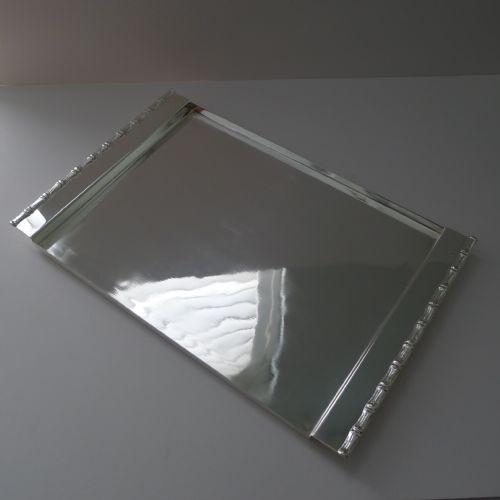
A vintage vanity tray serves as an ornamental base for perfumes, brushes, and small personal items on a dressing table or sideboard. These pieces range from compact trinket dishes to expansive mirrored serving surfaces designed to catch the light.
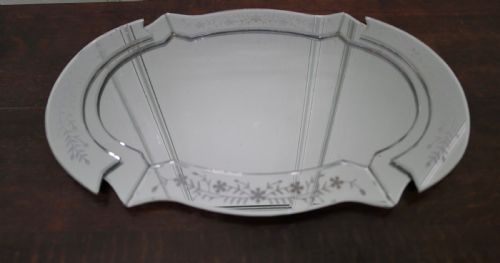
The selection here draws heavily from the early twentieth century, showing strong representations of Art Deco geometric designs and Edwardian elegance. You encounter mirrored glass bases paired with metal frames, alongside wooden trays and ceramic dishes intended for dressing room use.
Makers utilised various regional styles, spanning from Venetian cut glass and French modernist execution to Kashmiri carved wood and English silver plating. Each iteration reflects the domestic habits and decorative tastes of its specific decade.
Materials and Construction Techniques
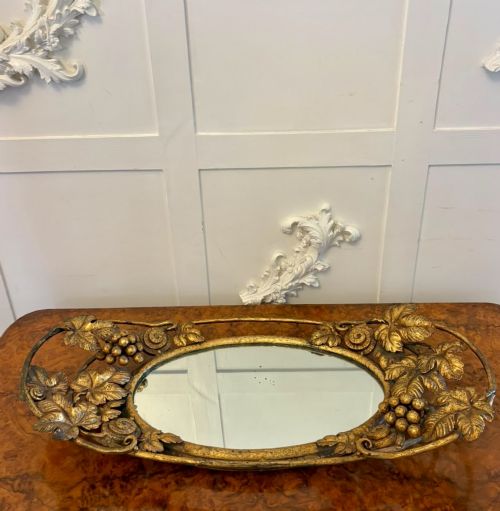
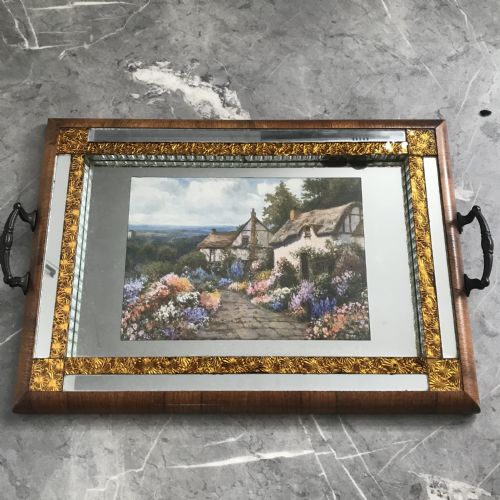
Glass and mirrored surfaces form the foundation of many pieces, often enhanced by bevelling, etching, or Venetian cutting techniques to create decorative borders. These glass panels sit within frames of silver plate, gilt metal, chrome, or solid woods such as walnut, rosewood, and macassar.
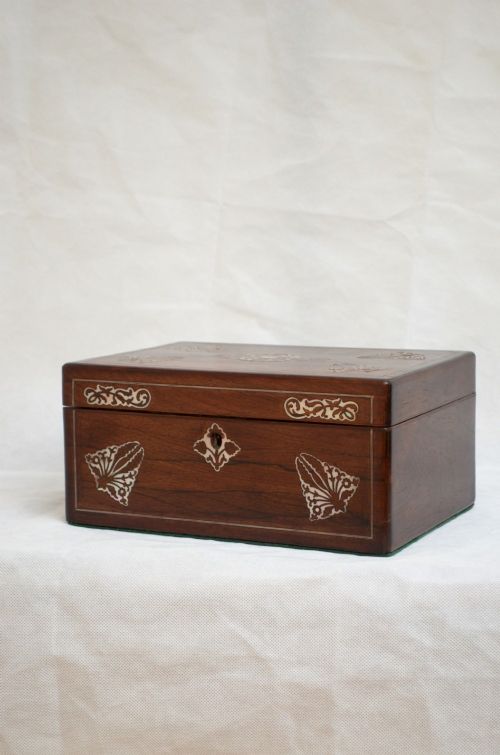
Metalwork involves casting, silver plating, and detailed embossing, seen particularly in scrollwork and vine motifs on serving galleries and cocktail trays. Artisans also employed specialised techniques like guilloche enamel and oyster veneering to enrich the visual texture of the frames and accompanying boxes.
Vintage Vanity Tray Retail Price Guide 2026
Typical asking prices for vintage vanity tray among the pieces listed under this phrase on Sellingantiques today, from the lower quarter to the upper quarter. They describe what is for sale here now, not the wider market.
Distinctions in Quality and Execution
The standard of a piece rests largely on the clarity of its mirrored plate, the crispness of its etched or cut detailing, and the integrity of its metal plating. Superior examples exhibit precise joinery in wooden frames and securely mounted handles made from materials like bamboo or copper.
Artisanal execution distinguishes mass-produced items from finer studio or maker-marked pieces, where hand-painted ceramic elements or specialised glasswork like Murano and Lalique demonstrate greater individual craftsmanship.
Hukin and Heath·René Lalique·Wemyss
The Vintage Vanity Tray Glossary
- Guilloche enamel
- A decorative technique involving precise engine-turned patterns beneath a translucent layer of coloured enamel. It appears frequently on small silver accessories and trays from the early twentieth century.
- Oyster veneer
- A method of cutting branches transversely to produce small, circular wooden rings with distinctive grain patterns. This technique decorates the surfaces of Edwardian wooden trays and boxes.
- Gallery tray
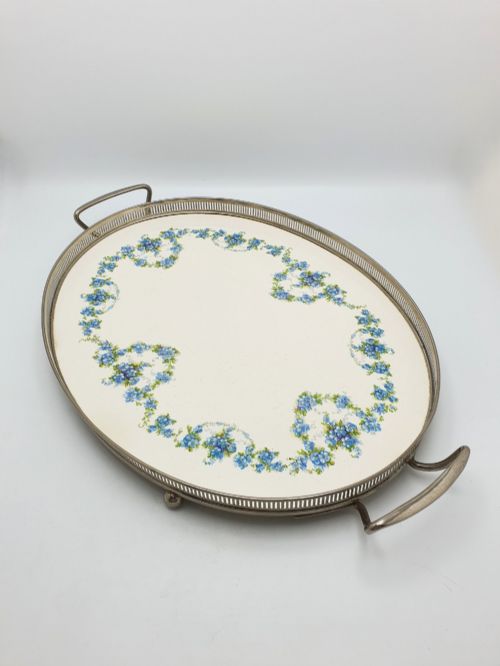
- A low-rimmed serving or display tray featuring an openwork metal gallery or pierced rail around its perimeter. This design prevents items from sliding off the reflective or wooden base.
- Spelter
- An alloy of zinc used widely as a cheaper alternative to bronze or brass for casting decorative figures and mounts. Art Deco pin dishes and trays often incorporate spelter components.
- Pin dish
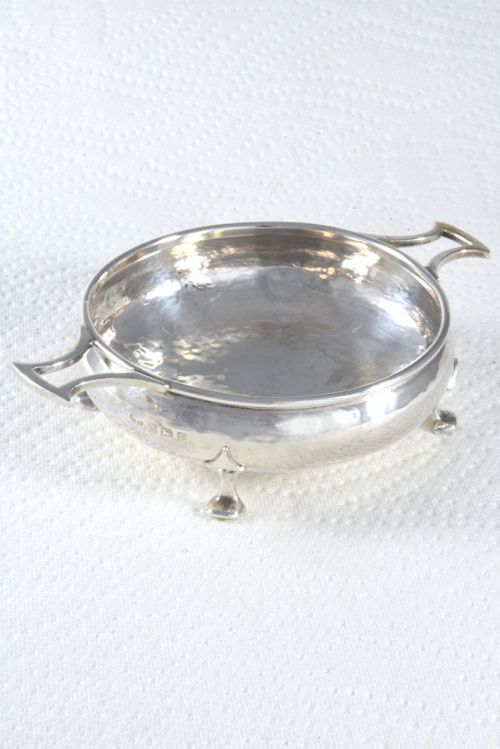
- A small shallow dish designed originally to hold dressmaker's pins or small personal trinkets. These items share the dressing table context with larger vanity trays.
Vintage Vanity Tray: Frequently Asked Questions
What is a vintage vanity tray used for?
These trays provide a designated surface for organising perfume bottles, powder jars, and small jewellery items on dressing tables. They protect furniture surfaces while keeping daily accessories neatly arranged and visually prominent.
Historically, similar trays also functioned in reception rooms and sideboards for serving drinks or displaying decorative objects. Their dual utility as both organisers and decorative accents makes them versatile additions to modern interiors.
How do I date an Art Deco tray?
Art Deco pieces typically display geometric forms, stylised floral motifs, and materials such as chrome, mirrored glass, and bakelite. Pieces originating from this movement generally date from the 1920s through the 1930s.
Examining the manufacturing techniques, maker's marks, and fastener types helps narrow down the production decade. Simpler modernist lines often point towards the later 1930s, while floral etched mirrors frequently align with the earlier 1920s aesthetic.
Can these trays be used for serving drinks?
Many larger mirrored and silver-plated trays were originally produced as cocktail or drinks trays for entertaining. Their sturdy metal galleries and reflective surfaces suit the presentation of glassware and decanters.
When using vintage mirrored trays for liquids, ensure the backing and silvering remain sealed against moisture. Gentle handling preserves the original antique glass and prevents water damage to underlying wooden or metallic frames.
How do I clean a mirrored vanity tray?
Clean mirrored glass surfaces gently with a soft cloth and a mild glass cleaner applied to the cloth rather than directly sprayed onto the tray. This prevents moisture from seeping behind the glass and damaging the silvered backing.
Avoid harsh abrasives on silver-plated, gilt, or enamelled borders to preserve the original finish. Regular dusting with a dry microfibre cloth is usually sufficient for routine maintenance.