
Vintage Vanity Seat
A vintage vanity seat is a low chair or stool designed for the dressing table, bringing practical seating and period character to a room.
Vintage Vanity Seat
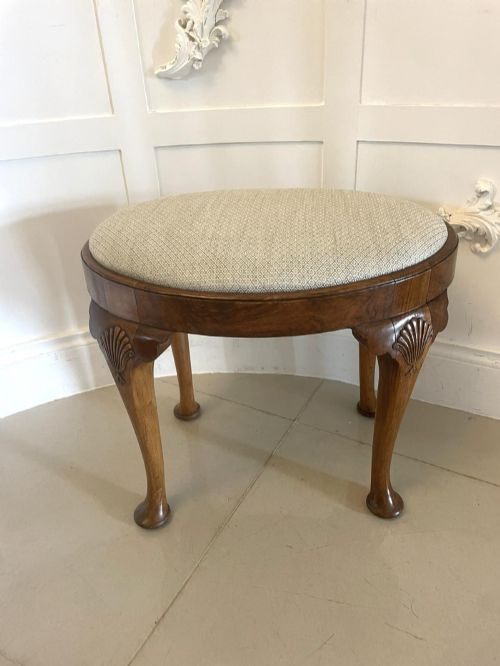
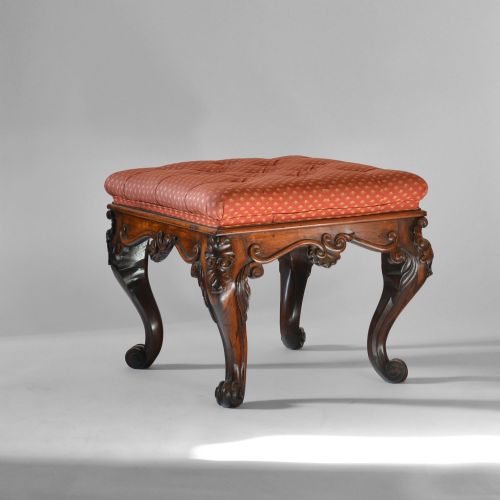
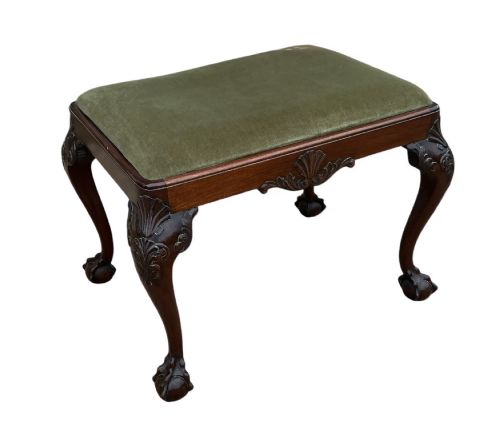
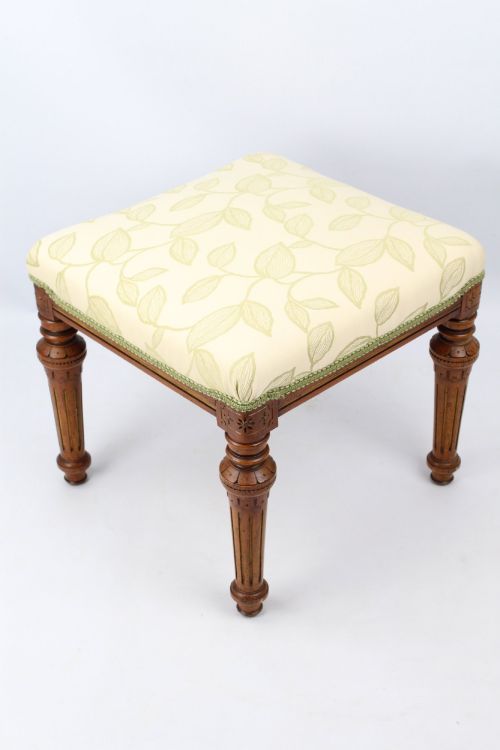
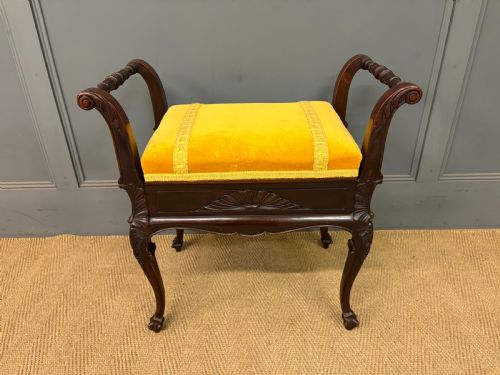
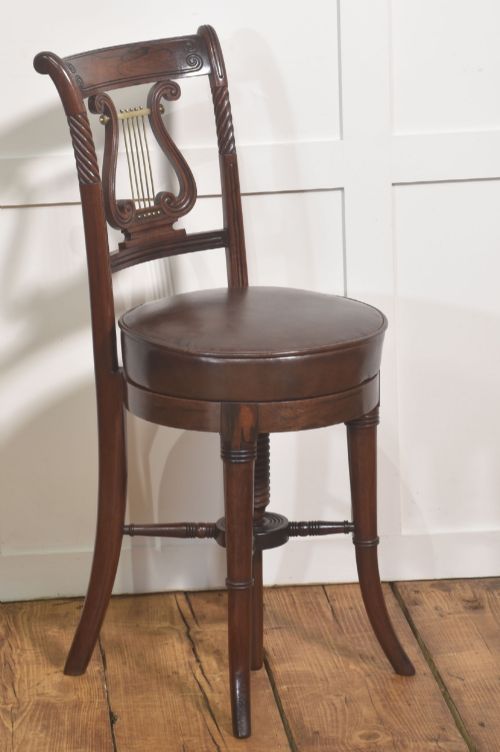
When searching for a vintage vanity seat, buyers encounter a variety of low forms including dressing table stools, dressing chairs, piano stools, and slipper chairs. These pieces originate from periods ranging through the nineteenth century, the Edwardian era, and the nineteen-thirties.
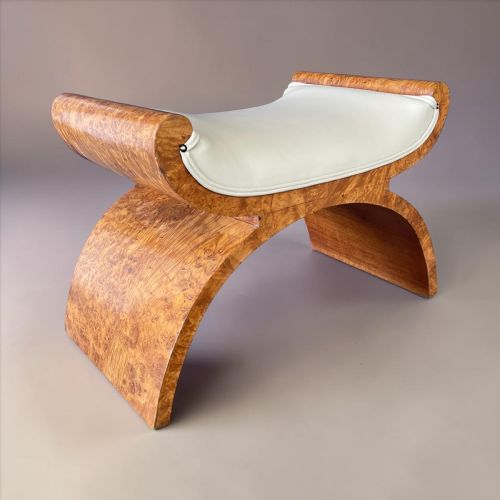
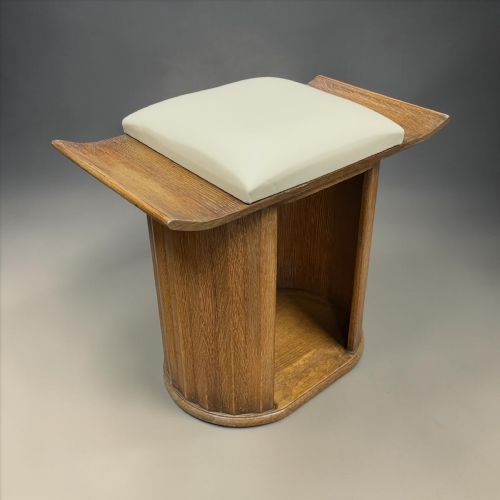
The most common examples on this page date from the Art Deco period of nineteen-thirty and the Victorian era. Forms vary from simple rectangular shapes to drum-shaped designs with storage and revolving piano stools.
Makers and workshops of the twentieth century such as Harry and Lou Epstein and Bath Cabinet Makers produced distinctive seating in walnut, birds-eye maple, and sycamore. Earlier pieces display Queen Anne, Chippendale, and Sheraton revival styles executed in solid mahogany or walnut.
How they were made
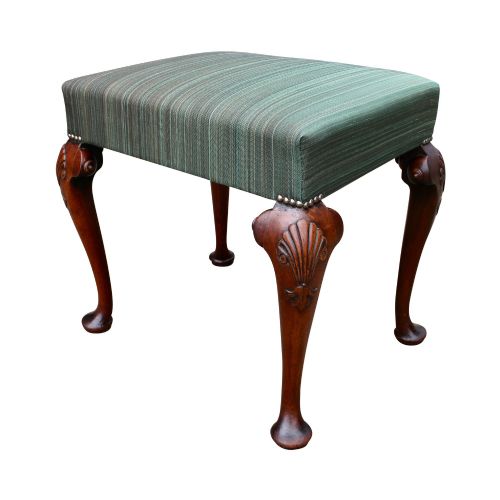
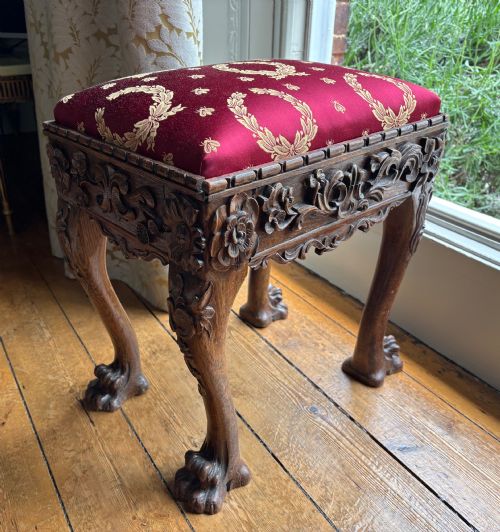
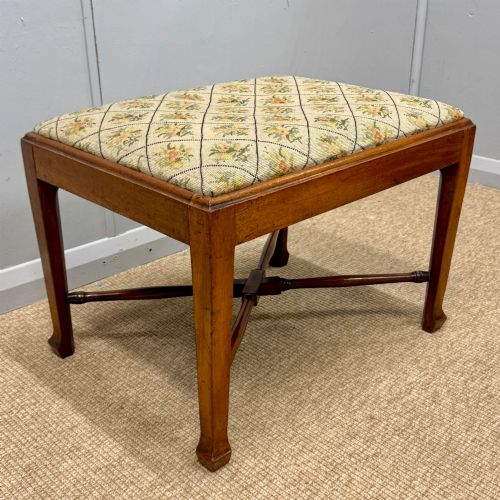
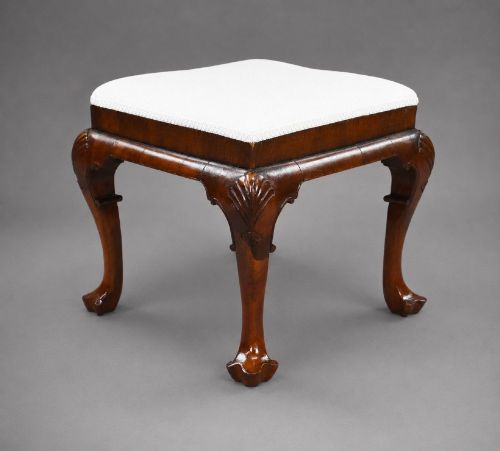
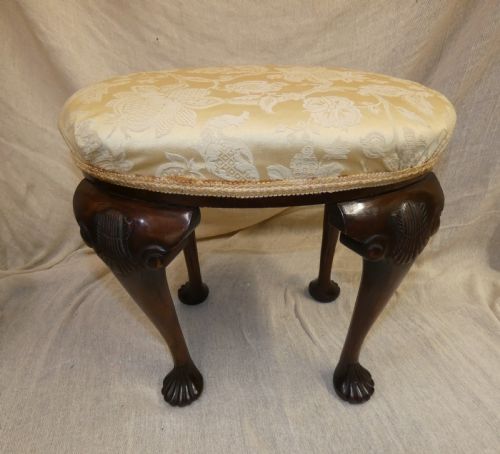
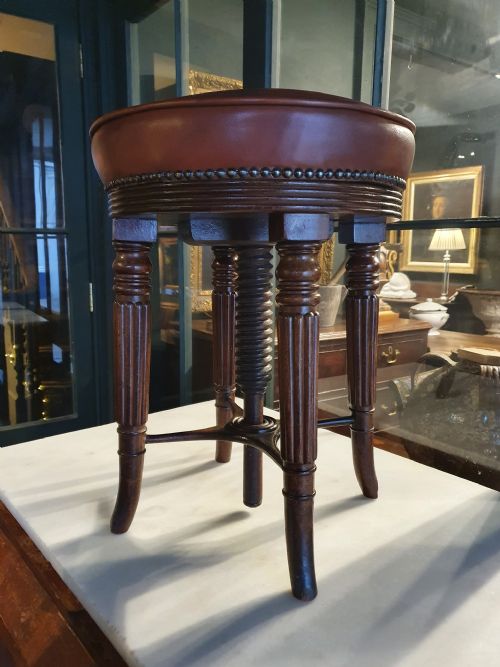
Carpenters utilised timbers like mahogany, walnut, oak, and rosewood for the frames, often shaping the wood into cabriole legs, twisted rope supports, or cross stretchers. Brass details and polished brass components appear on salon chairs and piano mechanisms.
Upholstery techniques involved traditional stuffing covered in fabric, velvet, textile, leather, or needlepoint. Later nineteenth and twentieth-century examples frequently feature new flowery top covers or cream leather upholstery applied during restoration.
Vintage Vanity Seat Retail Price Guide 2026
Typical asking prices for vintage vanity seat among the pieces listed under this phrase on Sellingantiques today, from the lower quarter to the upper quarter. They describe what is for sale here now, not the wider market.
Design styles span the Victorian and Edwardian eras, Art Deco movements, and traditional revival periods such as Queen Anne and Chippendale.
What varies in quality
The standard of timber selection and carving defines the character of each piece, from plain mahogany frames to highly figured walnut and birds-eye maple veneers. Hand-carved details on cabriole legs or stretcher joints demonstrate the skill of the cabinet maker.
The integrity of the frame construction and the quality of the upholstery materials determine longevity. Pieces retaining original leather or specialist maker attribution command distinct interest from collectors.
Harry and Lou Epstein·Bath Cabinet Makers
The Vintage Vanity Seat Glossary
- Cabriole leg
- A furniture leg that curves out and then in, resembling an animal's leg. This form appears frequently on eighteenth-century revival and Victorian dressing stools.
- Cross stretcher
- Horizontal wooden braces connecting the legs beneath a stool for added stability. They often feature carved centres on larger dressing table stools.
- Piano stool
- An adjustable or fixed seat originally made for use at a piano. Many examples share dimensions and swivel mechanisms suitable for modern dressing tables.
- Slipper chair
- A low-to-the-ground upholstered chair traditionally used in a bedroom or dressing room. These often include decorative fringe along the base.
- Gustavian
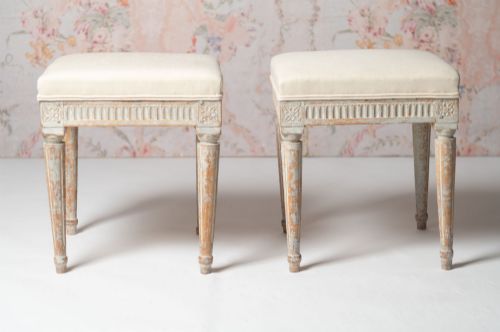
- A Swedish neoclassical style originating in the late eighteenth century. Pieces from this tradition display painted finishes and restrained classical carving.
Vintage Vanity Seat: Frequently Asked Questions
What is a vintage vanity seat used for?
These low seats provide comfortable seating specifically proportioned for dressing tables and vanity desks in bedrooms. They also function as piano stools or decorative accent seating in living spaces.
Many period examples include built-in storage compartments beneath the seat for keeping cosmetics or small accessories tidy.
How do I date a dressing stool?
Dating relies on identifying the prevailing style, timber choices, and construction methods characteristic of periods like the Victorian era, Edwardian period, or nineteen-thirties Art Deco. Revival styles often borrow decorative motifs from earlier Georgian or Queen Anne eras.
Makes attributed to specific cabinet makers or recorded workshop signatures help narrow the date of manufacture.
Can I use a piano stool at a vanity table?
Many piano stools share the correct height and compact footprint required for modern dressing tables. Adjustable models allow users to customise the seat height for comfort.
Revolving piano stools offer practical mobility when seated in front of a mirror.
Are these seats comfortable for daily use?
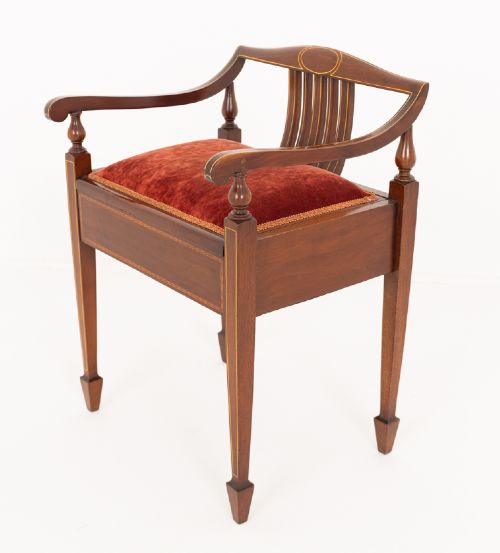
Most pieces feature padded upholstery covered in leather, velvet, or woven fabric designed for seated comfort. Restored examples often include updated padding and fresh covers while retaining the antique frame.
Low backrests or armless designs keep the profile compact for tucking neatly beneath a table.