
Vintage Uzbek Embroidery
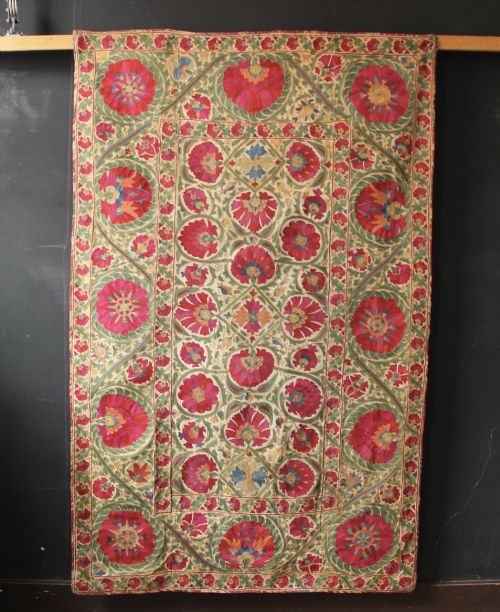
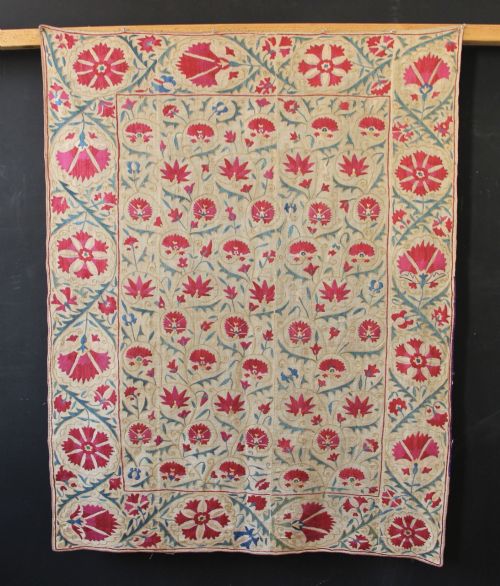
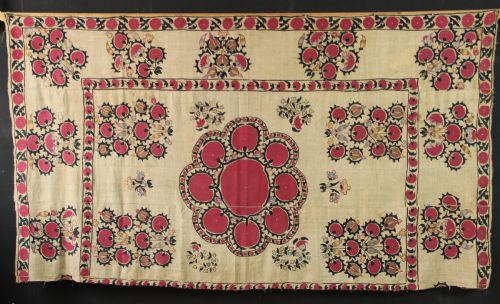
Vintage uzbek embroidery brings rich Central Asian textile art into modern spaces, offering heavily patterned wall hangings, dowry pieces, and ceremonial covers crafted from silk, cotton, and wool.
Vintage Uzbek Embroidery
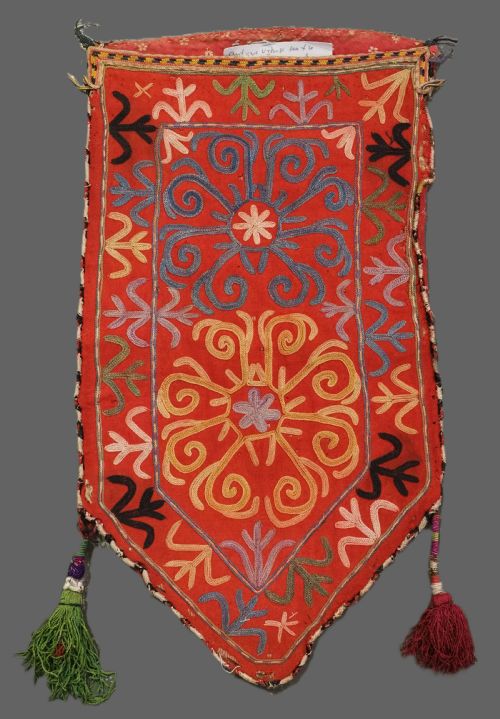
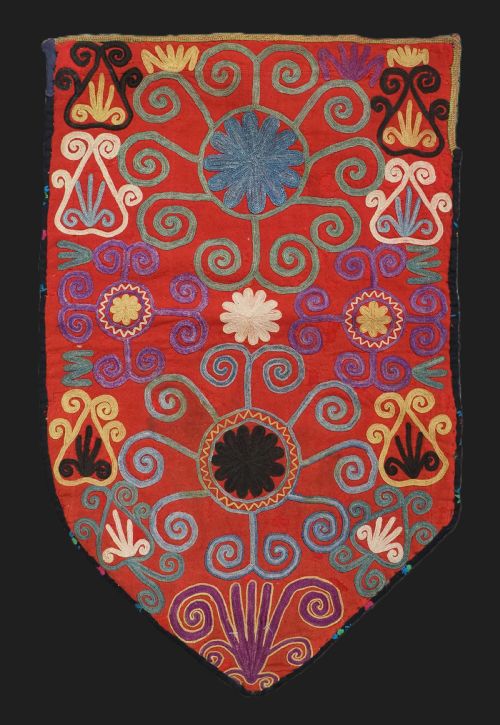
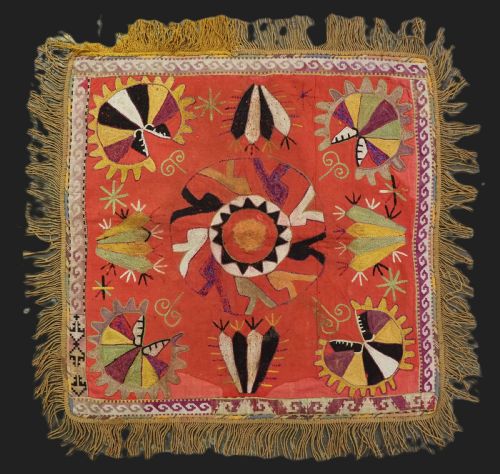
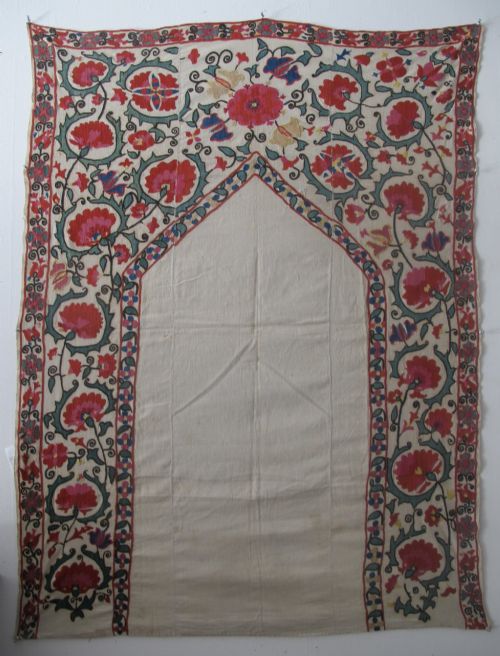
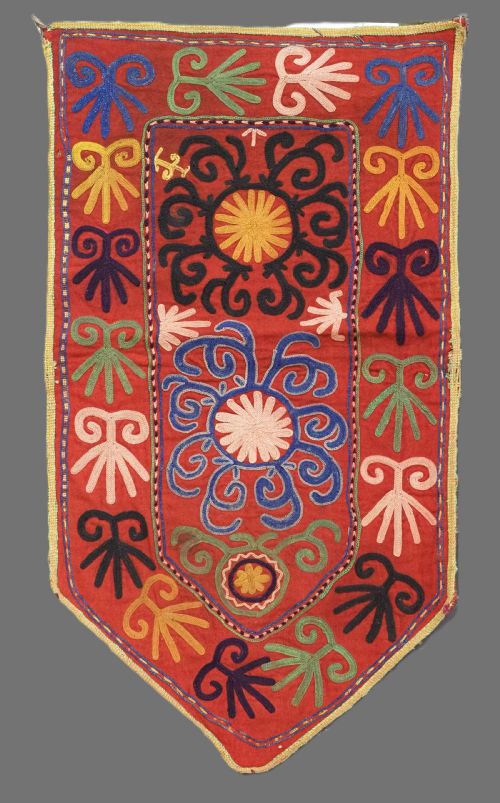
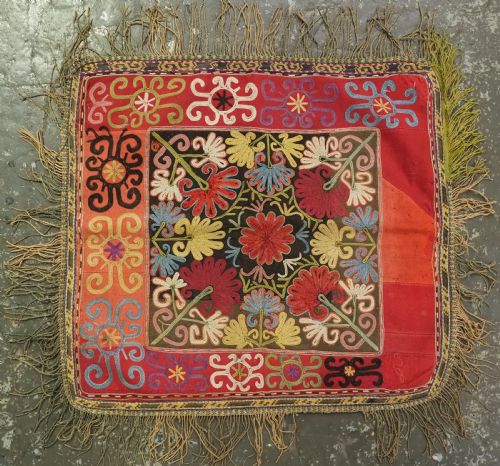
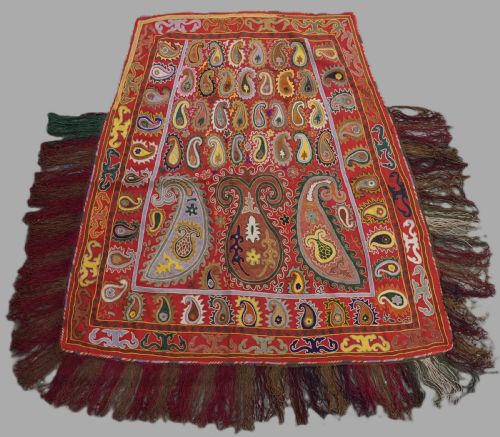
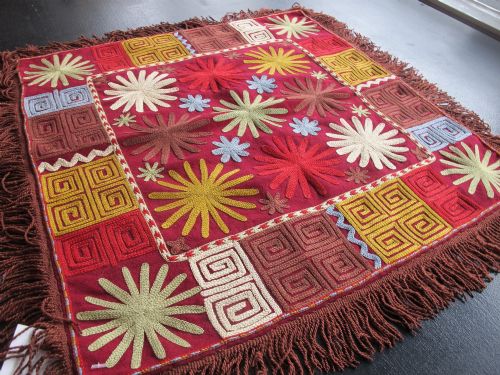
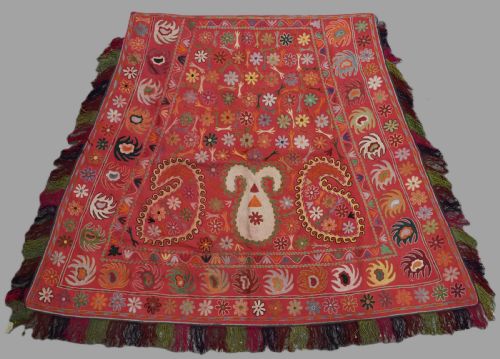
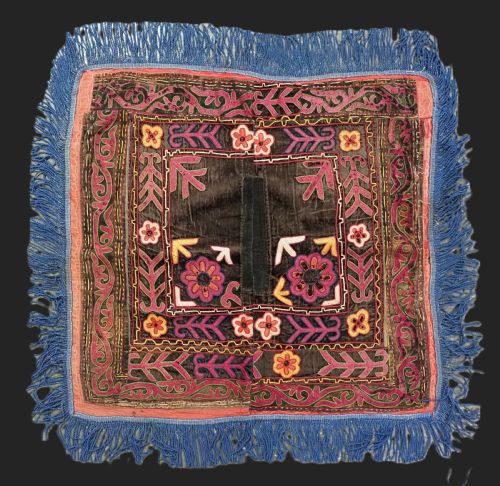
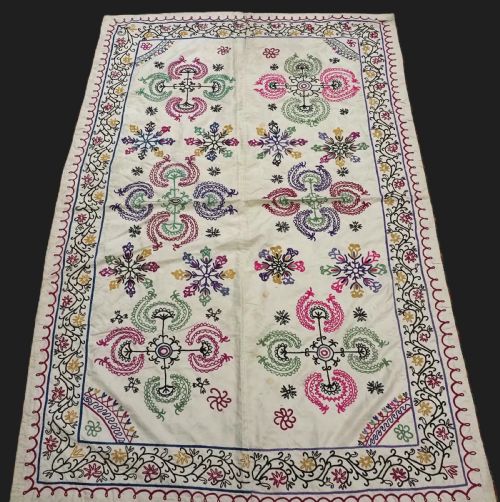
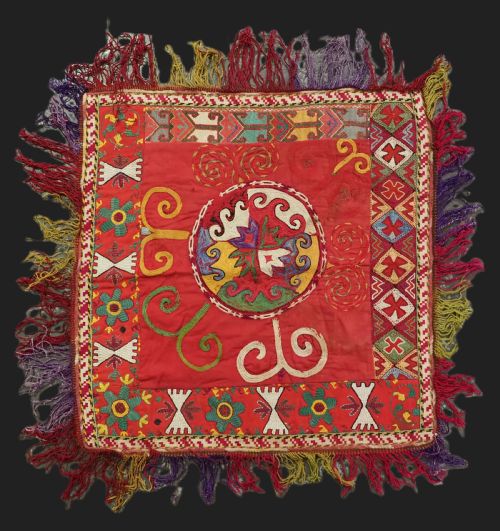
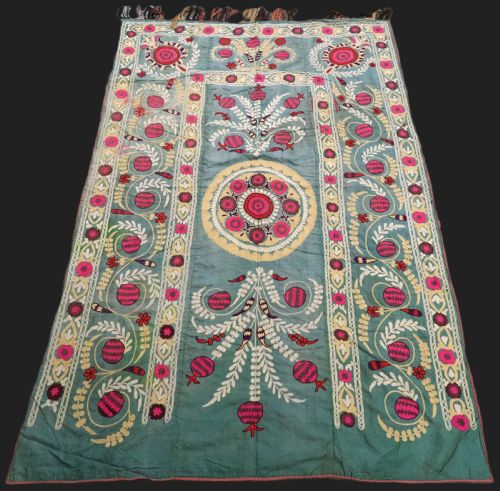
When searching for vintage uzbek embroidery, buyers encounter a diverse range of Central Asian textiles, including large wall hangings, dowry panels, and horse covers. These pieces originate from regional groups such as the Lakai tribe and centres like Bokhara and Shakrisabz, spanning periods from the nineteenth century into the twentieth.
Makers utilised various formats, from full room-size wall hangings to nim suzanis and smaller prayer formats, reflecting the rich traditional design vocabulary of Central Asian nomad and tribal groups.
How They Were Made
Artisans worked primarily with silk thread, cotton, wool, and velvet, stitching intricate designs onto ground fabrics made of cotton, wool, or adras, which is a traditional silk and cotton blend. Some specialised pieces incorporated silver metal thread to add metallic detail to the surface.
Embroidery techniques involved needlework applied to various foundation cloths, often utilising silk on silk or silk on coloured wool and cotton grounds. These methods produced dense, textured surfaces seen in tribal dowry embroideries and ceremonial covers.
Materials recorded across the inventory include silk thread, cotton, wool, velvet, adras, and silver metal thread.
What Varies in Quality
Quality in these textiles depends heavily on the fineness of the needlework, the complexity of the design, and the vibrancy of the material palette. Pieces featuring dense silk embroidery on fine silk or wool grounds display a higher degree of artisan skill.
The preservation of the original fabric ground, whether red wool, yellow cotton, or adras, influences the overall visual impact. Superior examples maintain intact thread structures and clear, harmonious regional designs from centres such as Bokhara or Shakrisabz.
The Vintage Uzbek Embroidery Glossary
- Suzani
- A large embroidered tribal wall hanging or domestic textile from Central Asia, traditionally worked in silk on a cotton or linen ground. These panels formed an essential part of a bride's dowry.
- Lakai
- A Central Asian tribal group known for distinctive, dynamic embroideries using bold motifs and vibrant silk threads. Their work frequently includes small hangings and horse covers.
- Nim Suzani
- A half-size version of the traditional suzani wall hanging, offering a more compact decorative panel. These smaller textile pieces were often utilised for intimate domestic spaces.
- Adras
- A traditional Central Asian fabric woven from a mixture of silk and cotton yarns. It serves as a textured ground for various embroidered panels.
- Ikat
- A dyeing and weaving technique where yarns are tie-dyed before being woven into patterned fabric panels. These textiles appear frequently alongside traditional needlework.
Vintage Uzbek Embroidery: Frequently Asked Questions
What is a suzani used for?
Suzanis were traditionally created as part of a bride's dowry to decorate the home, serving as wall hangings, bed covers, or festive domestic drapery.
Today, collectors typically display these large embroidered textiles on walls as prominent decorative art pieces.
How do I hang a textile safely?
Heavy antique embroideries require even weight distribution to prevent strain on the delicate historic ground fabric and silk threads.
Using a professional conservator method, such as a stitched-on cotton sleeve attached to a hidden rod, protects the piece from localized damage.
Are these pieces made by hand?
Central Asian textiles from this era were entirely hand-stitched by skilled artisans using traditional needlework methods and locally sourced materials.
Variations in stitch direction and motif placement highlight the individual human hand behind each historic panel.
What is the difference between a suzani and an ilgich?
A suzani is generally a large decorative wall hanging or bed cover, whereas an ilgich typically refers to a specific type of dowry embroidery or hanging.
Both categories showcase the rich needlework traditions of Central Asian makers from various regional tribes.