
Vintage Upholstery Chair
A vintage upholstery chair brings tactile character into a room, spanning periods from the eighteenth century to the art deco era with exposed frames and soft covers.
Vintage Upholstery Chair
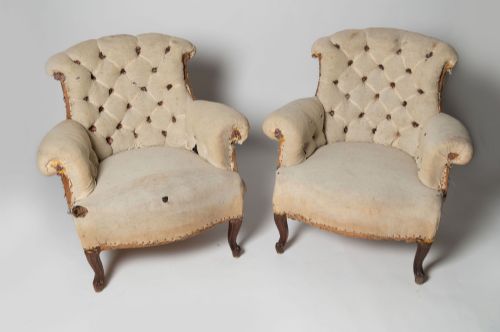
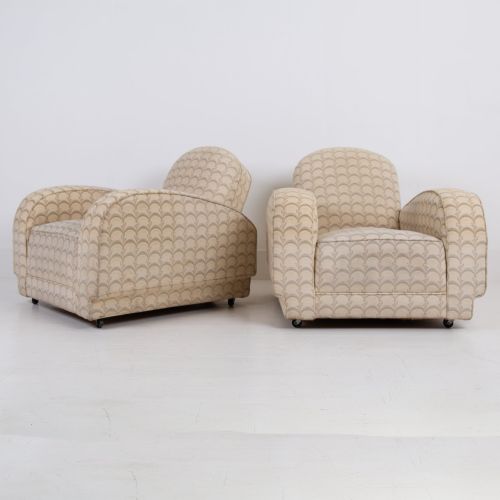
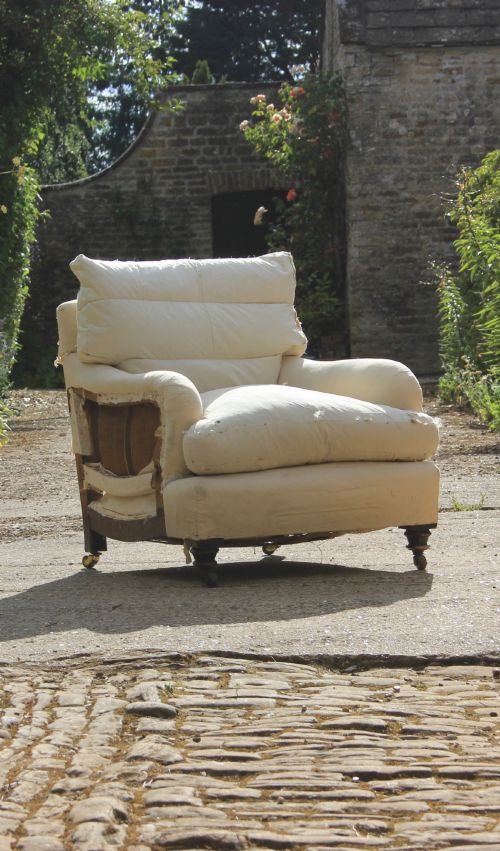
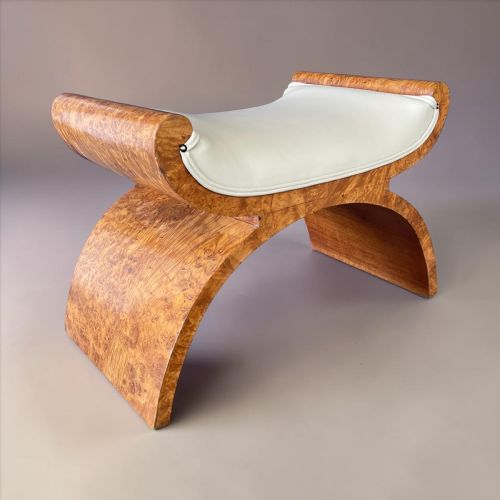
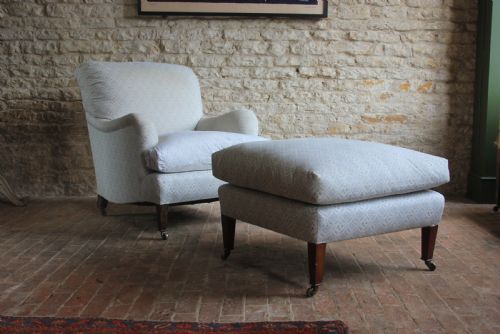
When searching for a vintage upholstery chair, buyers encounter a diverse range of seating forms spanning the nineteenth and twentieth centuries. The selection here leans heavily towards nineteenth-century French armchairs, Edwardian wingbacks, and art deco club chairs.
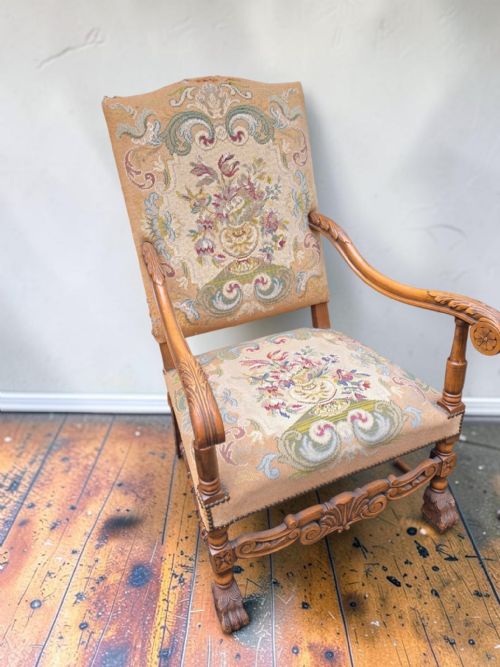
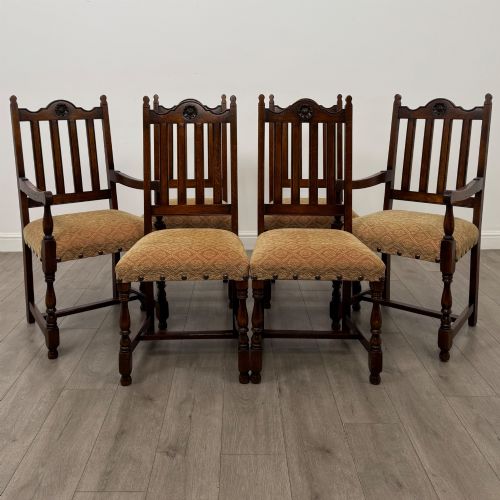
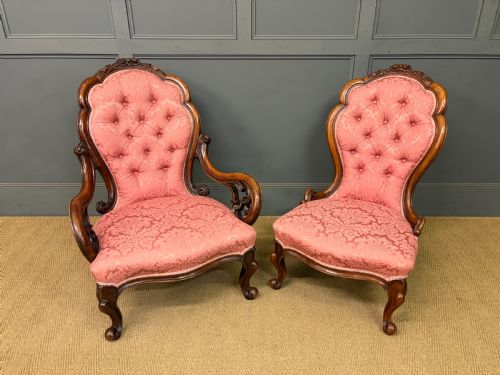
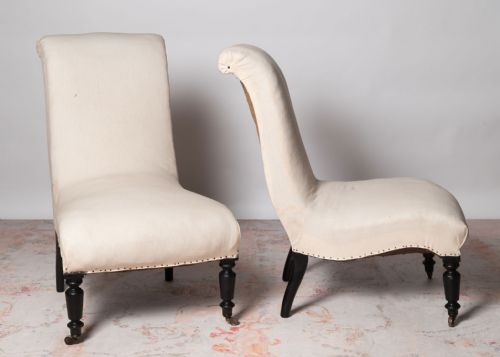
Beyond standard armchairs, the inventory includes dining chairs, slipper chairs, nursing chairs, daybeds, settees, and rocking chairs. Frames range from substantial walnut and mahogany to painted and gilded woods, often paired with calico, velvet, tapestry, or needlework covers.
Materials and construction
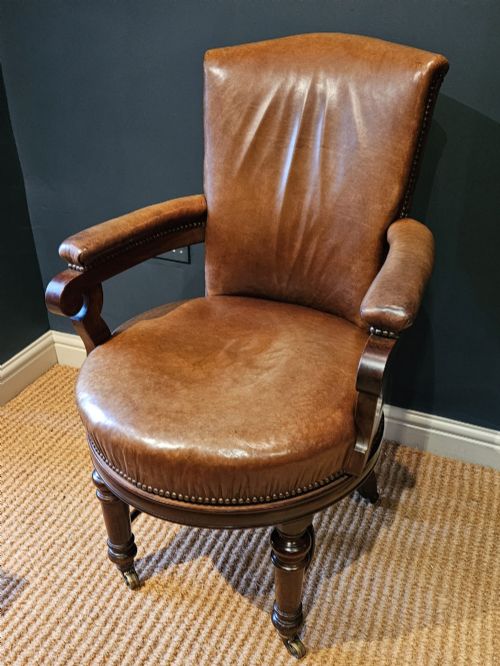
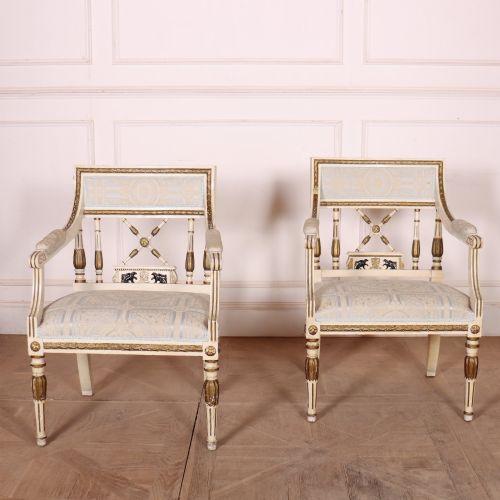
Frames rely on sturdy timbers such as walnut, mahogany, oak, and rosewood, sometimes enhanced with carved details or parcel gilding. Supporting structures utilise traditional materials like brass, hessian, and webbing to sustain the interior stuffing.
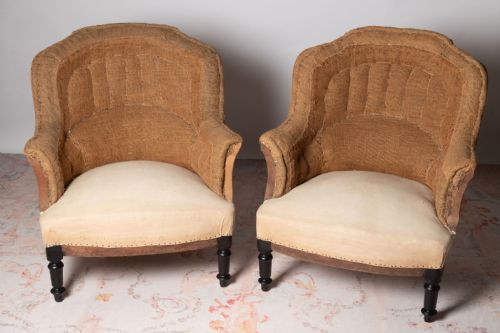
Upholstery techniques involve durable foundation layers covered in tactile fabrics including velvet, calico, tapestry, and needlework. Exposed wood elements showcase period joinery and hand-carved ornamentation appropriate to styles from Victorian to art deco.
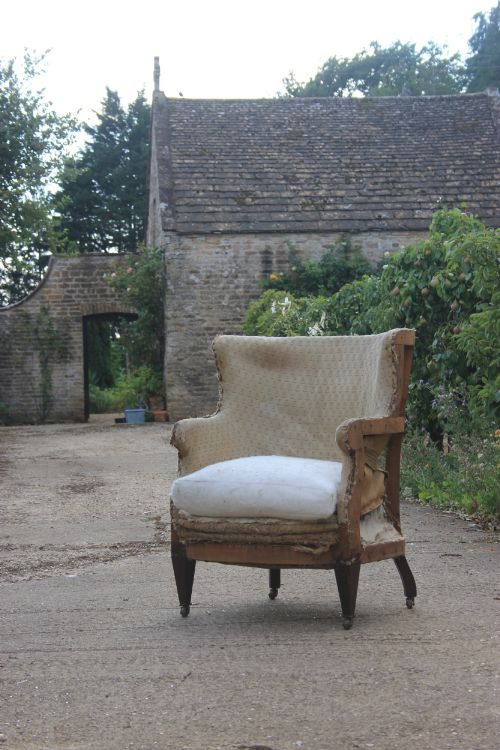
One Edwardian barrel back is described simply as very cute, offering a delightful contrast to heavy Victorian library seating.
Assessing quality and execution
Quality rests in the integrity of the timber frame and the precision of the carving or turning. Solid walnut or mahogany frames with crisp detailing demonstrate superior craftsmanship compared to simpler or more utilitarian structures.
The standard of upholstery preparation also distinguishes pieces, particularly where frames are stripped, restored, and recovered in appropriate period textiles. Original design attribution, such as work associated with notable makers, elevates a piece further.
Howard And Sons·Harry and Lou Epstein·Heals
The Vintage Upholstery Chair Glossary
- Fauteuil
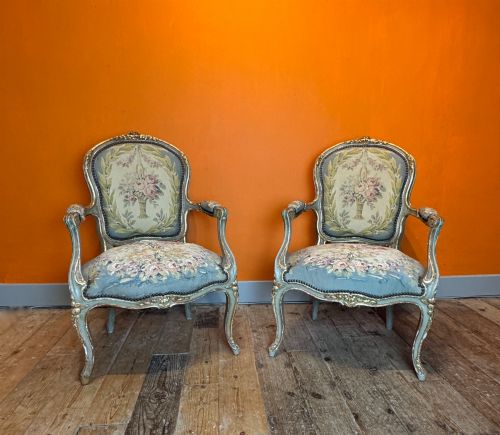
- An open-framed upholstered armchair originating in France, typically featuring exposed carved wood arms and legs. These pieces reflect specific stylistic periods like Louis XVI and Napoleon III.
- Wingback
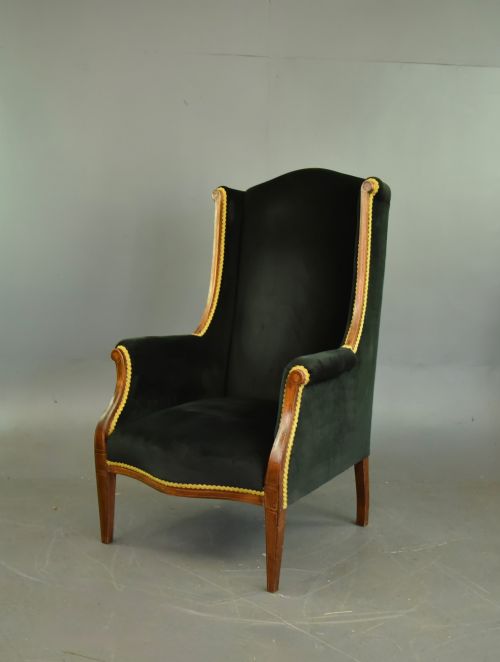
- An armchair with high back panels designed to shield the sitter from draughts. Edwardian and Victorian iterations frequently incorporate deep buttoning or scrolled arms.
- Tapestry
- A heavy hand-woven or machine-woven fabric used historically to cover seat backs and cushions. Needlework variants often feature floral or figurative pastoral scenes.
- Calico
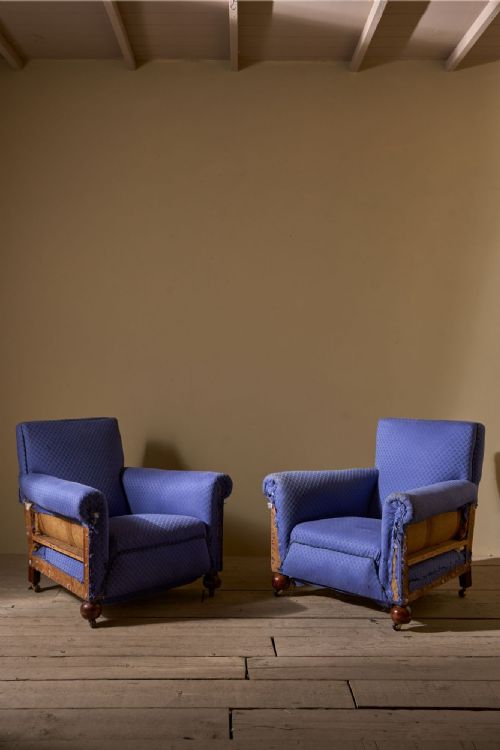
- A plain-woven cotton fabric utilised as an under-upholstery layer or a base cover. Many pieces are sold in calico, ready for final top-covering.
- Hessian
- A coarse woven fabric made from jute fibres, traditionally employed in upholstery for webbing and internal padding support. It provides foundational tension beneath the outer textile.
Vintage Upholstery Chair: Frequently Asked Questions
What periods do these chairs cover?
The pieces span from the eighteenth century through the Victorian and Edwardian eras into the 1920s and 1930s art deco period.
Buyers will find nineteenth-century French designs alongside twentieth-century English country house styles and revival pieces.
How do I choose between different frame styles?
Consider the room layout and desired aesthetic, choosing between carved walnut armchairs, streamlined art deco club chairs, or intimate nursing chairs.
Exposed wood frames offer architectural presence, while fully upholstered styles prioritise soft contours and comfort.
Are chairs sold ready for re-upholstery?
Several listings specifically note that chairs are prepared in calico or offered for upholstery, allowing buyers to select their own top fabric.
Other examples arrive fully restored and covered in historical velvet, tapestry, or leather.
What timber types are most common?
Walnut and mahogany appear frequently across Victorian and Edwardian frames, alongside oak and rosewood in dining sets.
Some continental pieces feature painted and parcel gilded surfaces or bentwood construction.