





Stud Trim Armchair
A stud trim armchair offers substantial seating rooted in period craftsmanship, bringing both traditional character and structural presence to a room.
Stud Trim Armchair
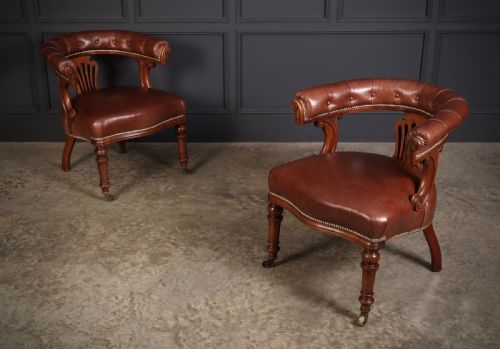
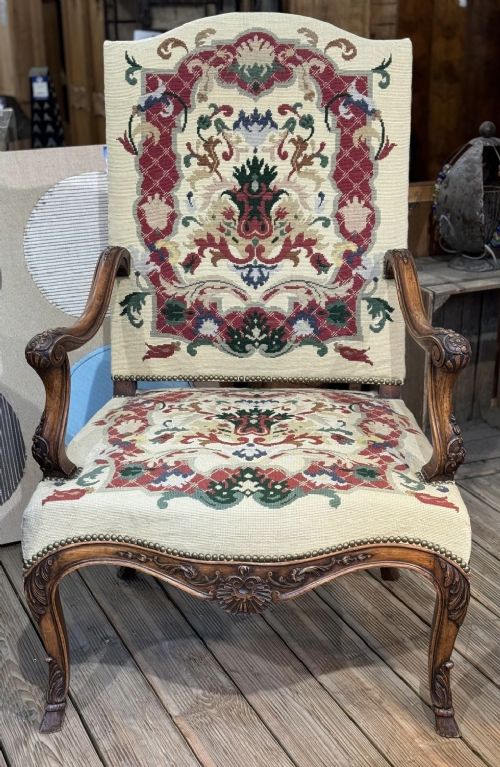
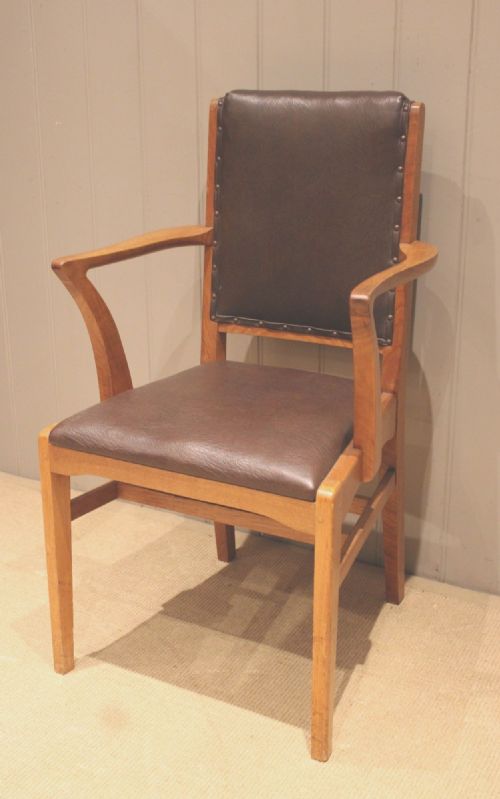
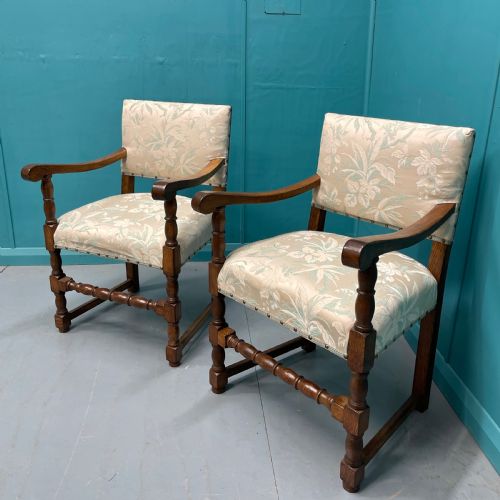
When searching for a stud trim armchair, buyers encounter seating defined by exposed metallic fasteners securing upholstery edges to wooden frames. These pieces span several eras, encompassing Georgian designs through to Victorian and early twentieth-century interpretations.
Makers adapted these chairs for diverse settings, including studies, music halls, and formal sitting rooms. The integration of brass or metal studs provides both a decorative border and a practical method of securing heavy fabric or leather coverings.
How they were made
Cabinetmakers utilised sturdy hardwoods such as mahogany, walnut, and oak to construct the primary frames of these armchairs. These timbers provided the necessary structural integrity to support deep upholstery and regular daily use.
Upholsterers applied durable leather, needlepoint, or woven upholstery fabrics directly to the frames, securing the materials with individual brass studs driven in sequence along the borders. This method fastened the layers securely while adding a refined metallic outline to the silhouette.
Object types on this page comprise both general armchairs and dedicated desk chairs.
What varies in quality
Quality in these armchairs rests upon the selection and retention of timber in the frame, where denser hardwoods maintain structural stability over centuries of use. The execution of the woodwork, from carved details to joint construction, distinguishes standard production from superior craftsmanship.
The handling of the upholstery and the regularity of the stud work also mark the hierarchy of pieces. Finely spaced, hand-driven brass studs demonstrate meticulous attention to detail that elevates a functional seat into a piece of fine furniture.
The Stud Trim Armchair Glossary
- Stud trim
- The arrangement of small decorative nails or tacks driven along the edges of upholstery to secure fabric and hide seams. This detail appears frequently on traditional leather and upholstered seating.
- Wing back
- An armchair style featuring protective side panels attached to the arms and back to block drafts and retain warmth. Georgian and Victorian makers favoured this form for fireside seating.
- Captain's chair
- A sturdy wooden armchair, often featuring a rounded spindle back and sometimes mounted on a swivel base or used at a desk. These chairs combine ergonomic support with robust joinery.
- Elbow chair
- A traditional term for an armchair with shorter arms designed to fit neatly beneath a table or desk. They offer compact seating without sacrificing arm support.
Stud Trim Armchair: Frequently Asked Questions
What periods do these armchairs come from?
The listings span several distinct eras, beginning with Georgian pieces from the eighteenth century and extending through Victorian examples and early twentieth-century designs.
Craftsmen across these periods utilised traditional joinery and materials like mahogany, walnut, and oak to build durable seating.
How were stud trim armchairs used?
These armchairs served various functional roles in historical interiors, functioning as desk chairs in studies, fireside seating in sitting rooms, and formal chairs in public venues.
The sturdy construction and upholstered frames provided comfort and support for prolonged periods of sitting.
What materials make up the frames?
Makers constructed the underlying frames primarily using dense hardwoods such as mahogany, walnut, and oak. These woods offered the strength required to support heavy upholstery and active daily use.
Surfaces often retained the natural grain of the timber, sometimes enhanced with carved details or polished finishes.