
Vintage Upholstered Ottoman
A vintage upholstered ottoman brings tactile warmth and period character to a room, offering a versatile surface for seating or resting feet.
Vintage Upholstered Ottoman
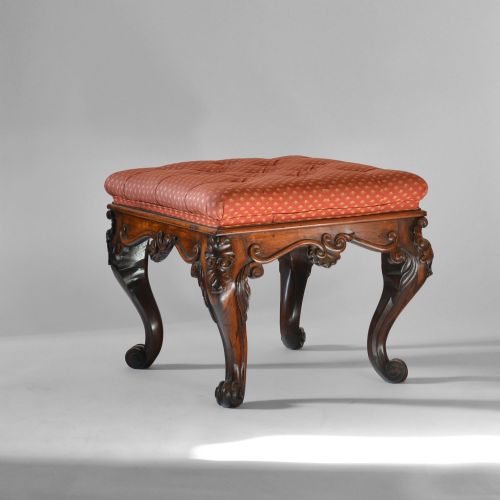
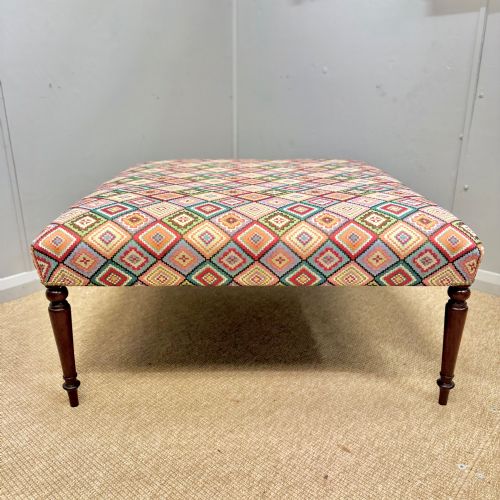
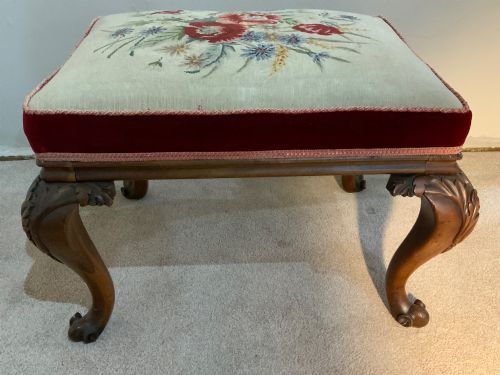
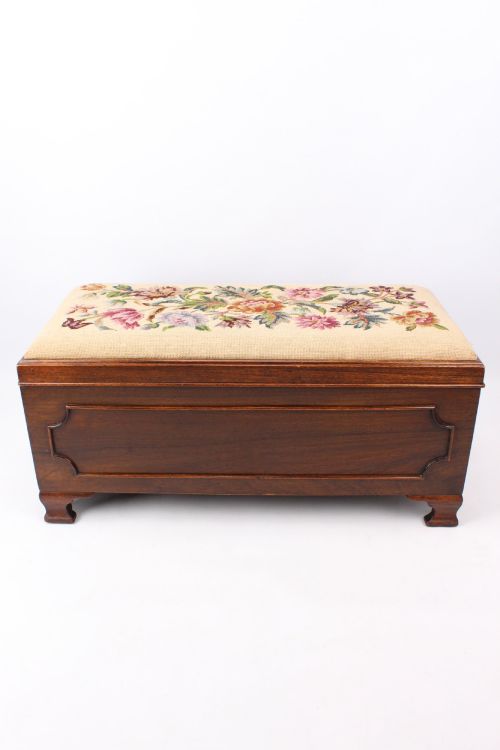
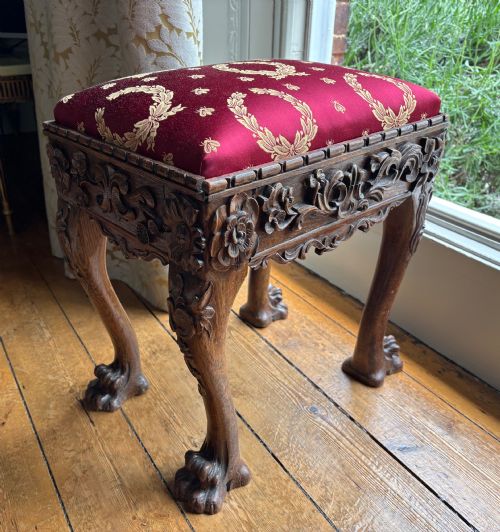
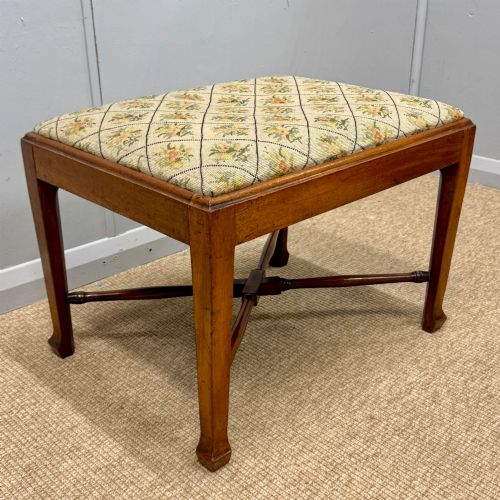
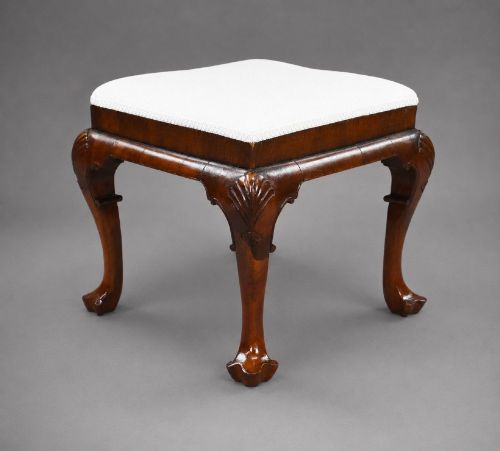
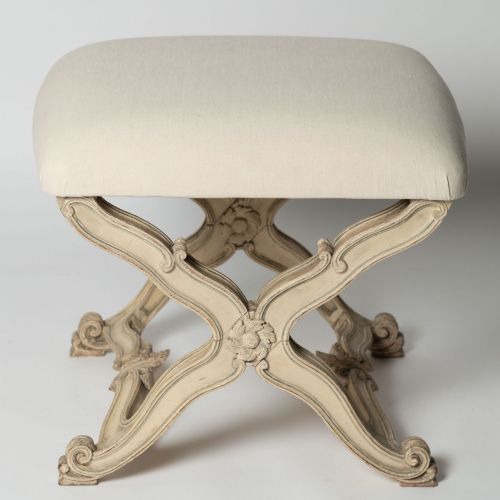
When you search for a vintage upholstered ottoman, you encounter a varied selection of low seating and footrests spanning the nineteenth and twentieth centuries. These pieces appear in forms ranging from compact dressing table stools to large square footstools and drum-shaped storage pieces.
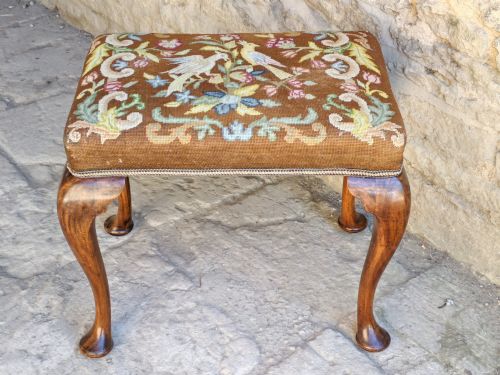
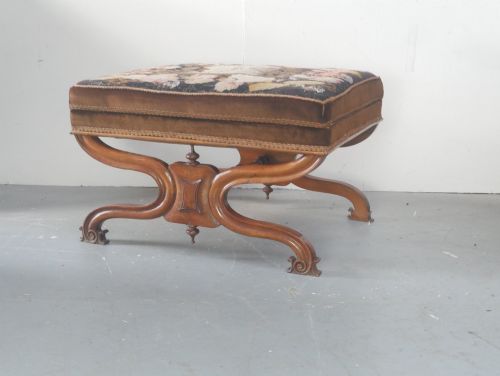
The selection on this page leans heavily into Victorian and Edwardian examples alongside Art Deco designs from the nineteen-thirties. Walnut and mahogany frame woods predominate, supporting textile, leather, tapestry, and needlepoint covers.
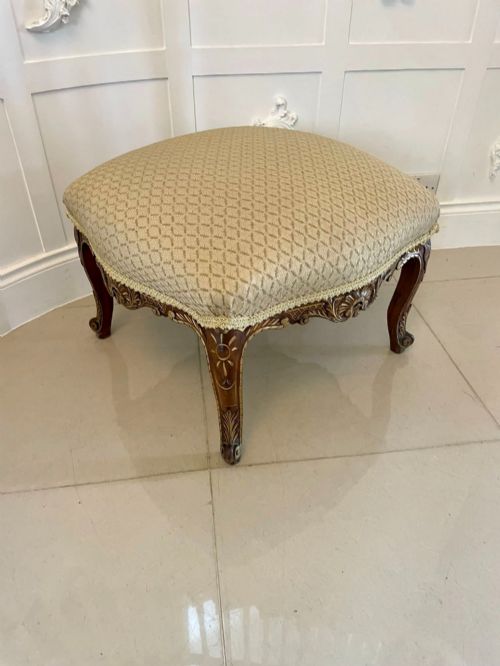
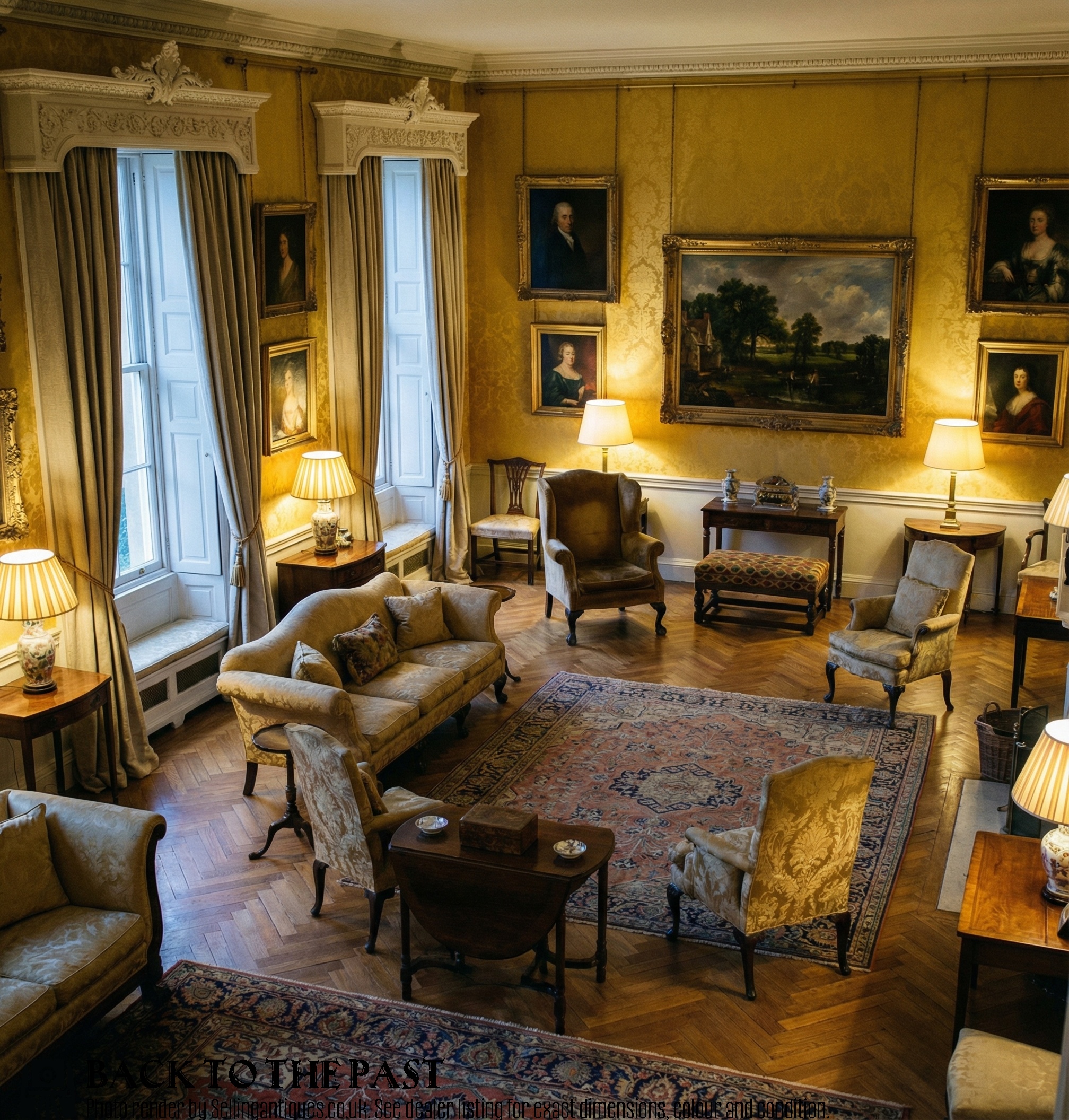
Revival styles surface frequently among these listings, drawing on Queen Anne, Chippendale, and French aesthetic traditions. Buyers often select these functional items to anchor a room or complement existing period armchairs and fireside seating.
Construction and materials
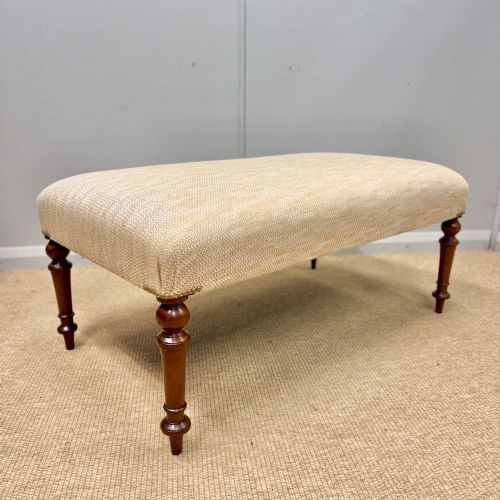
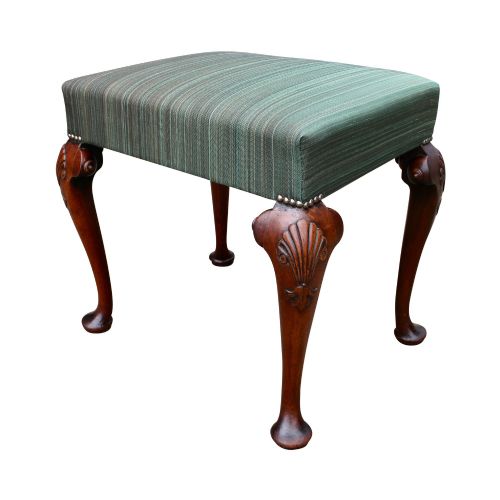
Makers constructed these frames predominantly from solid hardwoods such as walnut and mahogany, occasionally employing beech, oak, or exotic rosewood. Turnings, carvings, and cabriole legs give structural definition to the wooden bases.
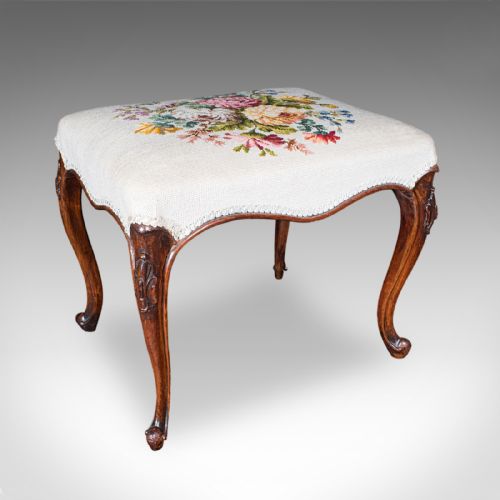
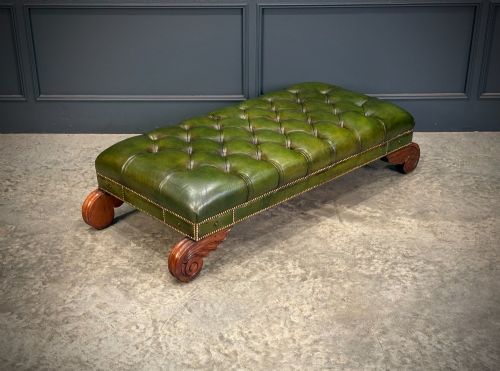
Upholstery methods rely on traditional fabric coverings, wool needlepoint, tapestry, or buttoned leather. Brass details and gilt finishes appear on specific French and Victorian stylistic variants.
Listings span the nineteenth century through the nineteen-thirties, featuring mahogany, walnut, brass, and leather across diverse revival styles.
Assessing quality and craftsmanship
Quality rests in the crispness of the timber carving and the structural integrity of the frame joints. Denser hardwoods and substantial joinery indicate superior workshop production.
The choice and execution of the textile covering, whether patterned needlepoint, herringbone fabric, or supple leather, dictate the visual refinement of the finished piece.
Harry and Lou Epstein·Howard and Sons
The Vintage Upholstered Ottoman Glossary
- Needlepoint
- A type of counted thread embroidery stitched onto a canvas mesh. Victorian footstools frequently utilise this material for decorative top surfaces.
- Cross stretcher
- Wooden rails connecting the legs near the base to provide stability and structural support. They appear frequently on walnut and mahogany dressing stools.
- Giltwood
- Timber treated with gold leaf or a gold-coloured metallic finish. French style stools often employ this decorative surface treatment.
- Ottoman
- A low upholstered seat or footstool without a back or arms. Many examples incorporate interior storage beneath the lid.
Vintage Upholstered Ottoman: Frequently Asked Questions
How were vintage ottomans used?
These pieces served multiple domestic functions, operating primarily as footrests beside firesides or as low seats at dressing tables. Versions with hinged lids provided concealed storage for textiles or small household items.
Larger square variants also functioned as centre stools within grander reception rooms. Their modest height made them adaptable for casual seating across various living spaces.
How do I identify a Victorian footstool?
Victorian examples typically feature dark timbers like walnut or mahogany combined with heavy carved details or cabriole legs. Upholstery choices often include hand-worked needlepoint, tapestry, or wool textiles.
Earlier nineteenth-century pieces often display restrained classical lines, whereas later Victorian items embrace ornate carving and bolder upholstery patterns.
Are Art Deco ottomans different?
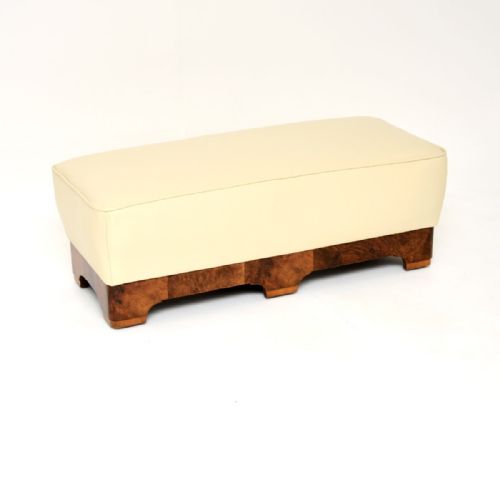
Art Deco pieces from the nineteen-thirties favour streamlined geometric forms, burr walnut veneers, and birds-eye maple. Designers frequently integrated drum shapes with practical storage compartments.
Leather upholstery and smooth wooden surfaces replace the fussy textiles and elaborate carvings seen on earlier Victorian and revival pieces.
How do I live with an antique stool?
Place a low footstool in front of an armchair to create a functional and visually balanced reading corner. Their compact footprint allows them to move easily between rooms as extra seating when guests arrive.
Protect period fabrics from direct sunlight to preserve the colours of wool needlepoint and textile covers. Regular dusting keeps the polished mahogany and walnut frames in sound condition.