


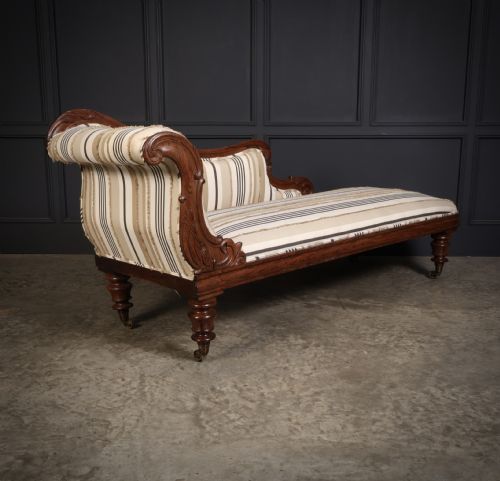


Vintage Upholstered Chaise
These vintage upholstered chaise pieces span the nineteenth century to nineteen twenty, offering classic reclining day beds and chaise longue forms for the home.
Vintage Upholstered Chaise
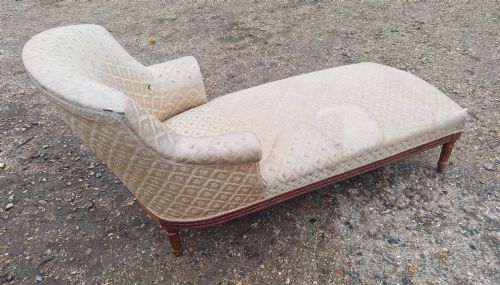
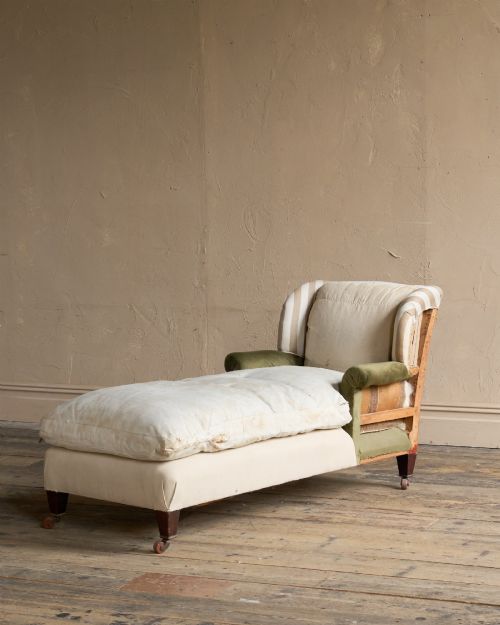
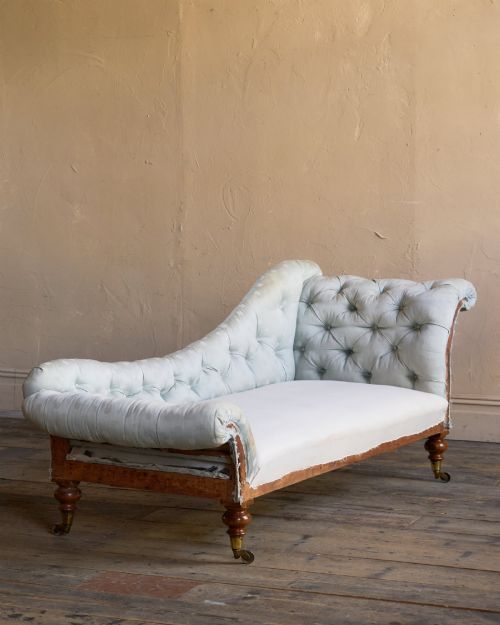
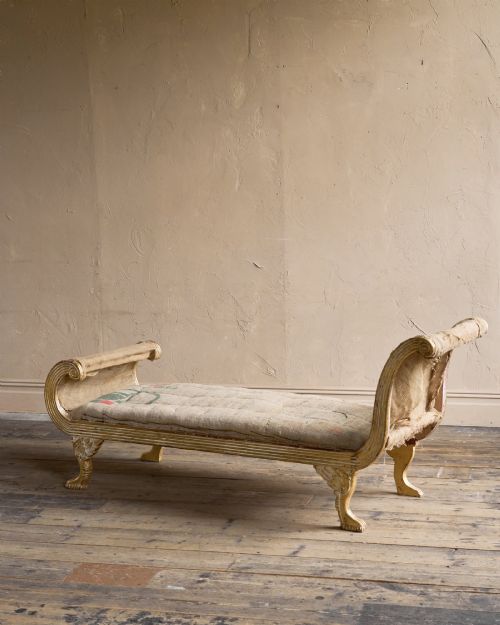
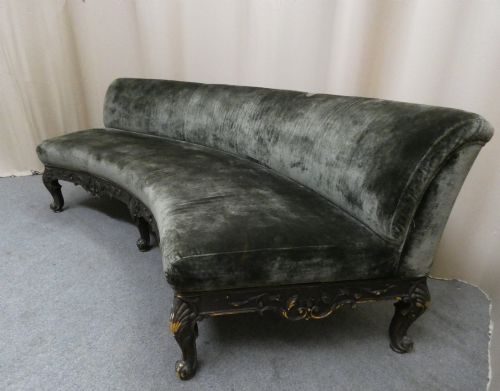
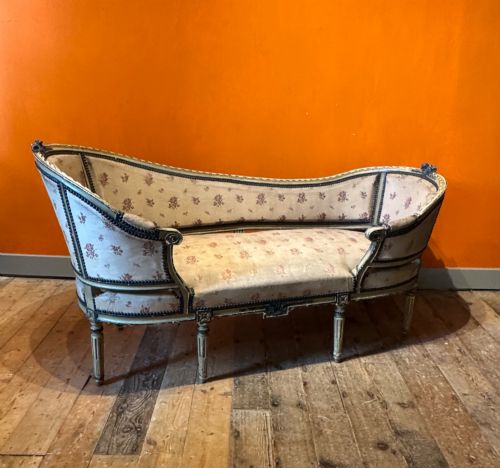
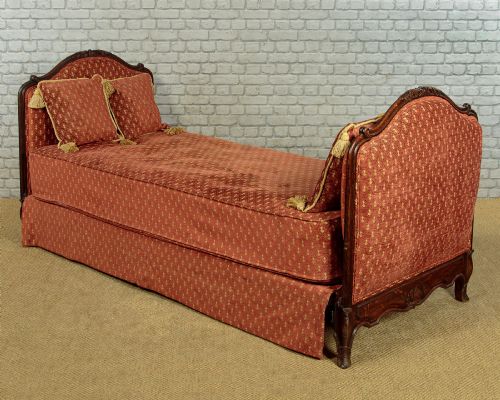
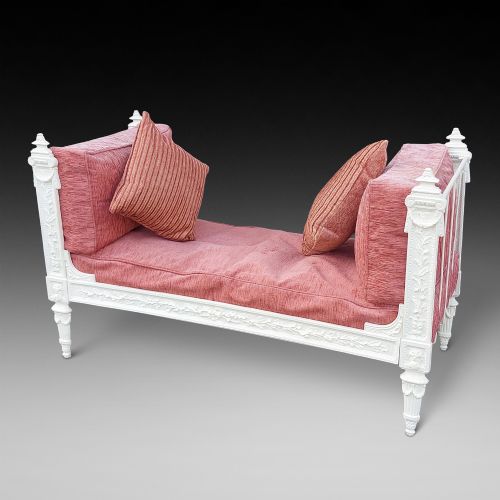
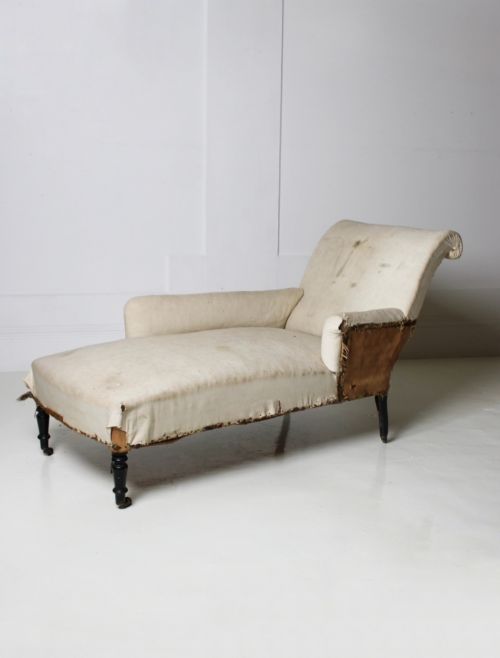
A vintage upholstered chaise combines the function of a sofa and a bed, designed for reclining in day rooms and drawing rooms. When searching for a vintage upholstered chaise, buyers encounter forms ranging from nineteenth century daybeds to Edwardian and Victorian chaise longue designs.
The selection includes specific regional influences such as French Chateau and French Provincial styles alongside Regency and William IV iterations. Many examples feature exposed timber frames in mahogany, rosewood, oak, or cast iron.
Makers such as Howard and Sons, Jas Shoolbred, and Hampton & Sons appear among the pieces. Forms vary from simple box ottomans and window seats to ornate Louis XV sleigh beds and Chesterfield chaise designs.
Materials and construction methods
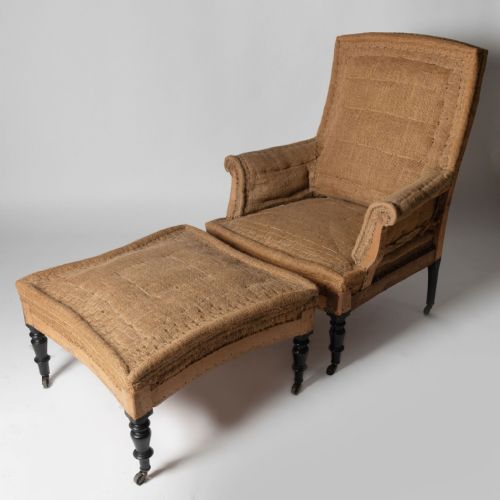
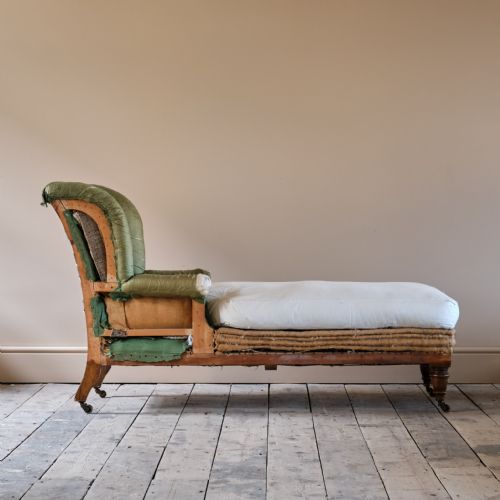
Frames rely on solid timbers including mahogany, rosewood, oak, and timber, sometimes augmented by cast iron or brass fittings. Turned legs often terminate in original castors for mobility.
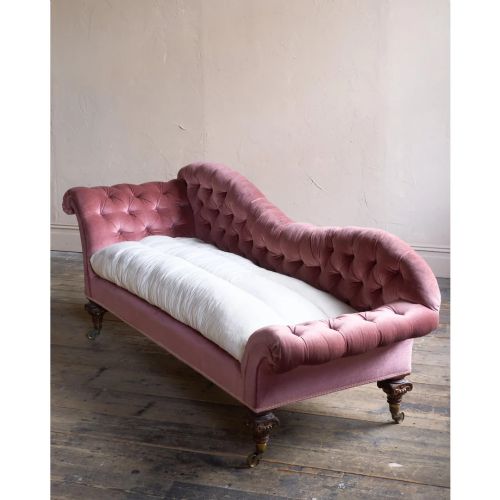
Upholstery relies on traditional fabrics such as velvet, calico, and various upholstery textiles, frequently finished with buttoning or gilt decoration.
Vintage Upholstered Chaise Retail Price Guide 2026
Typical asking prices for vintage upholstered chaise among the pieces listed under this phrase on Sellingantiques today, from the lower quarter to the upper quarter. They describe what is for sale here now, not the wider market.
Listings feature items spanning the nineteenth century, Victorian era, Regency period, and nineteen twenty.
Quality variations in frames and upholstery
Construction quality depends on the solidity of the timber frame, whether rosewood, mahogany, or oak, and the complexity of carved details such as Ionic column legs or bobbin turnings. Maker attribution to firms like Gillows or William Birch influences the standing of a piece.
The standard of upholstery materials, from plain calico to rich velvet and buttoned finishes, dictates the visual and tactile refinement of the daybed.
Howard and Sons·Jas Shoolbred·William Birch·Hampton & Sons
The Vintage Upholstered Chaise Glossary
- Chaise Longue
- A long chair for reclining, structurally halfway between a chair and a sofa. These pieces allow a person to sit with their legs extended.
- Daybed
- A couch that can be used as a seat during the day and a bed for resting. This form appears frequently across nineteenth and early twentieth century examples.
- Regency
- A British design style dating from the early nineteenth century, characterised by classical revival motifs and elegant proportions.
- William IV
- A British architectural and furniture style from the second quarter of the nineteenth century, known for heavy, robust classical forms.
- Louis XV Style
- A revival style inspired by French rococo design, featuring curved lines and ornate decorative carving.
Vintage Upholstered Chaise: Frequently Asked Questions
How do I identify a Regency chaise?
Regency pieces often display classical mahogany frames dating from around eighteen twenty-five, reflecting the furniture design trends of the early nineteenth century.
Look for clean lines and stylistic connections to makers of that period.
What is a Howard style daybed?
Howard style daybeds originate from the renowned firm known for deep-sprung comfort and refined upholstery. These pieces date around nineteen hundred and reflect high Victorian and Edwardian manufacturing standards.
They combine robust internal frames with luxurious exterior fabrics.
Where were chaise longues placed?
Historically, these reclining seats belonged in grand drawing rooms, boudoirs, or country house day rooms. They provided a comfortable spot for daytime resting without retiring to a bedroom.
Today, they serve a similar decorative and functional role in living spaces.
How do Victorian and Edwardian chaises differ?
Victorian examples tend to use rich rosewood or mahogany with ornate carving, buttoned velvet, and heavy frames. Edwardian pieces often utilise lighter solid oak frames and simpler lines.
Both periods prioritise comfortable reclining upholstery.