


Carved Walnut Daybed
A carved walnut daybed offers deep reclining comfort, combining timber warmth with period presence.
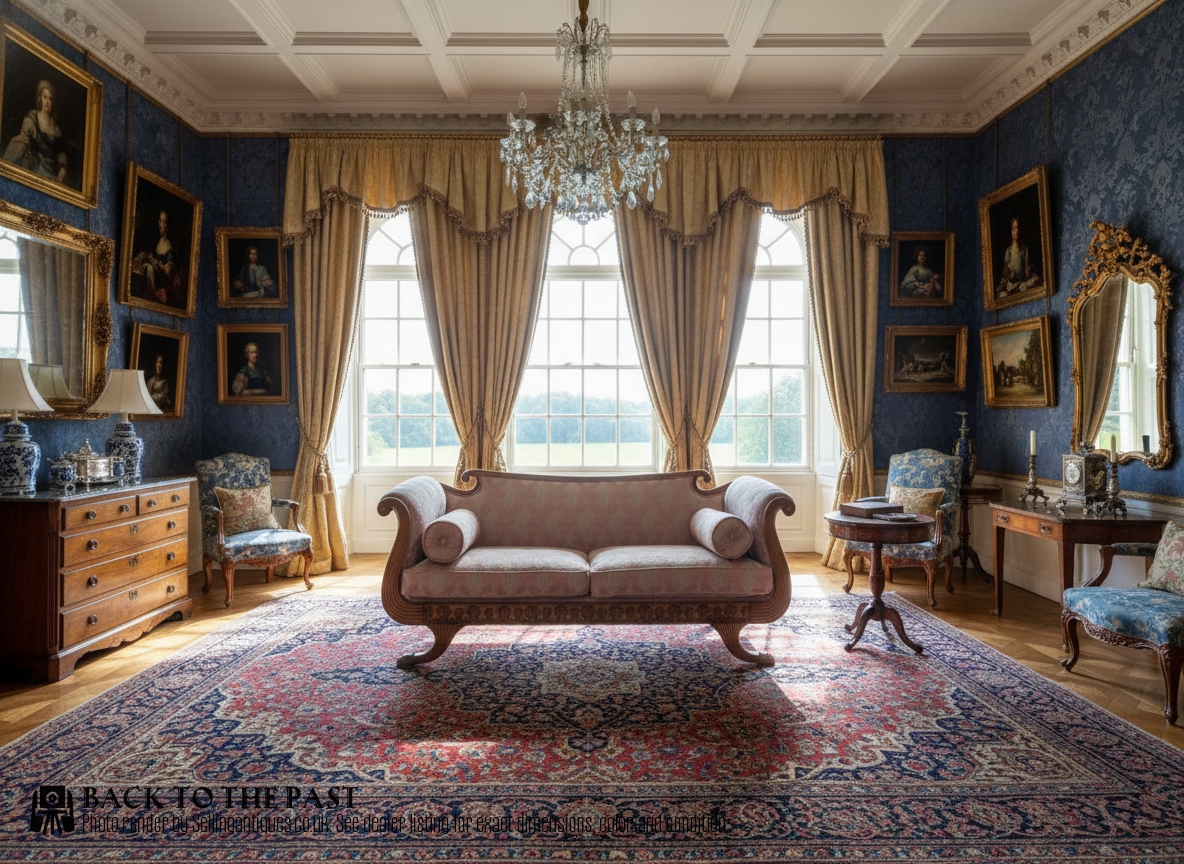
Carved Walnut Daybed
A carved walnut daybed provides structured lounging through various historical forms, uniting timber frames with upholstered or caned surfaces. You encounter pieces spanning the nineteenth century through the early twentieth century, reflecting diverse aesthetic revivals.
The selection here encompasses specific regional interpretations, featuring French Louis styles, Regency designs, and Victorian creations. Formats range from traditional daybeds and chaise longues to window seats and settees.
Walnut dominates the construction of these frames, often paired with cane, fabric, brass, and giltwood details. Pieces adapt readily to modern interiors while retaining their historical character.
How they were made
Craftsmen shaped dense walnut timber to form structural frames, applying intricate manual carving to crest rails, legs, and arm supports. Selected pieces integrate applied elements such as giltwood highlights or bespoke brass fittings.
Seating areas utilise cane panels or traditional textile upholstery, including velvet and general fabric coverings. Frames often incorporate internal joinery suited to the pressures of daily reclining and sitting.
Thomas Hope lent his name to a walnut day bed from eighteen-ten, proving that designers sometimes get immortalised in marketplace search terms.
What varies in quality
The crispness of the carved walnut detail distinguishes standard work from finer output, showing the hand of the maker in deep, clean lines. Timber selection also matters, as well-figured grain enhances the visual weight of the frame.
Structural integrity depends on the preservation of the original joinery within the walnut framework. Upholstery standard and the preservation of original cane work further separate representative examples from exceptional ones.
The Carved Walnut Daybed Glossary
- Chaise longue
- An elongated chair designed for reclining, featuring an upholstered backrest and a single raised end.
- Bergere
- An enclosed armchair or sofa design featuring wooden framing and woven cane panels on the sides and back.
- Giltwood
- Wood coated with a thin layer of gold leaf or metallic gilt, used to accentuate carved details.
- Cane
- Woven material made from peeled rattan palms, utilised for flexible and decorative seat or back panels.
- Boulle inlay
- A decorative technique employing tortoiseshell and brass marquetry, applied to furniture surfaces.
Carved Walnut Daybed: Frequently Asked Questions
Where should I place a daybed?
A daybed suits a spacious bedroom, a reading corner, or a generous hallway where its profile can be appreciated from multiple angles. It provides both a seating option and a place to recline during the day.
Keep the piece away from direct sunlight and strong heat sources to protect the walnut timber and the surrounding fabric upholstery from fading or drying out.
How do I clean walnut frames?
Dust the carved walnut framework regularly with a soft, dry cloth to prevent dirt accumulation in the recessed carving. Avoid using harsh chemical sprays or excess water on the timber.
Apply traditional beeswax occasionally to nourish the walnut and maintain a gentle sheen across the carved surfaces.
Are these pieces comfortable?
Comfort depends on the internal padding and the angle of the backrest, which varies between formal Regency designs and relaxed Victorian chaise longues. Many pieces offer supportive reclining positions suitable for reading.
Some examples feature newly updated upholstery that provides firmer support compared to historical padding.
How do I identify a Victorian daybed?
Victorian daybeds typically feature darker walnut frames with robust proportions, curved backrests, and deep buttoned or plain upholstery. They reflect the revival styles popular during the nineteenth century.
Look for characteristic turned or carved wooden legs and heavy structural framing typical of the period.