

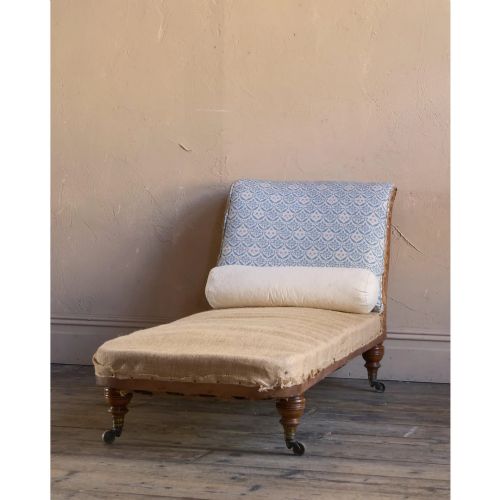
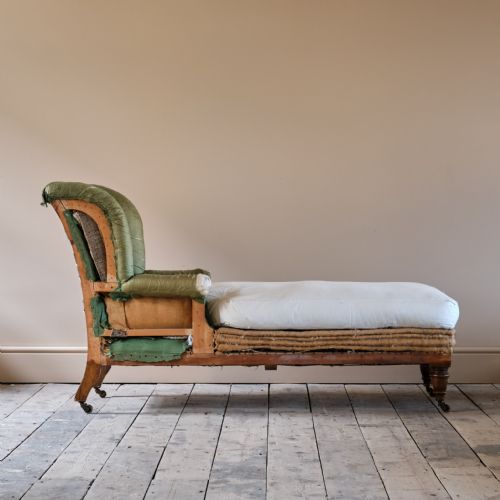


Walnut Daybed
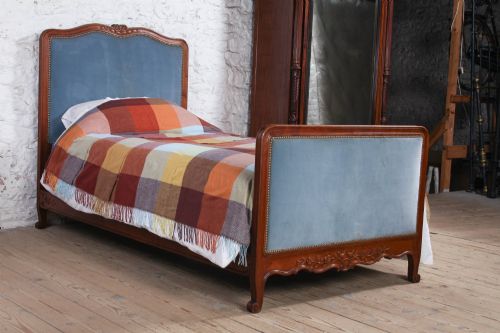
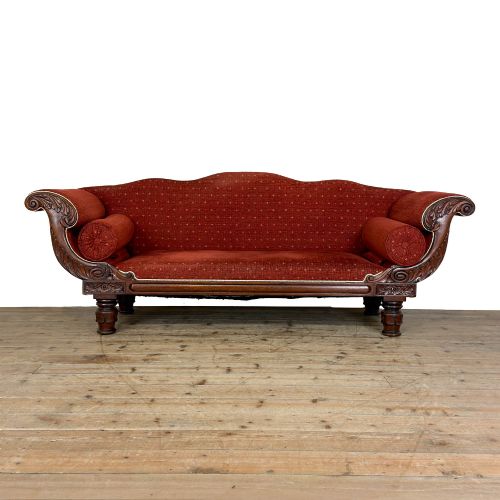
These walnut daybed examples combine practical daytime lounging with striking timber frames spanning the Victorian and Regency periods.
Walnut Daybed
A walnut daybed serves as a versatile seating and resting form, appearing in records as chaise longues, settees, and window seats. Pieces frequently date from the 19th century, Victorian era, and around 1900, reflecting diverse domestic requirements across formal and country settings.
The selections span distinct historical iterations, including French styles like Louis XV and Rococo alongside Regency and Edwardian designs. Buyers encounter varying configurations from open cane bergere frames to fully upholstered sleepers.
Makers and workshops utilised rich timber alongside brass fittings and intricate inlay work to construct these resting places. The forms range from reclining deck chairs and single beds to grand salon couches.
How they were made
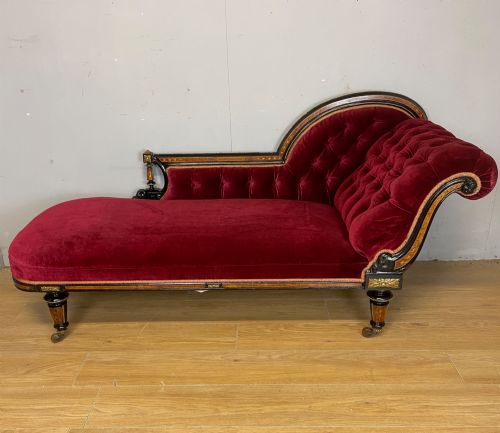
Construction relies heavily on solid walnut timbers, sometimes ebonised or accented with contrasting inlaid walnut panels and cast brass or ormolu mounts. Frames often feature traditional joinery to support extended seating lengths and reclining mechanisms.
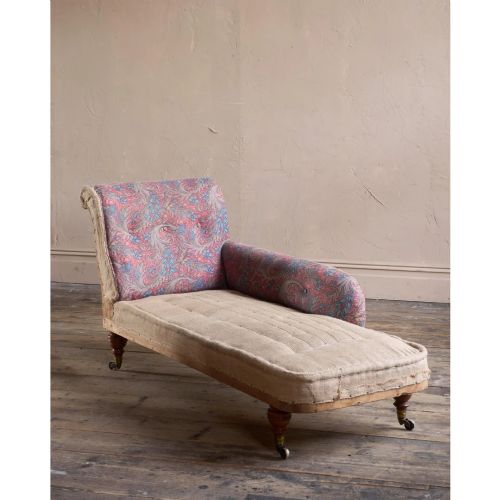
Upholstery methods incorporate traditional textile applications, using velvet, fabric, hessian, and cane panels fitted tightly into wooden grooves. Caned surfaces demand careful weaving around curved frames, while upholstered versions rely on heavy spring and stuffing assemblies.
Walnut Daybed Retail Price Guide 2026
Typical asking prices for walnut daybed among the pieces listed under this phrase on Sellingantiques today, from the lower quarter to the upper quarter. They describe what is for sale here now, not the wider market.
Listings feature walnut frames paired with diverse materials including velvet, cane, brass, and ormolu across the nineteenth and early twentieth centuries.
What varies in quality
The refinement of the timber carving and the precision of the joinery set the baseline for each piece. Finer examples display crisp mouldings and integrated decorative elements such as Boulle inlay or metal mounts.
The integrity of the structural frame and the condition of integrated elements like cane work or specialised reclining hardware determine the overall execution. Higher quality versions maintain original timber patination alongside robust underlying construction.
Howard and Sons
The Walnut Daybed Glossary
- Bergere
- An enclosed armchair or sofa with upholstered or caned back and sides, commonly set in a wooden frame. These provide a lighter visual weight compared to fully padded couches.
- Chaise longue
- An upholstered sofa in the shape of a chair that is long enough to support the user's legs. This form dominates nineteenth-century reclining seating options.
- Ormolu
- Gilded bronze applications mounted onto wooden furniture surfaces for decoration. This technique adds metallic contrast to dark walnut timbers.
- Boulle inlay
- A decorative technique using marquetry of tortoiseshell and brass embedded into timber surfaces. It appears on revival pieces to emulate seventeenth-century luxury.
- Regency
- A British design period spanning the early nineteenth century characterised by classical revival influences. Pieces from this era emphasise clean architectural lines and archaeological motifs.
Walnut Daybed: Frequently Asked Questions
What is a walnut daybed?
A walnut daybed is a multifunctional piece of furniture designed for reclining and seating, constructed primarily from walnut wood. These items encompass varied historical forms such as chaise longues, window seats, and day beds.
They bridge the gap between a sofa and a bed, intended for daytime resting rather than primary night-time sleeping. The wooden framework remains visible, defining the aesthetic character of the piece.
How do I date a walnut daybed?
Dating relies on examining stylistic cues, wood finishing techniques, and construction methods associated with periods like the Victorian era, Regency, or early 1900s. Fashions in upholstery and frame carving shifted from heavy Victorian padding to lighter Edwardian or French Provincial lines.
Hardware elements, such as brass or ormolu mounts, also offer chronological markers. Comparing the structural joinery to known period examples helps confirm the era of manufacture.
Where were walnut daybeds used?
These pieces traditionally furnished drawing rooms, boudoirs, bedrooms, and country house garden spaces for daytime relaxation. Their dual purpose made them popular in large domestic interiors where residents required casual seating during daylight hours.
Window seats and chaise longues specifically catered to viewing landscapes or resting in private sitting rooms. They were placed where residents could comfortably read or converse without retiring to a full bed.
How do I care for a walnut daybed?
Caring for these items involves protecting the walnut timber from direct sunlight and maintaining stable indoor humidity levels to prevent wood cracking. Dusting the wooden frames regularly with a soft cloth preserves the original polish and surface patination.
Upholstered sections and cane panels require gentle vacuuming with a brush attachment. Professional restoration should be sought for fragile textiles or intricate inlay work.