
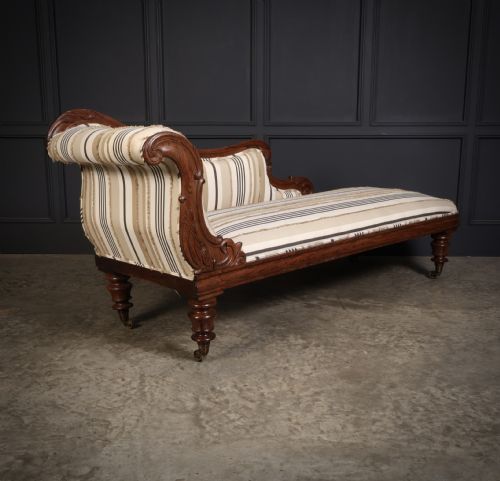


Antique Recamier Couch
An antique recamier couch brings classic nineteenth century elegance to a room, offering a sculptural silhouette designed for reclining.
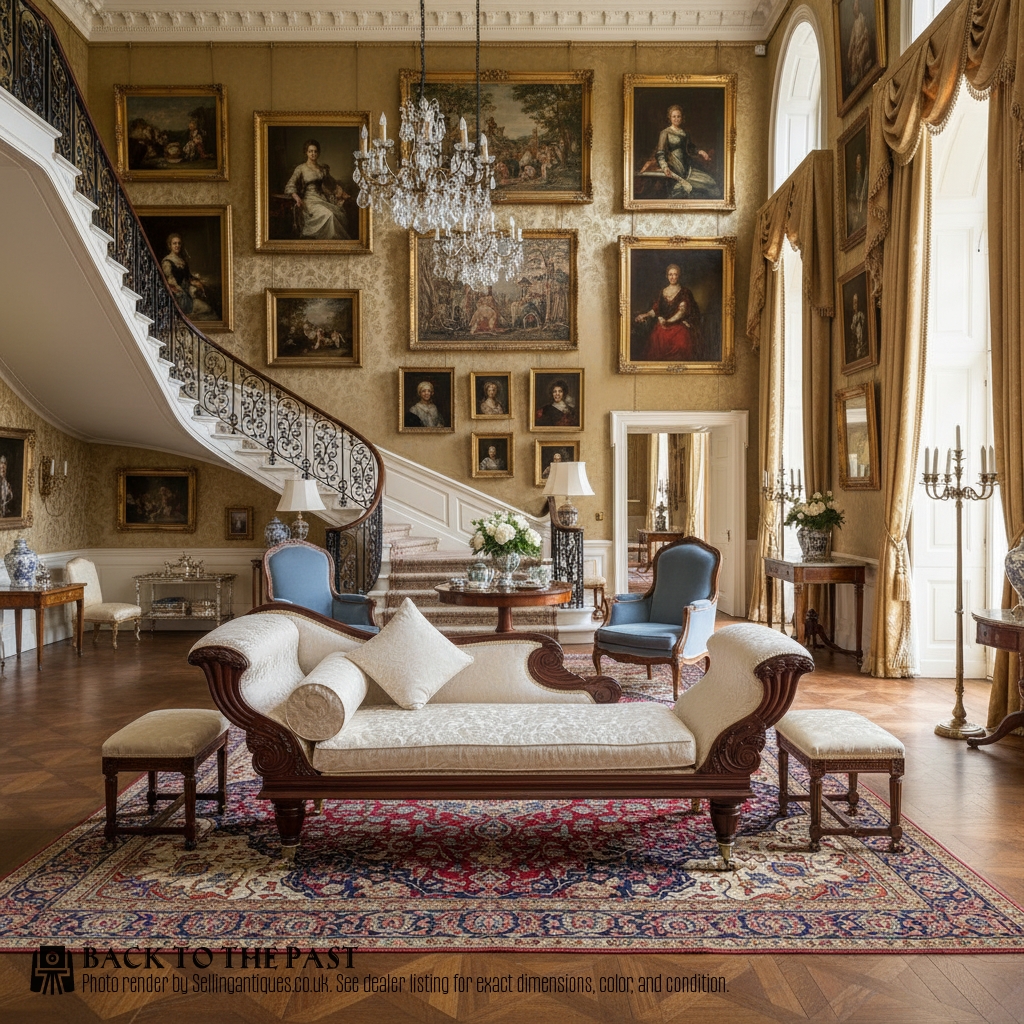
What an antique recamier couch is
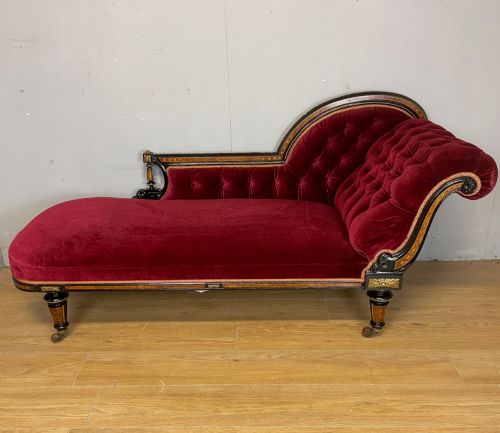
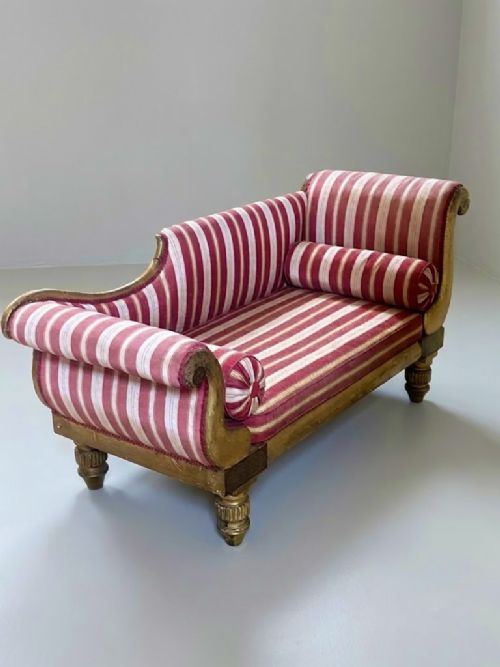
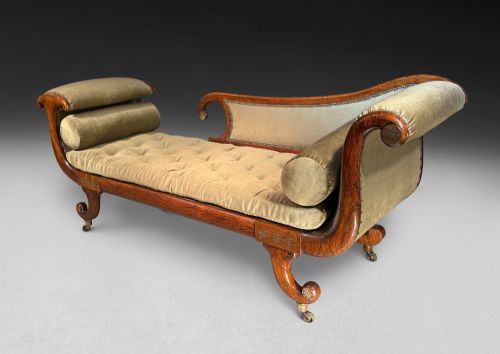
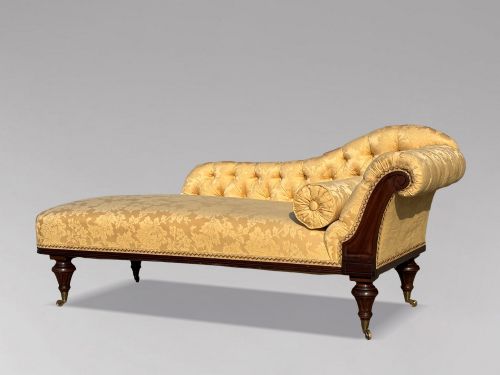
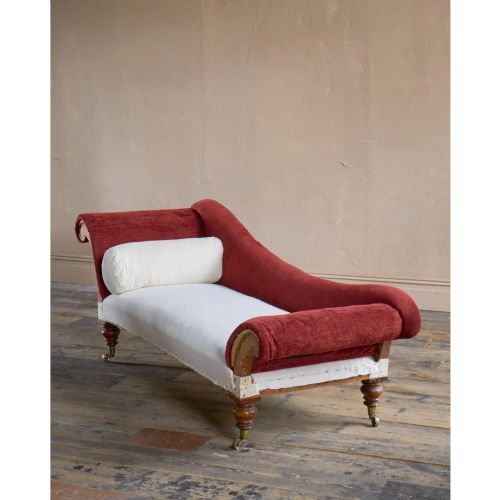
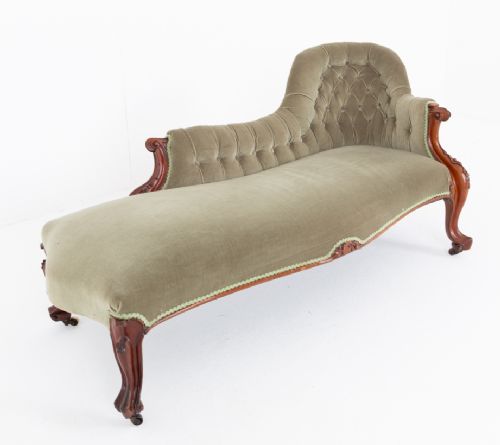
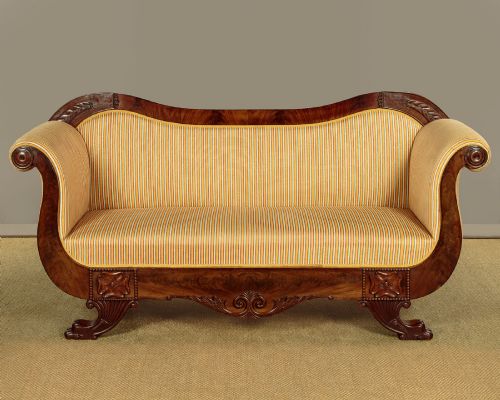
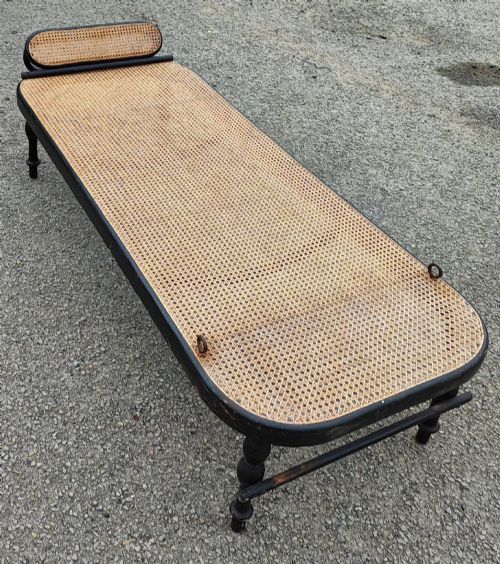
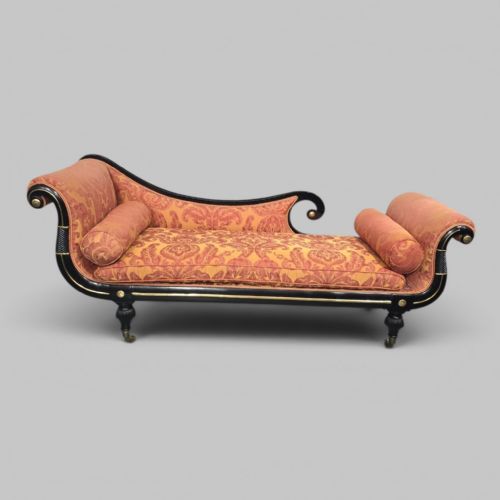
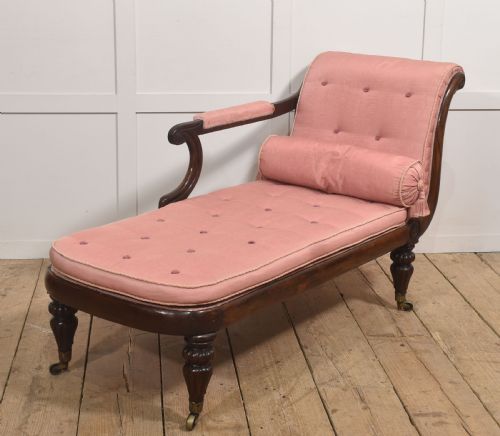
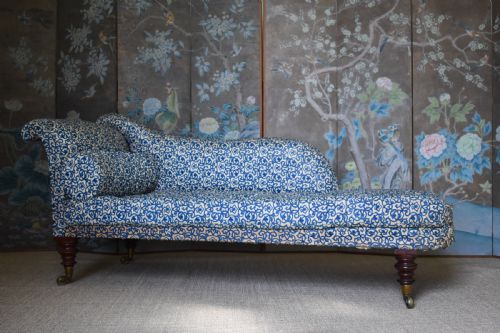
When you search for an antique recamier couch, you encounter nineteenth century daybeds and chaise longues that trace their lineage back to French neoclassical seating forms. These pieces bridge the gap between a sofa and a bed, featuring characteristic raised ends designed for resting the head while lounging.
The versions most commonly met on this page span the Victorian, William IV, Napoleon III, and Empire Revival styles. Makers of the period produced these couches in forms that range from carved mahogany frames to painted Scandinavian day beds and Howard style daybeds.
Origins represented in the evidence point to English and continental workshops operating during the 1850s, 1860s, and the turn of the twentieth century. Each piece reflects the revival of classical motifs adapted for nineteenth century domestic interiors.
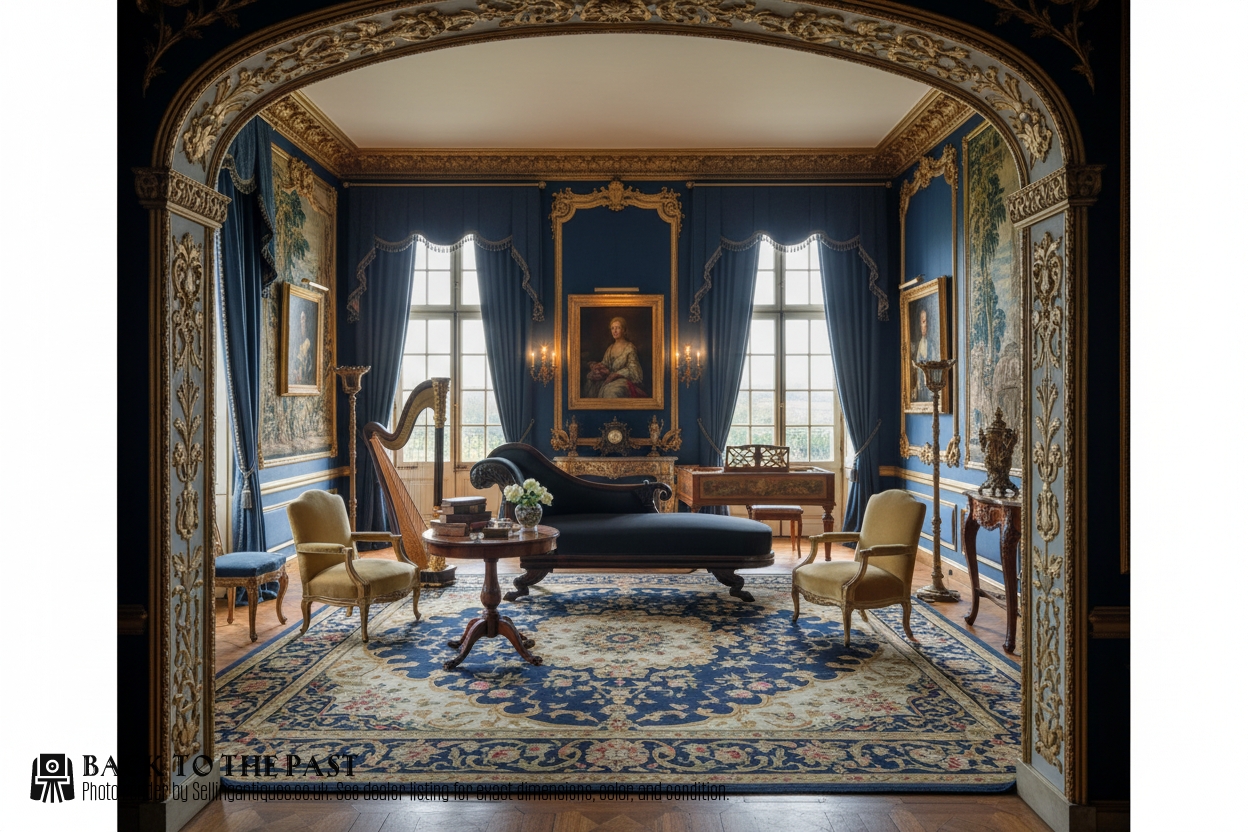
How they were made
Makers constructed the structural frames of these couches from dense timbers such as mahogany, rosewood, and walnut, often applying elaborate carved details to the show wood. These dense hardwoods provided the necessary strength to support the sweeping curves of the scroll ends and back rails.
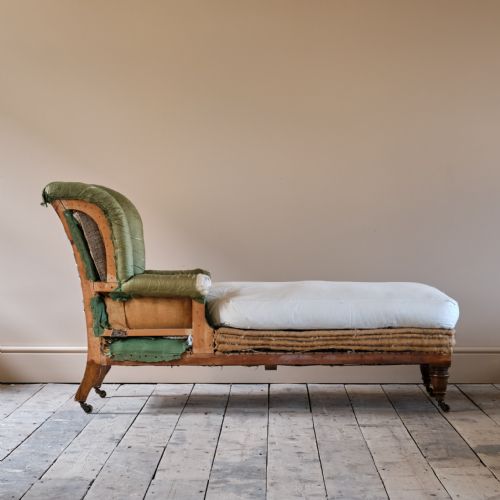
Traditional upholstery techniques utilised materials like horsehair, hessian, and supportive internal webbing beneath top layers of fabric and velvet. Brass elements such as castors occasionally appeared on the feet to allow easier movement across heavy carpets.
Surface finishes ranged from polished timber grains to painted treatments found on Scandinavian day beds and piecrust chaise frames. Craftspeople shaped the wood to accentuate the natural grain patterns while ensuring the sweeping lines of the frame remained structurally sound.
Retail Price Guide 2026
Typical UK retail prices for recamier couch, calculated from the Sellingantiques database of over a million retail prices indexed since 2003. This retail price guide relies exclusively on Sellingantiques data; no external sources or auction records are used, so the figures do not describe the wider market.
Some nineteenth century makers thoughtfully ensured the horsehair stuffing stayed put so you could nap without waking up prickly.
What varies in quality
The standard of craftsmanship separates simpler vernacular pieces from sophisticated workshop productions bearing identifiable stamps like Holland & Sons. Superior examples demonstrate a higher degree of sculptural carving on the mahogany or rosewood frames and more harmonious proportions in the scroll ends.
Material selection dictates the visual impact of the finished piece, with richly figured rosewood and finely grained walnut sitting at the upper end of the scale. The execution of the joinery and the integrity of the underlying timber frame determine whether the couch maintains its structural rigidity over centuries of use.

Holland & Sons
The Antique Recamier Couch Glossary
- Chaise Longue
- A long chair for reclining, combining elements of a chair and a day bed with a single raised end.
- Daybed
- A couch that can be used for sitting by day and sleeping by night, often featuring a backrest and one or two raised ends.
- Scroll End
- A curved terminal on a couch or sofa that rolls outward or inward, defining the neoclassical silhouette.
- Piecrust Chaise
- A chaise longue featuring a moulded, scalloped edge along the wooden frame resembling pastry work.
- Horsehair
- A traditional upholstery stuffing material valued for its springiness and durability in nineteenth century seating.
Frequently Asked Questions
What is a recamier couch?
A recamier couch is a nineteenth century daybed or chaise longue featuring raised ends, designed for reclining in neoclassical style.
These pieces function as both seating and resting furniture, originating from French aesthetic influences popularised during the 1800s.
How do I style a daybed?
Place the daybed against a main wall or floating in a large room where its sculptural silhouette can be fully appreciated.
Keep surrounding furniture balanced to let the curved wooden frame and upholstery serve as a focal point.
How are Victorian and William IV chaises different?
William IV pieces typically date to the 1830s and 1850s, featuring heavy carved mahogany and bold neoclassical scrollwork.
Victorian examples span a wider range of materials, including rosewood and walnut, often with more ornate upholstery styles.
What materials were used for upholstery?
Original upholstery builds relied on horsehair and hessian secured over internal webbing to create a firm, supportive foundation.
Top coverings historically featured velvet or durable woven fabrics stretched across the frame.