


Vintage Twin Light Lamp
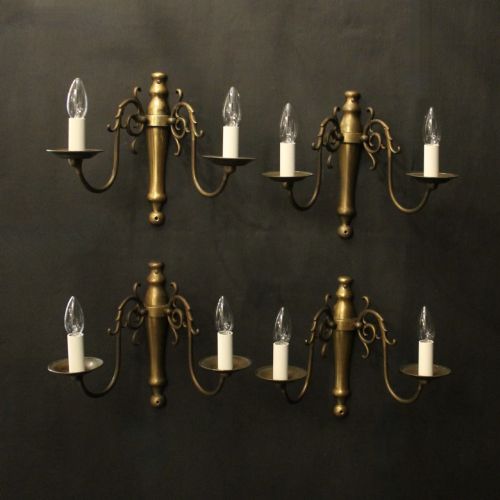
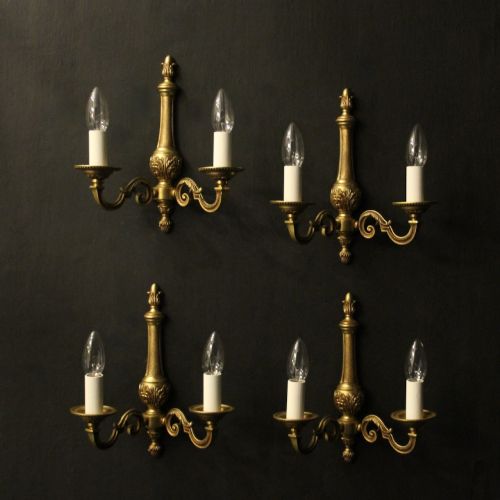
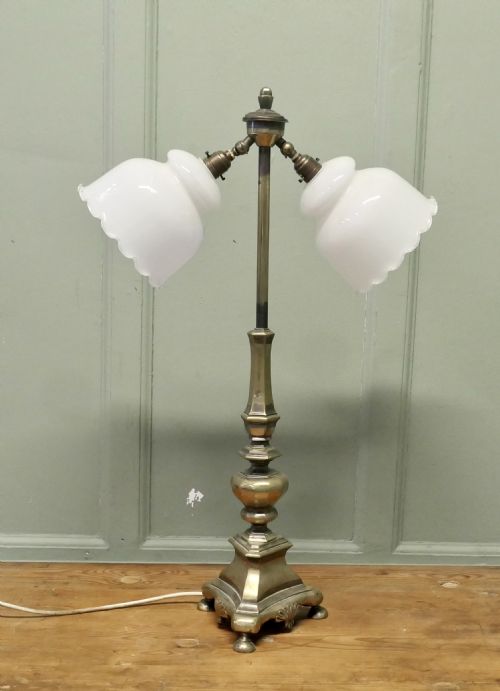
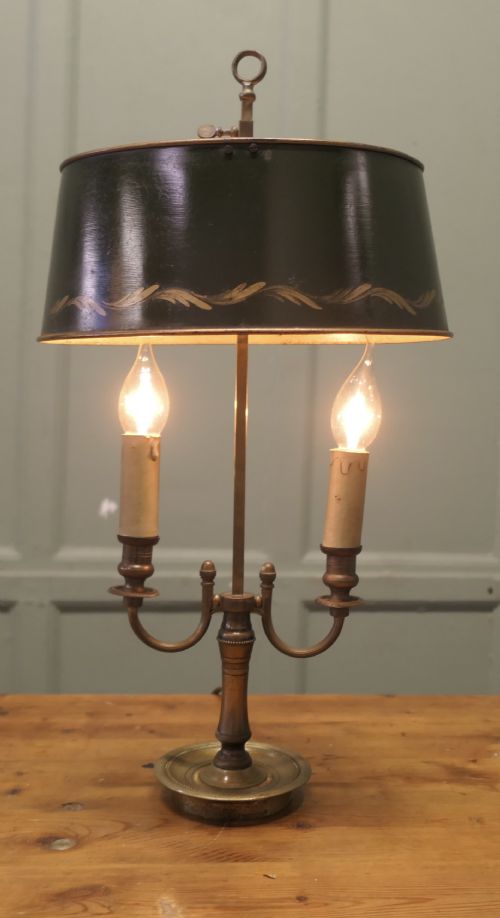
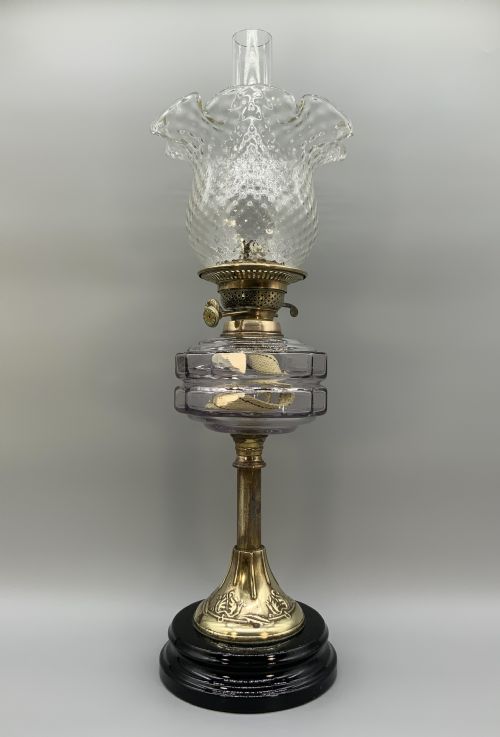
A vintage twin light lamp brings dual illumination to a room, offering distinct period character through brass, glass, and toleware.
Vintage Twin Light Lamp
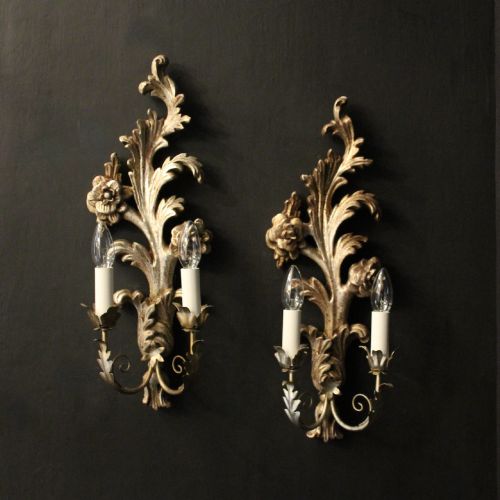
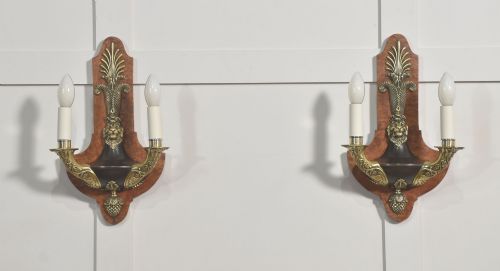
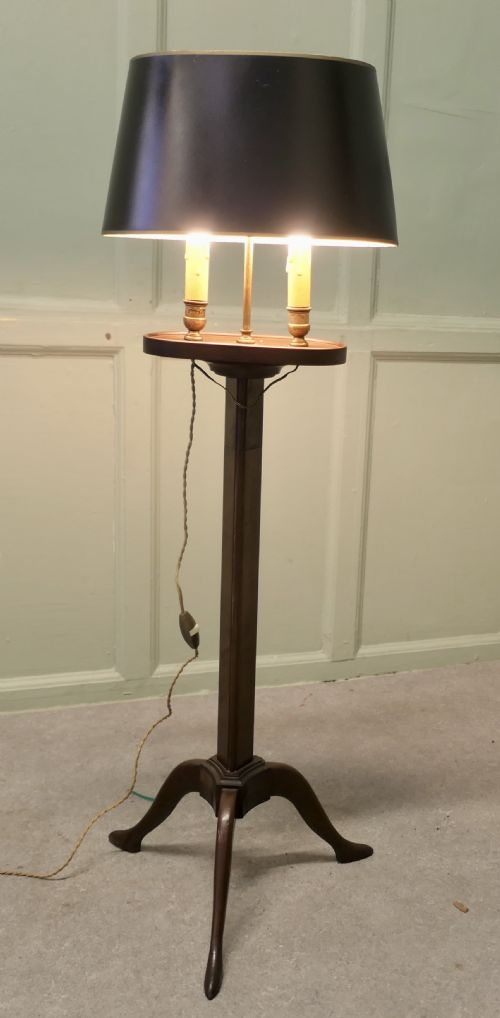
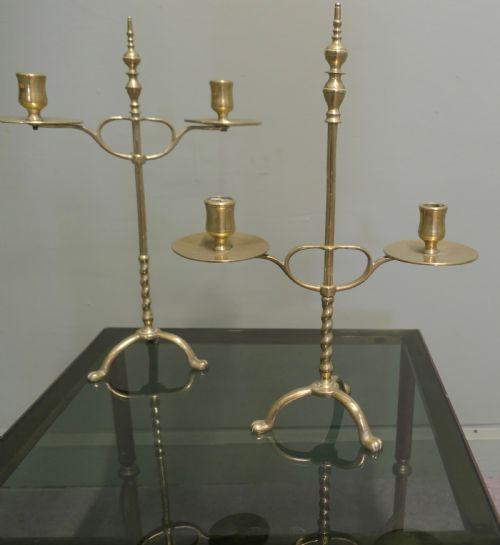
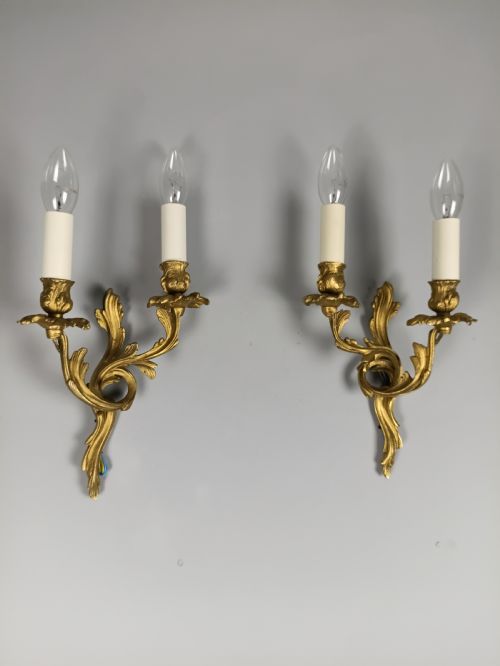
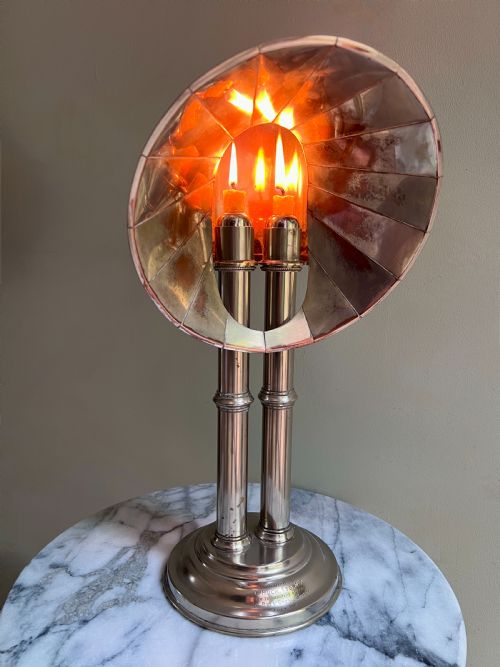
When you search for a vintage twin light lamp, you encounter pieces designed to hold two bulbs, candles, or burners simultaneously. The selection spans wall lights, wall sconces, table lamps, desk lamps, and floor lamps from various historic periods.
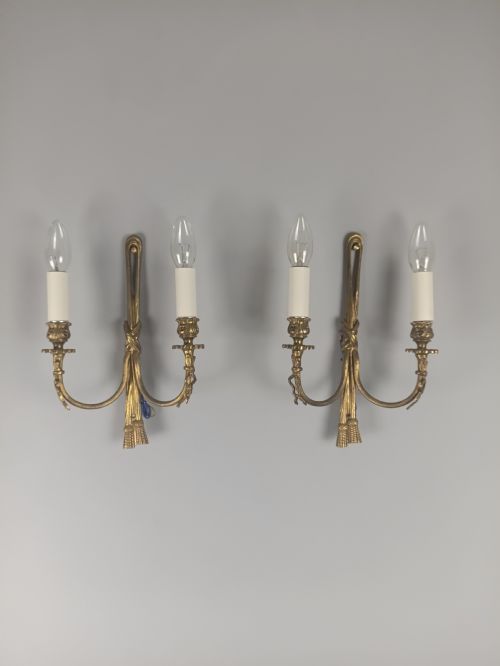
You are most likely to meet wall lights and table lamps constructed from brass, gilded brass, and toleware. These items originate from the nineteenth century through the nineteen-thirties, encompassing styles from Art Deco and Edwardian to French Rococo and Neoclassical.
Materials and construction methods
Metalwork forms the foundation of these pieces, utilising cast and spun brass, gilded bronze, silver-plating, and painted toleware. Artisans shaped these metals into twin arms, branches, and backplates.
Glass and ceramic elements complement the metal structures through hand-blown shades, cut glass crystal, and porcelain figures. Wood, giltwood, and marble also appear as mounting bases and structural bodies.
Listings feature items from the nineteenth century, Victorian era, nineteen-hundreds, Edwardian period, and nineteen-thirties.
Factors that define the standard
Quality rests in the crispness of the casting and the weight of the metal components. Heavier brass and detailed chasing demonstrate superior manufacturing compared to lighter, simplified stampings.
The integrity of surface treatments, such as original gilding, silver-plating, or hand-painted polychrome finishes, separates standard examples from finer specimens. Original glass shades and crystal drops matching the period further elevate a piece.
F. & C. Osler·Karl Ens·Anton Buschelberger
The Vintage Twin Light Lamp Glossary
- Toleware
- Painted or lacquered sheet metal, frequently green or polychrome, commonly found on French desk and wall lamps.
- Bouillotte lamp
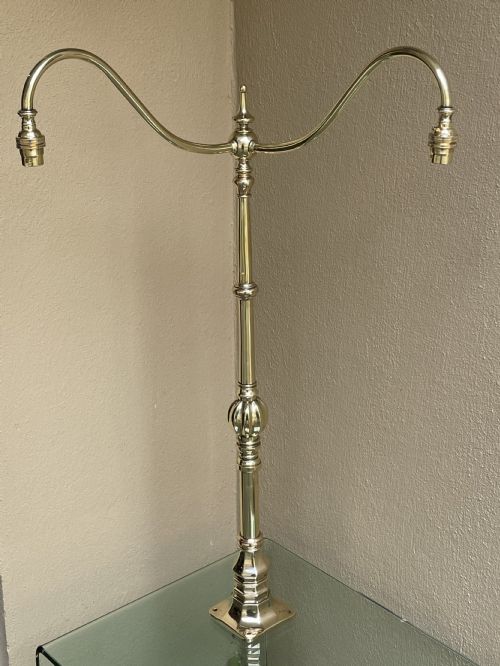
- An adjustable desk or table lamp featuring a central shaft, twin arms, and a distinctive shade.
- Newel post lamp
- A decorative light fixture mounted on the ornamental post at the bottom of a staircase.
- Gilt brass
- Brass coated with a thin layer of gold or gold-coloured finish to enhance visual richness.
- Sconce
- A wall-mounted lighting fixture designed to hold multiple candles or electric bulbs.
Vintage Twin Light Lamp: Frequently Asked Questions
What is a twin light lamp?
A twin light lamp is a lighting fixture designed with two distinct light sources, burner points, or candle branches. These dual configurations provide balanced illumination across desks, walls, and tables.
They appear in forms ranging from wall sconces and bouillotte desk lamps to floor standards and table lamps. The dual setup was practical for reading and writing before widespread single high-wattage electric bulbs.
Where were these lamps used?
These lamps served multiple domestic functions in hallways, libraries, drawing rooms, and bedrooms. Wall lights and sconces illuminated stairwells and corridors, while desk lamps provided focused light for writing.
Larger floor lamps and newel post lamps stood in grand entrance halls and reception rooms. Smaller night lights and table lamps functioned on bedside tables and sideboards.
How do I identify the period?
Period identification relies on materials, manufacturing techniques, and stylistic markers recorded in the design. Victorian and nineteenth-century pieces often feature heavy cast brass, oil lamp conversions, and traditional candle forms.
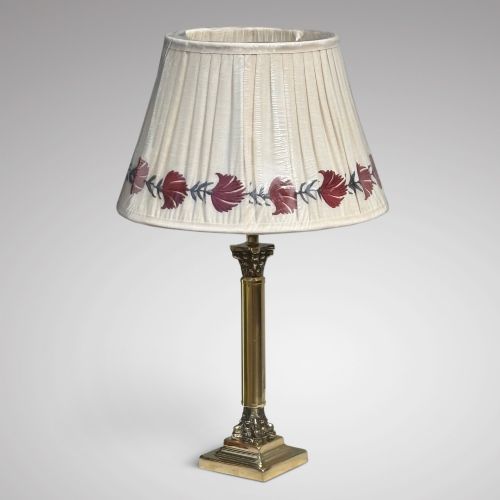
Items from nineteen-ten to nineteen-thirty frequently incorporate Art Deco geometries, frosted glass shades, and modernist double shade structures. Edwardian examples often display neoclassical motifs like Corinthian capitals.
How do I care for antique brass?
Antique brass requires gentle cleaning with a soft, dry cloth to remove dust and preserve the natural patina. Avoid harsh chemical polishes that strip away age-related surface characteristics and original finishes.
For gilded or silver-plated surfaces, maintain low-humidity environments to prevent tarnishing and flaking. Inspect wiring periodically on electrified pieces to ensure safe daily use.