


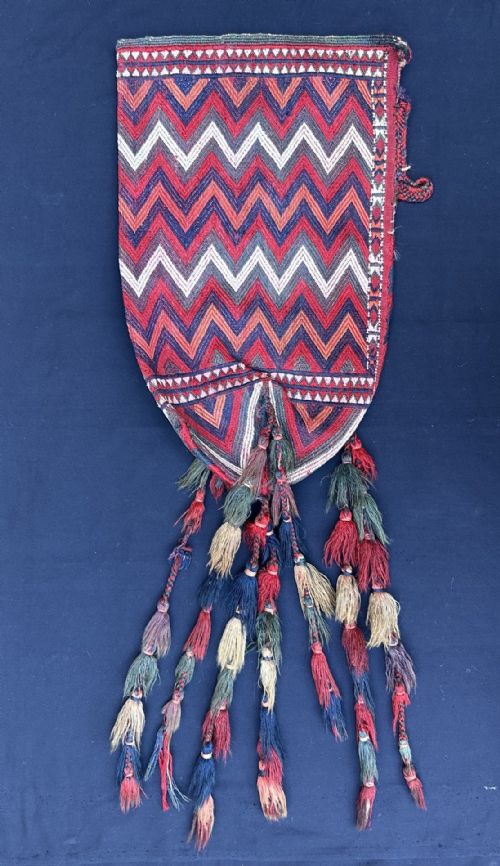


Vintage Turkmen Trapping
A vintage turkmen trapping brings Central Asian tribal heritage into a room through dense woolwork and ceremonial motifs.
Vintage Turkmen Trapping
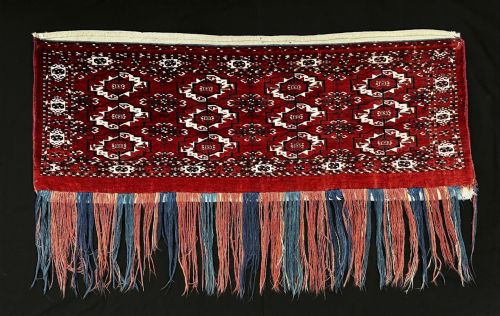
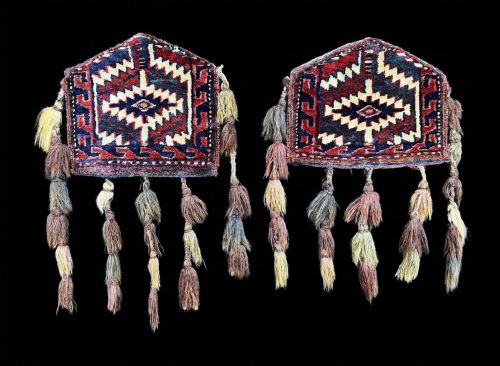
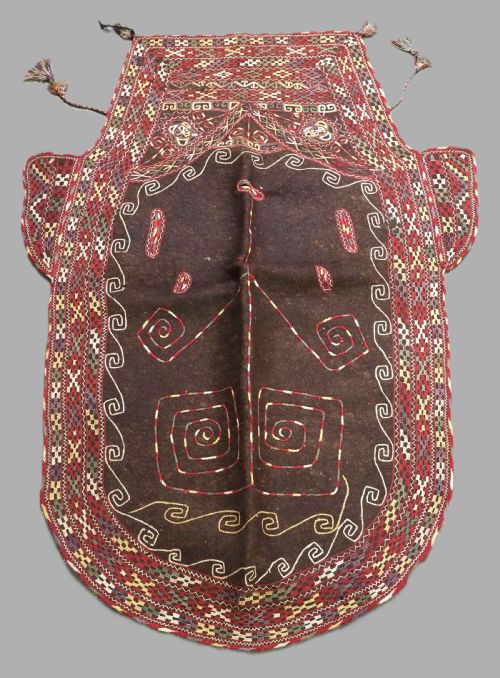
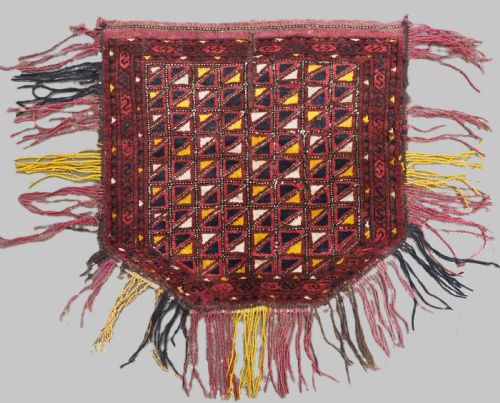
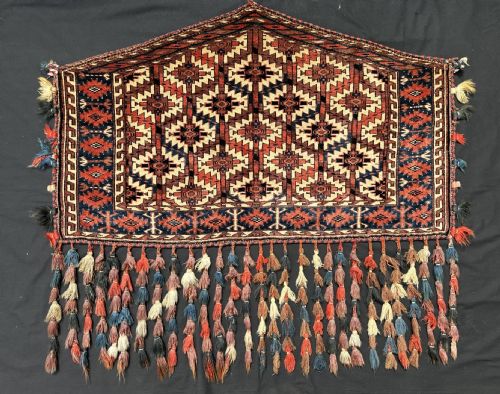
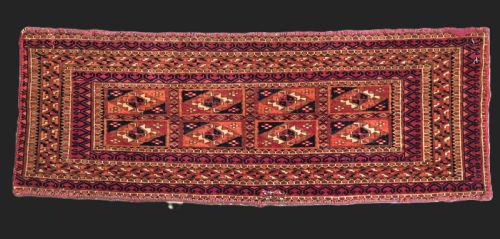
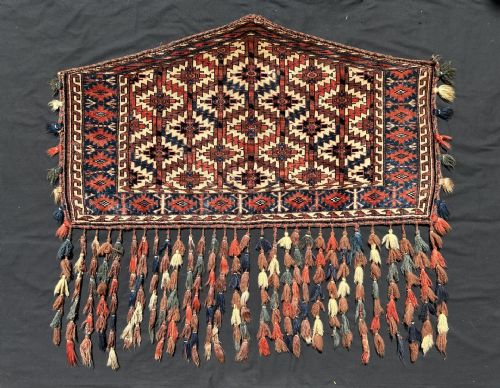
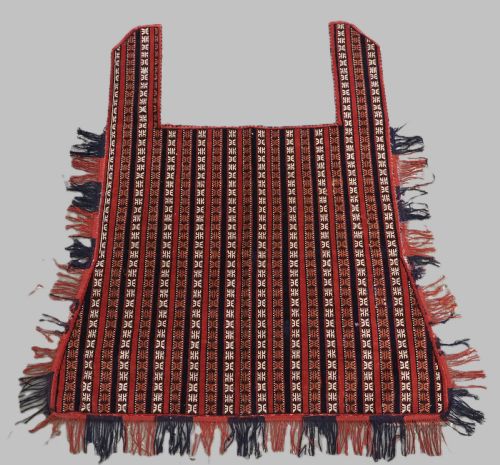
A vintage turkmen trapping encompasses woven and embroidered objects created by tribal groups across the Trans-Caspian steppes, Turkmenistan, and Afghanistan. These pieces include asmalyks, torbas, chuvals, uk bashs, and ceremonial horse or camel covers utilised during weddings and tribal gatherings. Most examples date from the mid-nineteenth century through the early twentieth century, reflecting the nomadic traditions of the Yomut, Ersari, and Tekke tribes.
Buyers encounter smaller tent bags, camel neck dress garments, and large horse blankets designed for ceremonial use. The forms serve specific domestic and ritual functions within nomadic tent structures, functioning as storage bags or festive animal adornments. Each object demonstrates the distinct regional aesthetics of Central Asian tribal groups.
Judging quality and execution
Quality rests upon the fineness of the weave, structural integrity, and the clarity of tribal motifs like the guls and curled leaf designs. Pieces featuring exceptionally dense knotting or well-preserved original tassels demonstrate superior workshop execution.
The sophistication of the natural dye palette and the crispness of secondary design elements distinguish standard utility pieces from masterworks created for weddings and special ceremonies.
Vintage Turkmen Trapping Retail Price Guide 2026
Typical asking prices for vintage turkmen trapping among the pieces listed under this phrase on Sellingantiques today, from the lower quarter to the upper quarter. They describe what is for sale here now, not the wider market.
Some wedding camels wore garments so heavily decorated they likely walked slower than the guests.
The Vintage Turkmen Trapping Glossary
- Asmalyk
- A pentagonal or wedding trapping traditionally placed on the flanks of a bride's camel during nomadic ceremonies.
- Torba
- A small storage bag used within the yurt, often featuring prominent gul motifs across the face.
- Chuval
- A large tent bag utilised for household storage, distinguished by multiple rows of primary guls.
- Gul
- A repeating primary medallion or tribal motif characteristic of Turkmen carpet and textile design.
- Uk Bash
- A decorative textile band or cover associated with the interior pole arrangement of a yurt.
Vintage Turkmen Trapping: Frequently Asked Questions
What is a vintage turkmen trapping?
A vintage turkmen trapping is a woven or embroidered textile created by tribal groups in Central Asia for ceremonial or domestic use.
These pieces include horse covers, camel neck dress garments, and storage bags originating from the Yomut, Ersari, and Tekke tribes.
How were these trappings used originally?
Nomadic communities utilised these textiles as festive animal adornments during wedding processions and as functional storage bags inside tents.
Largous horse blankets and asmalyks decorated the animals, while torbas and chuvals stored household goods within the yurt.
How do I care for a textile trapping?
Protect the wool and natural dyes by keeping the textile away from direct sunlight and heavy moisture.
Display the piece securely on a wall using a padded sleeve or mount that distributes the weight evenly across the fabric.
How do I identify different tribal styles?
Tribal attribution relies on specific structural formats, colour palettes, and repeating motifs such as the aina gul or rams horn design.
Comparing the specific gul geometry helps distinguish Yomut pieces from Ersari and Tekke works.