


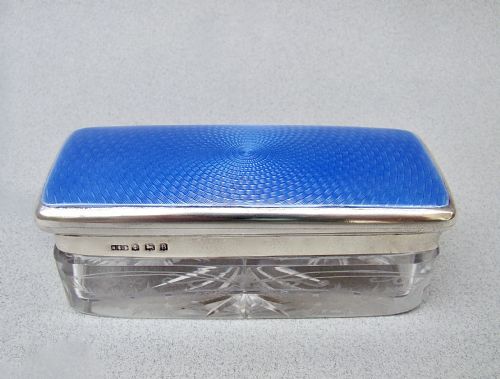
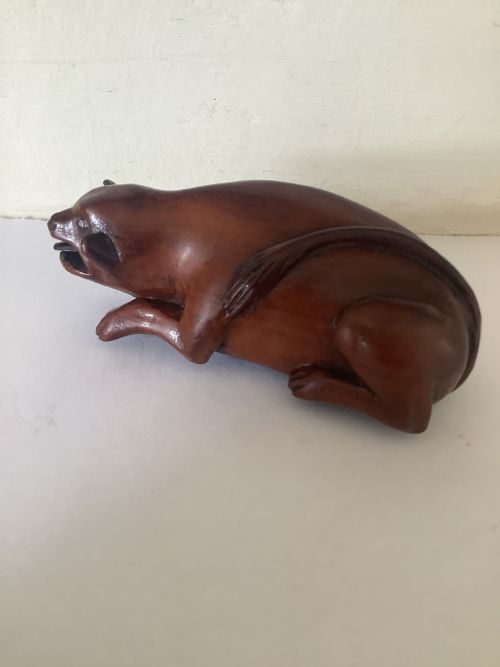
Vintage Trinket Box
A vintage trinket box holds personal treasures on a dressing table, combining practicality with craftsmanship from past centuries.
Vintage Trinket Box
A vintage trinket box encompasses a wide range of small receptacles designed for keepsakes, jewellery, and personal items. These pieces span periods from the Georgian and Victorian eras through to the Edwardian and Art Deco decades.
The objects take many forms, including dedicated jewellery boxes, snuff boxes, pill boxes, tea caddies, and vanity jars. Buyers encounter items ranging from simple wooden containers to elaborate silver and glass receptacles.
Origins stretch across British workshops, continental makers in Paris, and international silver and enamel traditions. Each piece reflects the functional requirements and decorative tastes of its original period.
Materials and Construction
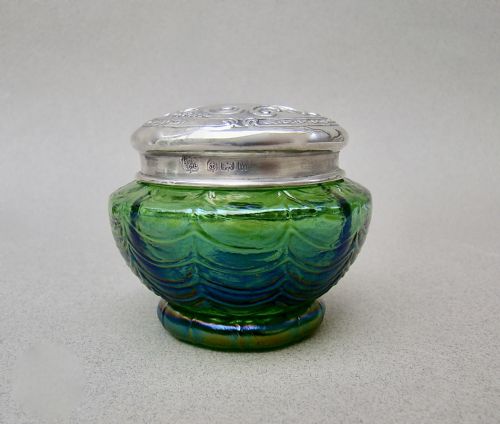
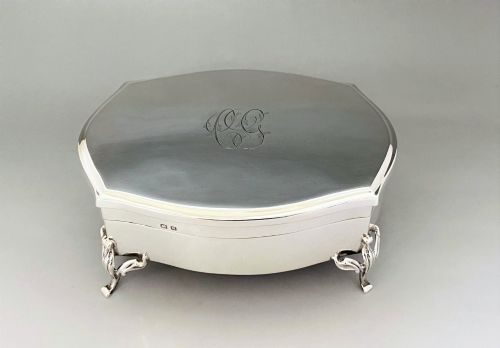
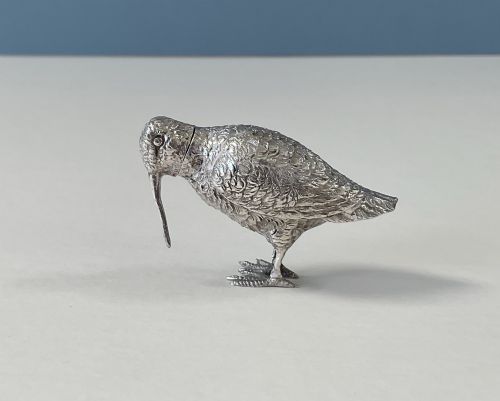
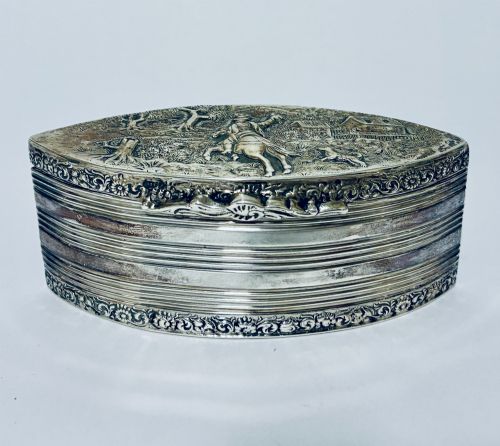
Construction relies heavily on traditional metals such as sterling silver, brass, copper, and bronze, often paired with glass, satin glass, or crystal elements. Silversmiths and metalworkers utilised casting, repoussé, and engraving techniques to shape mounts and lids.
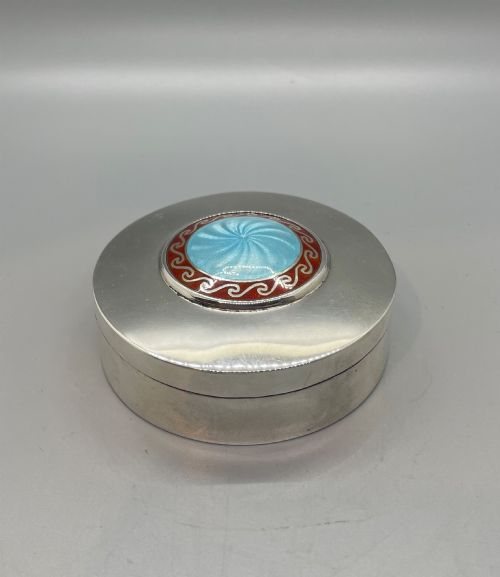
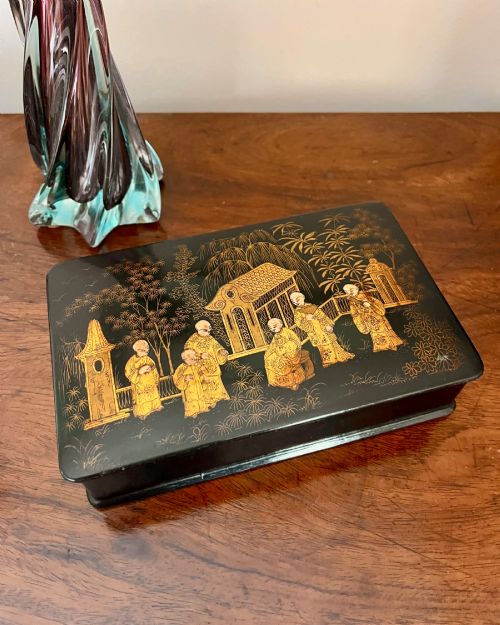
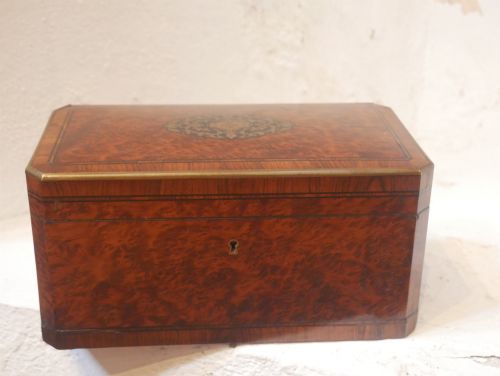
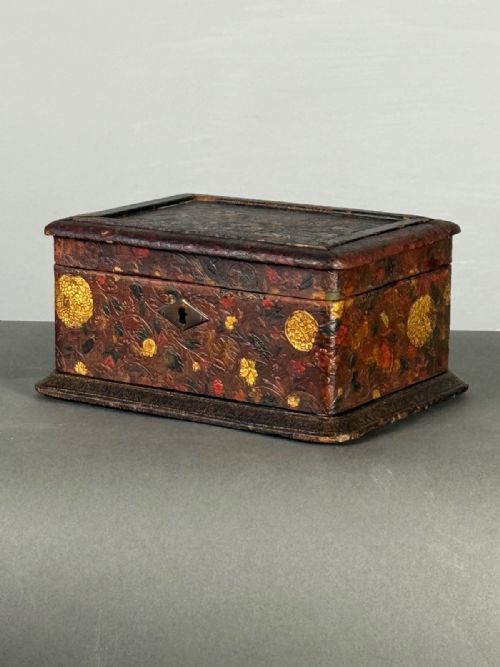
Woodworking traditions utilise timbers like mahogany, walnut, amboyna, and oak, frequently enhanced with marquetry, mother-of-pearl, bone details, or lacquered chinoiserie finishes. Artisans also incorporated leather, guilloché enamel, and intricate shellwork into decorative surfaces.
Materials range from sterling silver and bronze to walnut, amboyna, tortoiseshell alternatives, and detailed shellwork.
Assessing Quality and Execution
Quality rests in the precision of the metalwork, the integrity of the joinery in wooden frames, and the depth of surface decoration. Finer examples display crisp hallmarks, well-fitted hinges, and hand-applied enamel or carving without hesitation in the line.
Materials dictate much of the character, where solid sterling silver, fire-gilded bronze, and figured flame mahogany outrank plated metals and simpler softwoods. The presence of fully fitted interiors or specialist decorative techniques like Tunbridge ware elevates an object's execution.
A. J. Pepper & Co·Tahan Paris·Susse Freres Paris·Samuel Pemberton·Henry Clifford Davis·Martin Hall & Co·Mappin & Webb·A. Bromet & Co
The Vintage Trinket Box Glossary
- Guilloché enamel
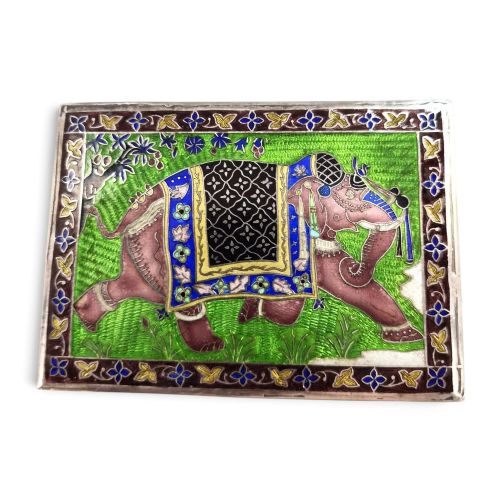
- A decorative technique where a precise, intricate pattern is mechanically engraved beneath a translucent layer of coloured enamel. This method creates a shimmering background effect frequently seen on Edwardian and Art Deco dressing table items.
- Vinaigrette
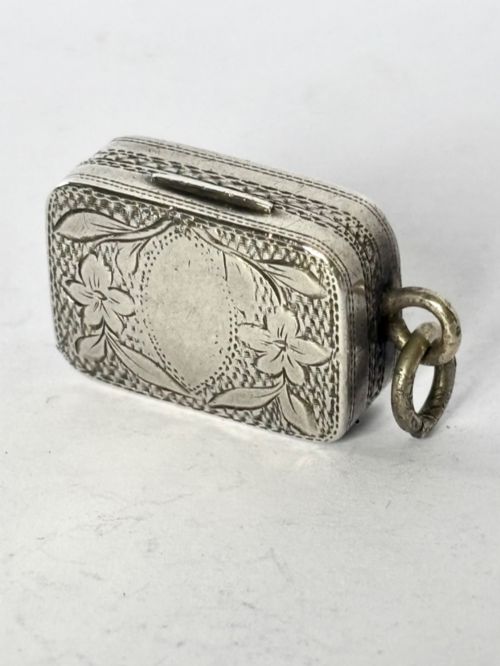
- A small metal box fitted with an inner perforated grille, designed to hold a sponge soaked in aromatic vinegar. These portable containers were carried during the Georgian and Victorian periods to mask unpleasant odours.
- Tea caddy
- A container originally built to store dry tea leaves securely under lock and key. Many examples later function as general storage or trinket boxes due to their compartmented interiors.
- Chinoiserie
- A European stylistic interpretation of Chinese and East Asian artistic traditions, often expressed through lacquered scenes and decorative motifs on boxes and furniture.
- Tunbridge ware
- A distinct type of British woodwork characterised by intricate mosaic designs formed from thousands of tiny tinted wood blocks. These geometric patterns decorate the lids and surfaces of small Victorian and Georgian receptacles.
Vintage Trinket Box: Frequently Asked Questions
How do I date a silver trinket box?
Dating relies primarily on the stamped assay office marks, maker's initials, and date letters found on sterling silver items. Comparing the stylistic cues, such as Edwardian neoclassical motifs or Art Deco geometric lines, provides additional chronological context.
Examining the construction methods of the hinge and lining also helps confirm the period of manufacture.
What were vanity jars used for?
Vanity jars held powders, creams, hairpins, and cosmetics on dressing tables during the Victorian and Edwardian periods. Their silver or glass lids protected the contents from dust while displaying the owner's monogram or decorative enamelwork.
Today, they serve a similar purpose for modern dressing table storage.
Are wooden boxes lined with fabric original?
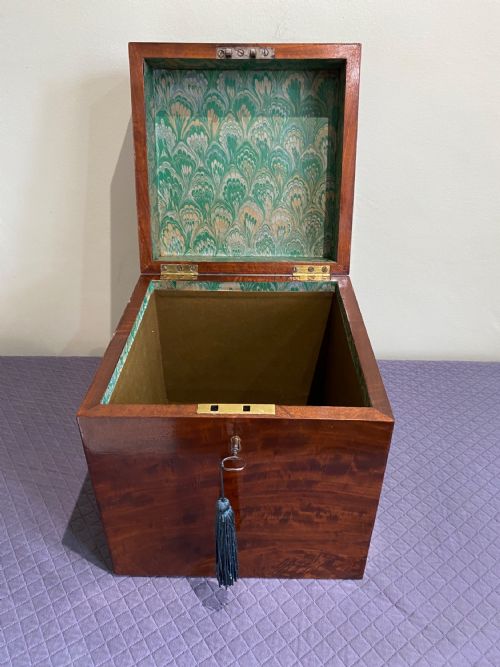
Many wooden jewellery and trinket boxes feature original velvet, silk, or satin fitted interiors designed to cushion delicate items. The condition and type of fabric lining often correspond to the Victorian or Georgian period of the outer timber case.
Professional re-lining is sometimes undertaken to preserve the utility of the box.
How should I clean an antique silver box?
Silver boxes require gentle cleaning with a soft microfibre cloth and a reputable silver polish, avoiding excessive scrubbing around engraved details or hallmarks. Enamel and glass components should be wiped carefully with a damp cloth rather than immersed.
Proper handling prevents damage to delicate hinges and fragile internal linings.