


Leather Book Box
A leather book box conceals storage within a faux spine and covers, offering a clever way to keep papers or games hidden in plain sight.
Leather Book Box
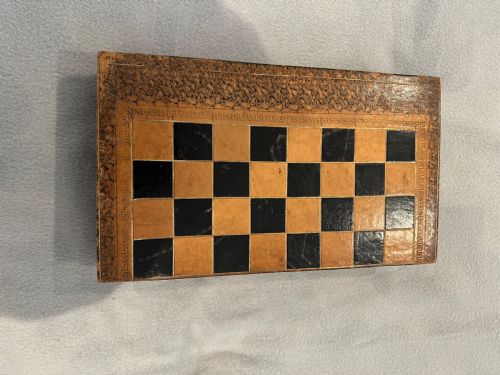
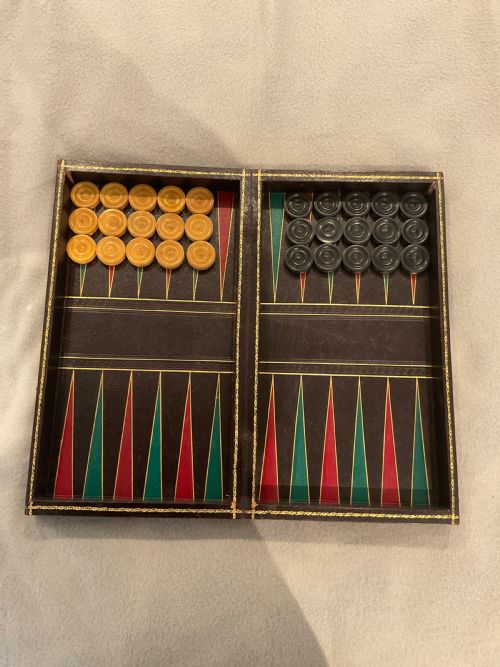
A leather book box takes the form of a bound volume to disguise its true function as a container for documents, games, or desk accessories. When searching for a leather book box, buyers encounter items ranging from Victorian games boards to mid-century French caskets and stationery containers.
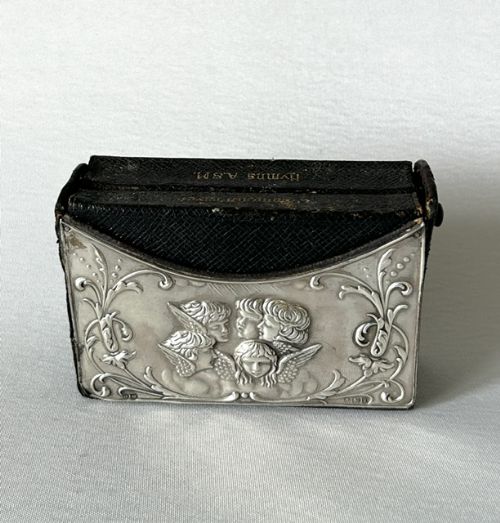
The objects span multiple periods including the nineteenth century, Victorian era, Edwardian period, and twentieth-century decades up to nineteen-fifty. Forms include single faux volumes, stacks of books acting as tantalus boxes or document files, and devotional duos housed in silver-cased bindings.
Materials and construction methods
Makers constructed these pieces using a wooden or tinplate core covered in leather, which was frequently decorated with gold leaf tooling. Artisans shaped leather over rigid structures to mimic the boards and spine of a bound book.
Metal components such as brass or sterling silver appear on clasps, hinges, and fitted cases, while paper and fabric line the interior compartments of games boards and stationery boxes.
Listings feature items spanning the nineteenth century through to nineteen-fifty, utilising materials including leather, wood, gold leaf, brass, sterling silver, paper, fabric, and tinplate.
Assessing quality in construction
Quality rests in the crispness of the gilt tooling upon the leather and the precision with which the box mimics a genuine bound volume. Superior examples maintain tight joints along the faux spine and smooth operation in any internal folding game boards or compartments.
The grade of leather and the weight of the underlying wood or metal core determine the durability and tactile appeal of the finished piece, distinguishing simple decorative tins from finely worked leather caskets.
Huntley & Palmers
The Leather Book Box Glossary
- Faux book
- An object constructed to resemble a bound volume while serving an alternative storage or functional purpose. These pieces often feature dummy spines and marbled page edges.
- Gilt tooling
- The application of gold leaf impressions onto leather surfaces using heated metal tools. This technique creates the decorative spine bands and titles characteristic of traditional bookbindings.
- Tantalus
- A locking beverage or decanter container designed to display contents while preventing access without a key. In book form, these stack volumes to conceal the mechanism.
- Devotional object
- Items connected to religious worship, such as prayer and hymn book duos housed in specialised protective cases. They often incorporate silver mountings or fitted presentation boxes.
Leather Book Box: Frequently Asked Questions
What were leather book boxes used for?
These boxes served as discreet containers for writing materials, documents, tobacco, and games boards. Victorian and Edwardian households used them on desks and tables to keep everyday items out of sight.
They also held devotional texts, stationery, and bottled spirits, blending functional storage with the appearance of a library shelf.
How do I date a leather book box?
Dating relies on the style of the leather tooling, the materials used for the core structure, and the typography of any faux titles. Victorian and nineteenth-century pieces often feature heavy gilt work and traditional bookbinder's calfskin.
Twentieth-century examples, such as those from the nineteen-fifties or art deco periods, show different interior linings and manufacturing methods like tinplate construction.
Are these boxes actually made of old books?
Most pieces are constructed from scratch using wood, metal, or card covered in leather, rather than hollowing out real printed volumes. Makers built them specifically to mimic the physical characteristics of bound books.
Some examples utilise multiple stacked faux volumes or hinged covers to create adequate interior space for games boards or document storage.
How should I care for leather book boxes?
Keep the boxes away from direct sunlight and excessive heat to prevent the leather and gold leaf tooling from drying out or cracking. Gentle dusting with a soft cloth preserves the surface.
Avoid using harsh modern cleaning products on the leather or metal clasps to maintain the original finish and structural integrity of the box.