

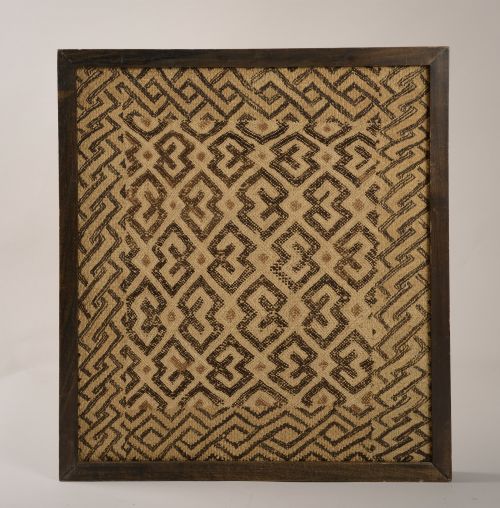

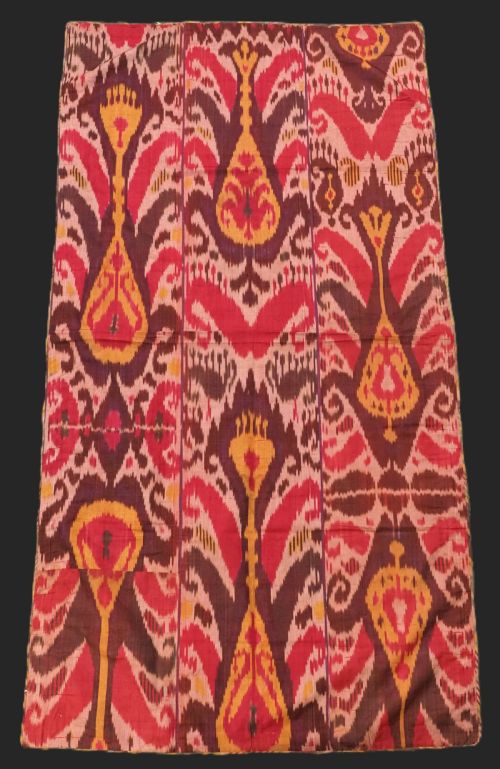
Vintage Tribal Textile Panel
A vintage tribal textile panel brings tangible history into a room, offering rich patterns and textures born from nomadic and village traditions.
Vintage Tribal Textile Panel
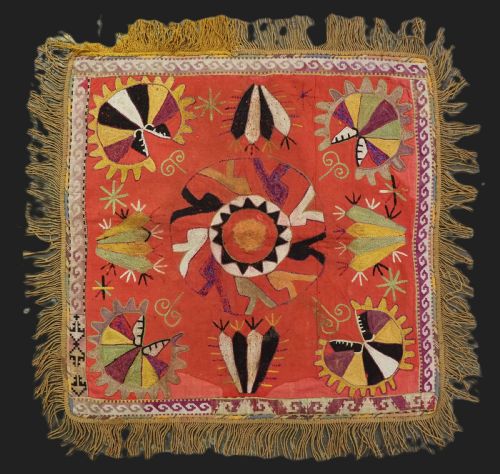
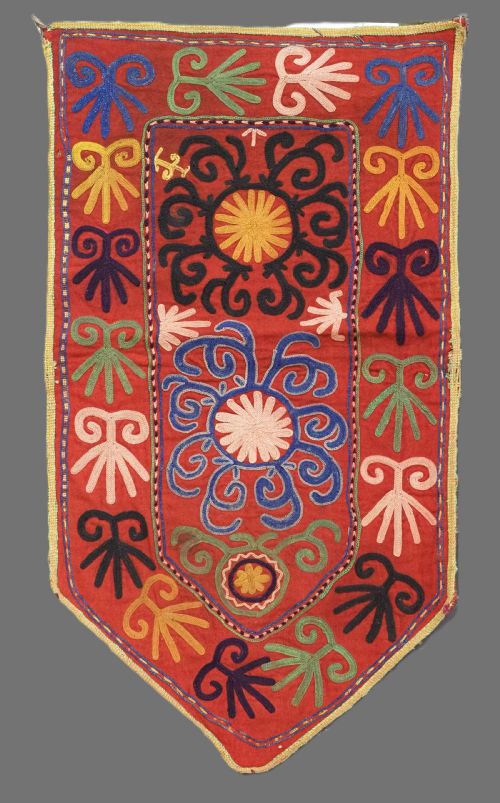
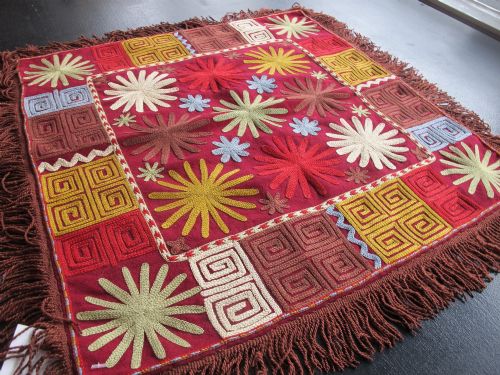
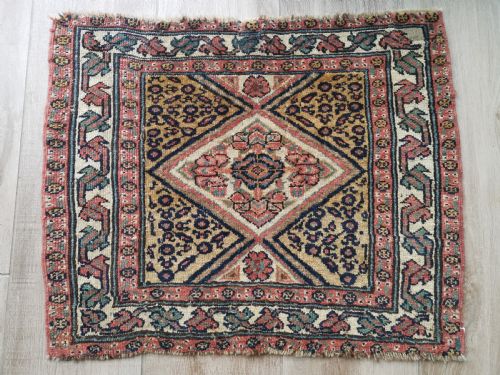
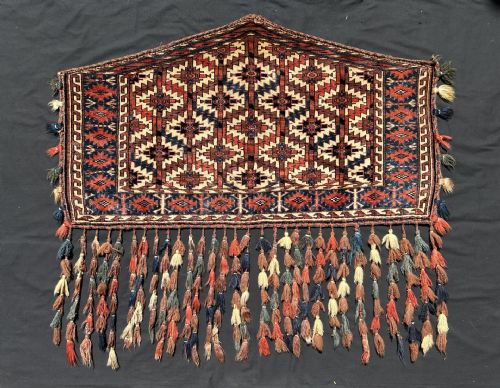
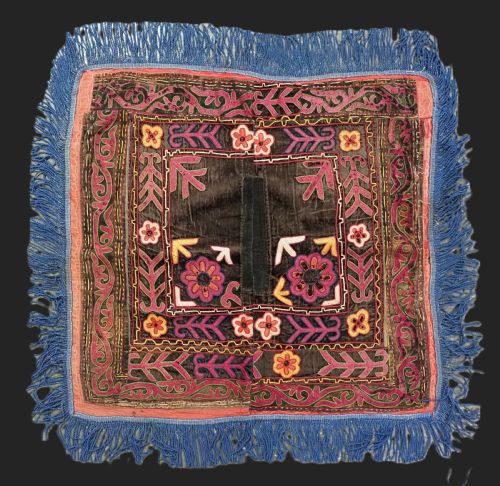
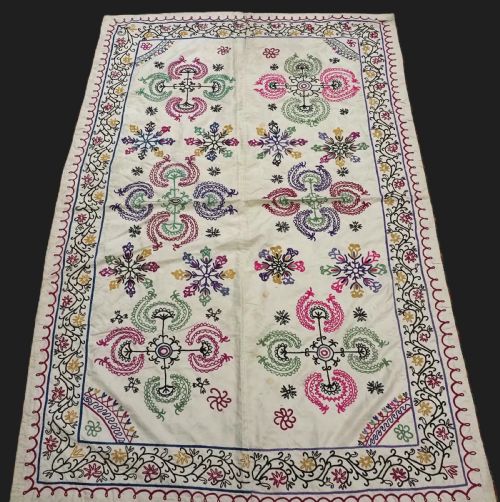
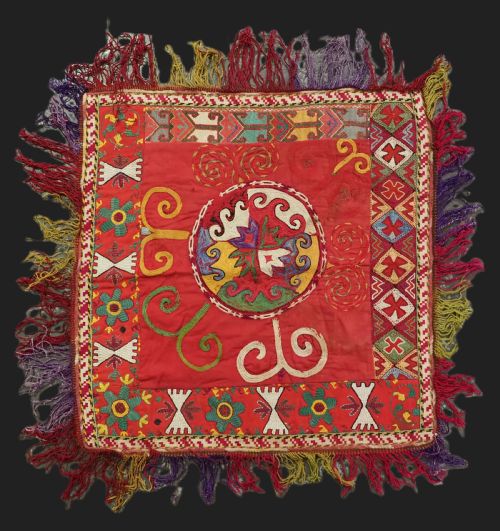
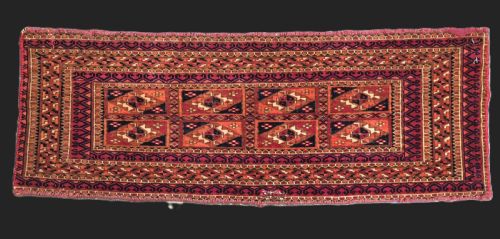
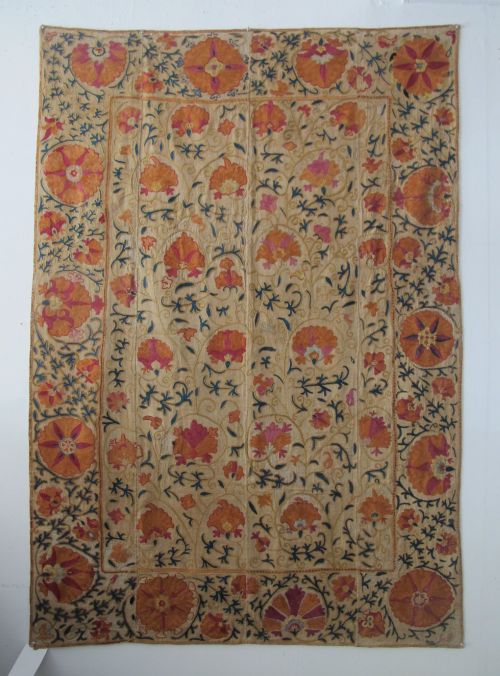
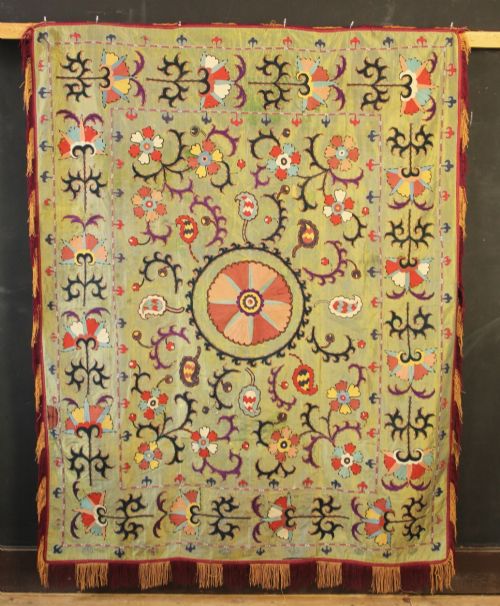
A vintage tribal textile panel encompasses various historical pieces created by nomadic and semi-nomadic groups, particularly from Central Asia and Persia. Buyers searching for a vintage tribal textile panel frequently encounter dowry embroideries, wall hangings, and repurposed storage bags from regions such as Uzbekistan and Turkmenistan.
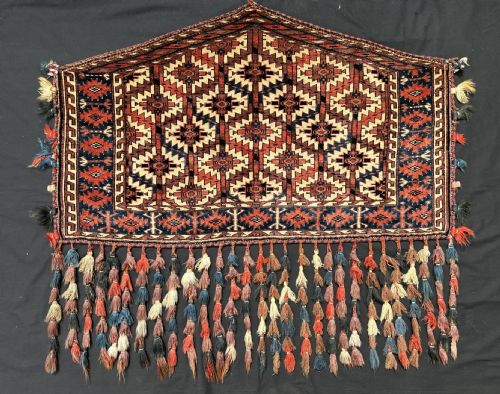
The assortment on this page reflects traditional artistry dating from the nineteenth century into the early decades of the twentieth century. Common forms include Uzbek ilgich embroideries, Turkmen torbas, and silk suzanis originally utilised in domestic or ceremonial contexts.
Materials and construction
Artisans relied on natural foundational materials including wool, cotton, and silk, frequently enhancing them with hand-spun yarns and velvet grounds. Colour was achieved through natural dyes that yielded deep reds, greens, and contrasting tones across the fabric surface.
Stitching techniques varied from fine silk embroidery on cotton or wool to flatweave structures and felt applique. Pieces like the Kyrgyz tush kyiz or Uzbek suzanis demonstrate meticulous needlework applied to domestic textiles, often worked in distinct panels or strips.
Camel trappings remind us that even domestic livestock in the nineteenth-century steppe dressed better than most humans.
Assessing quality
Quality rests in the precision and density of the needlework or weave, alongside the complexity of the traditional design. Finer examples display tightly packed stitches, balanced colour palettes, and well-executed motifs that reflect the high skill of the maker.
Condition and integrity also define the upper tier of these textiles. Pieces retaining strong original ground fabrics, vibrant natural dyes, and complete borders without excessive modern restoration command greater appreciation from collectors.
The Vintage Tribal Textile Panel Glossary
- Suzani
- An embroidered hanging originating from Central Asia, traditionally worked in silk on a cotton or linen ground for dowry ceremonies.
- Torba
- A small utilitarian storage bag produced by Turkmen tribes, featuring characteristic geometric guls and decorative borders.
- Ilgich
- A specific type of Central Asian embroidery used for hanging in nomadic dwellings or as part of a bride's dowry.
- Asmalyk
- A ceremonial pentagonal trapping produced by Yomut and other Turkmen tribes, historically hung on the flanks of a bridal camel.
- Sumac
- A wrapped-weft flatweaving technique that creates a durable fabric with a textured, tapestry-like surface pattern.
Vintage Tribal Textile Panel: Frequently Asked Questions
How were these textile panels originally used?
Many of these pieces served practical and ceremonial roles within nomadic or village households. They functioned as dowry items, wall decorations inside yurts, or storage bags for domestic goods.
Over time, objects like horse covers and saddle-bags also found a place in daily life, reflecting the cultural identity and status of tribes such as the Lakai and Yomut.
What regions do these panels come from?
The listings predominantly point to Central Asia and Persia, encompassing modern-day Uzbekistan, Turkmenistan, and surrounding steppes. Different tribes, including the Tekke, Ersari, and Qashqa'i, developed distinct regional aesthetics.
Local materials and dye traditions heavily influenced the visual outcome, anchoring each piece to its specific geographic and cultural origin.
How should I care for a textile panel?
Display these textiles away from direct sunlight to protect natural dyes from fading over time. Gentle mounting or framing behind UV-filtering glass helps support fragile antique fabrics without causing structural strain.
Avoid chemical cleaning methods and consult a textile conservator if dust accumulation requires professional attention.
How do I determine the age of a panel?
Dating relies on examining the materials, dye types, and structural wear consistent with nineteenth and early twentieth-century production. Natural dyes and hand-spun wool or silk typically indicate older, traditional manufacturing periods.
Stylistic motifs and tribal attributions also provide clues, aligning specific patterns with known historical eras of weaving and embroidery.