

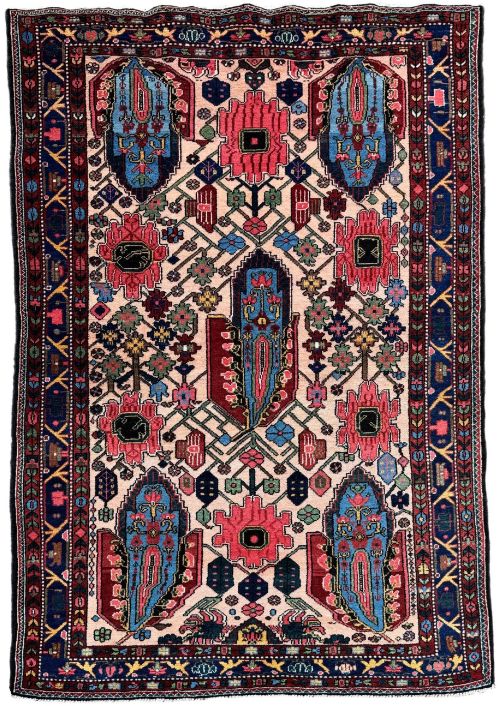
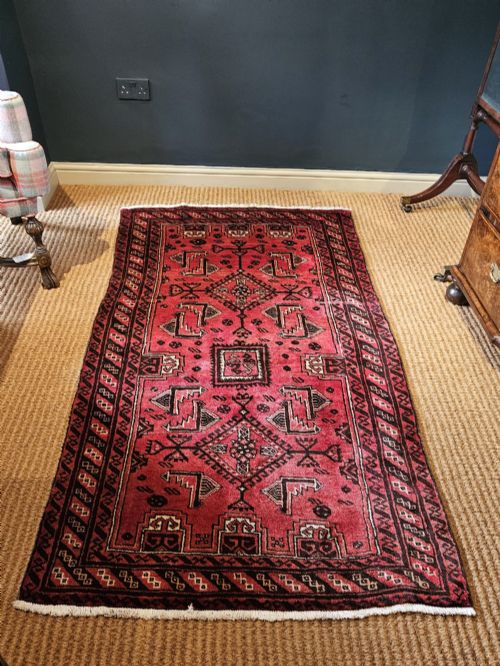
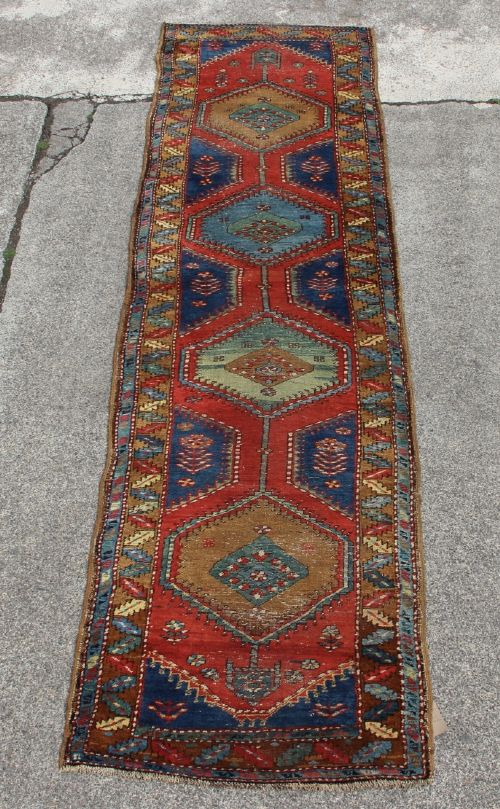
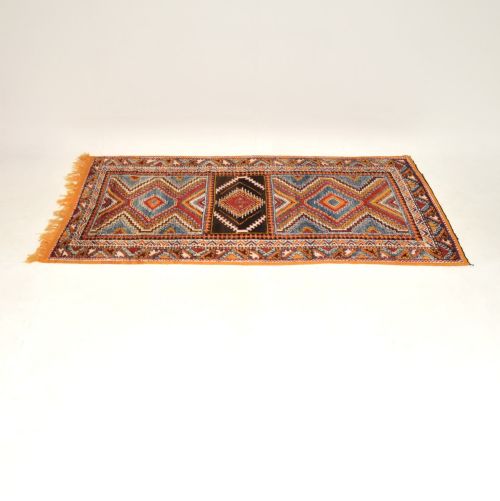
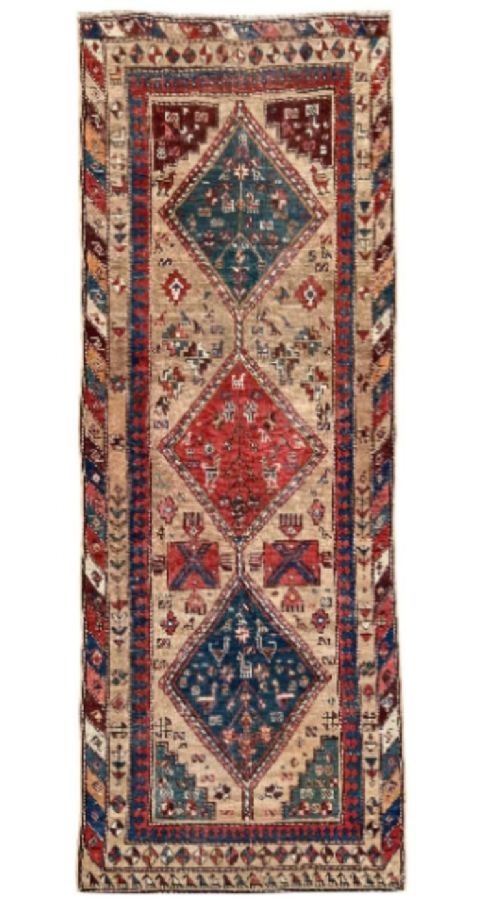
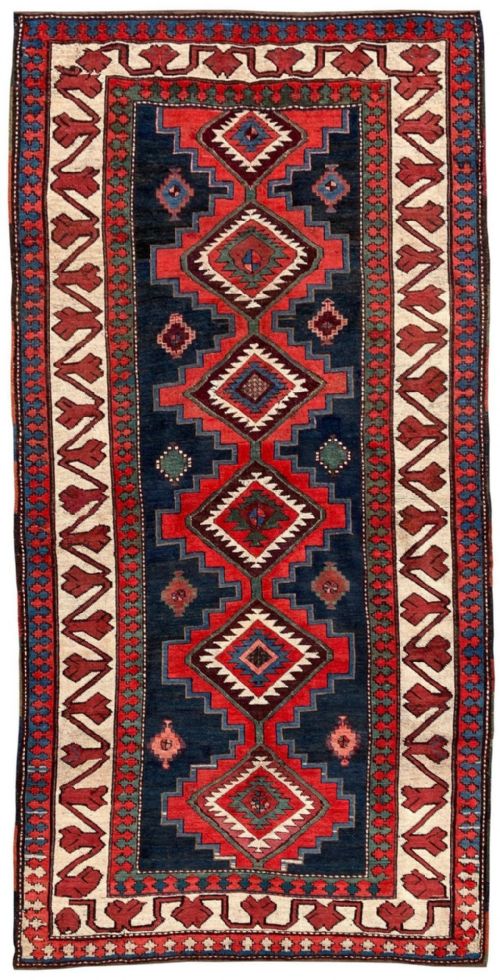
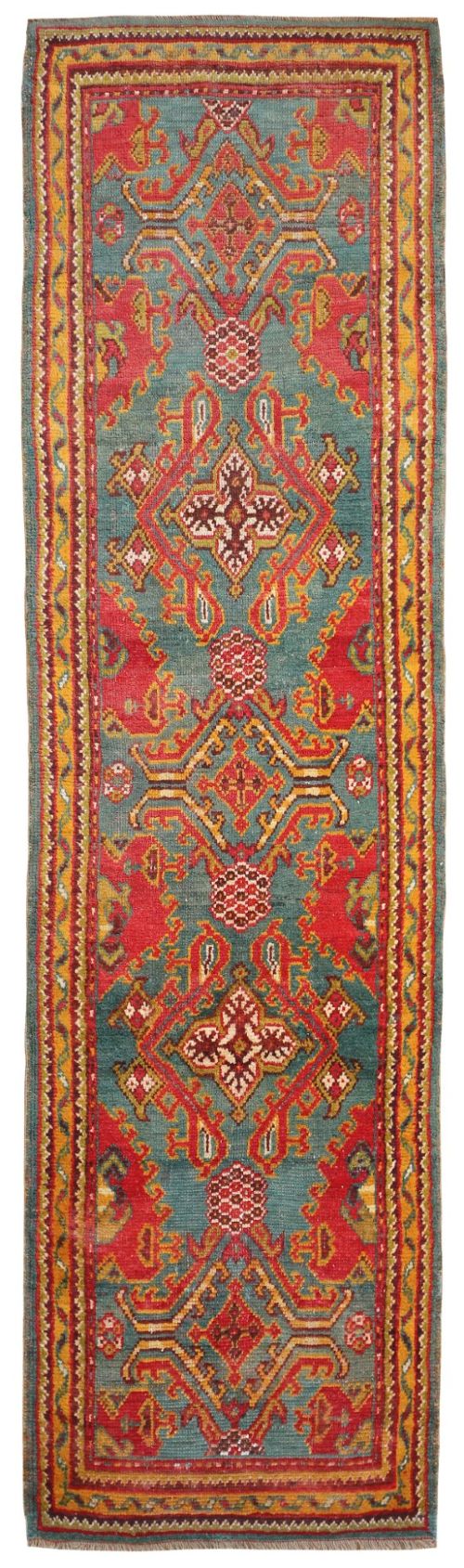
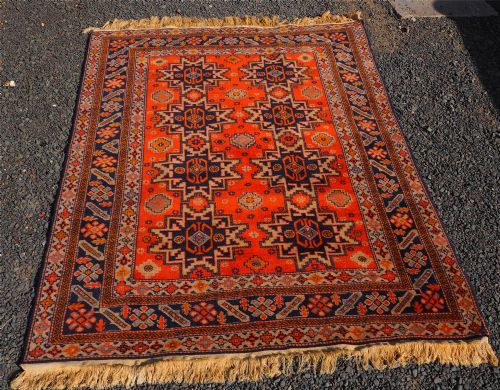
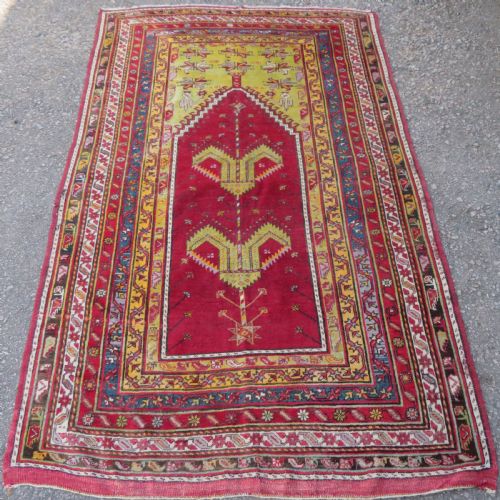
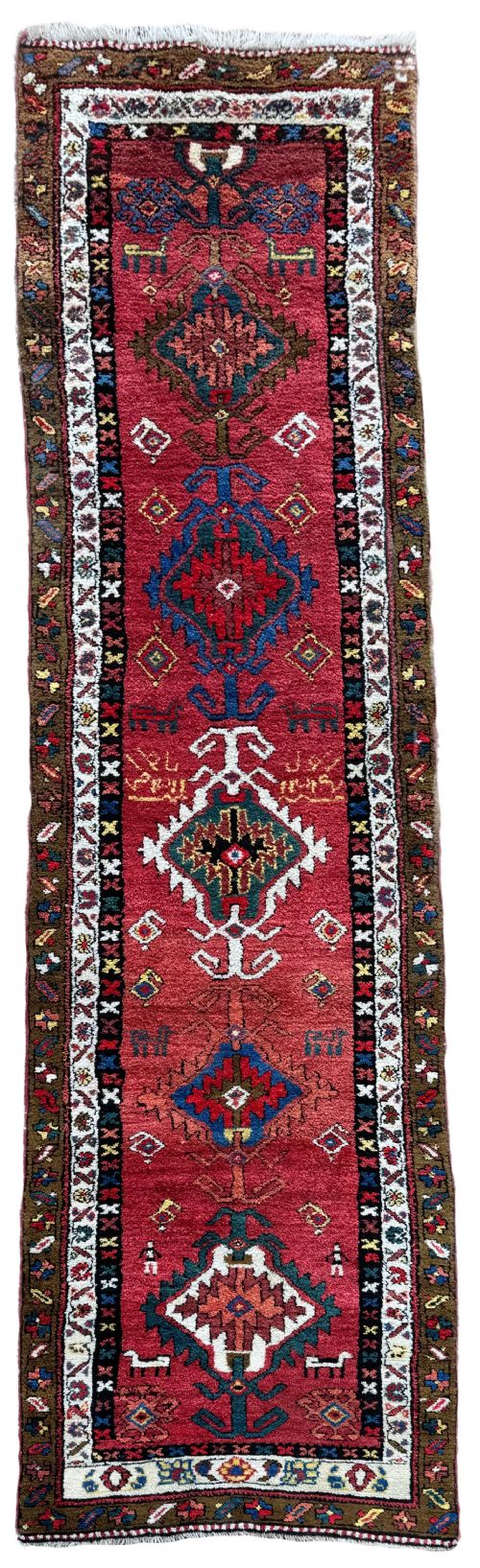
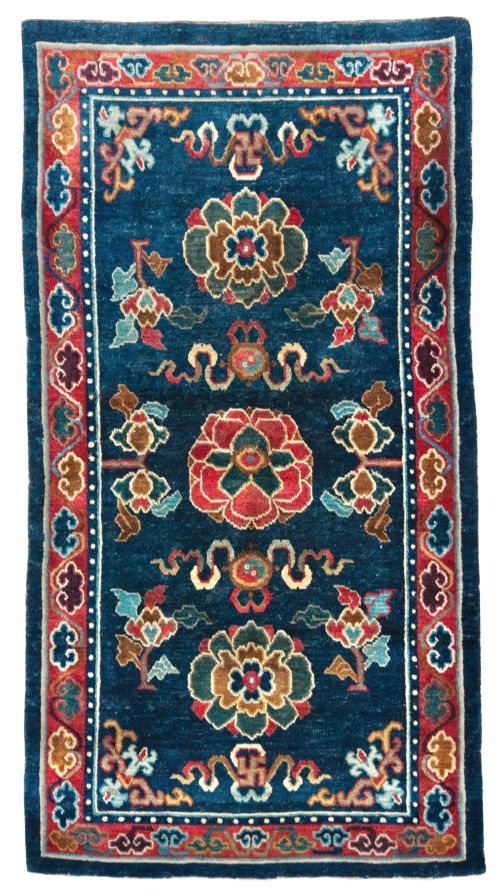
Vintage Tribal Carpet Runner
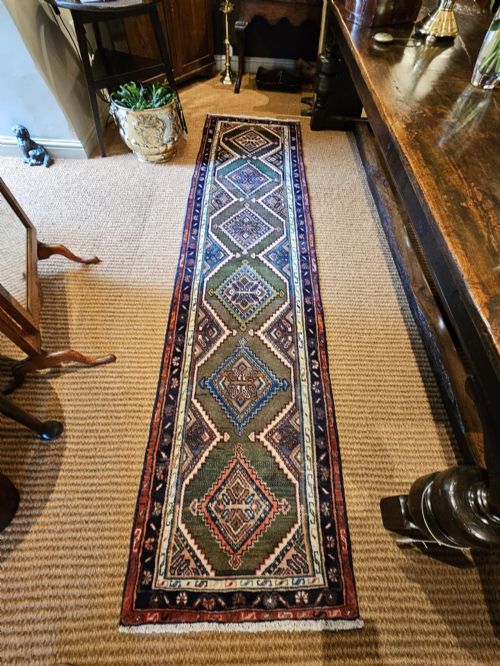
A vintage tribal carpet runner brings rich colour and geometric motifs to a hallway.
Vintage Tribal Carpet Runner
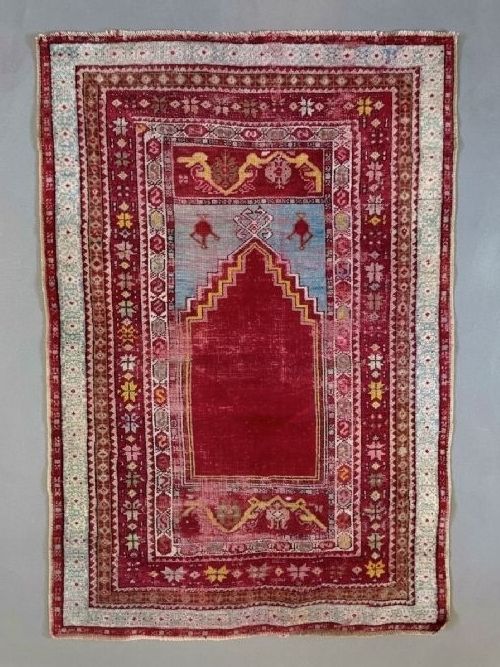
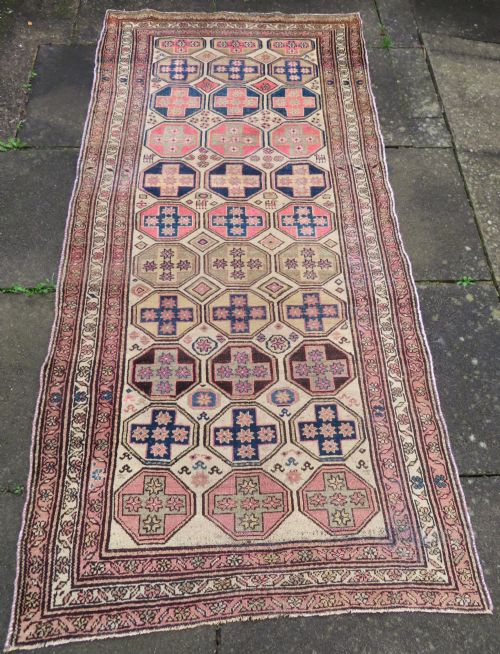
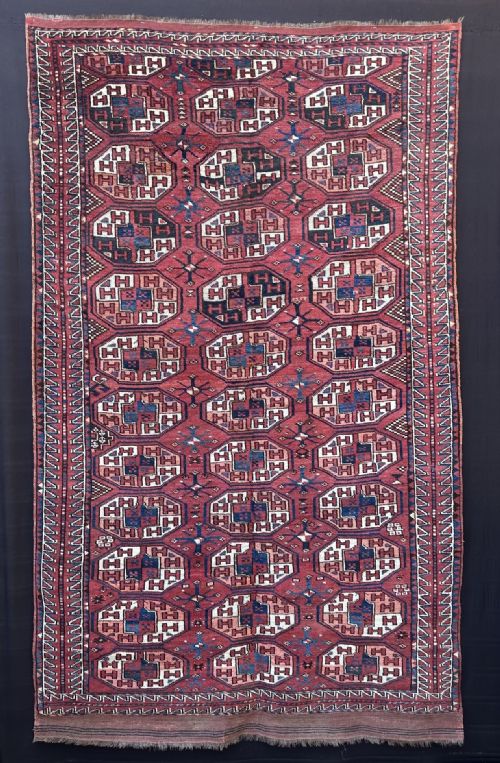
When you search for a vintage tribal carpet runner, you encounter long, narrow floor coverings woven by village or nomadic weavers across Persia, the Caucasus, Anatolia, and Turkmenistan. These textiles served practical purposes in corridors and tents, displaying traditional designs passed down through generations. Most examples on this page date from the late nineteenth century into the early decades of the twentieth century.
The selection includes specific regional styles such as Kurdish, Kazak, Heriz, and Shirvan long runners. Formats range from modest hall lengths to expansive thirty-two-foot corridors, all sharing an elongated proportion designed for heavy traffic areas. Their makers utilised durable wool foundation yarns and pile to withstand daily use while expressing distinct cultural patterns.
How they were made
Weavers constructed these runners using hand-spun wool for the pile, often knotted onto wool or cotton foundations. Certain Moroccan examples incorporate sabra fibre or cactus silk alongside wool, while others feature camel hair for natural tones.
Dyers employed natural and early synthetic colourants to achieve deep madder reds, indigos, and olive greens. The resulting pile resists wear and softens gracefully over decades of use.
Some resilient runners stretch up to thirty-two feet long, originally designed to span vast country house corridors without a break.
What varies in quality
The fineness of the knotting and the complexity of the geometric lattice or medallion design dictate the sophistication of a runner. Tightly packed wool foundations provide greater structural integrity and longevity underfoot.
The depth and harmony of the natural dye palette separate standard village weaving from exceptional tribal artistry. Even when distressed by age, superior pieces retain clear motif definition and balanced proportions.
Kizyl Ayak Tribe·Kurdish·Bakhtiar·Kazak·Kashgai
The Vintage Tribal Carpet Runner Glossary
- Runner
- A long, narrow carpet format specifically proportioned for hallways, corridors, and staircases. These pieces measure significantly longer than they are wide.
- Pile
- The cut or uncut loop surface of a carpet formed by the yarn tied to the warp and weft foundation. This upright wool layer bears the weight of foot traffic.
- Warp
- The vertical foundation threads stretched tightly on the loom before weaving begins. Weavers knot the pile yarn directly onto these stationary strands.
- Weft
- The horizontal threads passed alternately over and under the warp threads to secure the knots in place. This structure holds the entire carpet tension.
- Kilim
- A flat-woven carpet or rug produced without a pile by tightly interweaving warp and weft strands. These textiles offer a lightweight alternative to knotted carpets.
Vintage Tribal Carpet Runner: Frequently Asked Questions
How do I clean a wool runner?
Regular gentle vacuuming without a beater bar removes surface grit from the wool pile. Professional specialist cleaning remains essential for deep washing to protect natural dyes.
Avoid harsh chemical treatments or excessive water immersion, which can damage old foundations. Promptly blot liquid spills rather than rubbing them into the fibres.
Where should I place a long runner?
These narrow formats suit entrance halls, corridors, and wide landings where floor protection and warmth are necessary. Their elongated proportions guide the eye through transitional spaces.
Ensure you use a suitable rug underlay to prevent slipping on smooth wooden or tiled hallway floors. This extra layer also cushions the pile against heavy foot traffic.
How do I identify a tribal design?
Tribal runners typically display geometric motifs, stylized animals, repeating lattice patterns, and stepped medallions rather than flowing court florals. Local weavers relied on memory and tribal tradition rather than drawn cartoon templates.
Asymmetrical details and subtle shifts in wool dye batches often indicate authentic nomadic or village production. Each piece reflects the specific aesthetic of its geographic origin.
Why do some runners use camel hair?
Undyed camel hair provides a soft, durable, and naturally warm golden-brown tone in regional weaving. Traditional makers incorporated this fibre to add resilient texture without relying on imported dyes.
Over decades, exposed camel hair develops a distinctive patina that distinguishes it from dyed sheep wool. It appears most frequently in specific nineteenth and early twentieth-century village pieces.