
Vintage Toilet Table Mirror
These vintage toilet table mirror examples offer compact elegance for the bedroom, combining period woodwork with pivoting glass.
Vintage Toilet Table Mirror
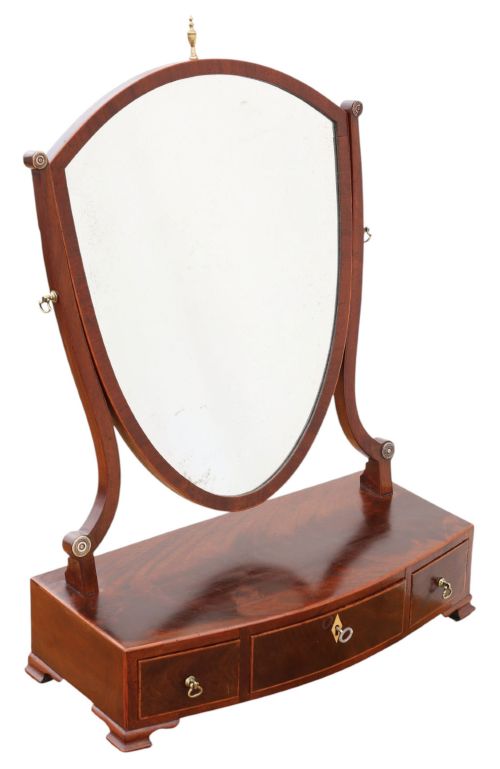
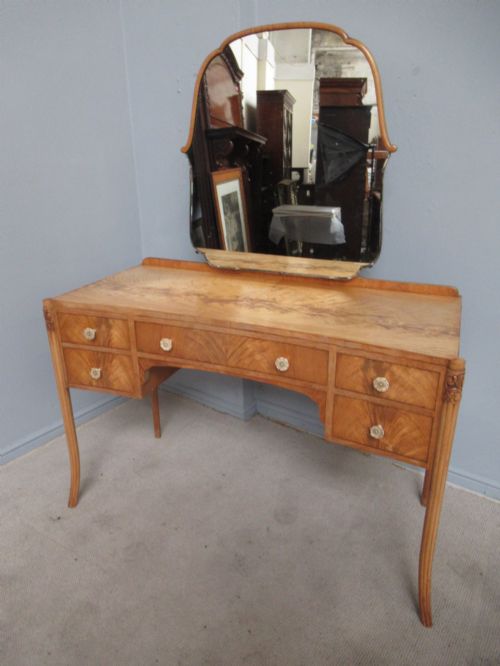
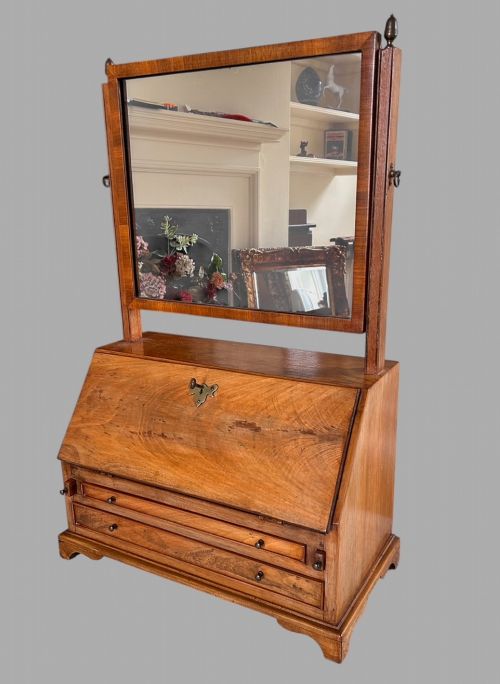
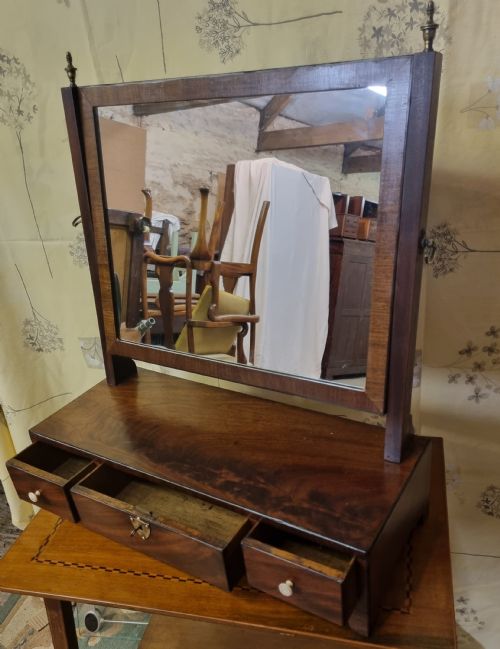
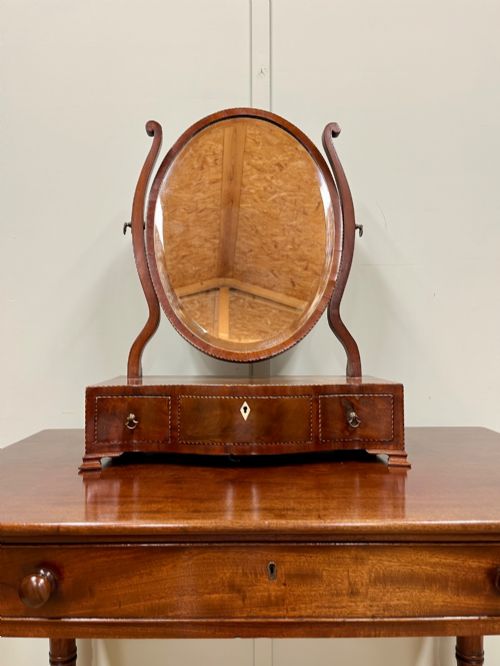
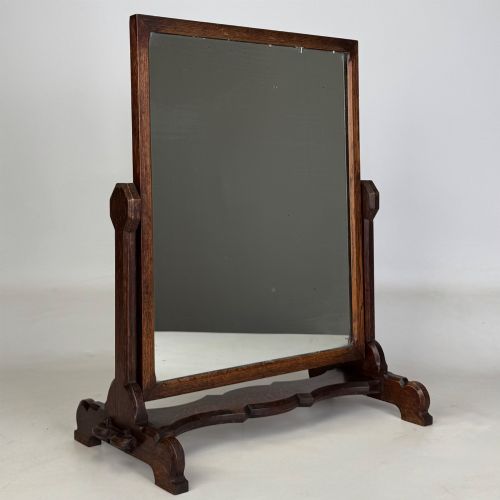
A vintage toilet table mirror sits atop a chest or dressing table, designed to tilt for personal grooming. The pieces catalogued under this search phrase span centuries of cabinet making, from Georgian designs to Edwardian interpretations.
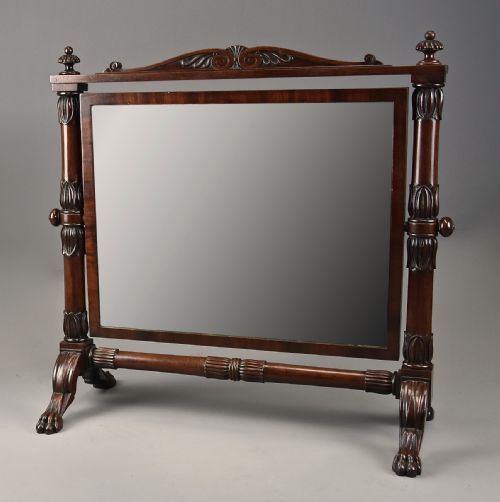
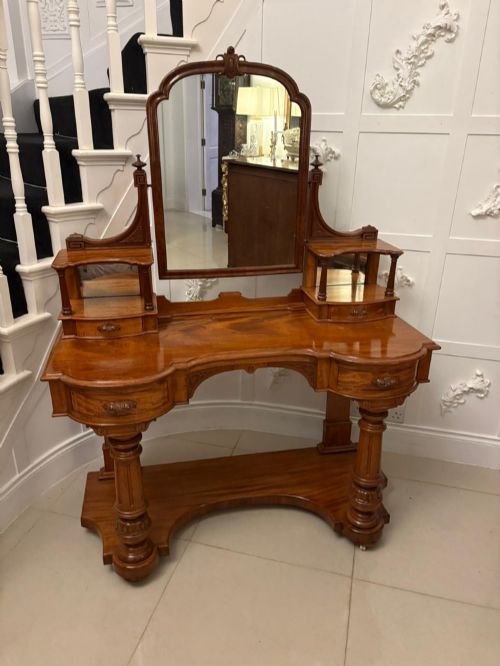
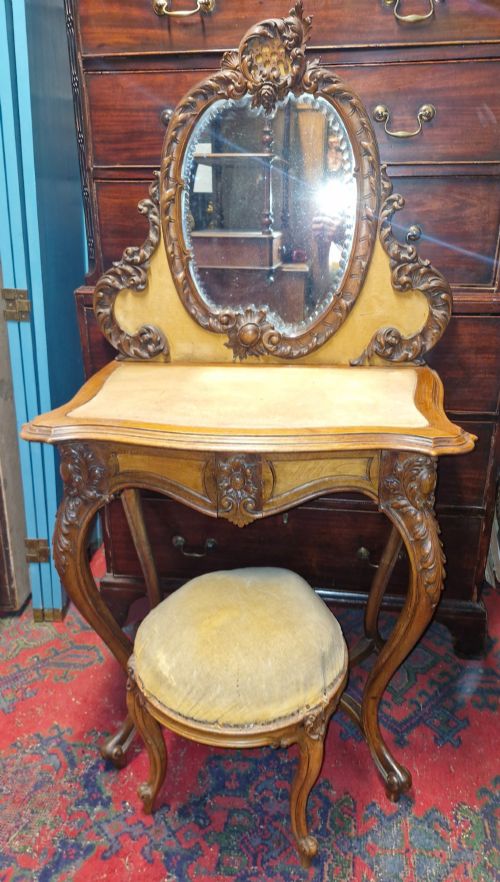
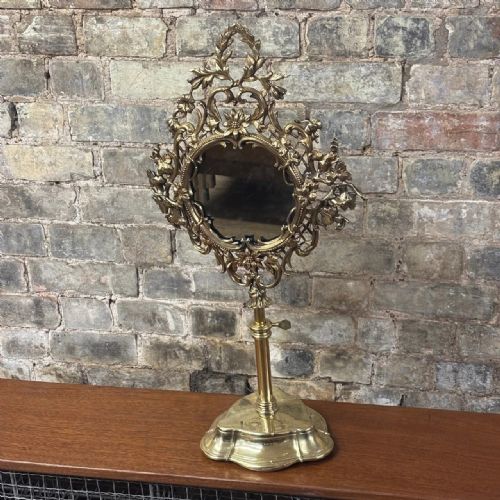
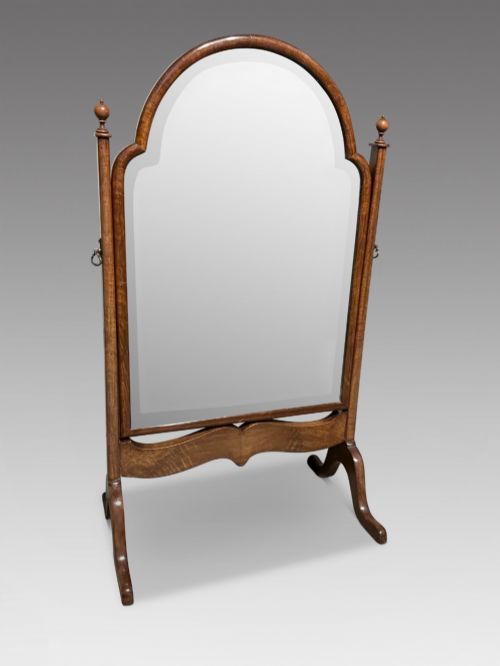
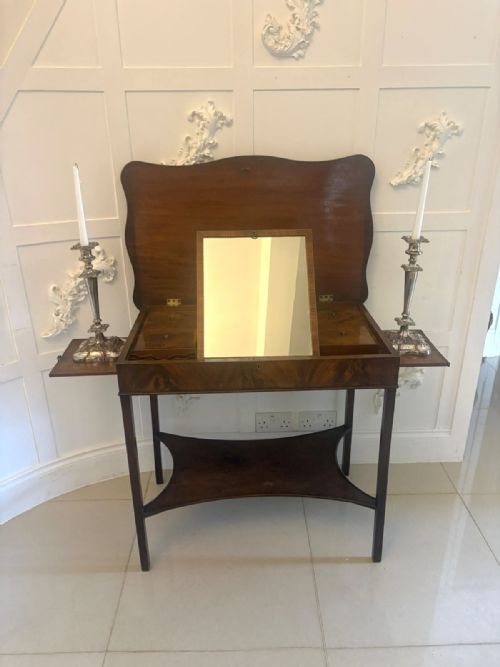
Mahogany forms the primary wood across the selection, appearing alongside walnut, satinwood, and oak. Forms range from simple box-base swing mirrors with small drawers to elaborate shield plates and cheval frames.
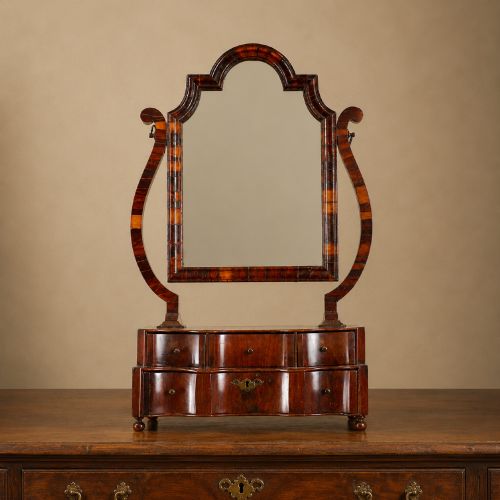
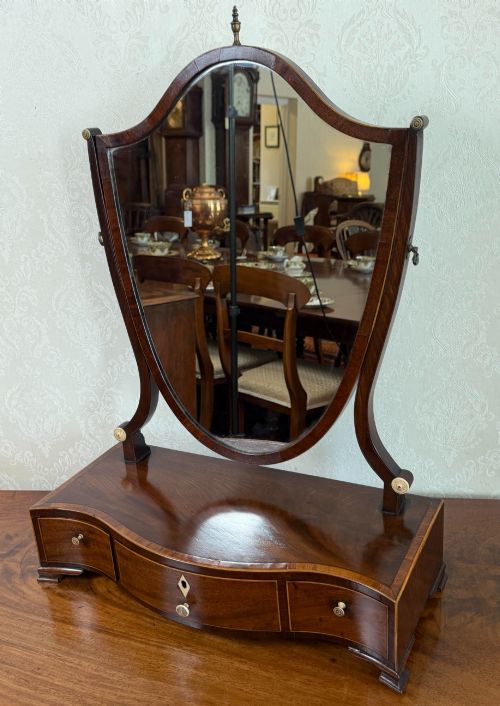
The inventory leans heavily towards nineteenth-century and Georgian pieces, though Edwardian and nineteen-thirty examples appear. Buyers encounter everything from plain upright rectangular glass plates to serpentine bases fitted with bone escutcheons.
How they were made
Cabinet makers constructed the frames using native and imported timbers, frequently employing mahogany, walnut, and maple veneers over secondary woods. Crossbanding, stringing, and marquetry added decorative detail to the upright supports and base boxes.
The mirror glass swung between two vertical arms secured by brass pivot screws or wooden nuts. Drawers within the base utilised dovetailed joints, while smaller compartments often featured tiny turned knobs or bone pulls.
Several miniature drawers hide secret compartments inside the base boxes, perfect for storing forgotten hairpins.
What varies in quality
The refinement of the timber selection and the crispness of the carving dictate the standing of a piece. Finer examples display carefully matched grain patterns, delicate crossbanding, and well-proportioned ogee or serpentine base boxes.
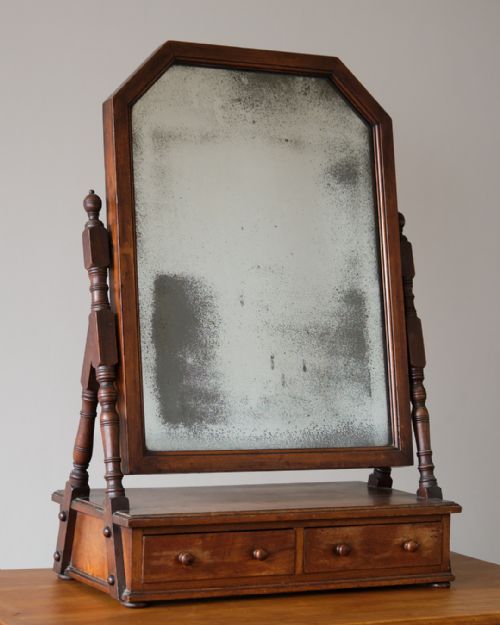
Original mirror plates with honest oxidation contrast with later replacements, while sturdy pivot fittings that hold the glass firmly at any angle show superior initial assembly and subsequent care.
Heal And Sons
The Vintage Toilet Table Mirror Glossary
- Swing mirror
- A glass plate mounted on pivots between two upright arms, allowing the user to adjust the angle. This mechanism is central to most table mirrors.
- Shield mirror
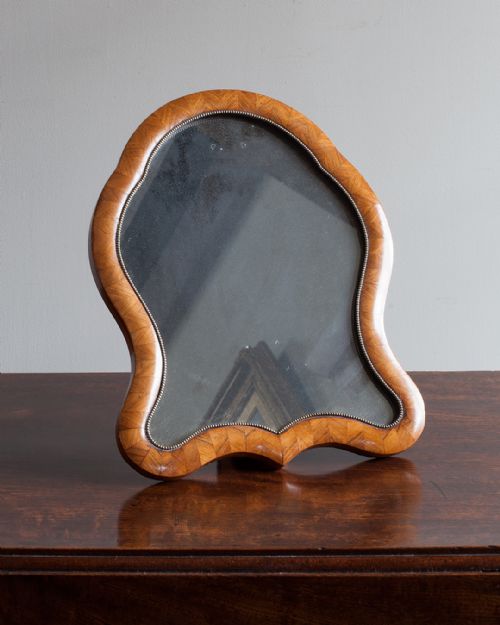
- A mirror plate cut into the outline of a heraldic shield, popular during the Georgian and Victorian periods. It sits atop a small box base.
- Crossbanding
- A narrow strip of veneer laid across the grain of the main surface for decorative effect. It frames the drawers and top surfaces of better pieces.
- Escutcheon
- A small protective plate surrounding a keyhole, often made from bone, brass, or ivory. These tiny details help date the cabinet work.
Vintage Toilet Table Mirror: Frequently Asked Questions
Where should I place a toilet table mirror?
These pieces sit securely on top of a dressing chest, sideboard, or sturdy table. Ensure the surface is level so the weight distributes evenly across the feet.
Position the glass near natural daylight for the best reflection during daily routines.
How do I adjust a loose swing mirror?
Most frames rely on brass screw caps or threaded bolts set into the upright arms. Gently tightening these pivots increases the friction against the frame.
Avoid forcing the screws, as older threads require careful handling to prevent damage.
Are the mirror plates original?
Older glass frequently shows slight foxing, dark spots, or minor wave patterns caused by early manufacturing methods. Completely clear, flawless glass often indicates a later replacement.
Examine the edges of the glass and the backing boards for signs of age that match the frame.
What is the difference between a toilet mirror and a dressing mirror?
Historically, toilet mirrors were smaller table-top versions designed to sit on a washstand or dressing chest. Dressing mirrors often refer to larger cheval styles that stand independently on the floor.
Both terms occasionally overlap in modern listings depending on the overall height.