

Vintage Tilting Mirror
A vintage tilting mirror pivots on a frame to adjust your view, bringing practical elegance and period charm to a dressing space.
Vintage Tilting Mirror
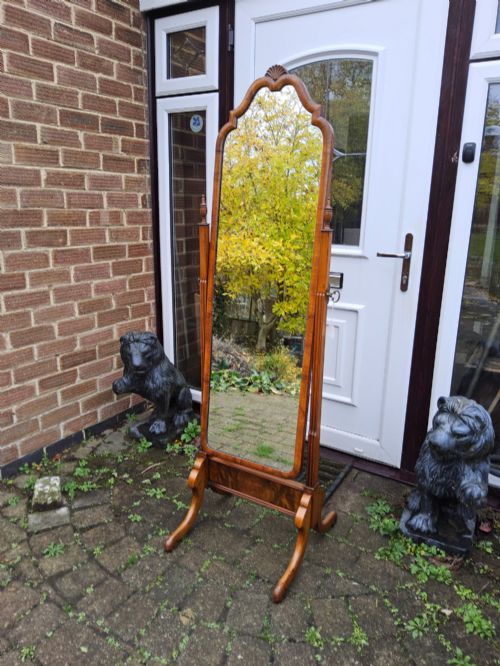
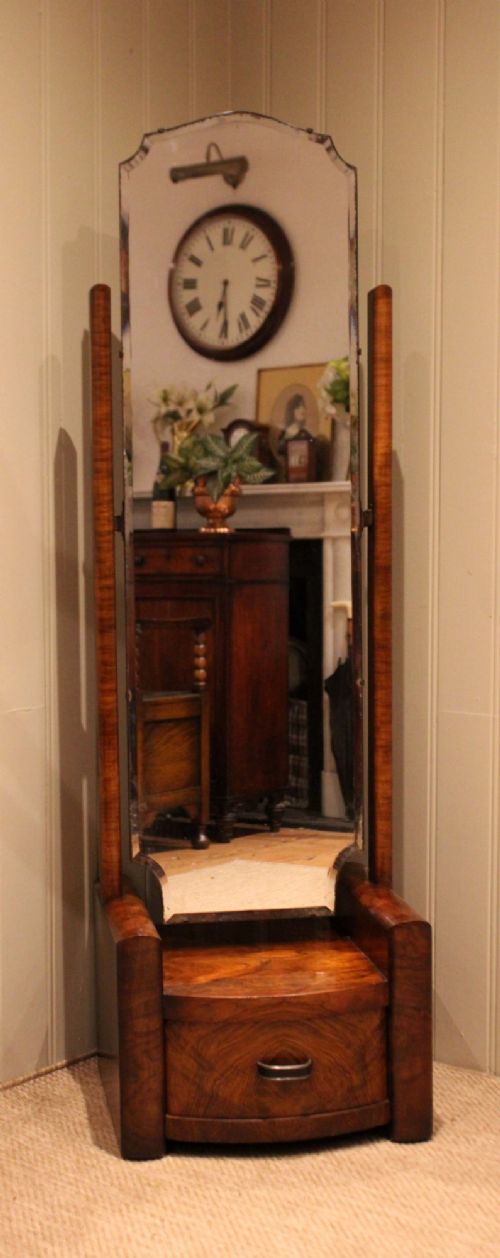
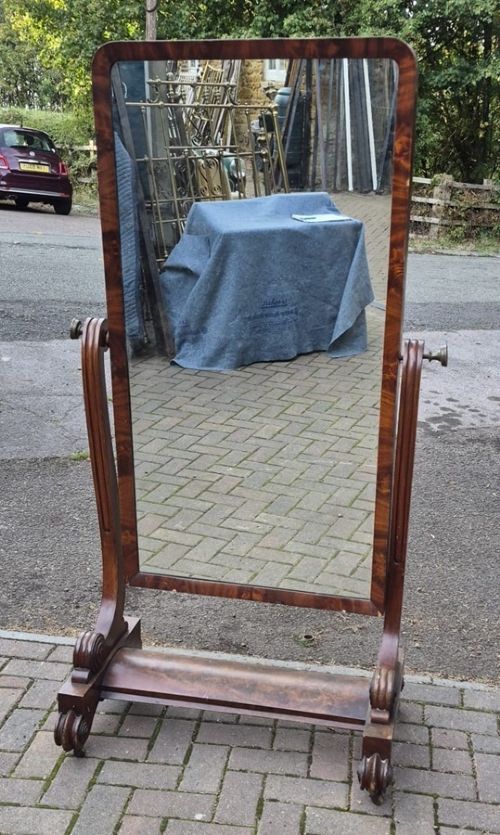
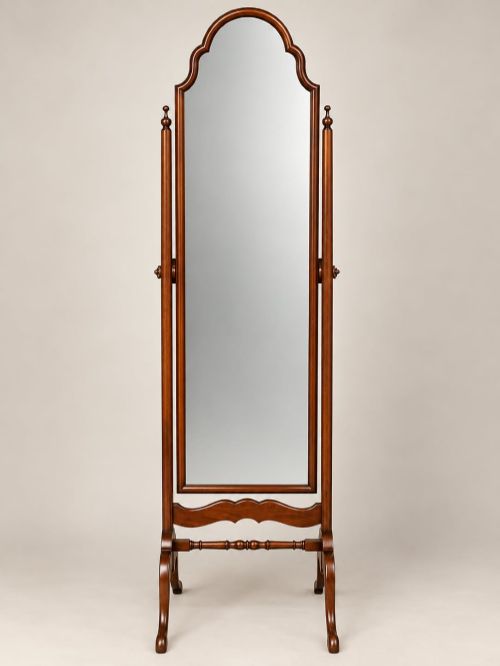
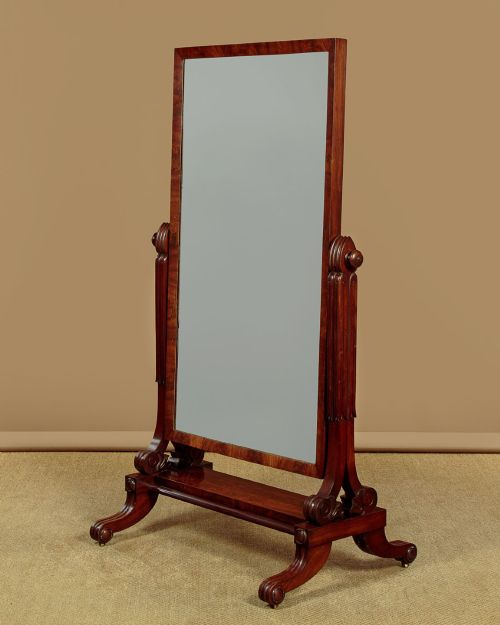
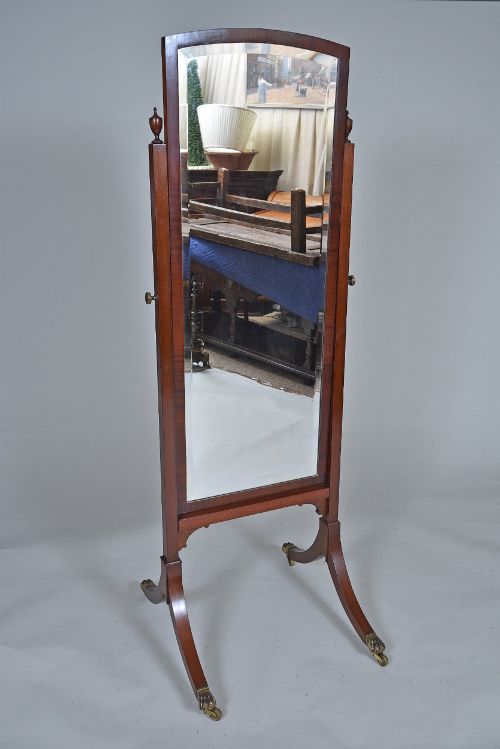
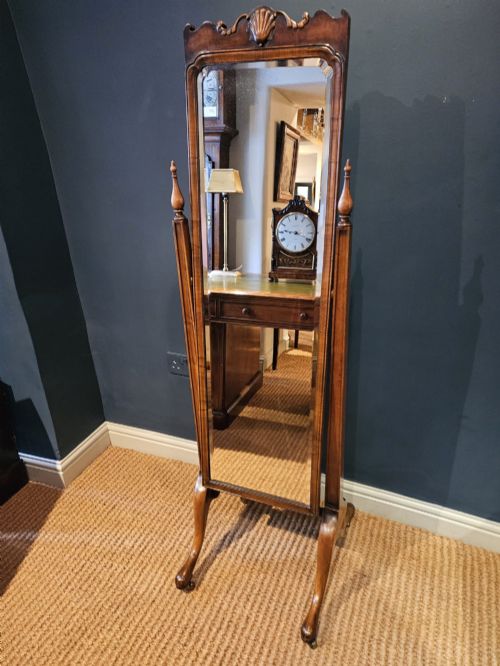
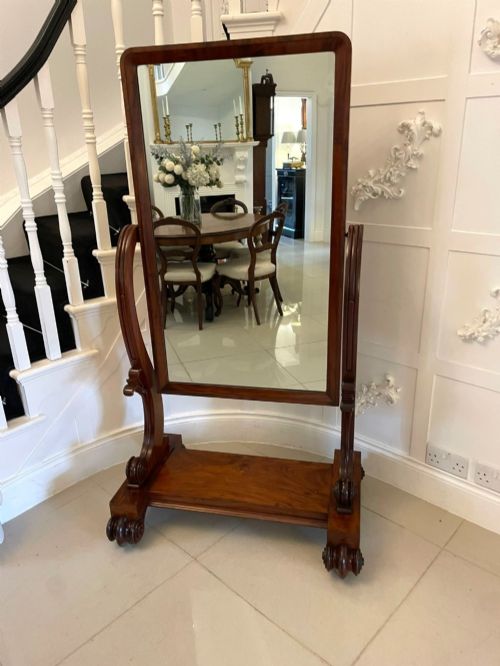
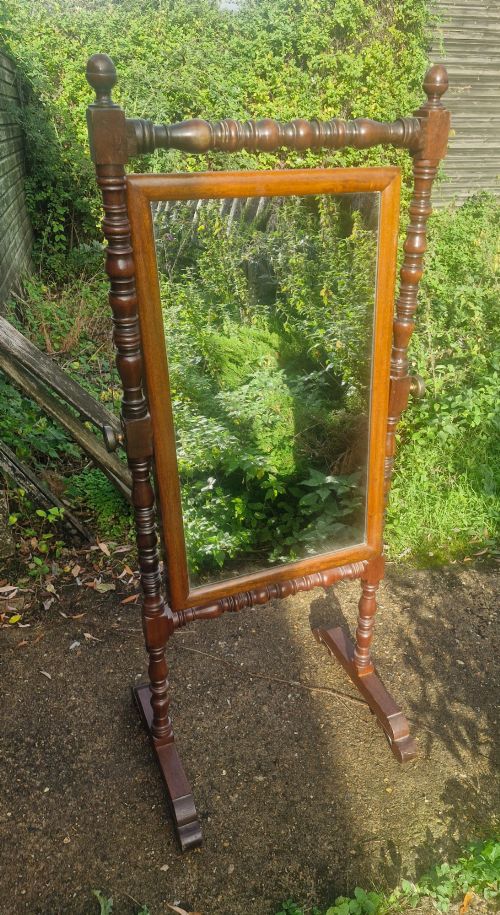
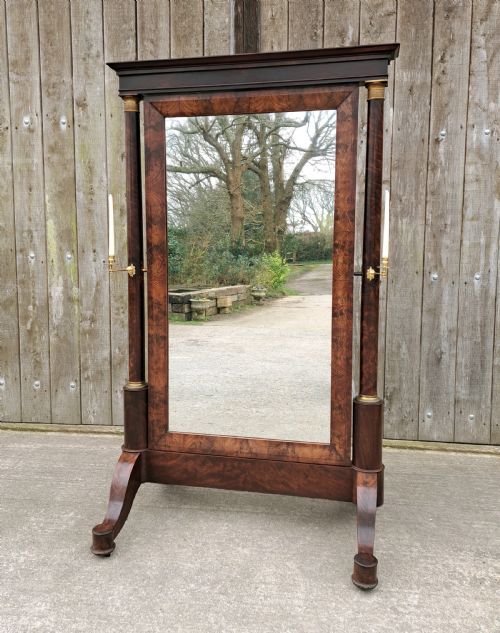
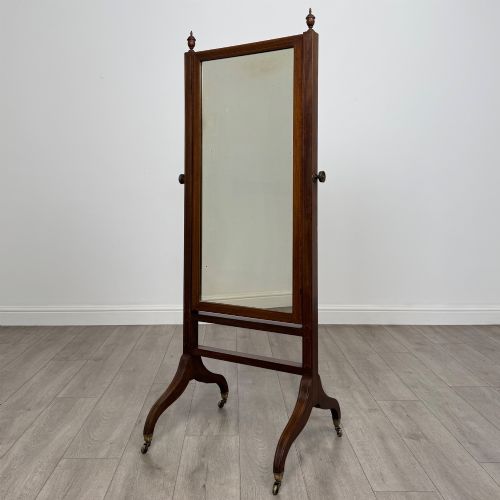
When you search for a vintage tilting mirror, you encounter freestanding cheval frames and smaller tabletop vanity pieces designed for dressing rooms and bedrooms. These items span periods from the nineteenth century through the Edwardian era and into the nineteen-twenties and nineteen-thirties.
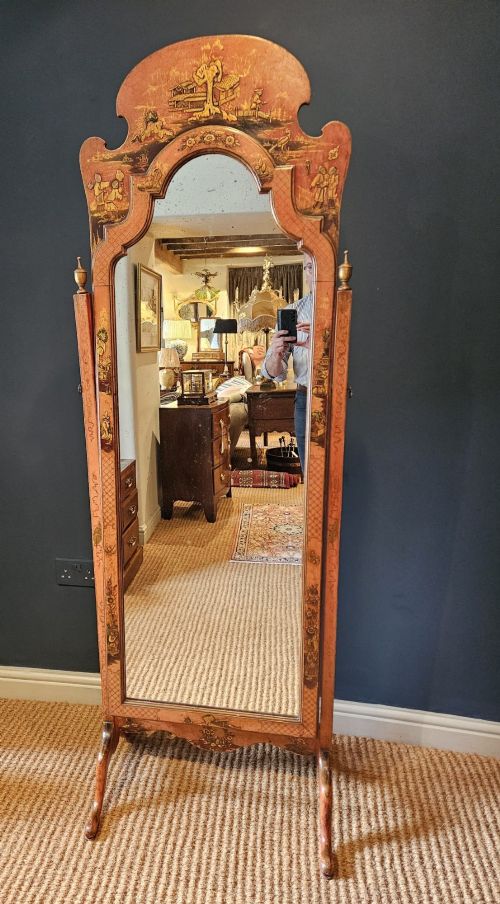
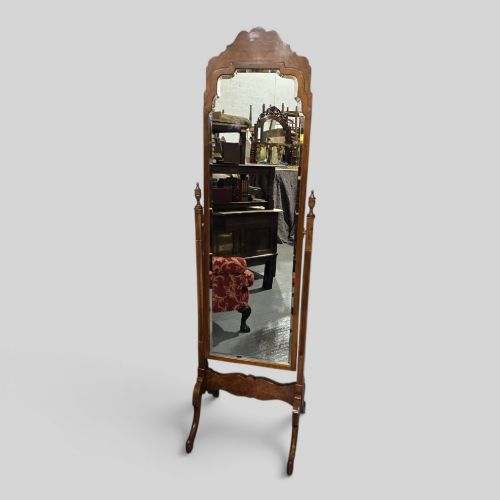
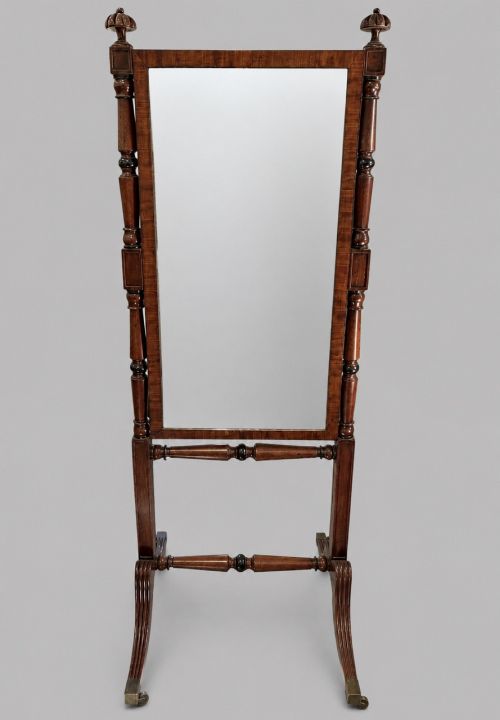
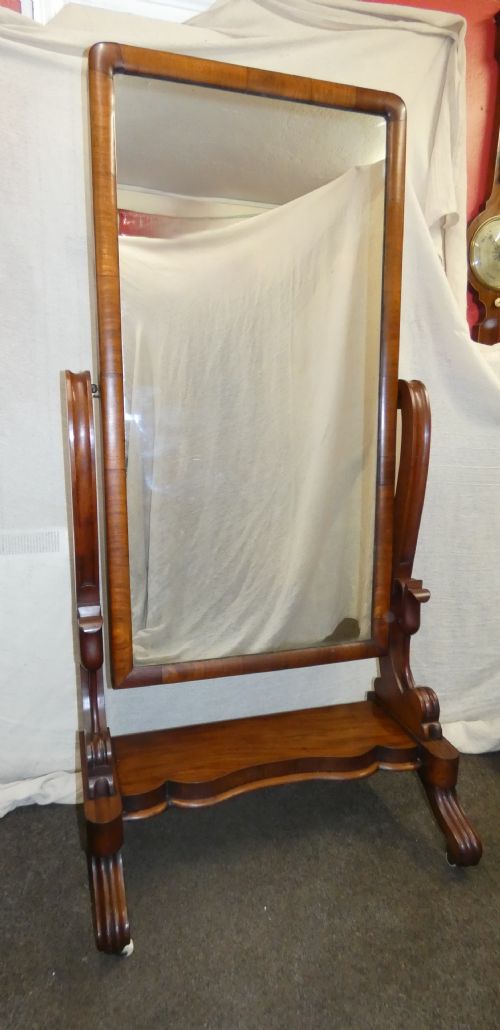
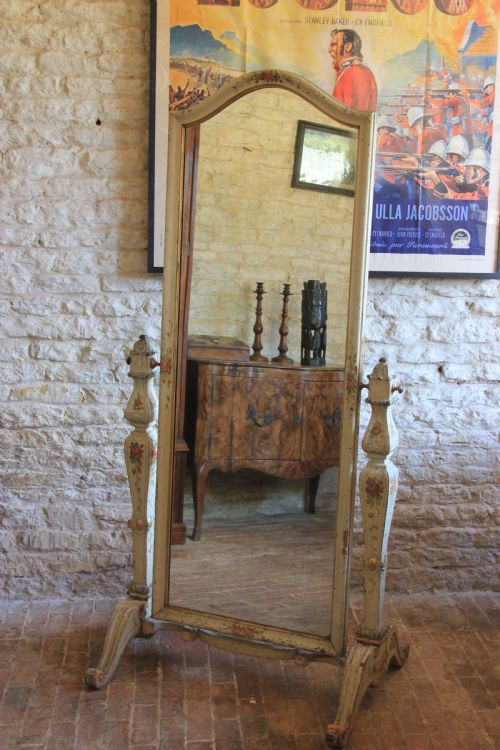
The most common examples on this page are mahogany cheval mirrors, often dating from the Edwardian period or nineteen-twenty. You also find walnut, burr walnut, brass, and painted timber constructions reflecting styles such as Regency, Art Deco, and Chinoiserie.
Assessing quality and craftsmanship
The quality of a vintage tilting mirror rests on the selection of timber, such as figured burr walnut or dense mahogany, and the precision of the joinery in the frame and pivot mechanism. Substantial proportions and bespoke detailing elevate certain examples above standard production pieces.
The integrity of the original glass, the weight and finish of brass mounts, and the stability of the pivoting action further distinguish finer items from simpler utilitarian versions.
Vintage Tilting Mirror Retail Price Guide 2026
Typical asking prices for vintage tilting mirror among the pieces listed under this phrase on Sellingantiques today, from the lower quarter to the upper quarter. They describe what is for sale here now, not the wider market.
One recorded piece once belonged to a General Meigs, travelling across the Atlantic with military provenance.
Waring and Gillow·Whytock and Reid
The Vintage Tilting Mirror Glossary
- Cheval mirror
- A freestanding full-length mirror suspended on a vertical frame that allows it to tilt. This form stands independently on the floor, often supported by four legs.
- Sabot
- A metal sleeve or cap fitted to the foot of a furniture leg. Brass versions frequently appear on nineteenth-century frames.
- Castor
- A small wheel mounted on a swivel attached to the base of a leg. It permits easy movement of heavy floor-standing mirrors.
- Chinoiserie
- A decorative style reflecting European interpretations of Chinese art and motifs. It appears on lacquered or painted mirror frames.
Vintage Tilting Mirror: Frequently Asked Questions
How do I secure a loose tilting mirror?
Most tilting mirrors rely on tension screws or thumb nuts fitted into the side pivots. Tightening these components restores the friction needed to hold the glass at the desired angle.
If the mechanism lacks external adjustment screws, check the internal washers within the pivots. Replacing worn leather or rubber washers often solves stability issues.
Where should I place a cheval mirror?
Cheval mirrors work best in bedrooms or dressing rooms where full-length reflection is useful. Position them near a natural light source to brighten the room.
Ensure the floor surface is level so the frame stands firmly without straining the side pivots.
How do I clean an antique mirror glass?
Use a soft microfiber cloth and a mild glass cleaner sprayed onto the cloth rather than directly onto the glass. This prevents moisture from seeping behind the silvering.
Avoid harsh ammonia-based solutions that can damage old glass plates and surrounding wooden frames.
What is the difference between a cheval and a vanity mirror?
A cheval mirror is a tall, freestanding floor piece designed to show the entire outfit. A vanity mirror is smaller and sits upon a dressing table or chest of drawers.
Both types utilise pivoting frames, but their scale and placement in a room differ completely.