


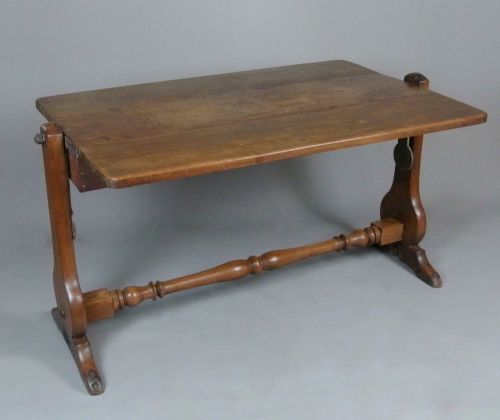
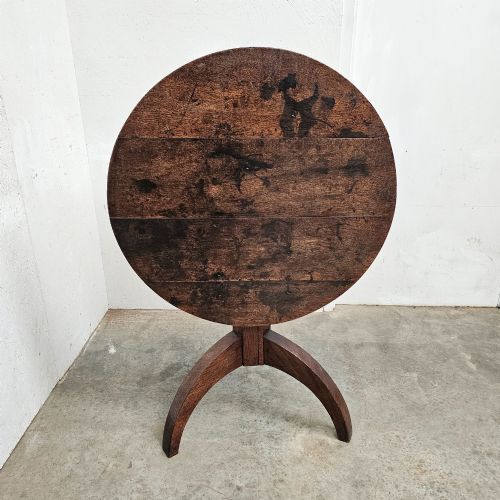
Vintage Tilt Top Table
These vintage tilt top table examples combine ingenious pivoting mechanisms with rich timber construction for versatile living.
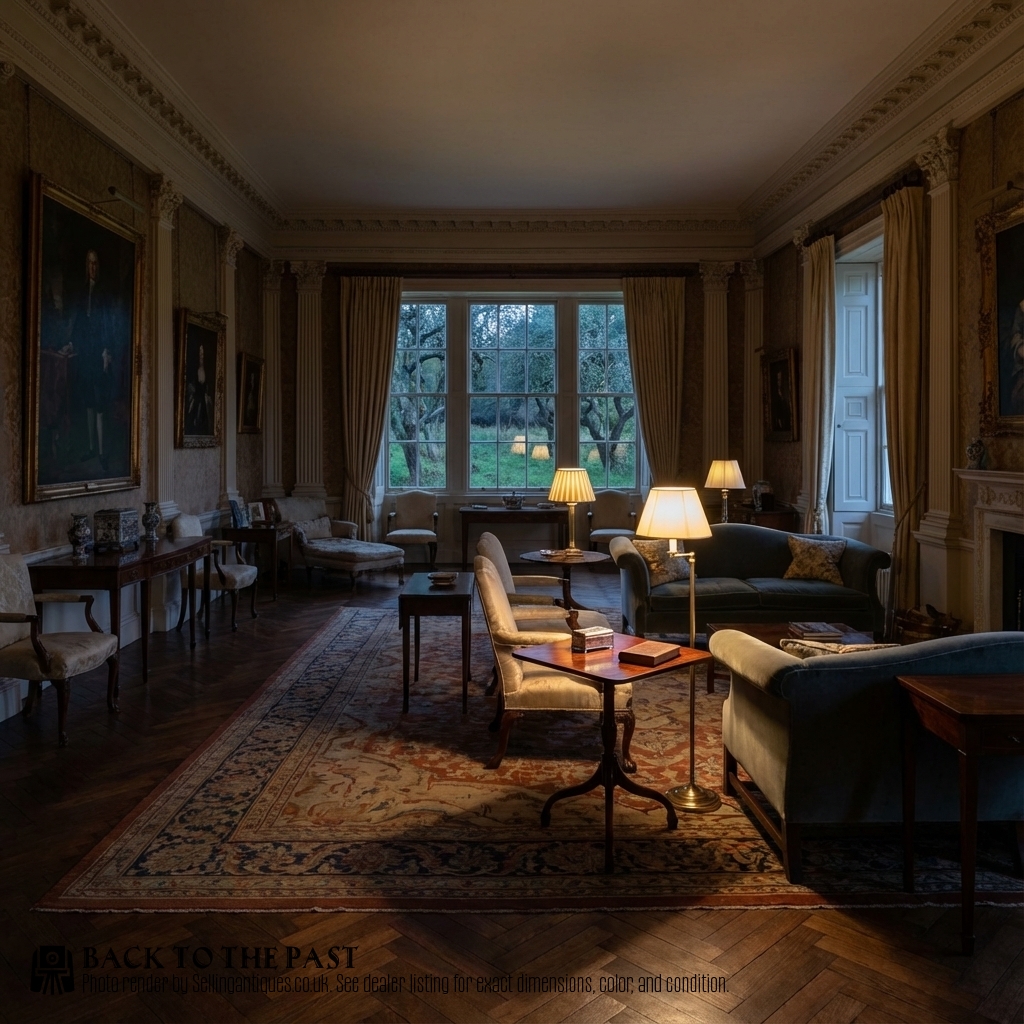
Vintage Tilt Top Table
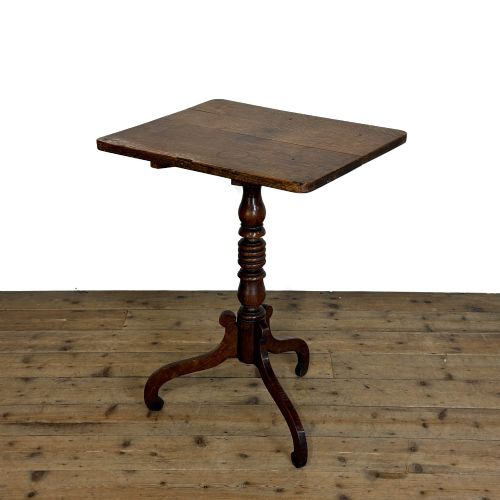
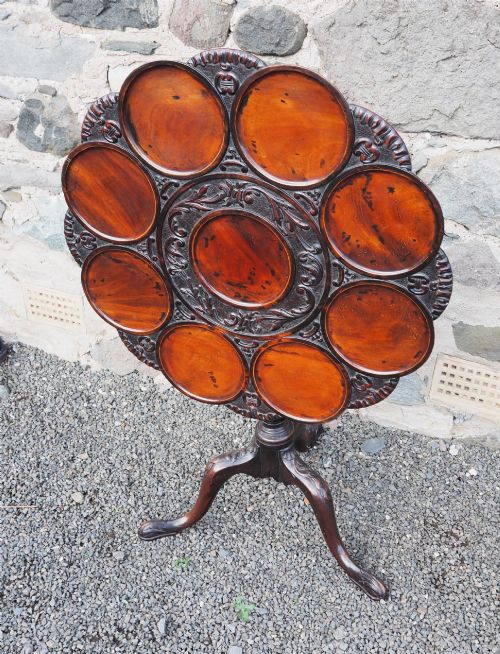
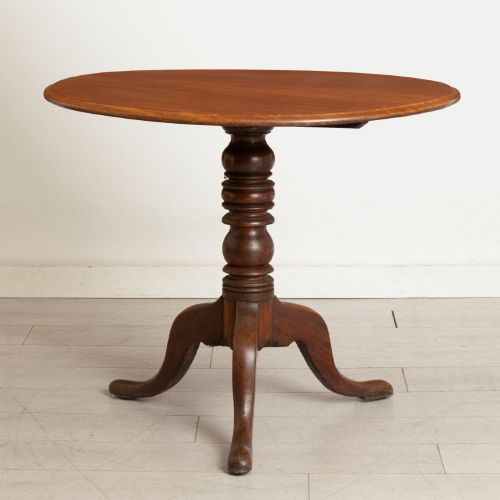
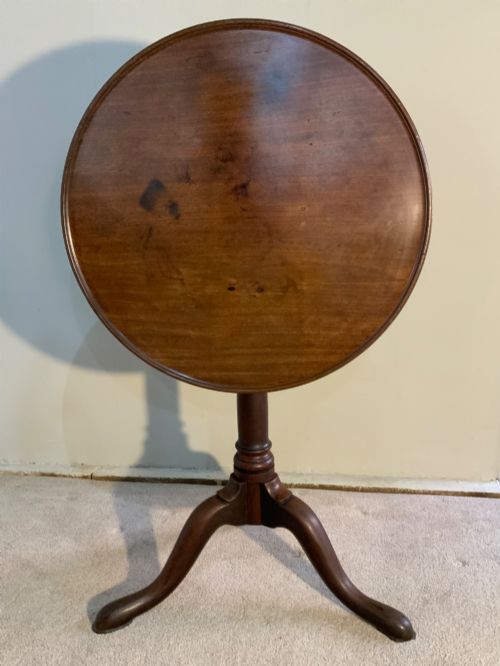
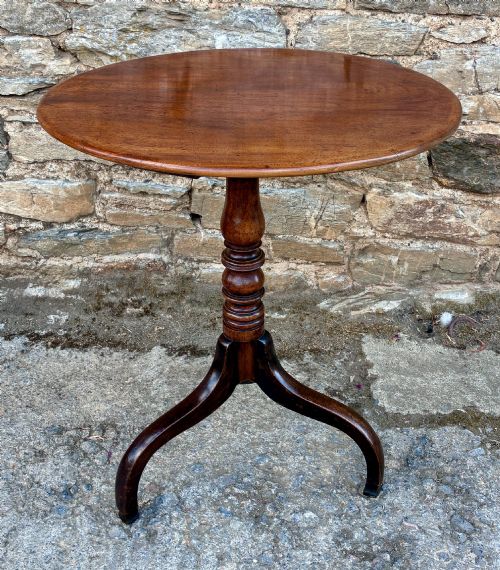
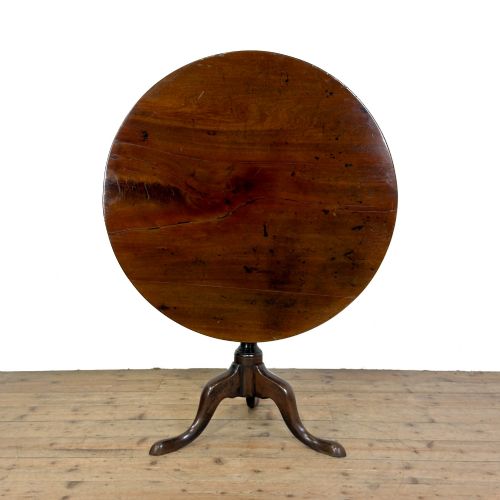
When you search for a vintage tilt top table, you encounter a clever pivoting design intended to save space when not in use. These pieces often function as wine tables, breakfast tables, or occasional tables depending on their scale and period.
The pieces on this page span the eighteenth, nineteenth, and early twentieth centuries, drawing on Georgian, Victorian, and Regency traditions. Mahogany and oak dominate the selection, alongside walnut, rosewood, and pine.
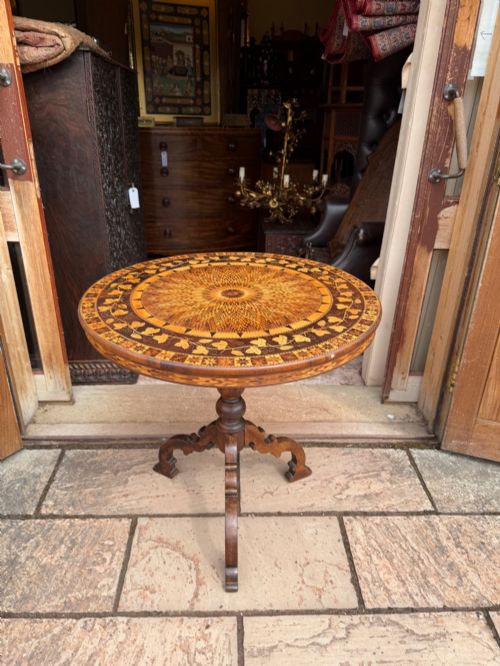
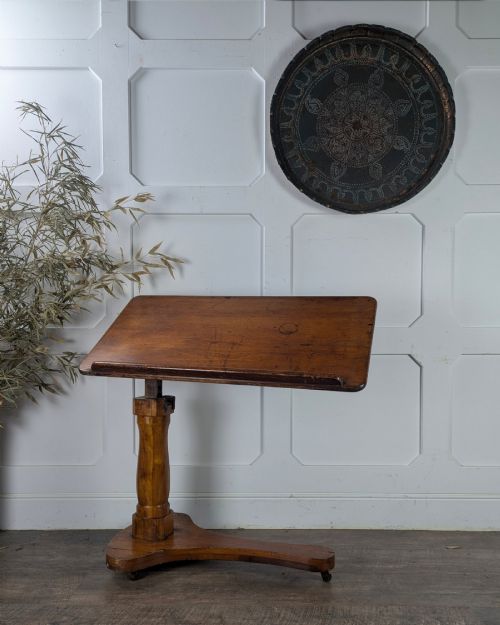
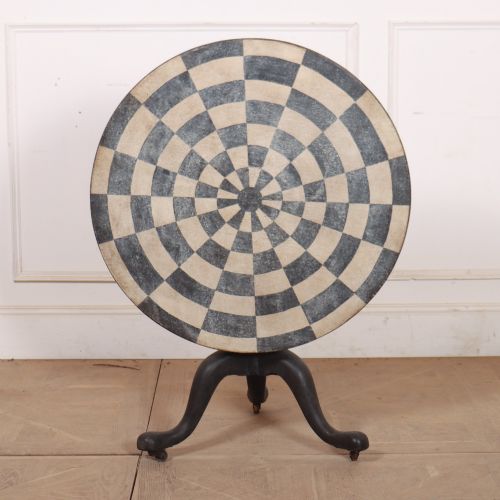
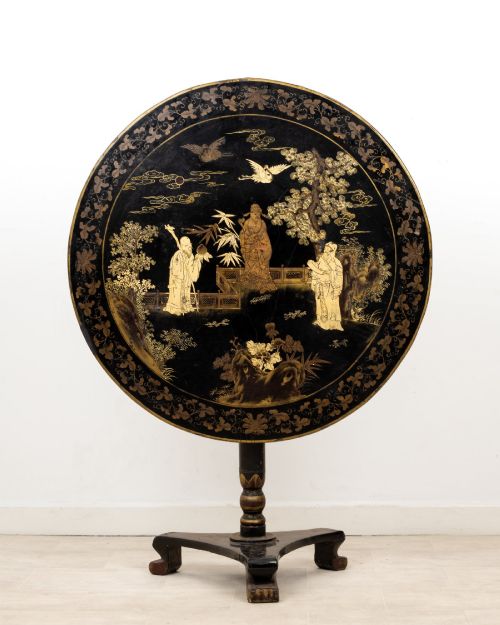
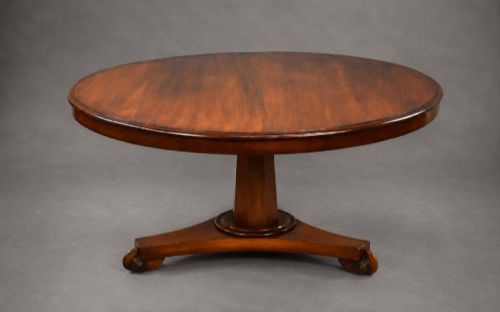
Forms range from compact tripod wine tables to large dining centre tables and specialised campaign pieces. You will find straightforward utilitarian designs alongside elaborately inlaid or painted surfaces.
How they were made
Cabinetmakers constructed these tables using dense timbers such as mahogany, oak, and walnut, often selecting figured veneers for circular tops. Solid woods provided the structural integrity required for the pivoting mechanism and pedestal base.
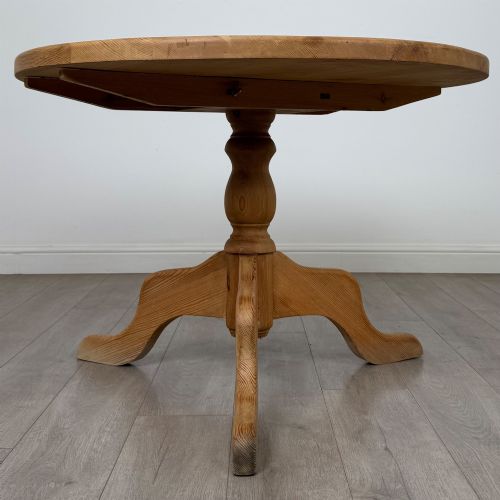
The signature tilt mechanism relied on wooden catches, brass hinges, or birdcage fixtures that allowed the top to swivel and lock flat. Turned pedestals supported by tripod legs or faceted columns distributed weight evenly while permitting the top to fold upright.
Vintage Tilt Top Table Retail Price Guide 2026
Typical asking prices for vintage tilt top table among the pieces listed under this phrase on Sellingantiques today, from the lower quarter to the upper quarter. They describe what is for sale here now, not the wider market.
Some tables even include later painted floral designs or mother of pearl inlay, proving past owners enjoyed personalizing their pivoting furniture.
What varies in quality
Quality rests in the precision of the pivoting mechanism and the stability of the central column. Superior examples operate smoothly without wobble in the hinge, whereas lesser pieces show wear and looseness in the joint over time.
The choice of timber and surface figuring also distinguishes the range. Finely figured mahogany, burr walnut, and satin birch elevate a piece above utilitarian pine or plain oak versions.
The Vintage Tilt Top Table Glossary
- Tilt top
- A tabletop mounted on a pivoting mechanism that allows the surface to fold vertical for storage. This clever adaptation saved valuable floor space in historical rooms.
- Tripod base
- A pedestal support featuring three curving legs radiating from a central pillar. This configuration ensured stability on uneven floors.
- Birdcage
- A wooden framework beneath the tabletop that enables both tilting and rotation. It represents a sophisticated piece of joinery found on finer eighteenth-century examples.
- Wine table
- A small occasional table designed to hold glasses and bottles during evening gatherings. They frequently feature circular tops and slender pillar supports.
- Breakfast table
- A larger pedestal table traditionally used for morning meals before being cleared away. They often showcase substantial figured mahogany or rosewood tops.
Vintage Tilt Top Table: Frequently Asked Questions
Why do these tables tilt?
The tilting mechanism allowed historical households to store the furniture flat against a wall when not in use. This saved considerable floor space in crowded rooms.
Today, this feature remains a clever space-saving attribute for modern apartments and smaller living areas.
How do I identify a Georgian tilt top table?
Georgian examples often feature tripod bases, birdcage mechanisms, and solid mahogany or oak construction. Their proportions tend to be elegant and restrained.
Look closely at the turning of the pillar and the shaping of the legs to confirm the period style.
Where should I place a wine table?
Wine tables suit tight spaces beside armchairs, sofas, or in corners where a full-sized side table proves too bulky. Their compact circular tops hold a lamp or a book easily.
Their mobility allows you to shift them around a room depending on your seating arrangement.
What is the difference between a wine table and a breakfast table?
Wine tables are small and lightweight, designed primarily for holding drinks or small items beside seating. Breakfast tables are significantly larger and heavier, built to accommodate morning meals.
Breakfast tables often feature more elaborate pedestals and larger circular or oval tops.