


Vintage Terracotta Sculpture
Vintage terracotta sculpture brings tactile warmth and classical depth into a room, spanning figures, animals, and architectural busts from the nineteenth and early twentieth centuries.
Vintage Terracotta Sculpture
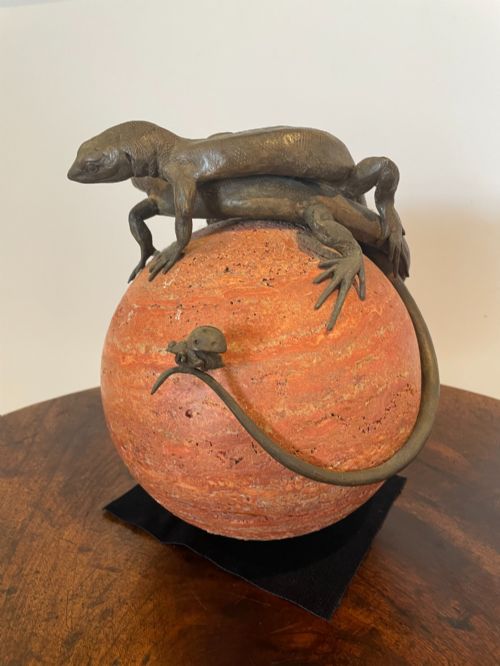
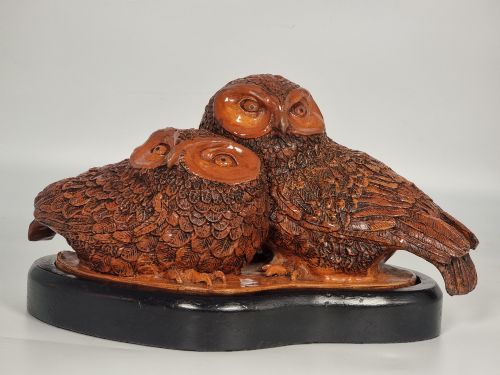
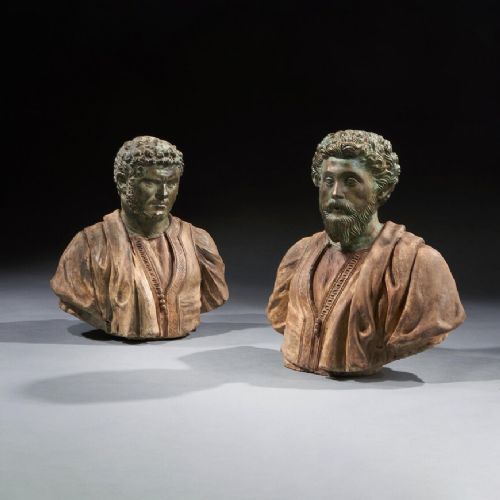
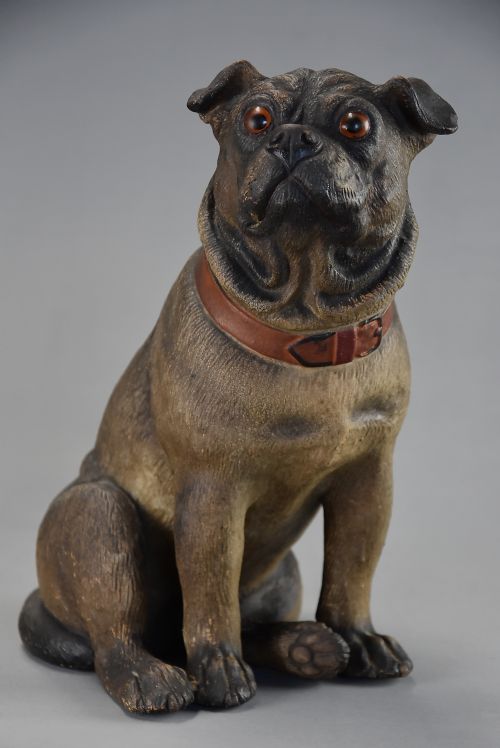
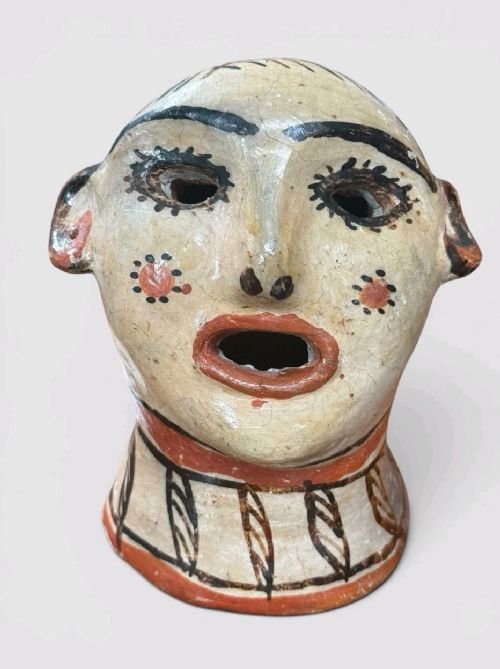
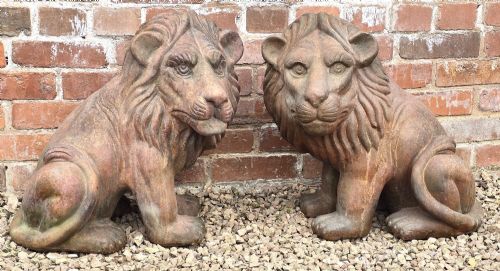
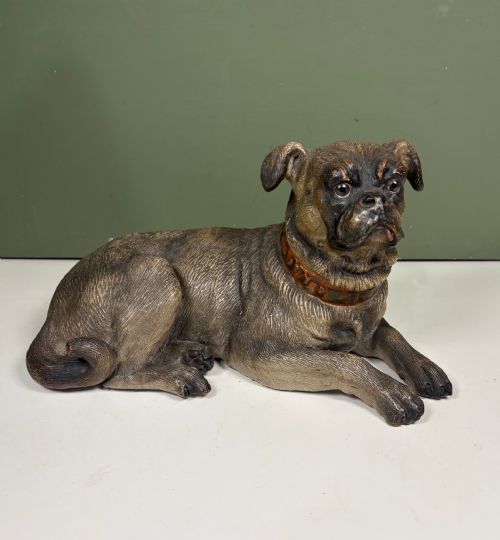
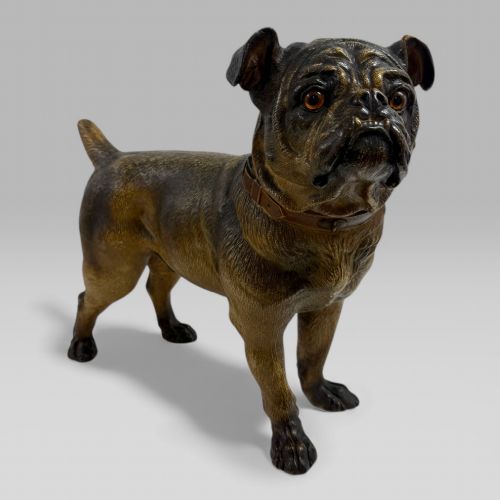
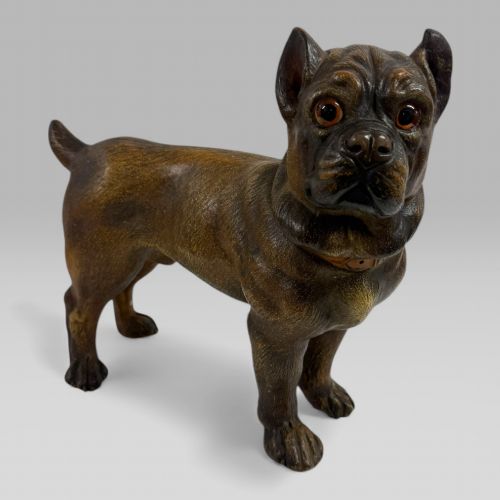
A vintage terracotta sculpture encompasses three-dimensional modelled earth, ranging from nineteenth-century life-size animalier figures and classical portrait busts to early twentieth-century decorative dancers and architectural wall masques. When exploring vintage terracotta sculpture, you encounter diverse forms such as seated pug dogs, recumbent lions, classical deities, and folk art animal figures originating from Austrian, Italian, French, and English workshops.
The selections span distinct stylistic periods including Victorian, Edwardian, Art Nouveau, and Art Deco, alongside pieces influenced by earlier regional traditions like Tang Dynasty style or Khmer design. Common formats include substantial garden statues, pair bookends, portrait pairs, and monumental figures designed for interior display or exterior placement.
Materials and production methods
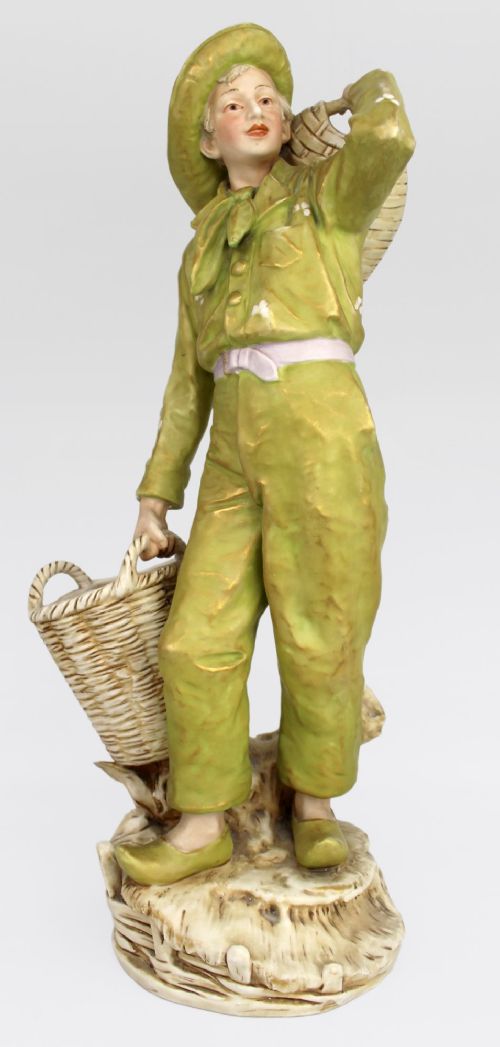
The primary medium is fired clay, encompassing standard terracotta, earthenware, and stoneware, frequently shaped through hand modelling or slip casting in moulds. Many pieces receive surface treatments including applied paint, polychrome glazes, cold painting, bronzed slips, or faux marble finishes to emulate metal or stone.
Makers often utilised specialist pottery bodies fired at specific temperatures to achieve durability, allowing figures to function both indoors as decorative art and outdoors as garden statuary.
Listings feature items spanning from the nineteenth century through the 1940s, encompassing terracotta, earthenware, plaster, and glazed ceramic forms.
What determines quality in moulded and modelled earth
The integrity of the clay body and the precision of the firing process also dictate longevity, particularly for pieces exposed to the elements in garden settings.
Royal Dux Bohemia·Goldscheider·Compton Potters Art Guild·Bernard Bloch
The Vintage Terracotta Sculpture Glossary
- Terracotta
- An unglazed or glazed fired earthenware clay of a brownish-red colour. It serves as the primary structural medium for the majority of these figurative and sculptural works.
- Animalier
- A nineteenth-century artistic genre dedicated to the realistic portrayal of animals. Sculptors in this tradition captured dogs, lions, horses, and birds with careful anatomical precision.
- Cold painted
- A method where paint is applied to a fired terracotta or bronze surface without subsequent kiln firing. This technique permits intricate polychrome detail on animal and human figures.
- Slip cast
- A manufacturing process where liquid clay slip is poured into a plaster mould to create hollow figures. It allowed workshops to replicate complex sculptural forms efficiently during the early twentieth century.
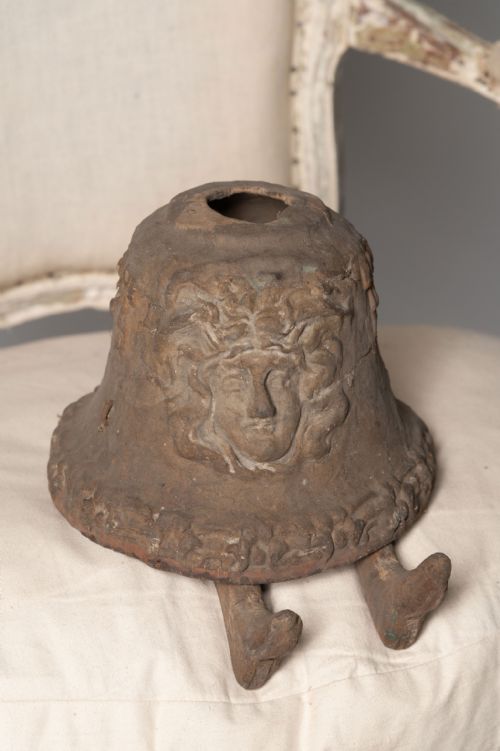
- Wall masque
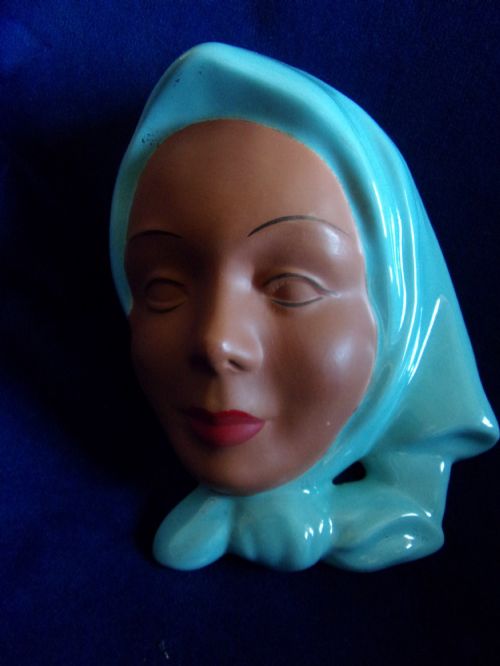
- A decorative sculptural relief designed to be mounted directly onto a wall. These items frequently display theatrical, classical, or Art Deco character faces.
Vintage Terracotta Sculpture: Frequently Asked Questions
How do I clean antique terracotta?
Dust terracotta gently with a soft, dry brush to prevent dirt accumulation in recessed details. Avoid using water or chemical solvents on painted or cold-painted surfaces.
For unglazed exterior garden statues, a gentle brush with lukewarm water removes organic debris without harming the clay body.
Were these sculptures made for gardens?
Many larger pieces, including lions, eagles, and sturdier earthenware animals, were manufactured specifically as architectural ornaments or garden statues. Their dense fired clay construction allowed them to withstand external environments.
Finer portrait busts, cold-painted figures, and glazed wall masques were strictly intended for interior display and domestic rooms.
What is bronzed terracotta?
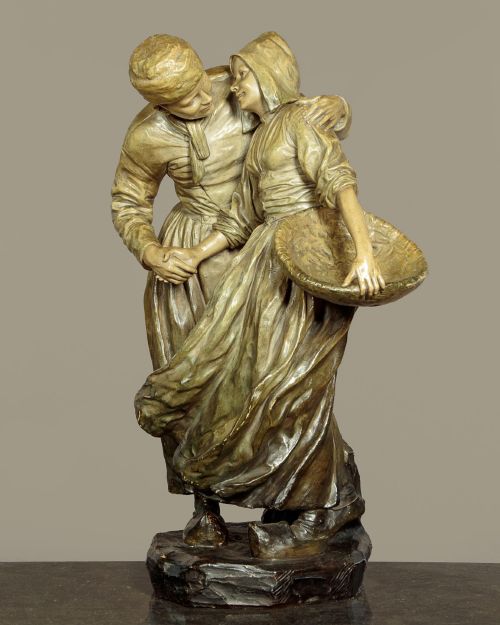
Bronzed terracotta refers to clay figures finished with a metallic slip or paint mixture designed to simulate solid bronze. This technique provided the visual weight and sheen of metal at a lower production cost.
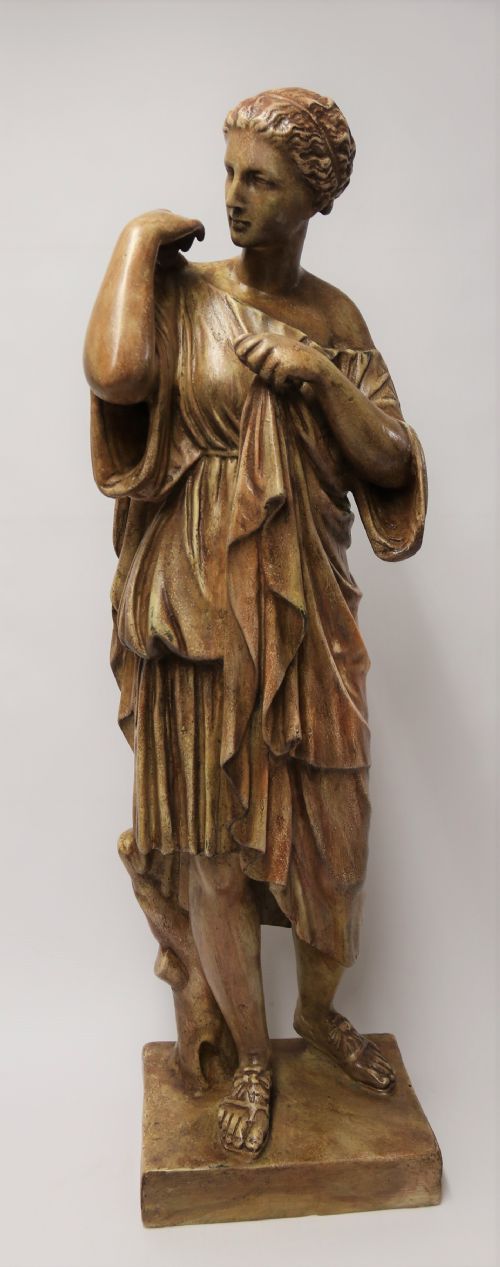
Makers utilised this finish extensively across nineteenth-century classical figures and animalier subjects.
How can I date a terracotta sculpture?
Dating relies on stylistic markers, such as the flowing organic lines of Art Nouveau or the geometric abstraction of Art Deco, combined with base signatures and material patination. Examining the manufacturing technique, from hand-sculpted individuality to early mould-based slip casting, provides further chronological context.
Maker stamps and impressed registration numbers help pinpoint specific production eras within the nineteenth and twentieth centuries.