

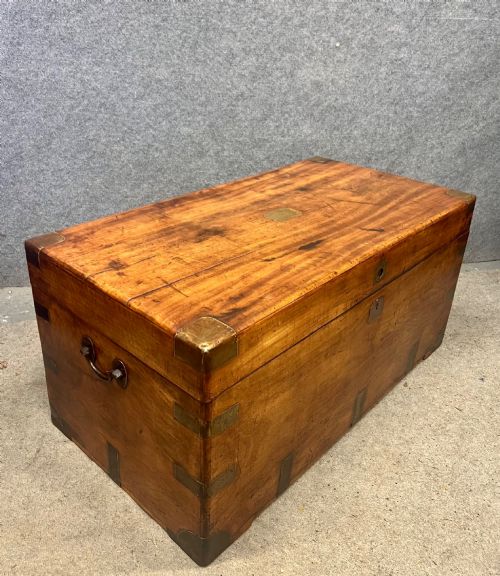
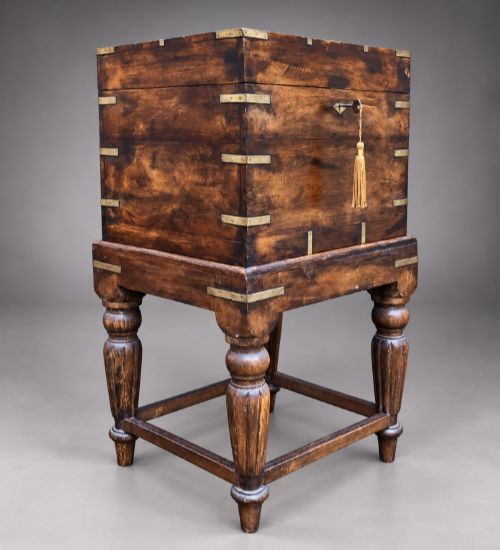
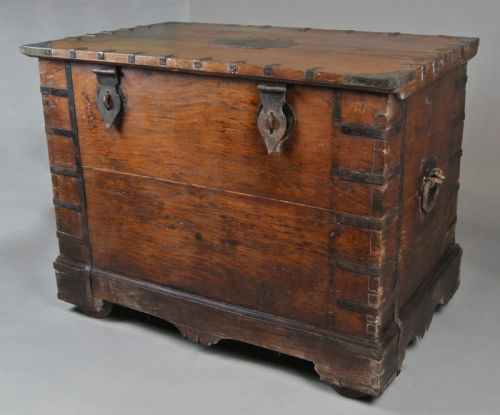
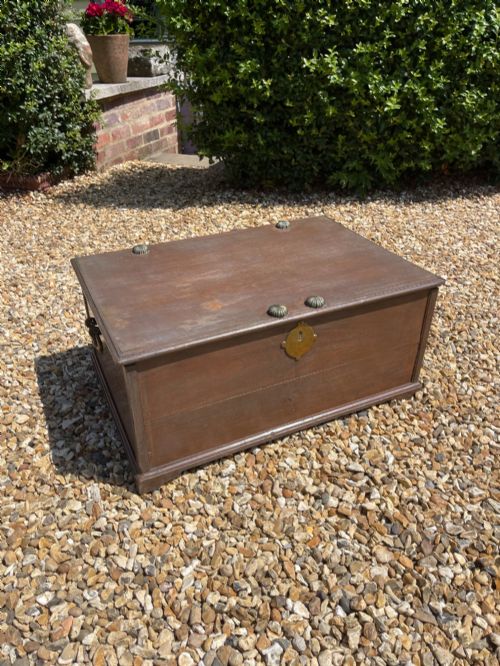

Vintage Teak Box
A vintage teak box offers robust utility and storied global craftsmanship, turning practical household storage into a focal point of character.
Vintage Teak Box
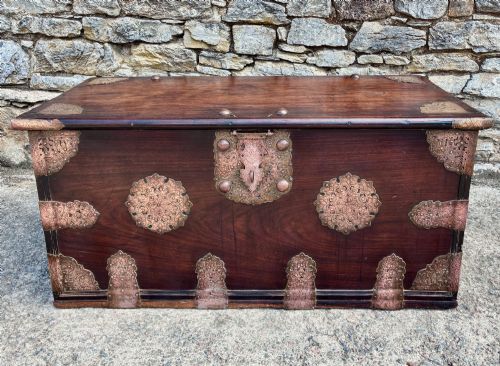
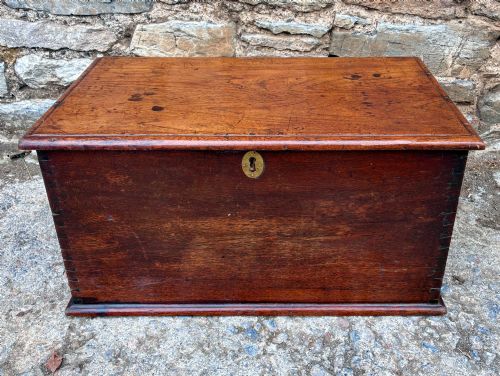
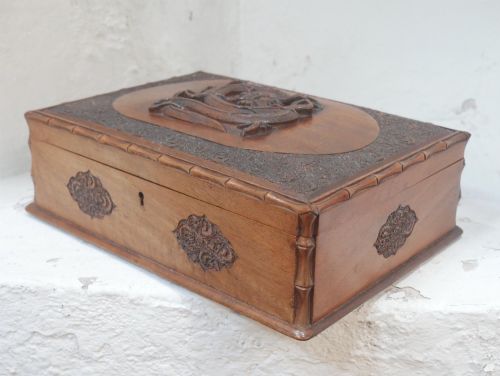
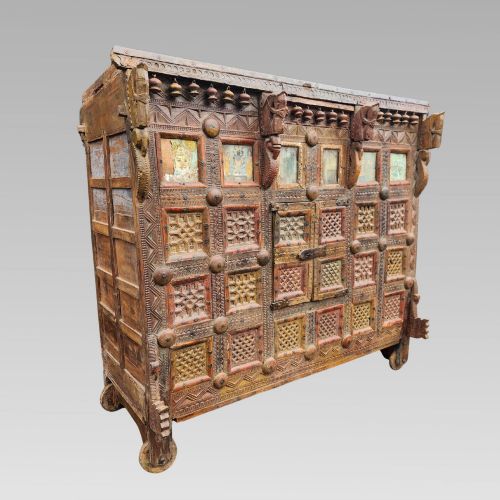
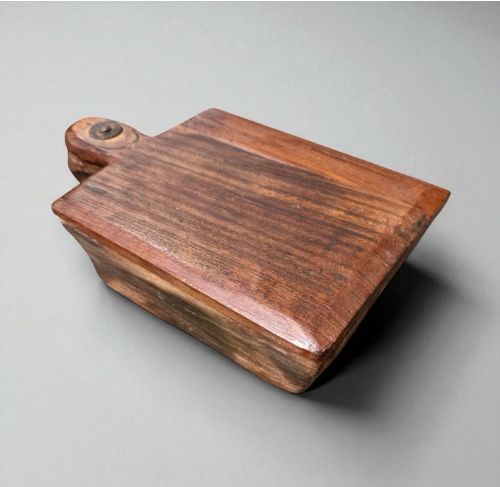
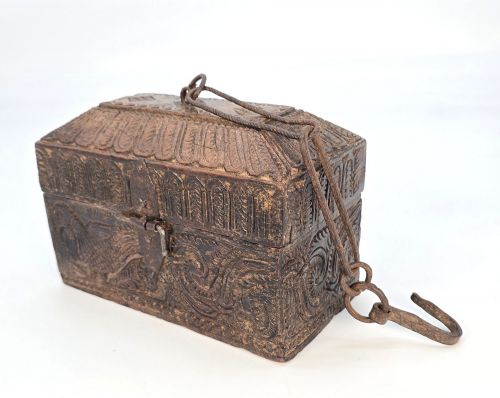
A vintage teak box encompasses a diverse array of sturdy receptacles, ranging from small spice containers and correspondence boxes to massive dowry chests and campaign trunks. These items emerge from various nineteenth and twentieth-century contexts, reflecting distinct periods like the Victorian and Edwardian eras alongside specific regional traditions.
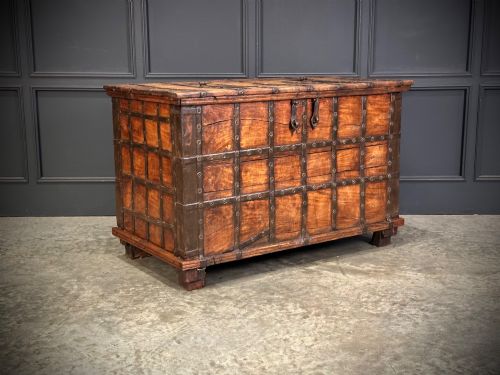
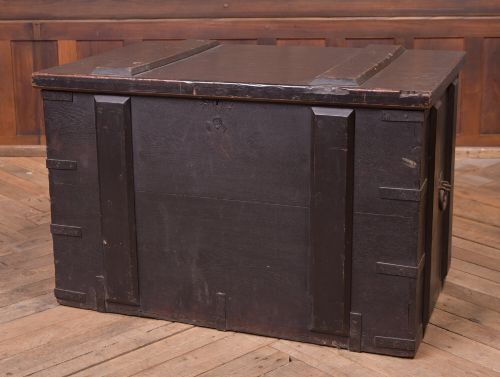
Buyers most frequently encounter substantial storage chests and trunks on this page, often featuring iron banding or brass mounts. These larger forms sit alongside smaller desk accessories and decorative boxes, showcasing the material adaptability inherent in the category.
The origins of these objects stretch across global trade routes, spanning Anglo-Indian workshops, East African coastal centres, and colonial outposts. This geographic breadth ensures that each vintage teak box carries specific structural markers tied to its place of manufacture and intended use.
Materials and construction methods
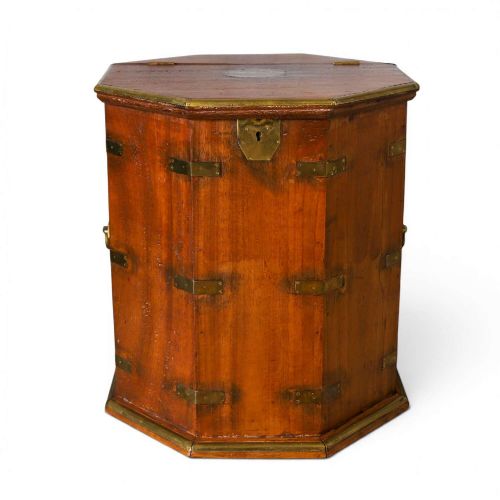
Construction relies primarily on dense teak timber, selected for its natural durability and resistance to tropical conditions. Craftsmen paired this hardwood with structural and decorative metals, incorporating brass corners, straps, and hinges alongside heavy iron binding.
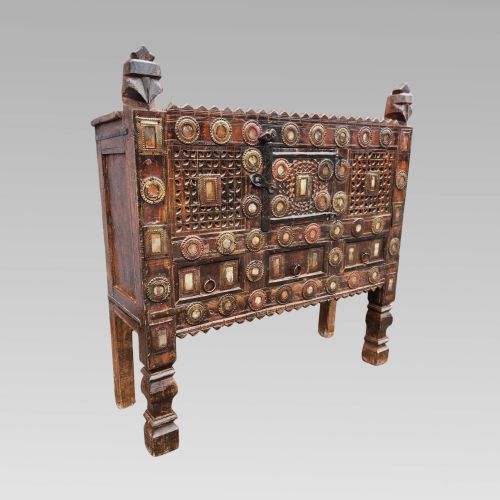
Joinery techniques ranged from utilitarian dovetailed box construction to intricate hand-carved panels found on larger dowry cabinets and damchiyas. Metal fastenings were frequently hammered directly into the wood to secure joints and protect edges during arduous travel.
Vintage Teak Box Retail Price Guide 2026
Typical asking prices for vintage teak box among the pieces listed under this phrase on Sellingantiques today, from the lower quarter to the upper quarter. They describe what is for sale here now, not the wider market.
Listings feature pieces spanning from the eighteenth century through the 1950s, constructed predominantly from solid teak supported by brass and iron hardware.
Assessing quality in construction and detail
Quality rests heavily on the integrity of the timber and the precision of the metalwork, distinguishing utilitarian containers from finer commissioned pieces. Heavy iron banding and crisp brass mounts indicate robust original intent, while finely carved surface ornamentation elevates decorative potential.
Proportion and interior fitting also dictate distinction within the range, as seen in specialised campaign writing boxes and cellarettes with fitted compartments. The presence of original hardware and untouched surface patination separates exceptional survivals from heavily altered examples.
The Vintage Teak Box Glossary
- Teak
- A dense tropical hardwood prized for its oily content and resistance to decay. It forms the primary structural material for these boxes and chests.
- Campaign chest
- A portable set of drawers or a box designed to dismantle or travel easily with military officers. These pieces typically feature recessed brass handles and reinforced corners.
- Cellarette
- A lockable container designed for holding bottles of wine or spirits. They often appear on stands or feature fitted interior partitions.
- Damchiya
- A traditional Indian dowry chest or storage cabinet characterised by heavily carved panels. These large pieces served central domestic functions in storing household wealth.
- Zanzibar chest
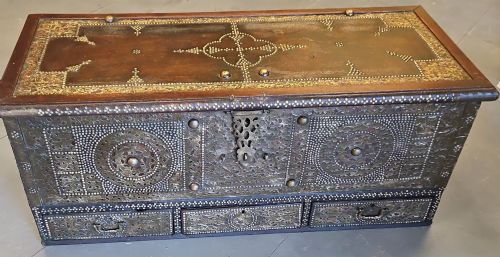
- A distinct type of trading chest featuring heavy brass studding and strapwork. Originating along East African trade routes, they reflect diverse cultural influences.
Vintage Teak Box: Frequently Asked Questions
What is a vintage teak box used for today?
These boxes provide practical storage solutions for blankets, documents, and household items while doubling as statement furniture pieces. Their robust construction allows them to function as coffee tables, end tables, or decorative focal points in modern interiors.
Smaller boxes serve well on desks or sideboards for organising letters and smaller personal effects. Their enduring utility matches their decorative presence in domestic spaces.
How do I identify an Anglo-Indian box?
Anglo-Indian pieces typically combine British furniture forms with traditional Indian craftsmanship, featuring dense teak timbers and elaborate hand-carved motifs. They often incorporate brass mounts or inlay work reflecting colonial trade and administrative networks.
Examining the interior structure and hardware usually reveals construction methods distinct from standard domestic British furniture of the same period.
What distinguishes a campaign chest?
Campaign chests and boxes are engineered for portability, featuring flush-fitting brass handles that do not protrude during transit. They frequently separate into distinct modular sections or contain fitted writing slopes and storage compartments.
Corner brackets and strapwork provide structural reinforcement designed to withstand long journeys across land and sea.
How should I care for teak furniture?
Teak is a remarkably durable wood that requires minimal intervention to maintain its condition. Keeping the pieces away from direct heat sources and sudden humidity changes prevents the timber from warping or splitting.
Applying natural wax occasionally helps nourish the wood and preserve the surface patination accumulated over decades of use.