
Antique Coffer on Chest
An antique coffer on chest combines deep lidded storage with accessible drawer space, offering robust utility and centuries of craftsmanship.

Antique Coffer on Chest
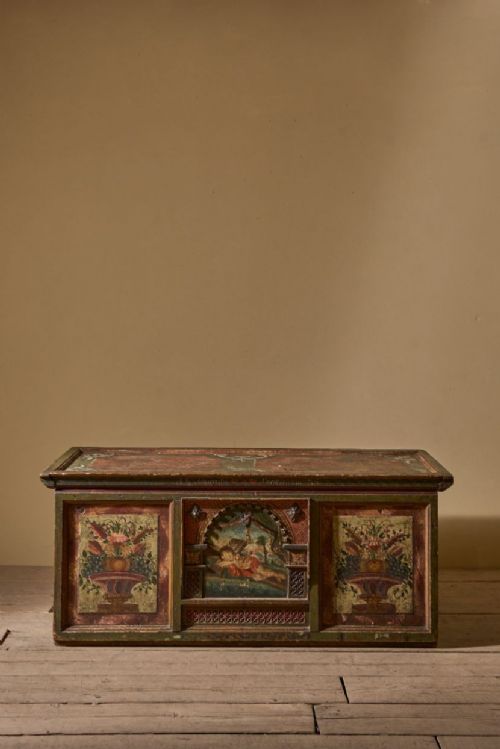
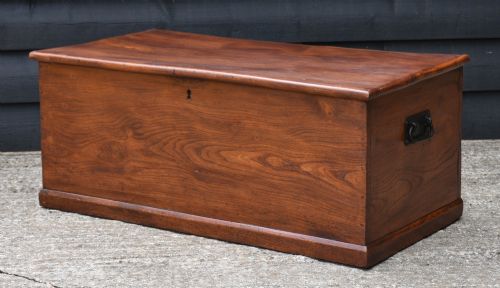
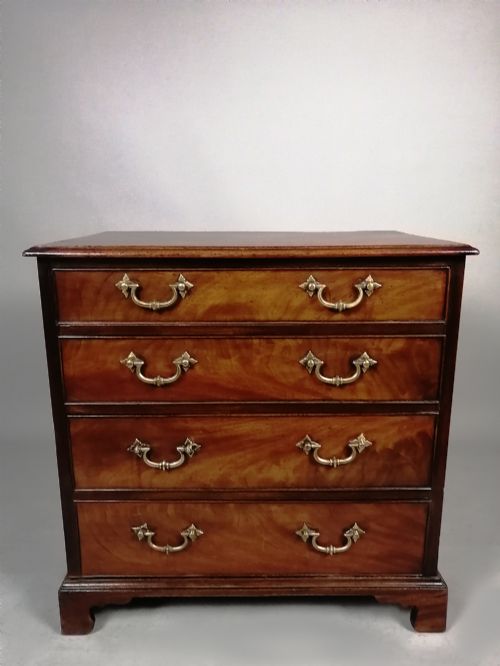
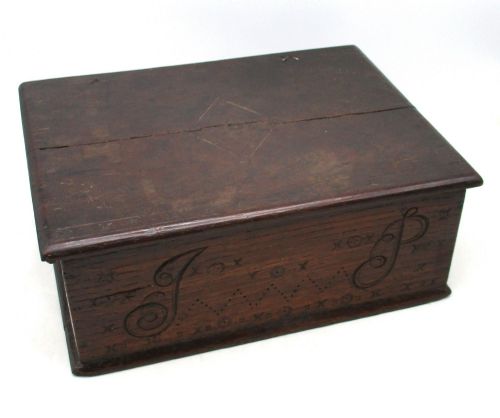
Buyers seeking an antique coffer on chest explore substantial storage furniture that unites a hinged trunk top with lower drawers. The pieces appearing in this category span the seventeenth, eighteenth, and nineteenth centuries, taking forms such as joined coffers, blanket chests, and campaign trunks.
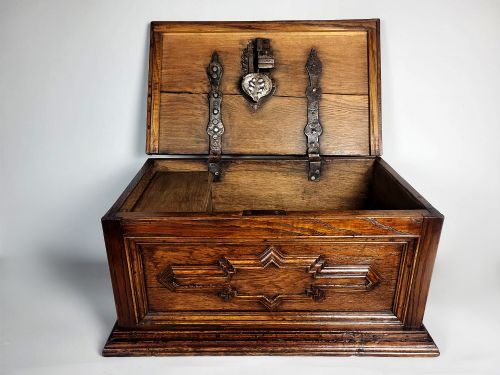
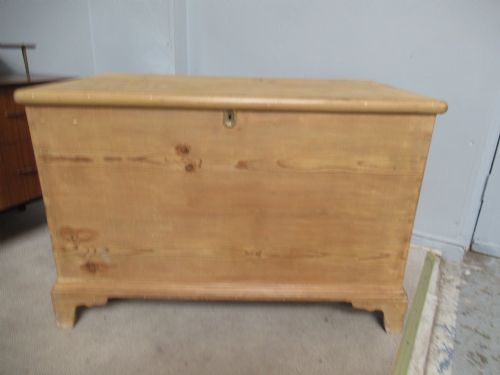
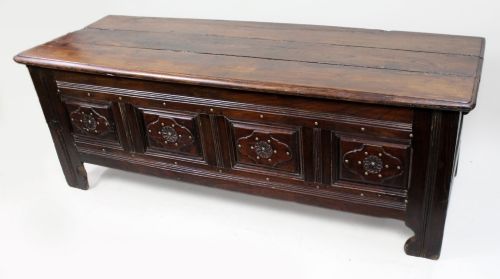
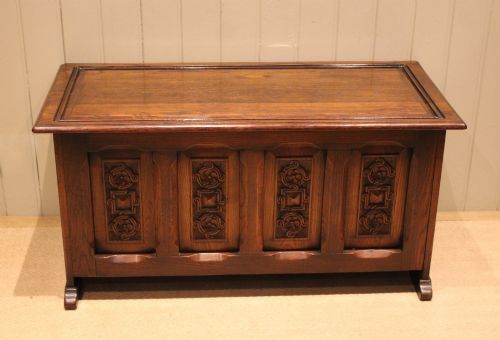
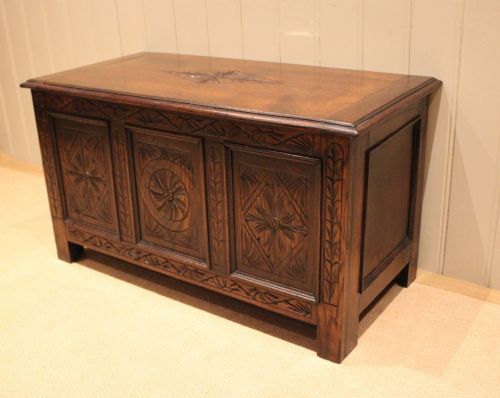
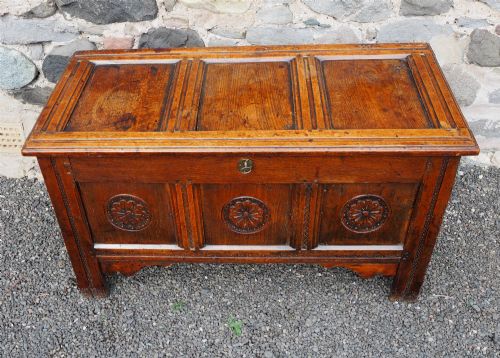
The version most commonly encountered on this page is constructed from solid oak, often featuring carved panels characteristic of seventeenth and eighteenth century English cabinet-making. Alongside these native pieces, regional variations in elm, pine, and exotic timbers such as camphor wood frequently present themselves.
Origins stretch from rural Welsh and English workshops to continental Europe and trade routes further afield. Utility remains central to their survival, transitioning from domestic linen storage to military transport and colonial service.
Materials and construction methods
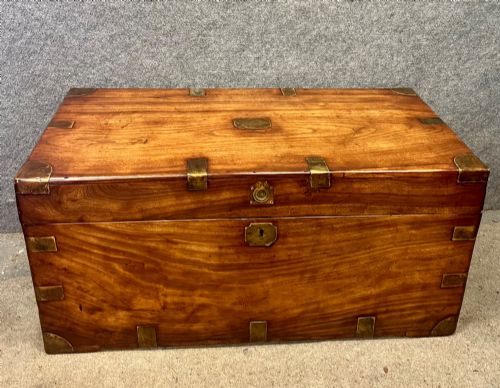
Timber selection dictated the longevity of each antique coffer on chest, with local oak dominating early British examples while regional variants utilised elm, chestnut, and pine. Exotic woods such as camphor wood, padouk, and kingwood appear in overseas trade pieces and campaign furniture designed to withstand tropical conditions.
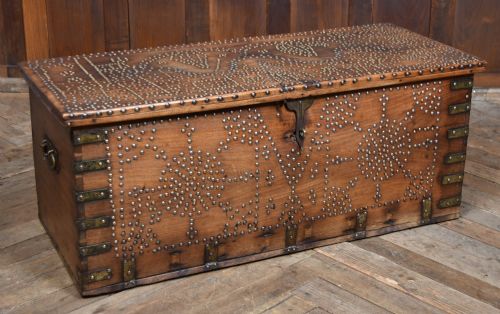
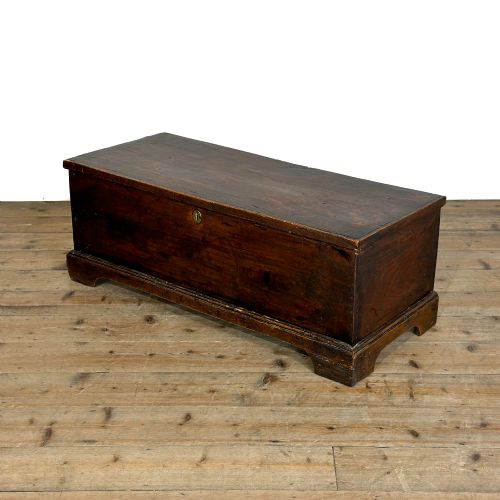
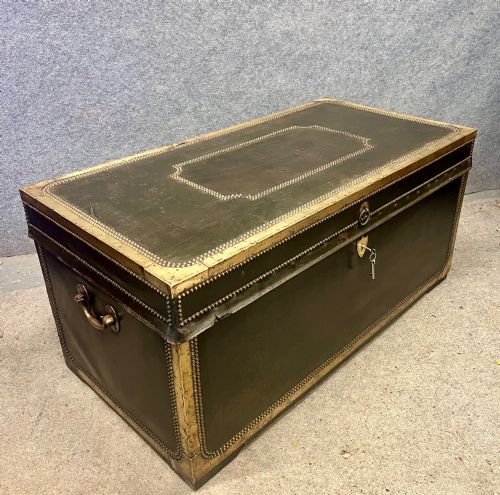
Construction relied on traditional joinery techniques, including frame-and-panel assembly, dovetailing for drawers, and the robust six-plank method for simpler provincial boxes. Iron, brass, and studded leather reinforcement protected corners and edges, particularly on trunks intended for travel.
Camphor wood chests retained their aroma so effectively that generations of moths sought alternative lodgings.
Distinctions in quality and execution
The division between standard utility boxes and exceptional examples rests upon the ambition of the design and the crispness of the carving. Early joined pieces display deeply carved guilloche, linenfold, or geometric patterns executed with confident hand-tool work.
Hardware integration further separates the tier of a piece, distinguishing simple iron hinges from elaborate brass carrying handles, decorative lock plates, and professional marquetry inlay. The integrity of internal partitions and the retention of original timber patination heavily influence overall standing.
Susse Freres Paris·Samuel Pratt
The Antique Coffer on Chest Glossary
- Coffer
- A large wooden chest used traditionally for storing valuables, documents, or textiles before dedicated wardrobes became common.
- Campaign trunk
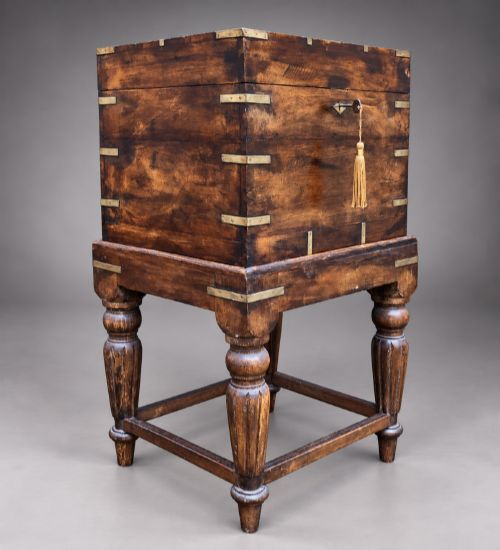
- A portable storage chest designed for military officers or travellers, typically featuring brass bindings, flush handles, and durable secondary timbers.
- Mule chest
- A traditional storage form that combines a lidded coffer top with one or more functional drawers built into the base.
- Six-plank coffer
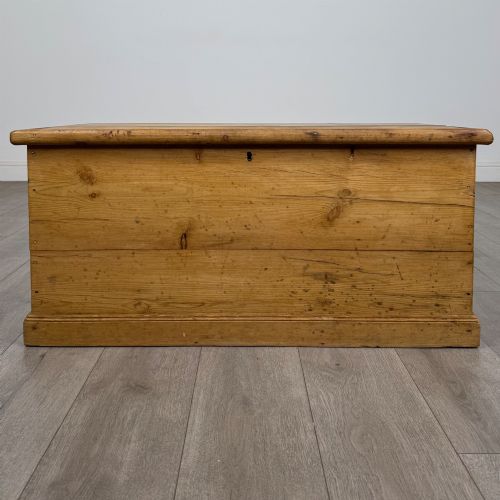
- A primitive chest construction method joining six plain boards together with peg or nailed butt joints.
- Marquetry
- Decorative veneer work arranged in intricate patterns across the surface of a panel using contrasting wood types.
Antique Coffer on Chest: Frequently Asked Questions
How do I date an antique coffer?
Dating relies on examining the construction joints, tool marks, and timber species used throughout the carcass. Early examples feature hand-riven boards and pegged frame-and-panel joinery.
Later nineteenth-century pieces often display machine-sawn timber and standardised ironmongery that differ significantly from seventeenth-century methods.
What is the difference between a coffer and a chest?
A coffer traditionally refers to a heavy storage box with a flat or slightly domed lid, frequently secured with an elaborate lock for valuables.
A chest can describe a broader range of lidded storage containers, though the terms often overlap in historical inventories.
Where should I place a heavy oak coffer?
Heavy oak pieces require stable floor surfaces away from direct heat sources and strong sunlight, which can dry out ancient timbers and cause warping.
Allowing adequate air circulation around the back and base helps maintain the stability of the wood.
Why do some trunks smell of camphor?
Camphor wood naturally secretes aromatic oils that act as a deterrent against insects and moths, making it the preferred material for travel chests.
This distinct scent often remains embedded within the wood fibres for centuries.