
Georgian Mahogany Storage Box
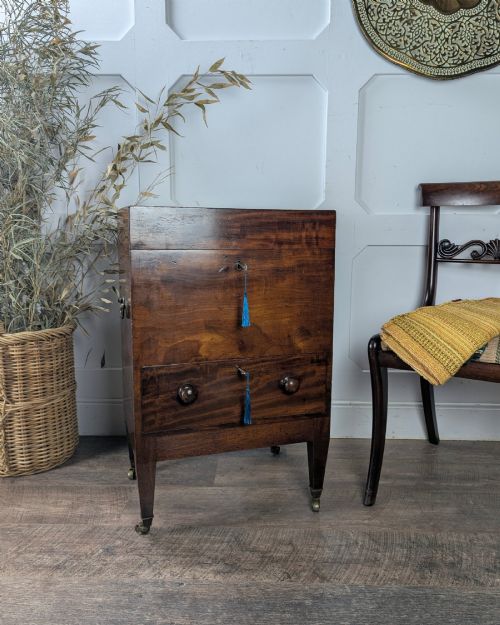
A georgian mahogany storage box offers timeless utility and rich timber grain, serving as a handsome container for documents, tea, or wine.

Georgian Mahogany Storage Box
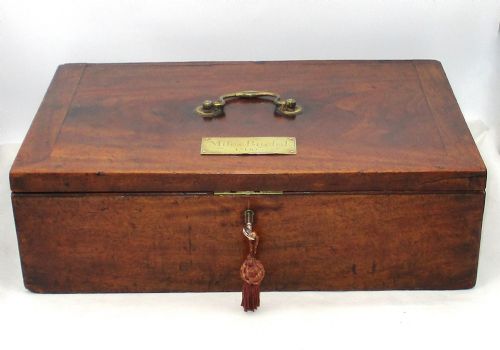
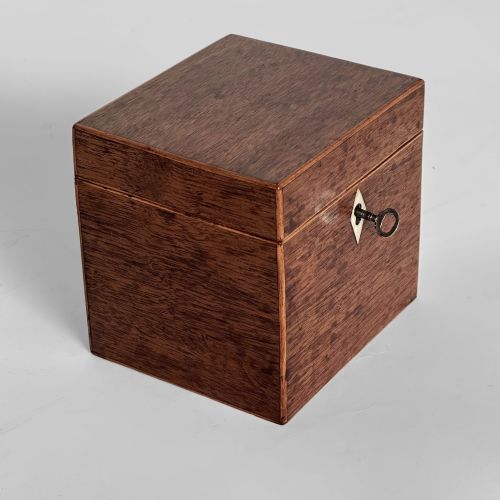
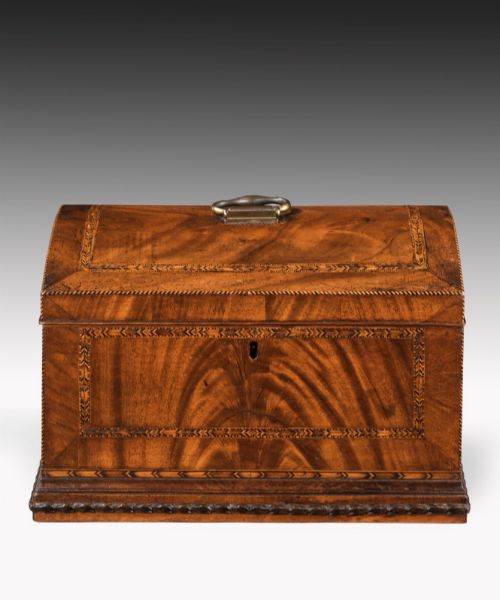
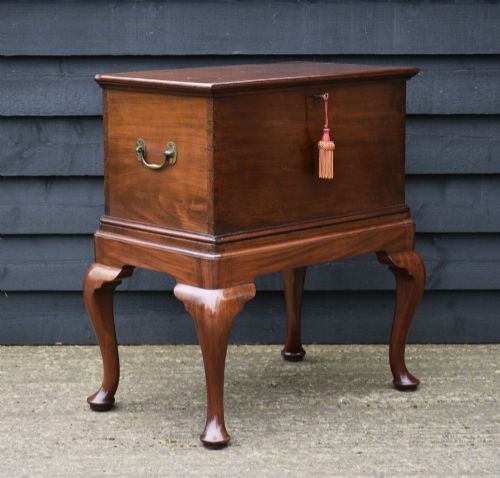
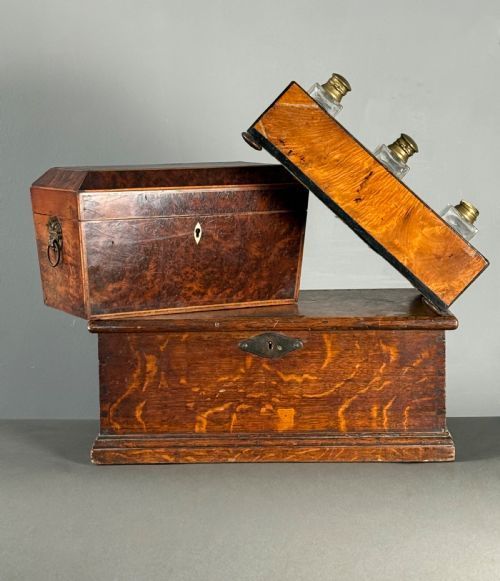
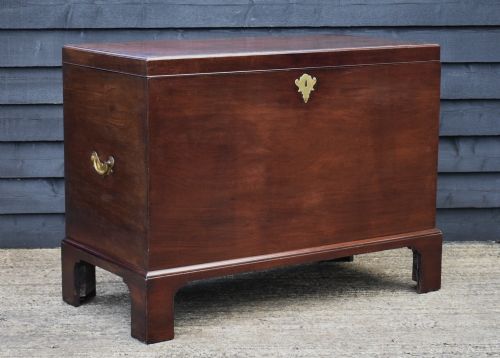
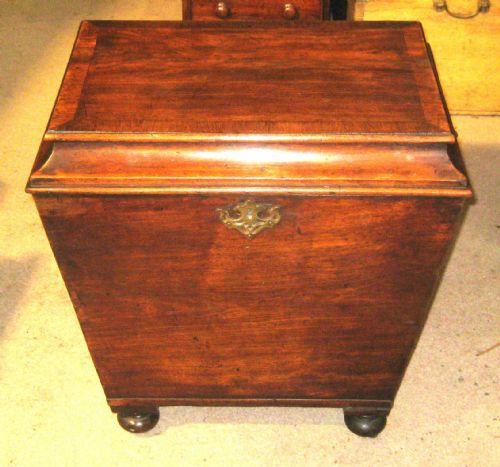
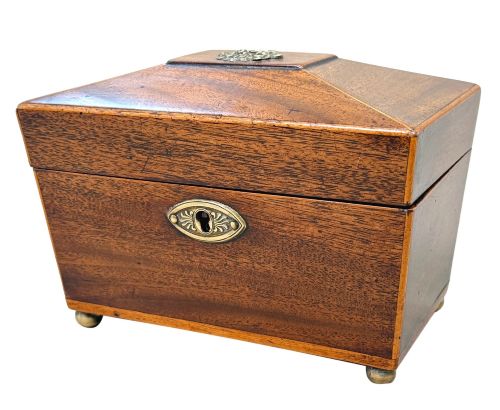
A georgian mahogany storage box encompasses a variety of functional forms, including tea caddies, cellarettes, document boxes, and military chests dating primarily from the eighteenth and nineteenth centuries. These pieces were constructed to organise and protect valuable commodities such as tea, spirits, and important papers within domestic and travelling settings.
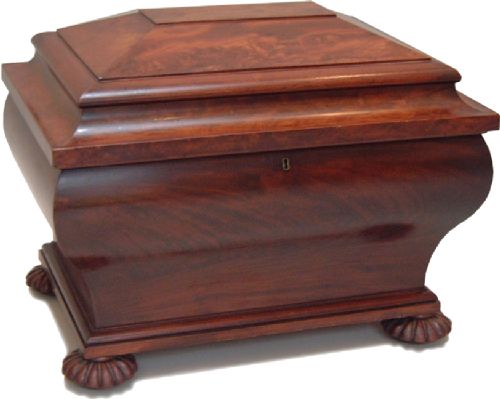
Buyers will most frequently encounter tea caddies and cellarettes on this page, reflecting the domestic habits of the period alongside larger document and deed storage boxes. Forms range from simple rectangular caddies to elaborate sarcophagus shapes and boxes fitted with stands or interior compartments.
The periods represented span the Georgian era, Regency period, and nineteenth century, showing stylistic influences from Chippendale through to George IV and Victorian interpretations. Construction often includes secondary timbers such as oak and walnut, alongside decorative inlays of boxwood, ebony, and bone.
Materials and construction methods
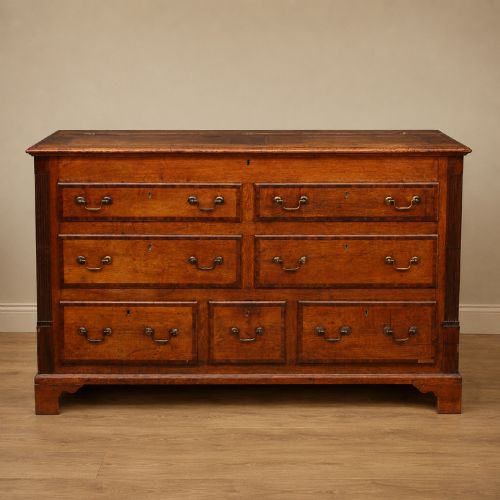
Cabinet makers built these storage boxes primarily using solid and veneered mahogany, frequently selecting flame mahogany or fiddleback figures for visual impact. Secondary woods like oak provided structural stability for larger items such as mule chests and cellarettes.
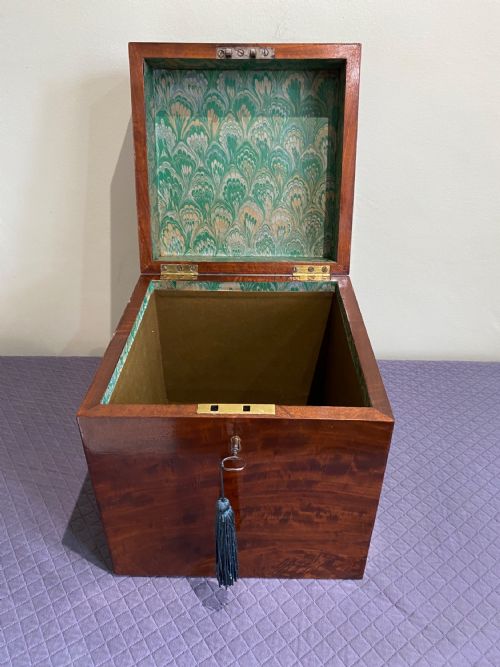
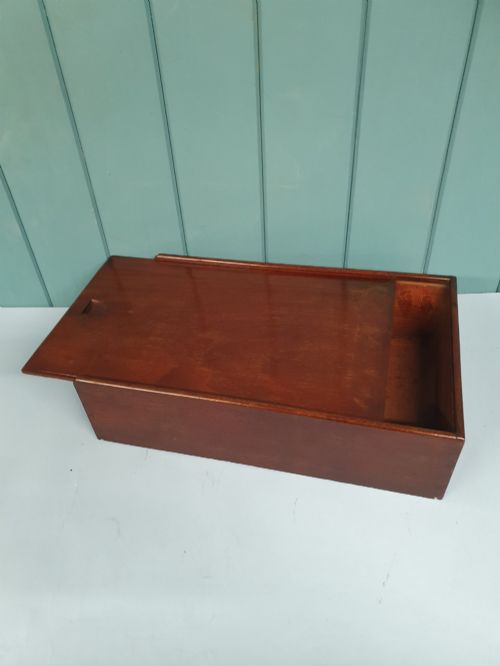
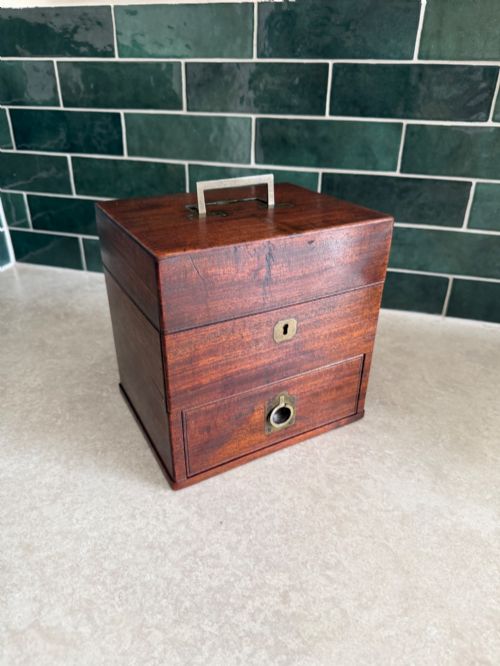
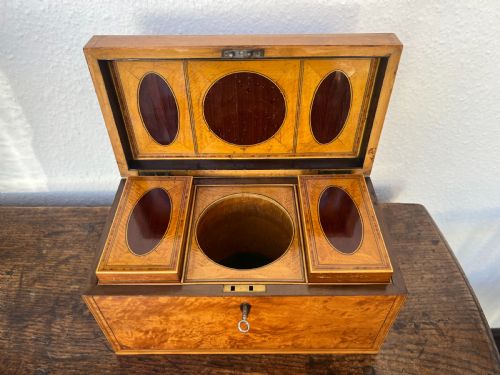
Brass hardware, including carrying handles, escutcheons, and hinges, was integrated for both practical utility and decorative contrast against the dark timber. Interiors often featured intricate compartmentalisation, sliding lids, secret drawers, and fitted glass bottles for apothecary and tea storage.
Listings feature various timber species including mahogany, oak, walnut, boxwood, and ebony, alongside brass, bone, and glass.
Distinctions in craftsmanship and condition
The standard of a georgian mahogany storage box depends heavily on the selection of timber grain, such as matched flame mahogany veneers, and the precision of fine details like crossbanding and star inlay. Superior examples retain original brass fittings, working locks with keys, and undisturbed interior partitions.
Structural integrity and timber preservation separate everyday utility boxes from exceptional cabinet work. Pieces that maintain their original surface patination without excessive restoration command greater appreciation among collectors.
Gillingtons·Holtzapffel and Co
The Georgian Mahogany Storage Box Glossary
- Cellarette
- A lockable container designed for holding bottles of wine or spirits. These vessels often sat on the floor or on dedicated stands in dining rooms.
- Teapoy
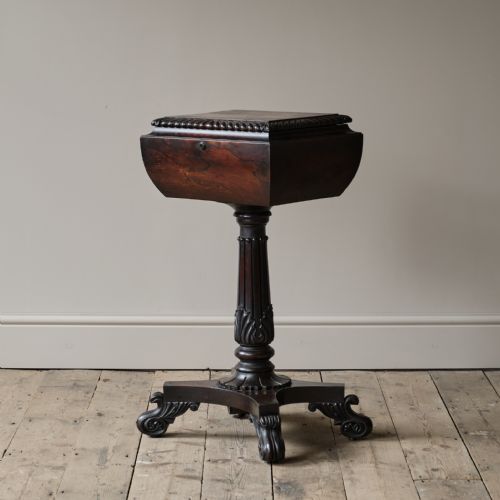
- A small table or standalone box designed to hold tea canisters. They frequently featured internal mixing bowls and multiple compartments.
- Crossbanding
- A decorative border technique where veneer strips are laid perpendicular to the grain of the central panel. This frames the primary timber surface.
- Sarcophagus
- A monumental architectural shape featuring an inverted pedestal form with a domed lid. Cabinet makers adopted this classical style for Regency wine coolers and tea caddies.
- Escutcheon
- A protective plate surrounding a keyhole. They were commonly cast in brass to prevent wear on the surrounding mahogany.
Georgian Mahogany Storage Box: Frequently Asked Questions
What were tea caddies used for?
Tea caddies stored precious dry tea leaves under lock and key to protect them from theft and dampness in the home. Servants or homeowners used small measuring spoons to dispense leaves into porcelain teapots.
Inside these boxes, compartments often separated black and green teas, sometimes accompanied by a central glass mixing bowl for blending.
How do I tell a cellarette from a tea caddy?
Cellarettes are substantially larger containers designed to sit on the floor or on a low stand to hold heavy glass wine bottles. Tea caddies are compact tabletop boxes built with internal compartments for smaller leaf canisters.
While both utilise mahogany and brass fittings, the scale and internal dividers immediately distinguish wine storage from tea storage.
What is a teapoy?
A teapoy is a lidded storage box for tea, often mounted on a central pillar with tripod legs or built as a small occasional table. They became popular during the Regency period for domestic entertaining.
These pieces elevated tea storage from a tabletop box to a freestanding item of furniture within the principal rooms.
How should I care for antique mahogany?
Keep antique mahogany out of direct sunlight and away from direct heat sources to prevent the timber and veneers from drying out. Maintain a stable indoor humidity level to protect the structure and glue joints.
Apply a gentle application of appropriate wax polish occasionally to maintain the surface sheen and protect the historic patination.