
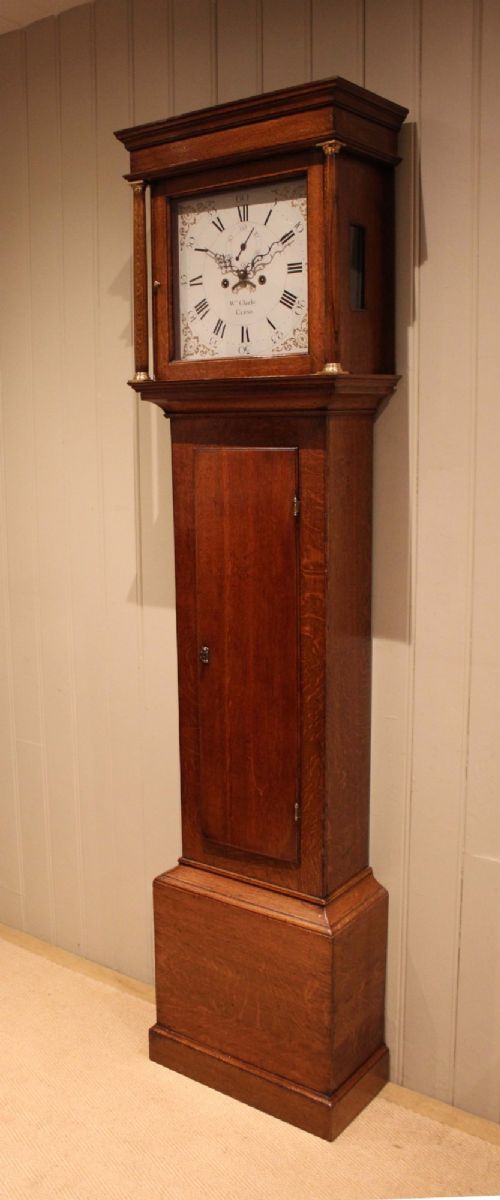
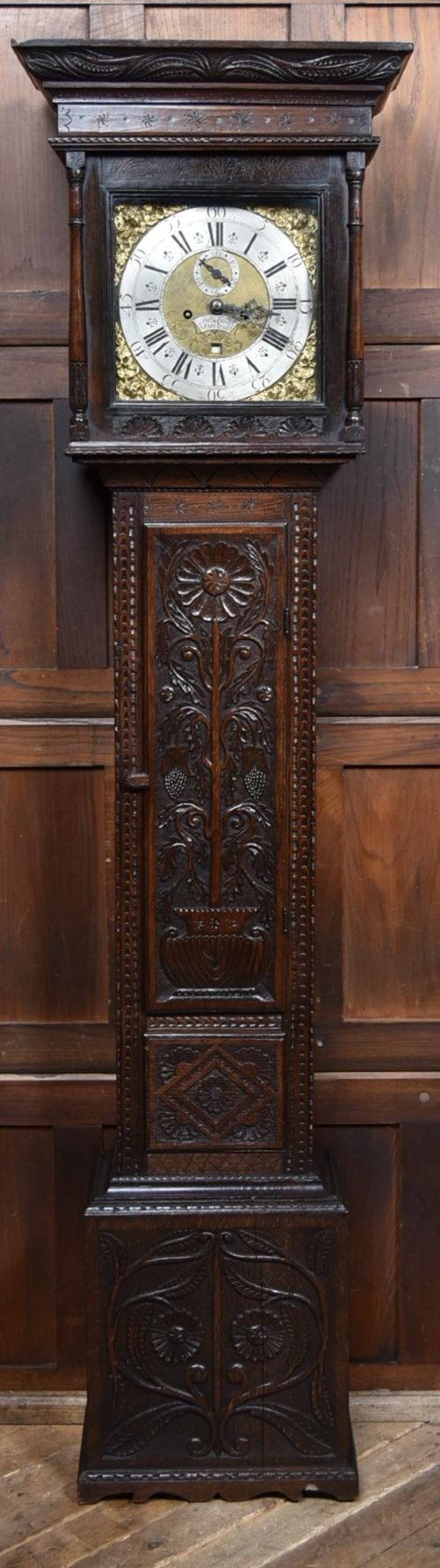
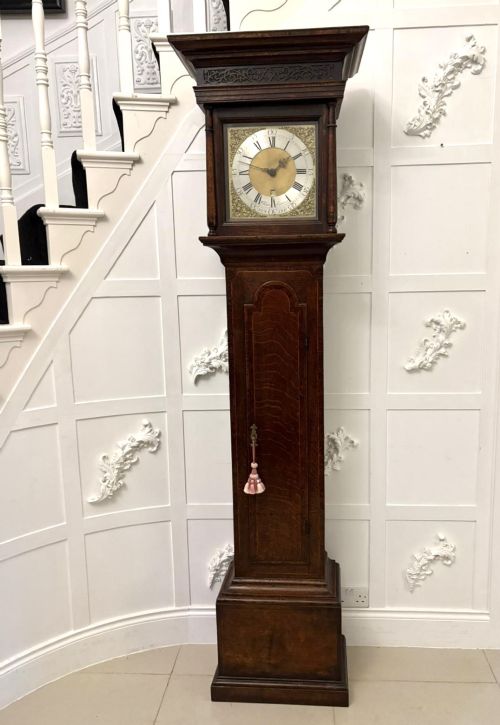
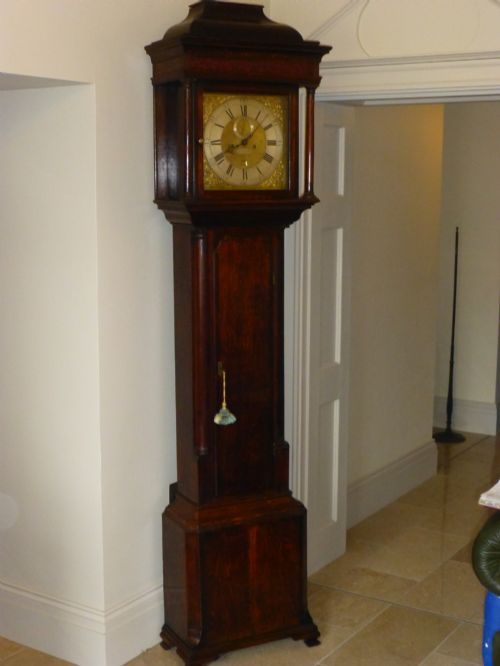
Vintage Tall Floor Clock
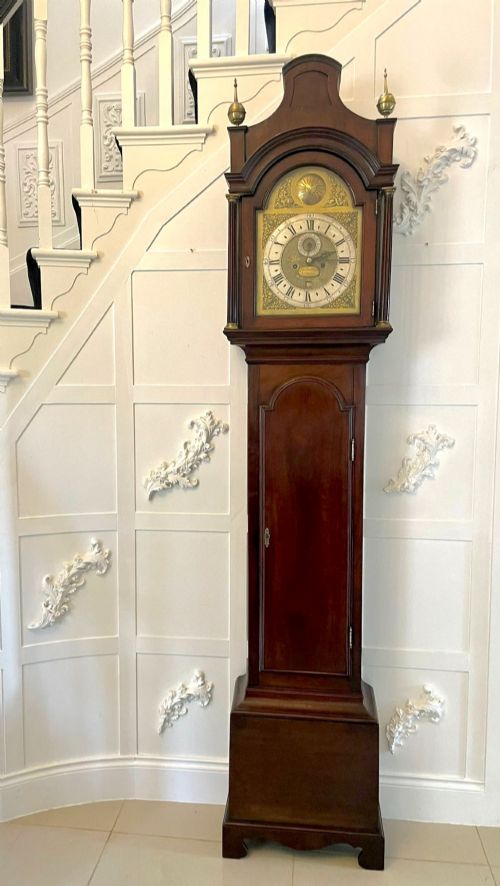
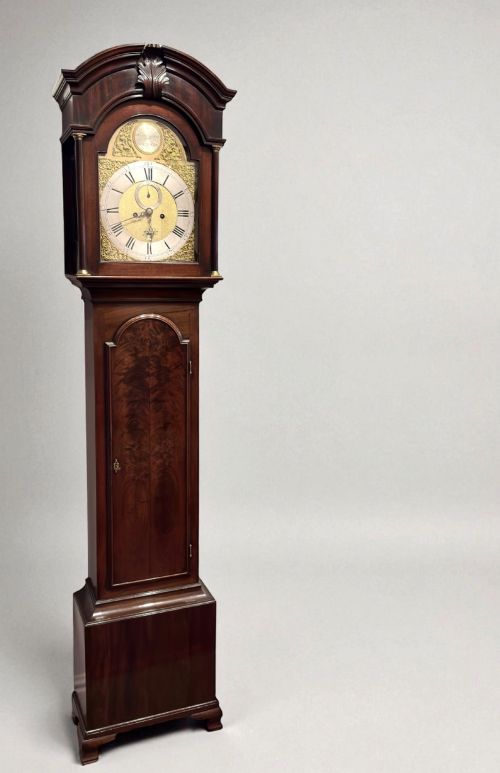
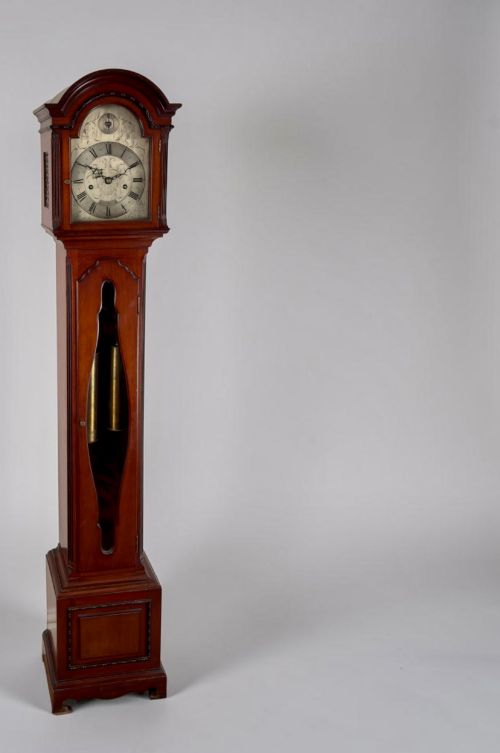
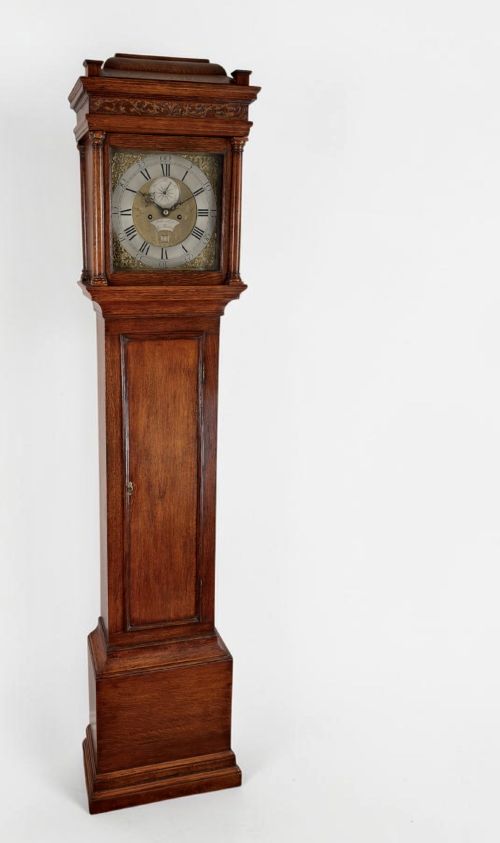
A vintage tall floor clock anchors a room with mechanical rhythm, offering lasting craftsmanship in mahogany, oak or walnut.
Vintage Tall Floor Clock
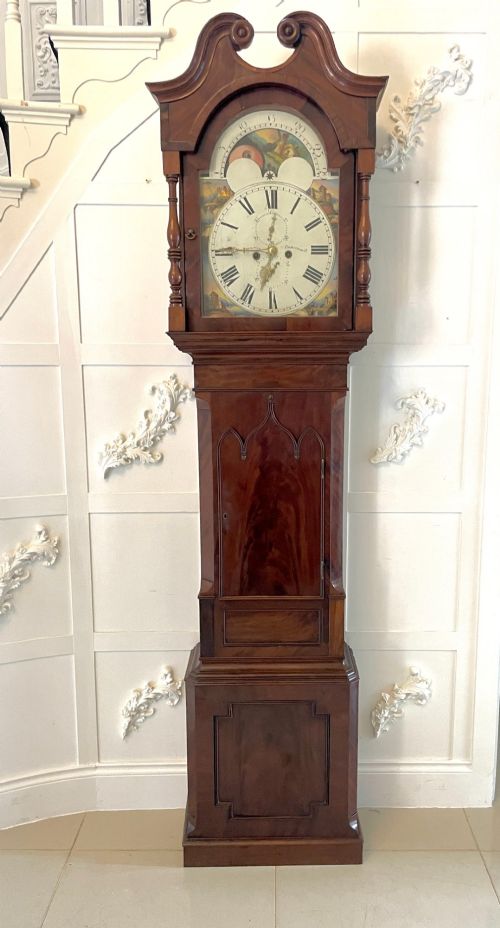
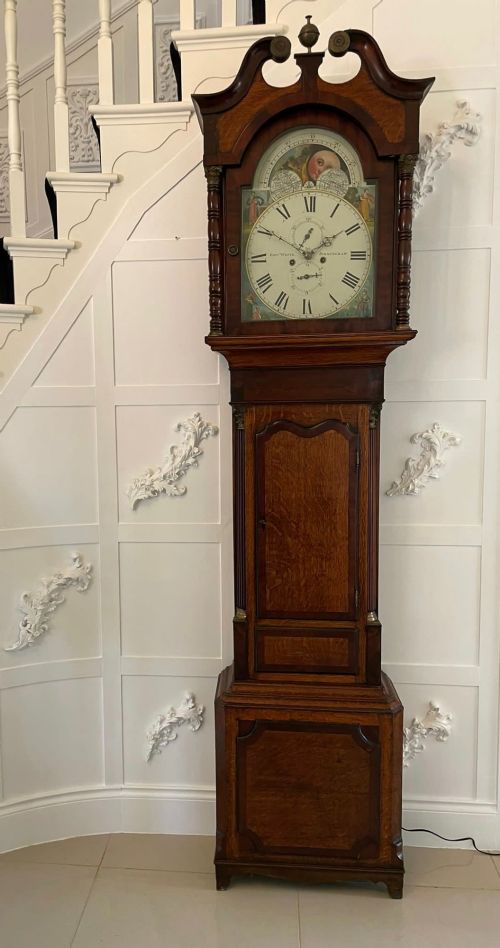
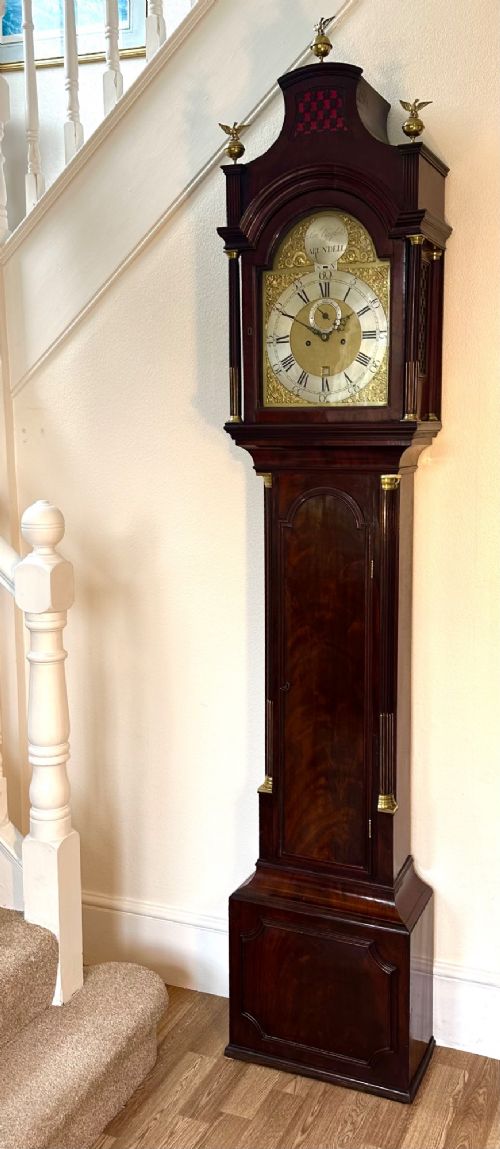
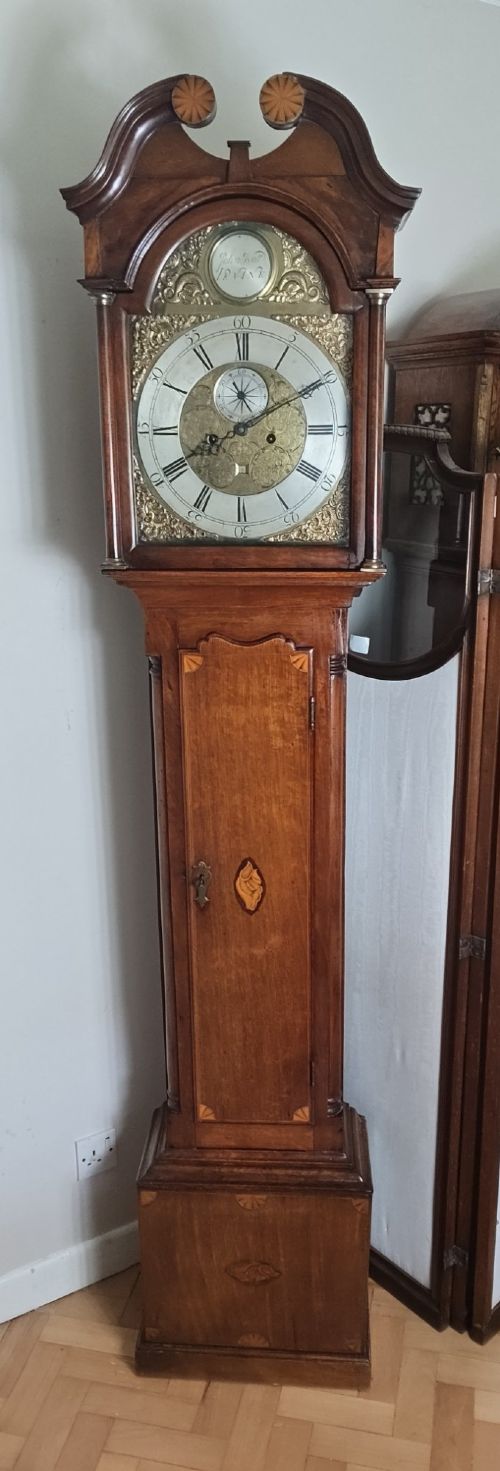
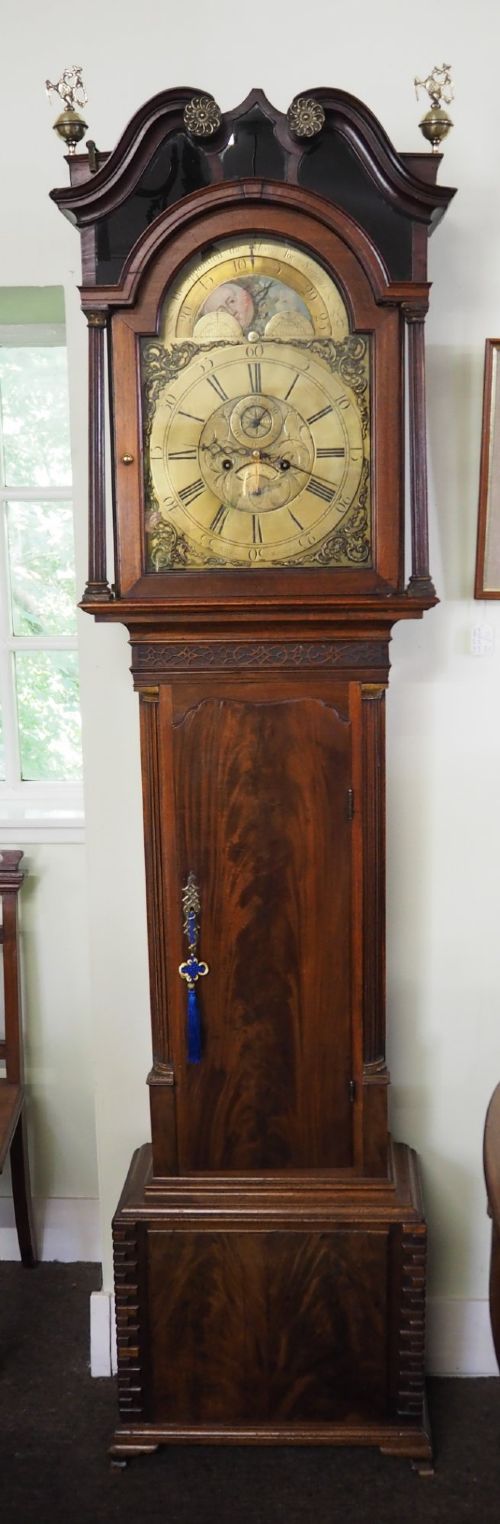
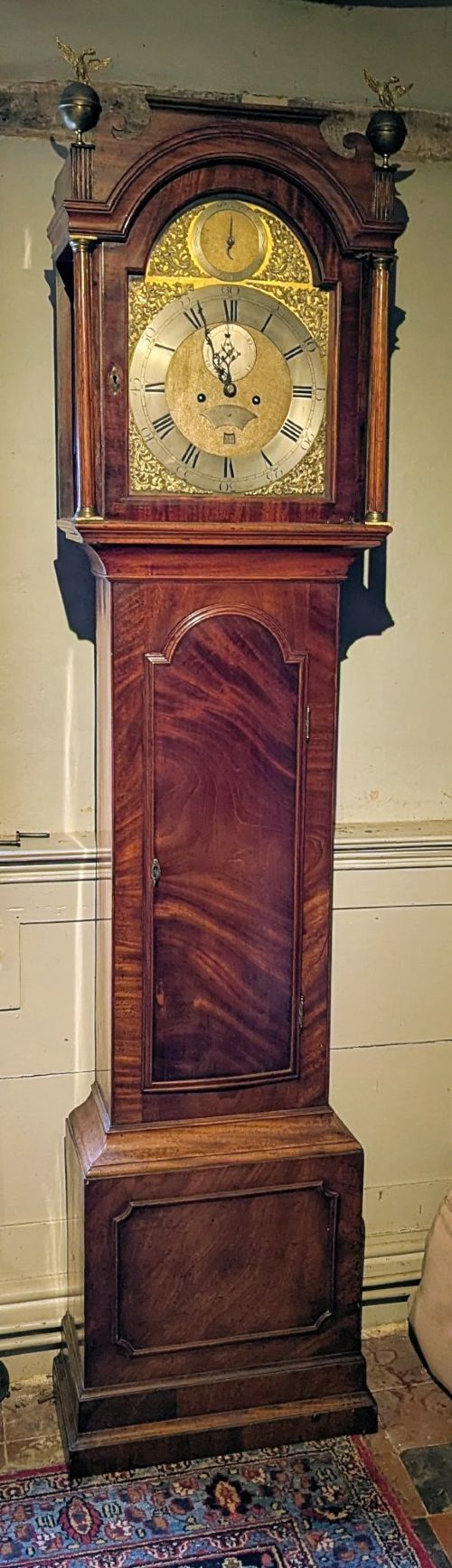
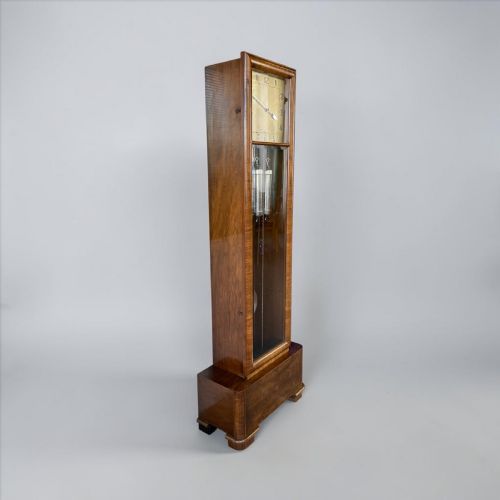
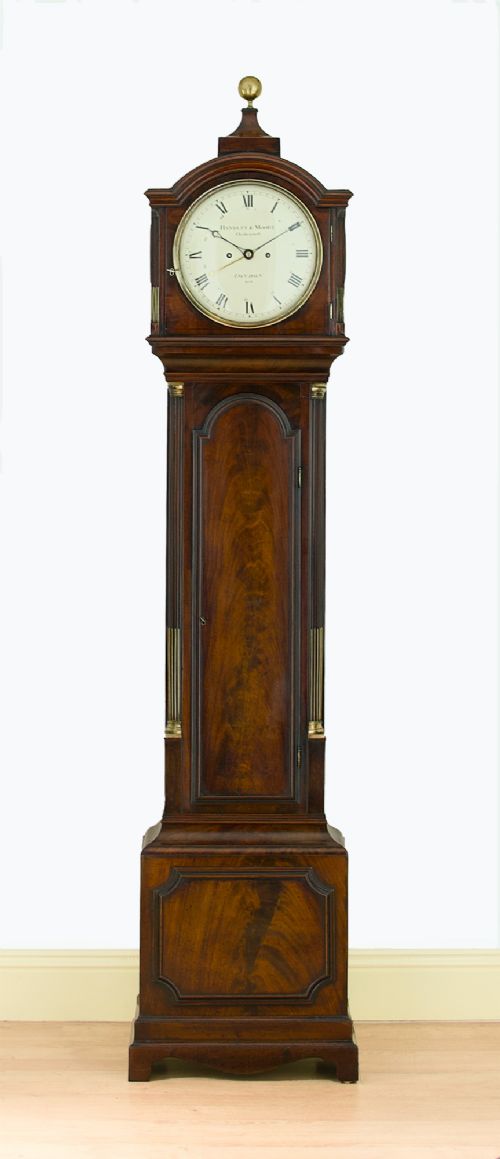
A vintage tall floor clock encompasses traditional longcase clocks, grandfather clocks and smaller grandmother clocks encountered across this selection. These vertical timepieces span eighteenth-century Georgian origins through Victorian eras, Edwardian periods, and into Art Deco designs.
Makers and regional clockmakers signed brass dials housed within cases fashioned from timber and glass. Examples range from London workshop pieces to Scottish and provincial regional productions.
Buyers encounter full-sized floor clocks alongside compact variants designed for smaller spaces. Each piece combines cabinetmaking with mechanical movements.
Markers of Quality
Superior quality rests in the integration between the cabinetmaker's timber selection and the precision of the signed movement. Figured grain, burr oak panels, and lacquer work elevate visual presence.
The sophistication of the movement dictates mechanical calibre, separating standard eight-day dials from quarter-musical or multi-tune chiming mechanisms. Original signed dials by recorded makers distinguish finer examples from anonymous production.
Listings feature movements ranging from standard timekeepers to complex musical chiming mechanisms housed in oak, mahogany and walnut cases.
John Fielder of Alton·Charles Shuckburgh·Gordon of Aberdeen·Gillett and Johnston·Lee of Great Marlow·Richard Corless·Handley and Moore·Edward Shepley·George Hallifax·Thomas Webbe
The Vintage Tall Floor Clock Glossary
- Longcase clock
- A tall pendulum clock enclosed in a wooden case standing directly on the floor. These pieces are frequently called grandfather clocks.
- Grandmother clock
- A scaled-down version of the traditional longcase clock produced during later periods. They occupy less floor space while retaining similar proportions.
- Brass movement
- The internal mechanical brass assembly that drives the clock hands and timekeeping. Many examples feature signed brass or painted iron dials.
- Chinoiserie
- European decorative style imitating Chinese artistic traditions, often seen in lacquered clock case finishes. This technique employs raised motifs and coloured lacquer backgrounds.
- Moon dial
- A specialised clock face mechanism displaying the lunar phases through a rotating disc. These complications appear on regional and provincial eighteenth-century pieces.
Vintage Tall Floor Clock: Frequently Asked Questions
How do I choose between a grandfather and a grandmother clock?
Grandfather clocks are full-sized tall floor clocks that demand ceiling height and floor space, making them a strong focal point in large rooms. Grandmother clocks offer a scaled-down alternative that fits easily into narrower hallways or compact apartments.
Both variants share similar mechanical principles and timber construction, so the decision depends entirely on your available ceiling clearance and room proportions.
Where should I place a tall floor clock in my home?
Tall floor clocks require a stable, level floor surface away from direct sunlight, heating vents, and damp exterior walls. Hallways, landings, and living rooms provide traditional placements where the pendulum can swing freely.
Ensure the selected spot allows enough clearance for the case height and offers safe anchoring if required to prevent tipping.
How do I tell an eighteenth-century clock from a later revival piece?
Examine the timber patination, movement construction, and dial signature style to assess the period. Eighteenth-century examples display hand-cut brass components and regional engraving, whereas revival pieces often show different mechanical tolerances and machine finishing.
Checking the integration between the dial, movement, and case provides further clues regarding whether the elements remain original to one another.
What maintenance do these mechanical movements require?
Mechanical floor clocks require periodic winding of their weights or springs depending on whether they are thirty-hour or eight-day movements. Keeping the clock level and the pendulum properly beat-adjusted ensures accurate timekeeping.
Professional servicing every few years helps clean accumulated dust from the brass gears and keeps the pivots lubricated.