





Vintage Swedish Table
A vintage swedish table brings clean lines and painted warmth to a room, ranging from rustic pine kitchens to polished birch art deco writing desks.
Vintage Swedish Table
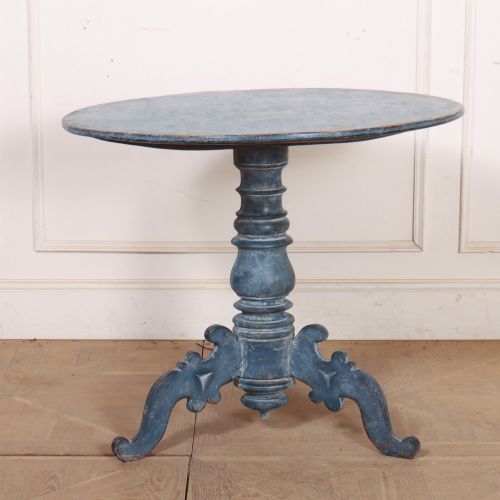
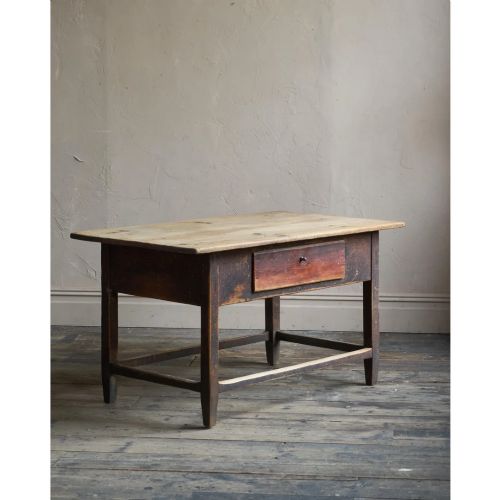
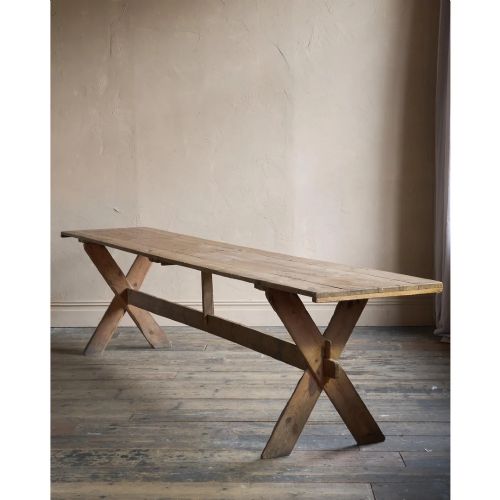
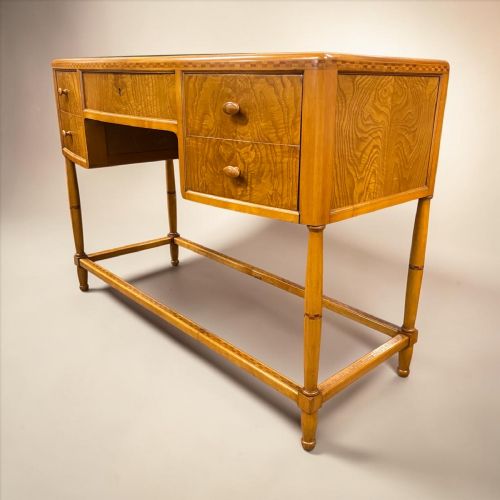
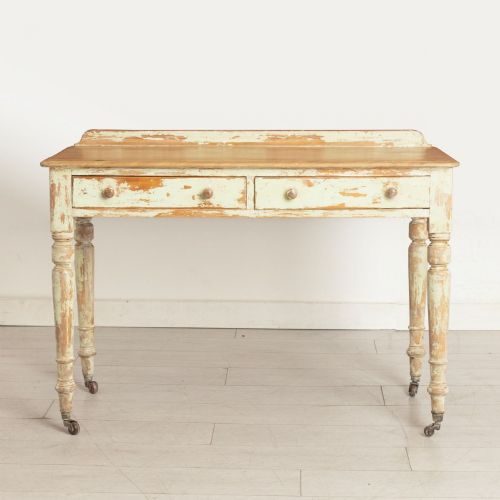
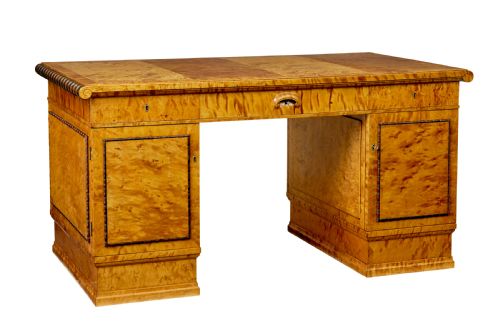
A vintage swedish table encompasses a broad variety of domestic furniture, from large scrubbed pine kitchen tables and rustic bakers pieces to refined console tables and pedestal desks. Buyers searching this phrase meet nineteenth-century painted softwood designs alongside twentieth-century art deco birch forms.
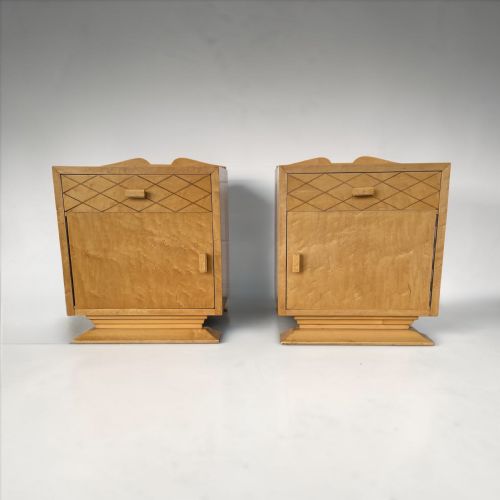
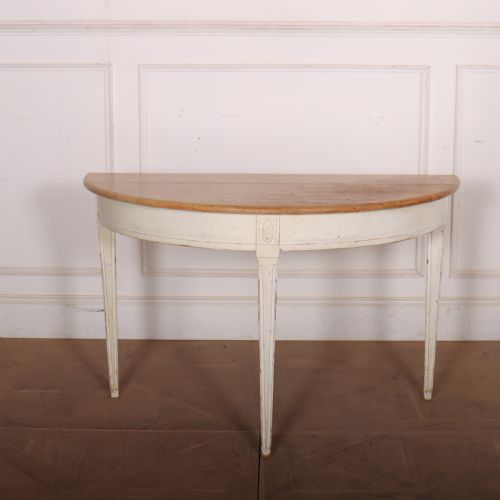
Dining and drop-leaf gateleg tables sit alongside smaller occasional lampside pieces, demi-lune consoles, and bedside cabinets. The selection spans distinct aesthetic movements including Gustavian simplicity, rococo revival, and Scandinavian country traditions.
Materials and Construction
Cabinet makers utilised native softwoods like pine alongside hardwoods and veneers including birch, satin birch, burr birch, karelian birch, and elm. Surfaces frequently display traditional paint finishes, such as Falu red or layered historic pigments, protecting the underlying timber.
Structural elements incorporate brass hardware, marble tops, and box stretchers, while drop-leaf mechanisms and gateleg framing maximise utility in smaller rooms. Joinery relies on traditional carpentry methods suited to regional timber expansion and contraction.
Some nineteenth-century tables served multiple duties as baking prep stations by day and family dining hubs by night, enduring flour, dough, and generations of dinners.
Evaluating Craft and Finish
Quality rests in the preservation of original painted surfaces against later repainting, and the choice of timber figuring in birch and elm veneers. Pieces retaining untouched historic patination hold greater character than heavily restored examples.
Proportion and the restraint of decorative carving distinguish finer tables, whether in the restrained curves of an art deco pedestal desk or the precise joinery of a nineteenth-century games table.
The Vintage Swedish Table Glossary
- Slagbord
- A traditional Scandinavian dropleaf dining table supported by swinging wooden gates or legs. These folding leaves provide flexibility for large gatherings.
- Falu Paint
- A traditional Swedish red paint containing copper mining residue, widely utilised on pine furniture and buildings for its preservative qualities. This matte finish yields a distinct historical texture.
- Demi-Lune
- A half-moon shaped console table designed to stand flat against a wall. They frequently appear as pairs in neoclassical interiors.
- Box Stretcher
- Wooden rails connecting table legs near the base in a rectangular frame to add rigidity. This construction detail reinforces heavy kitchen and work tables.
- Gustavian
- The Swedish interpretation of neoclassical style originating during the reign of Gustav III, characterised by light colour palettes and understated classical motifs.
Vintage Swedish Table: Frequently Asked Questions
How do I identify a gustavian table?
Gustavian pieces display restrained neoclassical lines, often painted in pale greys, creams, or white. They draw inspiration from French louis xvi designs but maintain a distinct Scandinavian simplicity.
Look for fluted legs, subtle floral carvings, and symmetrical proportions rather than heavy ornamentation.
What is karelian birch?
Karelian birch is a distinctive timber harvested from northern birch trees, known for its swirling flame patterns and dark knotty inclusions. It commands attention for its rich optical depth.
Craftsmen frequently utilised veneers of this wood on art deco desks and tables to create striking geometric panels.
Where should I place a console table?
Console tables fit narrow hallways, entryways, or behind sofas where floor space remains limited. Demi-lune versions sit flush against walls to hold lamps or decorative objects.
Their shallow depth prevents room congestion while offering a practical surface.
How do I care for painted pine?
Painted pine surfaces require dusting with a dry microfibre cloth and protection from direct sunlight to prevent paint fading. Avoid harsh chemical cleaners that strip historic pigments.
Applying occasional wax preserves exposed timber elements while maintaining the matte integrity of vintage finishes.