


Vintage Study Decor
Vintage study decor brings character to a room through framed artwork, bookends, and globes gathered from past centuries.
Vintage Study Decor
Vintage study decor spans framed artwork, practical bookends, and globes designed for a traditional room or library. These objects reflect the visual tastes of the nineteenth and twentieth centuries, taking forms that suit shelves and desks.
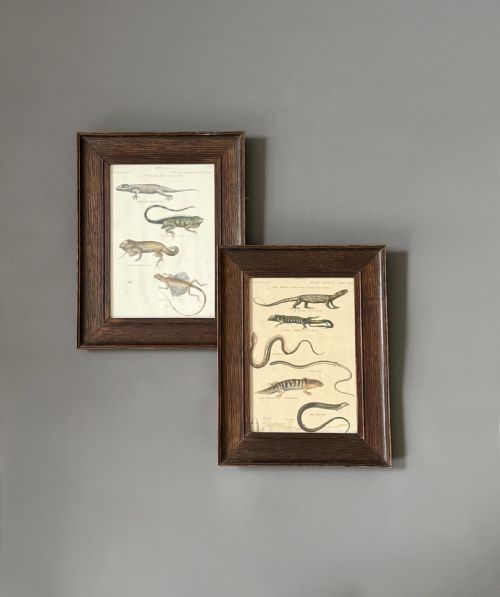
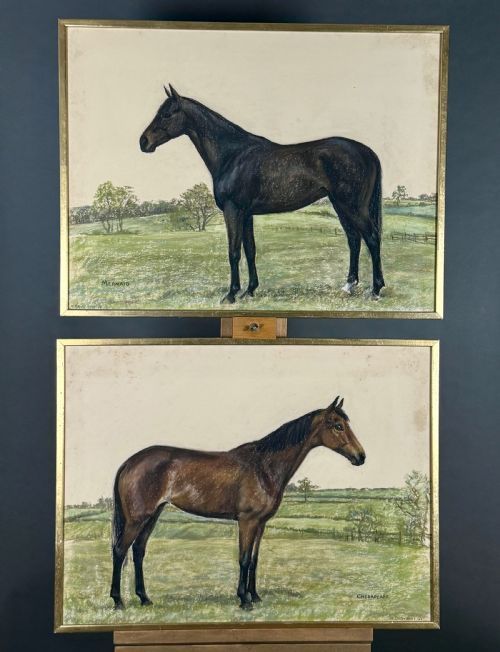
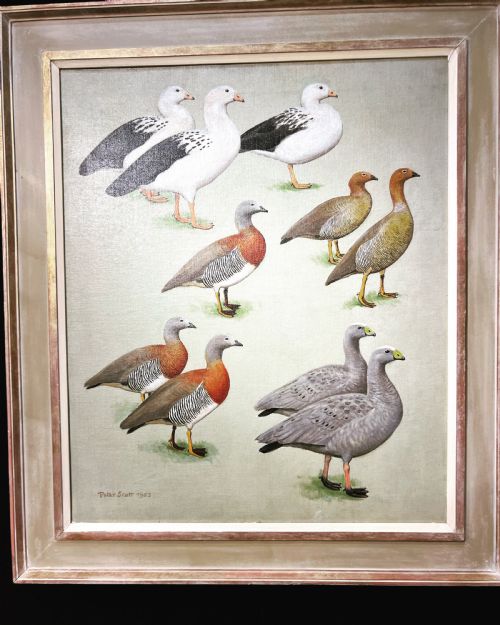
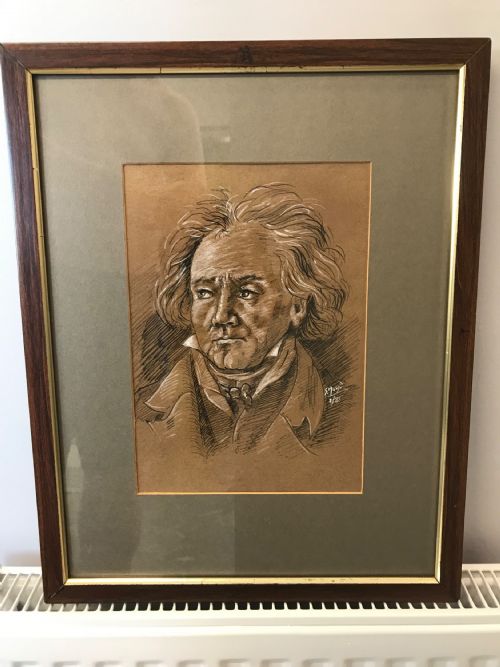
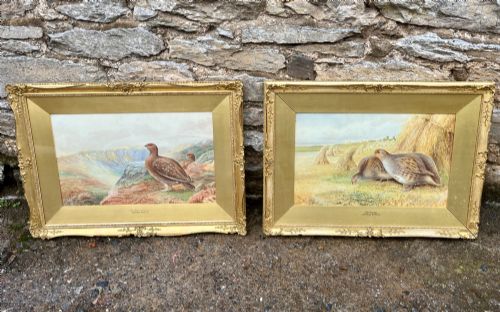
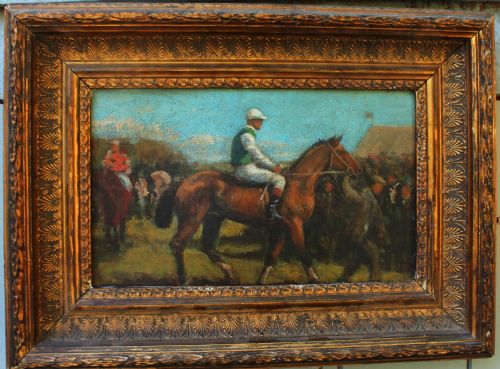
The selection on this page relies heavily on framed paintings, pastel studies, and watercolours depicting animals, botanicals, and landscapes. Alongside these flat works, buyers encounter carved bookends in wood, alabaster, and spelter.
Origins stretch from Victorian and Edwardian periods through mid-century modern design and later twentieth-century pieces. Each item serves both a decorative and a functional purpose in a private study or library.
Materials and techniques
Makers utilised traditional artistic mediums including oil paint, pastel, watercolour, and ink wash on paper, canvas, or board. These pictorial works often sit inside timber or gilt wood frames.
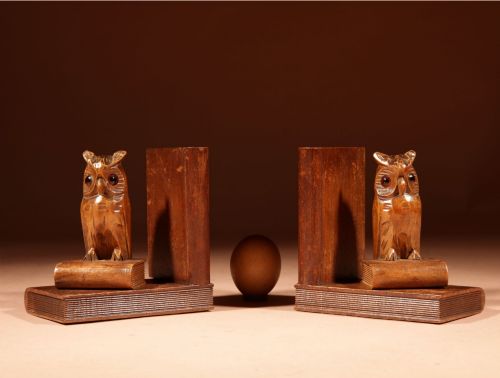
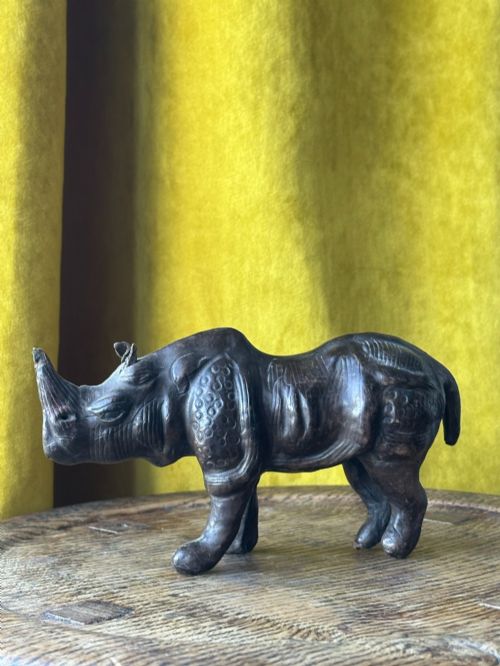
Three-dimensional objects display craftsmanship in carved wood, cast spelter, alabaster, and leather over papier-mâché for globes. Natural materials like wood and stone show the hand of the carver or sculptor.
The listings span the 18th century through the mid-20th century, featuring works in oil, pastel, watercolour, and carved wood.
Factors that separate the levels
Quality rests on the precision of the draughtsmanship and the clarity of the medium used by the artist or maker. Skilled brushwork in an oil painting or careful anatomical accuracy in an animal study elevates an item.
Materials dictate longevity and presence, where solid carved wood or heavy alabaster contrasts with lighter constructed pieces. The integrity of the original framing also influences the overall standard of a visual piece.
William Bird MD FLS·Sir Peter Markham Scott·George Rankin·Liberty and Co·Alfred Munnings·Rowland Henry Hill·John Emms·Jennifer Toombs·W.E. Barrington-Browne·Paul-Louis Barruel·Feridah Francis Forbes Taylor
The Vintage Study Decor Glossary
- Pastel
- A dry medium of powdered pigment used to create coloured studies on paper. It requires protective glass framing to prevent smudging.
- Spelter
- An alloy of zinc and lead used for casting decorative figures and bookends. It often receives a bronze-coloured finish.
- Gilt wood
- Wood coated with a thin layer of gold leaf or metallic paint. It provides an ornate border for traditional paintings and engravings.
- Alabaster
- A fine-grained mineral carved into ornaments and heavy bookends. Its translucent quality varies across pieces.
- Engraving
- A print made by cutting lines into a metal plate which holds ink. These botanical and animal plates represent early scientific illustration.
Vintage Study Decor: Frequently Asked Questions
What items count as study decor?
Study decor encompasses framed artwork, paintings, engravings, bookends, and terrestrial globes.
These pieces originate from the nineteenth and twentieth centuries and are chosen to furnish desks and bookshelves.
Are the paintings original?
The listings include original oil paintings, pastels, and watercolours alongside period engravings and printed works.
Each listing specifies the exact medium and period of the individual piece.
How do I date a globe?
Globes often carry cartographic details and publisher names that align with specific decades.
Materials such as paper-mâché and the style of the mounting offer further clues to their age.
What subjects are common in these artworks?
Artworks frequently depict animals, natural history specimens, equestrian scenes, and botanical studies.
Landscape watercolours and portrait drawings also appear across the selection.
How were bookends constructed?
Bookends use materials like carved wood, spelter, marble, and alabaster to provide weight.
Common sculptural motifs include animals such as owls and rhinoceroses.