
Vintage Storage Dresser
A vintage storage dresser provides practical utility through generous drawer space and surface area, bringing period character to any room.

Vintage Storage Dresser
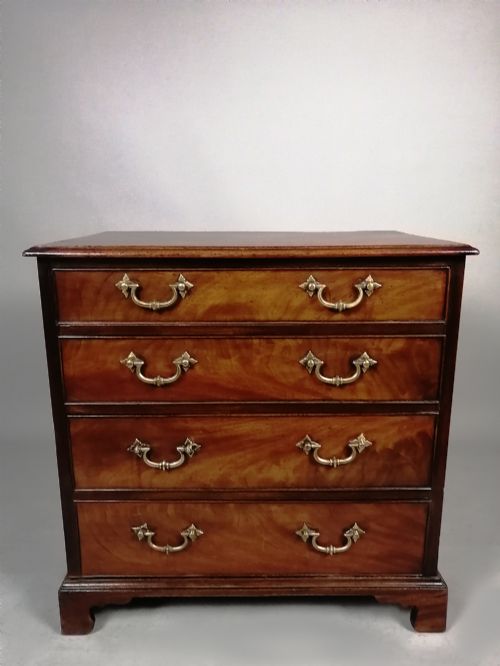
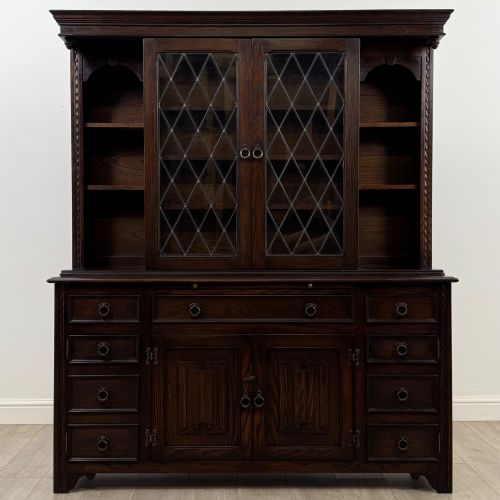
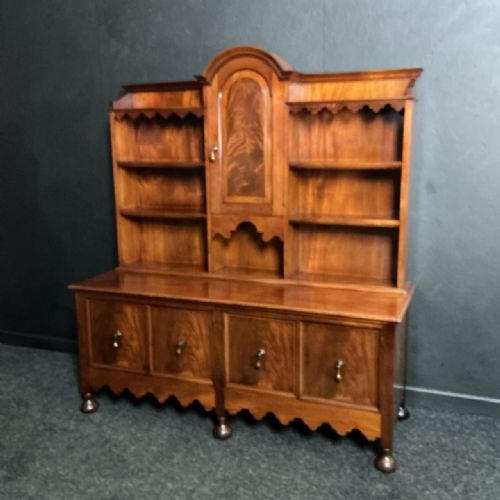
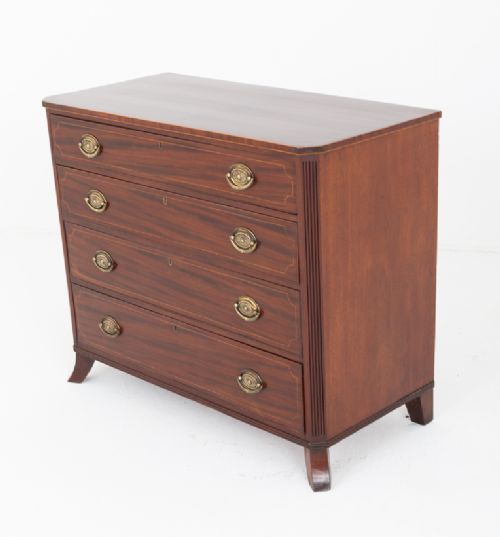
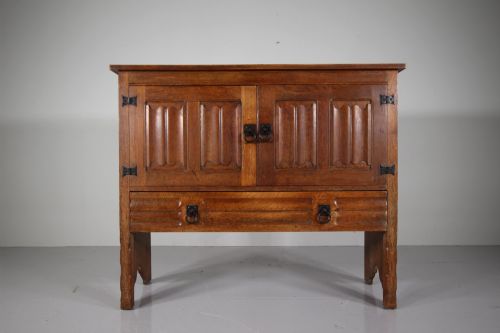
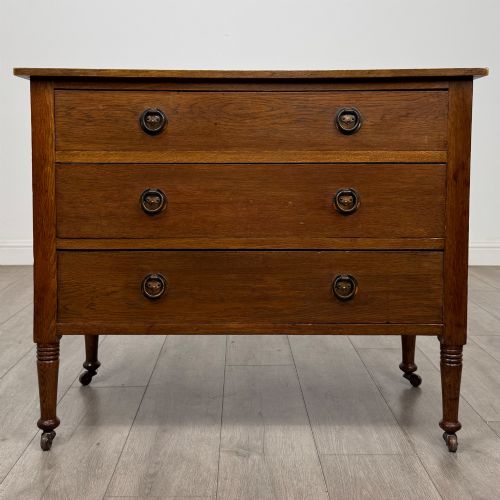
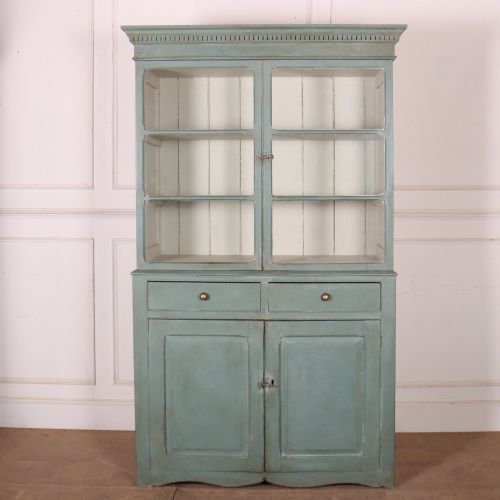
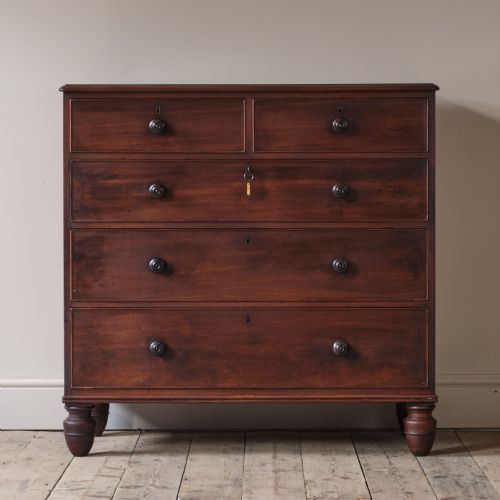
A vintage storage dresser encompasses functional forms such as chests of drawers, kitchen dressers, sideboards, and display cabinets designed for household organisation. Buyers exploring this category frequently encounter solid wood and veneered constructions originating from periods including the Georgian, Victorian, Edwardian, and Art Deco eras.
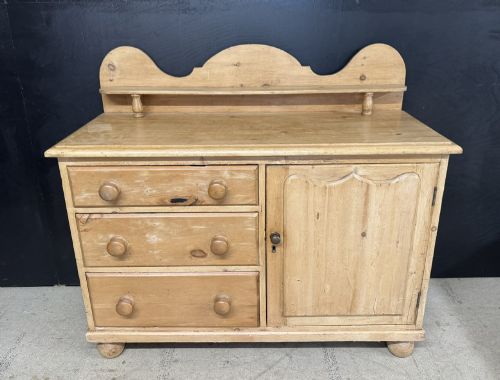
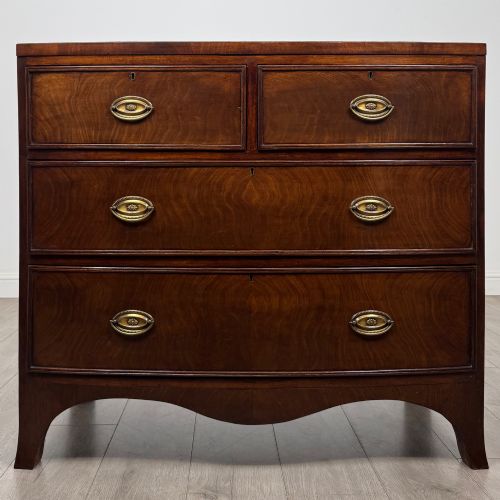
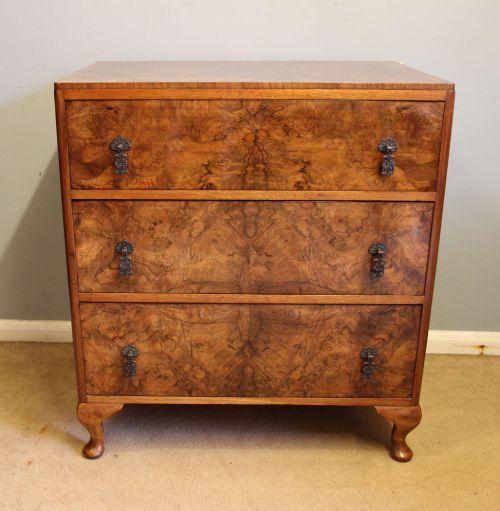
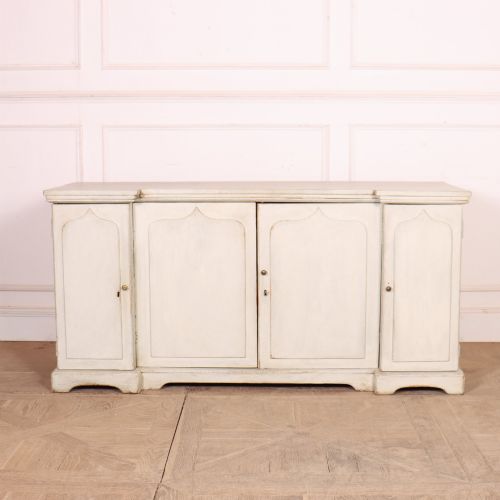
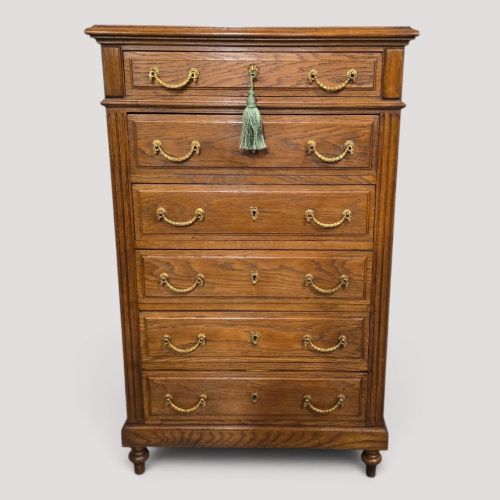
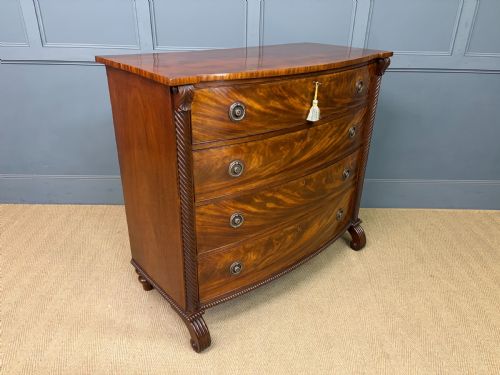
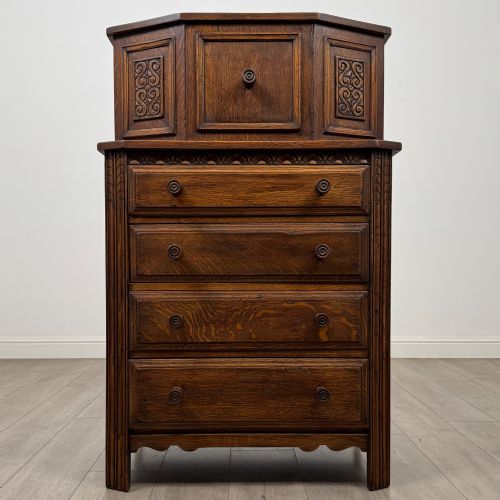
The pieces listed on this page range from robust pine kitchen dressers to refined mahogany and walnut bow front chests of drawers. English country pieces sit alongside French mirrored designs and Scottish glazed kitchen cabinets, reflecting diverse regional furniture traditions.
Materials and construction methods
Cabinet makers utilised a variety of native and imported timbers, predominantly oak, mahogany, walnut, and pine, often enhancing decorative surfaces with flame mahogany veneer or burr walnut. Metal hardware such as brass handles and fixtures provide functional contrast to the wooden structures.
Construction techniques involve traditional joinery suited to each period, visible in structural elements like tongue and groove panelling on cupboards and multi-drawer arrangements on chests.
Materials across these listings include solid oak, mahogany, walnut, pine, brass, and flame mahogany veneer.
Distinctions in craftsmanship
Quality in these storage pieces rests on the selection of timber, such as figured mahogany or solid oak, paired with careful attention to proportion and symmetry across drawer tiers. Superior examples demonstrate precise cabinet work that maintains structural integrity alongside decorative refinement.
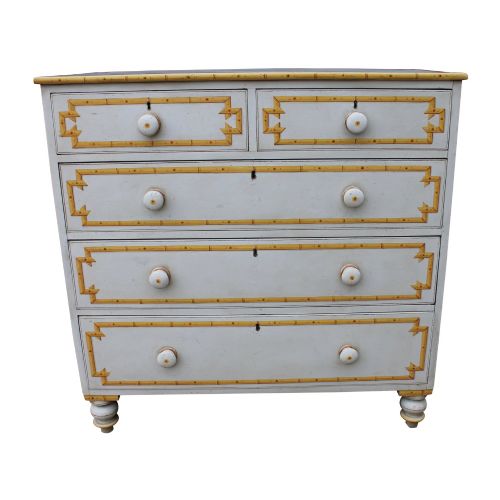
The integration of brass handles, the execution of serpentine or bow front shapes, and the preservation of original painted or polished surfaces further separate standard utilitarian items from finer examples.
T and G Seddon·Sir Clough Williams-Ellis
The Vintage Storage Dresser Glossary
- Bow front
- A convex curved front section on a chest of drawers or cabinet. This shape became particularly popular during the Regency and Georgian periods.
- Flame mahogany veneer
- A thin slice of mahogany timber applied to a carcase wood to display a distinctive flame-like grain pattern. Cabinet makers used this technique to create decorative surface movement.
- Breakfront
- A cabinet or dresser base where the central section projects forward from the flanking sections. This architectural arrangement adds depth and visual interest to large storage furniture.
- Serpentine
- A furniture front characterised by a wavy line with a convex centre flanked by concave curves. It requires advanced woodworking skill to execute properly.
- T and G
- Tongue and groove, a method of fitting planks together edge to edge for panelling. This construction appears frequently on the backs and interiors of cupboards.
Vintage Storage Dresser: Frequently Asked Questions
What defines a vintage storage dresser?
A vintage storage dresser is a multi-purpose furniture form designed to hold household goods, spanning categories like chests of drawers, kitchen dressers, and sideboards.
These pieces originate from various historical periods, including the Georgian, Victorian, Edwardian, and Art Deco eras, constructed primarily from woods such as mahogany, oak, walnut, and pine.
How do I identify different periods?
Period identification relies on observing the combination of timber, hardware, and overall silhouette. Georgian and Regency pieces often feature flame mahogany and brass handles, while Edwardian examples frequently utilise oak.
Later pieces from the 1930s incorporate Art Deco styling with figured walnut or specific veneer work, distinguishing them from earlier 19th-century pine country furniture.
Where were these pieces used?
Storage dressers and chests served functional roles throughout the home, from kitchens and dining rooms to bedrooms and hallways. Kitchen dressers and cupboards housed culinary items, while chests of drawers managed clothing and linens in private quarters.
Display cabinets combined storage with the exhibition of glassware and prized possessions in principal living spaces.
How do I care for wooden surfaces?
Maintaining wooden furniture involves keeping pieces away from direct heat sources and fluctuating moisture levels that affect timber and veneer. Regular dusting with a soft cloth preserves the polish without building up residue.
Applying appropriate wax occasionally helps nourish older woods like oak and mahogany while protecting the original finish.