
Vintage Storage Credenza
A vintage storage credenza provides substantial room for belongings while anchoring a room with period character.
Vintage Storage Credenza
When you search for a vintage storage credenza, you encounter a wide selection of sideboards, cabinets, and cupboards spanning centuries of domestic furniture design. These pieces serve primarily to store tableware, linens, and household goods while offering a flat surface for display.
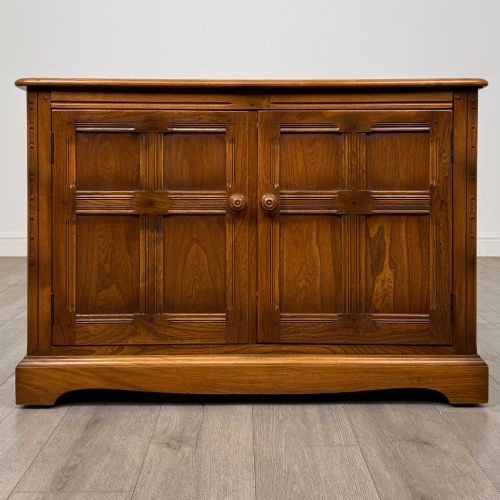
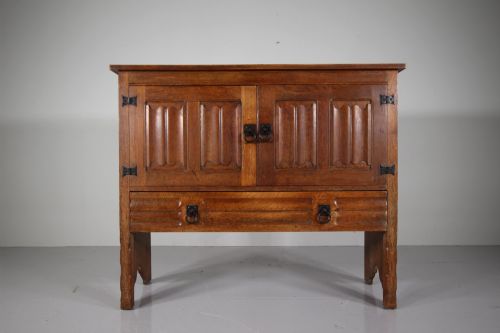
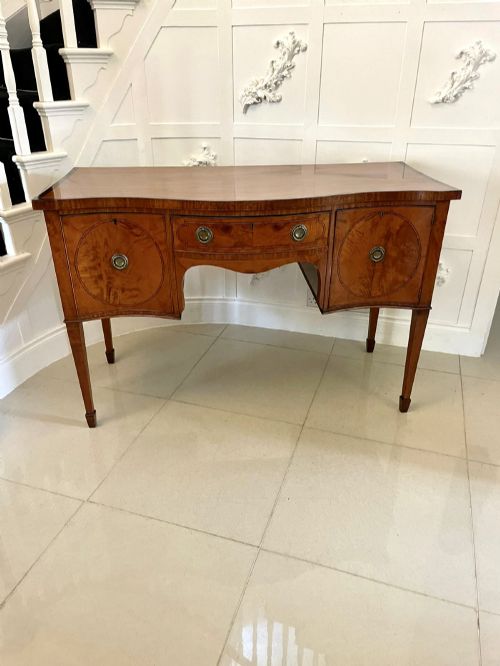
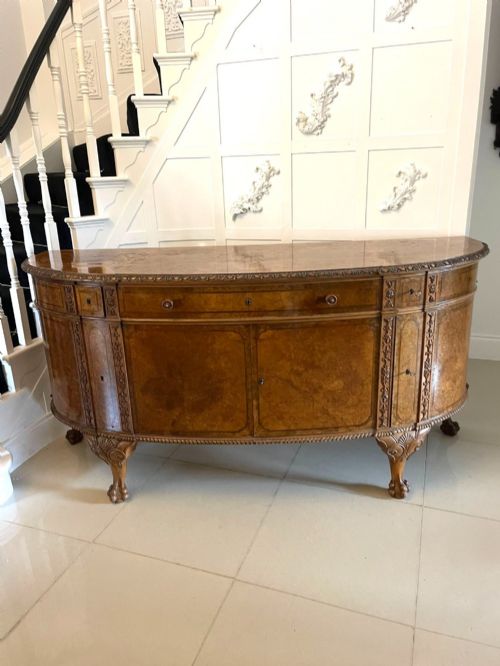
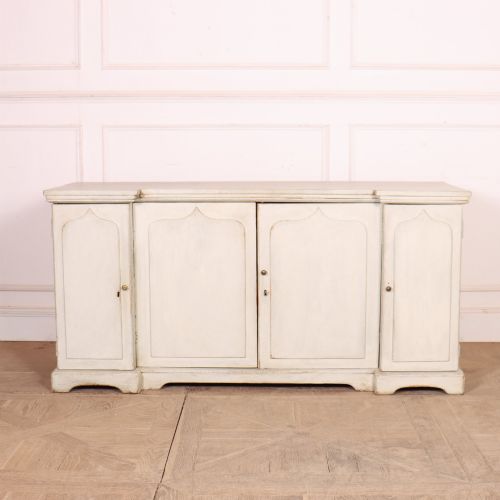
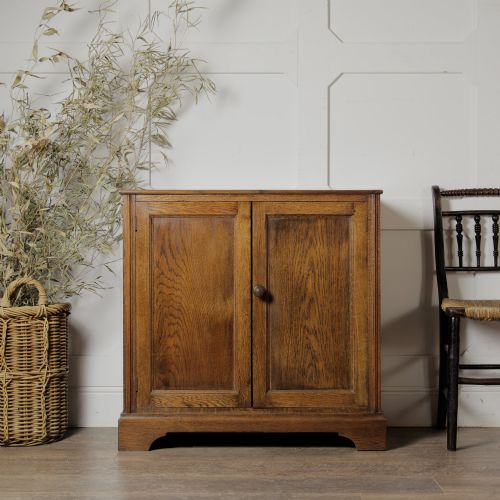
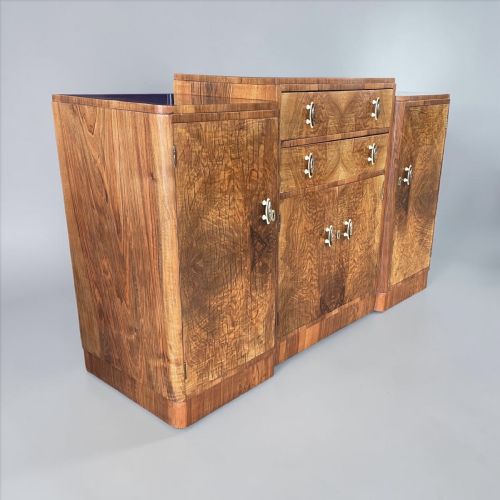
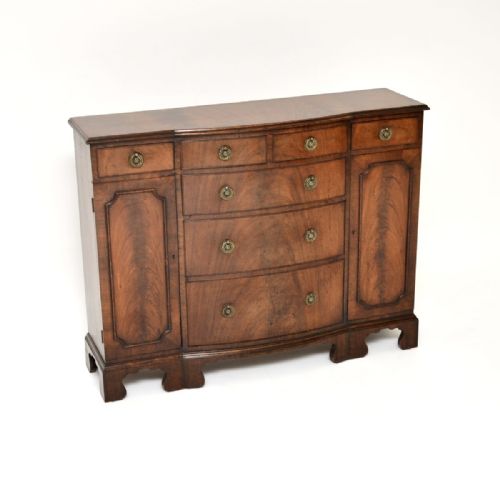
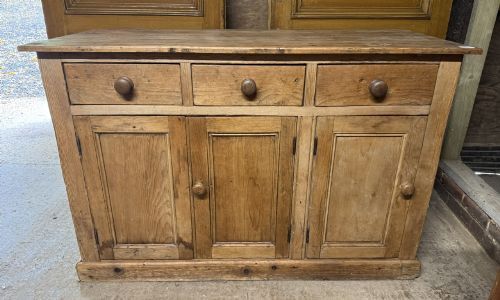
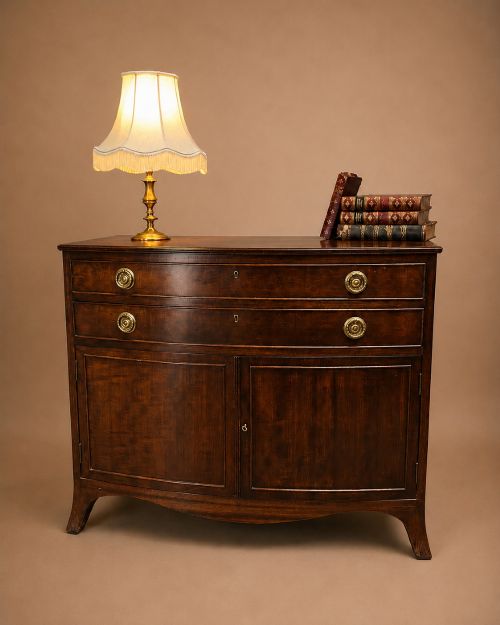
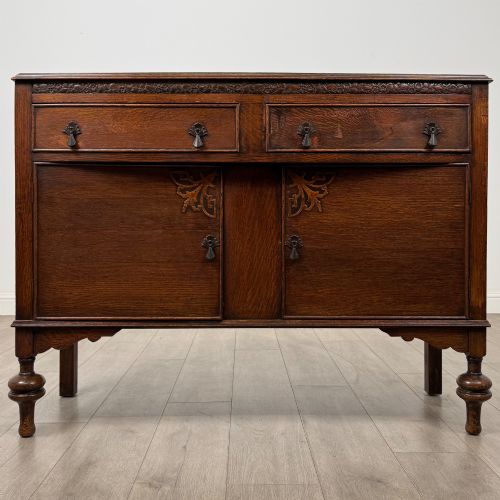
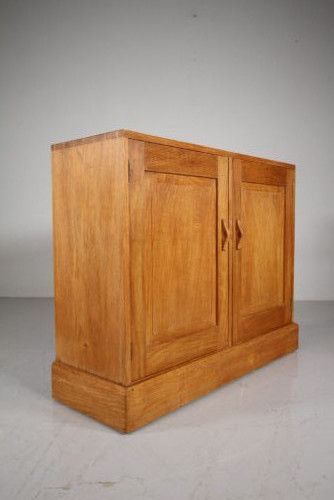
The selections available here range from solid oak Jacobean style and Edwardian carved iterations to sleek Art Deco walnut and satin birch designs. Forms include bowfront and serpentine shapes, breakfront dresser bases, and low cabinets.
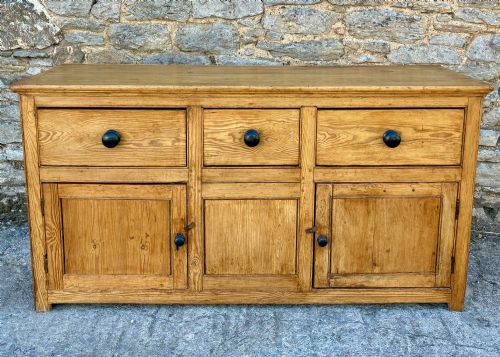
Originating across England, the Continent, and specific regional workshops, these items bring varied architectural presence into a modern interior. Oak and mahogany predominate among the older forms, alongside burr walnut and pine.
Materials and Construction
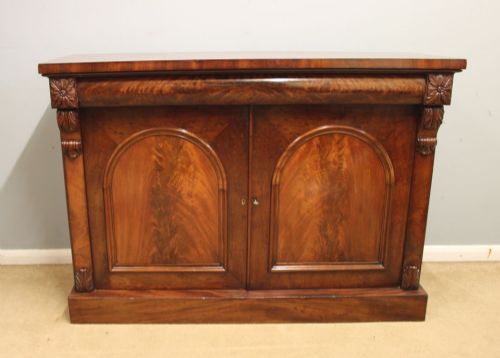
Cabinet makers utilised dense hardwoods such as oak, mahogany, and walnut, often selecting figured veneers like burr walnut or satin birch for decorative front panels. Secondary timbers such as pine appear on internal drawer linings and carcass backs.
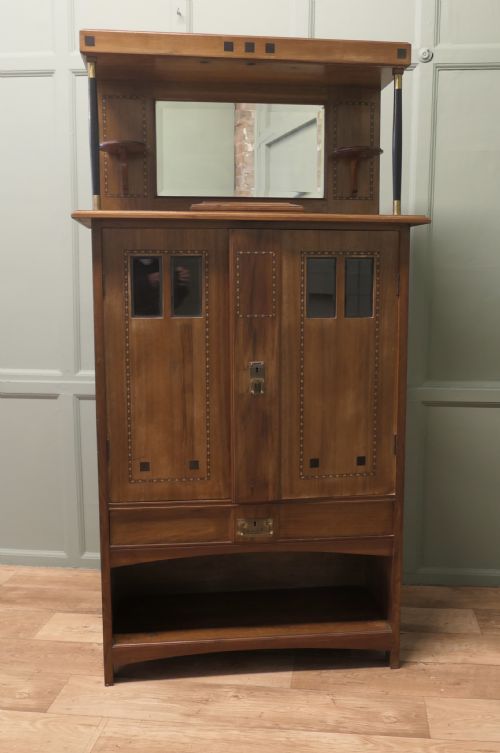
Hardware details involve brass handles and escutcheons, occasionally paired with iron fittings or marble tops and grill fronts on specialised drinks cabinets. Construction methods rely on traditional joinery, sturdy dovetailed drawers, and carved ornamentation characteristic of periods like Gothic Revival or Arts and Crafts.
Secret cocktail cabinets wait behind unassuming wooden doors to pour your evening gin with period flair.
Assessing Quality
The distinction between standard utility items and exceptional pieces rests upon timber selection and the crispness of carved or veneered surfaces. Dense, highly figured burr walnut and golden oak with balanced grain patterns indicate superior workshop selection.
Proportion and architectural harmony dictate overall success, seen in well-resolved serpentine or bowfront shapes and heavy brass mounts. The integrity of the original joints and the weight of the timber reflect the standard of the maker's workshop.
Harry and Lou Epstein·Gomme·Whytock and Reid
The Vintage Storage Credenza Glossary
- Breakfront
- A cabinet design where the central section projects forward from the flanking outer sections. This creates depth and architectural interest on large sideboards.
- Bowfront
- A convex, curved front profile typical of formal dining furniture from the nineteenth and early twentieth centuries. It softens the rectangular geometry of the room.
- Court cupboard
- A traditional enclosed shelf unit used for displaying plate and storing provisions. These sturdy oak pieces often feature heavy carving.
- Chiffonier
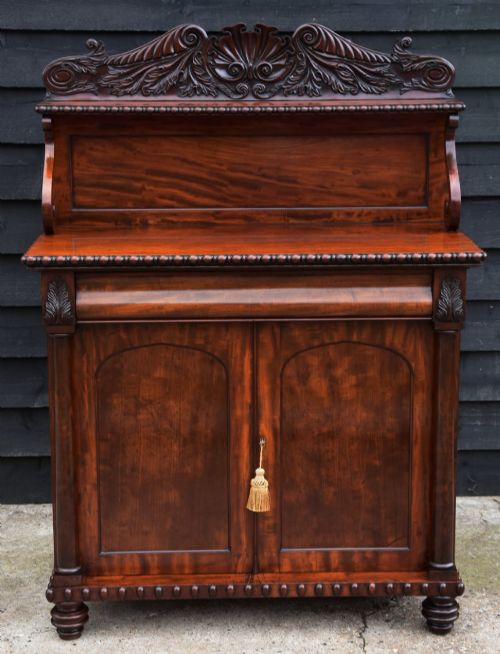
- A compact sideboard equipped with a raised shelf or back panel. It originated as a versatile serving station for dining rooms.
- Serpentine
- A concave-convex curving front line that sweeps gracefully across the doors or drawers. It demands advanced woodworking skill to execute properly.
Vintage Storage Credenza: Frequently Asked Questions
What is a vintage storage credenza used for?
These pieces provide heavy-duty storage for dining ware, glassware, and household items while functioning as a surface for lamps or serving food.
In living spaces, they often support media equipment or display collections on their top panels.
How do I identify an Art Deco credenza?
Art Deco pieces display streamlined geometry, luxurious veneers like burr walnut or satin birch, and minimal applied ornamentation.
They emerged strongly around the nineteen-thirties, favouring clean horizontals and polished surfaces.
Are these credenzas made of solid wood?
Many examples utilise solid oak, pine, or mahogany for structural frames and panels. Finer decorative surfaces frequently employ carefully matched wood veneers over stable secondary timbers.
This technique prevents warping while showcasing dramatic grain patterns.
How do I fit a credenza into a modern room?
A low oak or mahogany sideboard anchors a contemporary wall and introduces warmth against neutral plaster. Pair the surface with ceramics or books to balance the heavy timber proportions.
Ensure you measure the depth and door swing clearance before placement.
What distinguishes Edwardian oak credenzas?
Edwardian iterations often feature carved panels inspired by earlier Jacobean or Gothic revival styles. Golden oak is typical of this period, yielding a bright yet substantial finish.
Brass handles and sturdy bracket feet complete the standard construction.