
Vintage Stool Seat
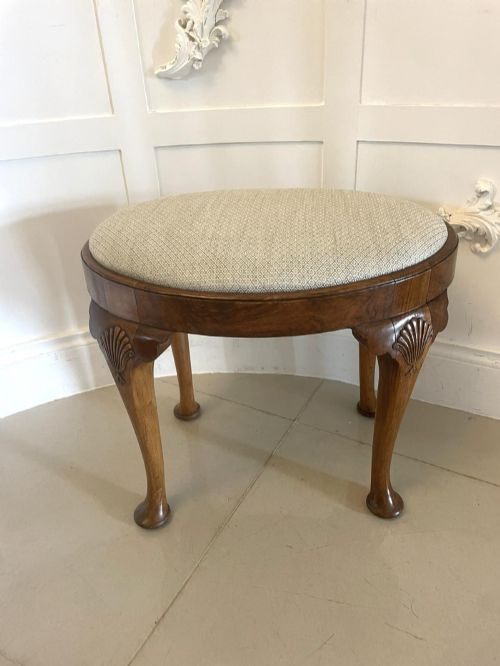
These vintage stool seat examples span centuries of domestic and commercial life, offering solid timber frames and period upholstery.
Vintage Stool Seat
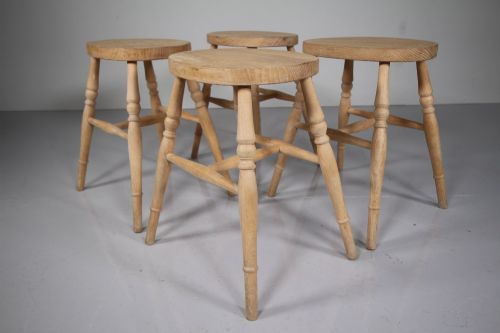
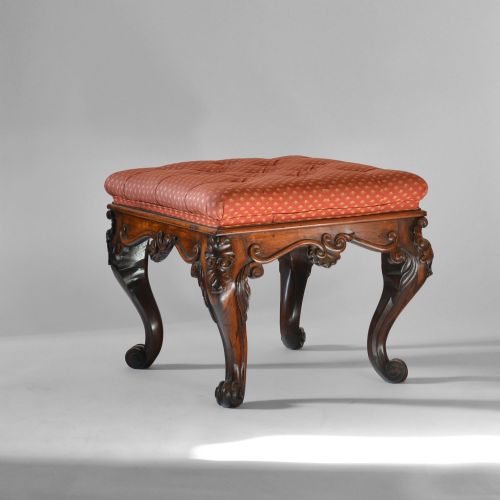
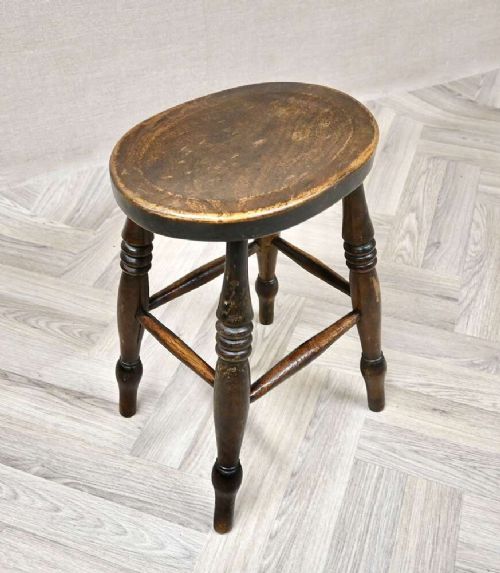
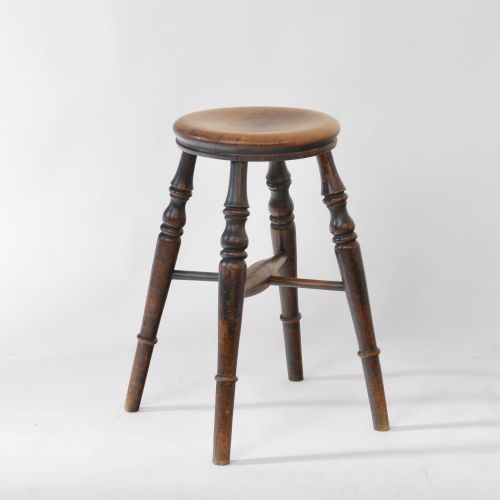
A vintage stool seat covers diverse domestic and workshop seating, ranging from piano stools and dressing table seats to tall industrial bar stools. Buyers searching for a vintage stool seat frequently encounter nineteenth-century oak, mahogany, and elm designs alongside Edwardian and Art Deco iterations.
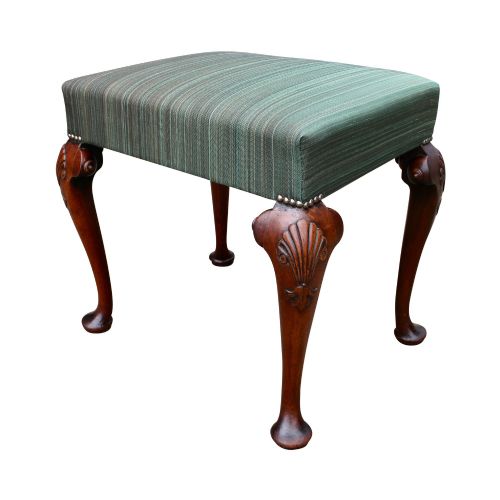
The selection extends from simple pub and tavern stools in sycamore and beech to elaborately carved revival styles like Queen Anne and Chippendale. Regional and international pieces, such as Anglo-Indian rosewood examples and Swedish Gustavian stools, also appear across the periods.
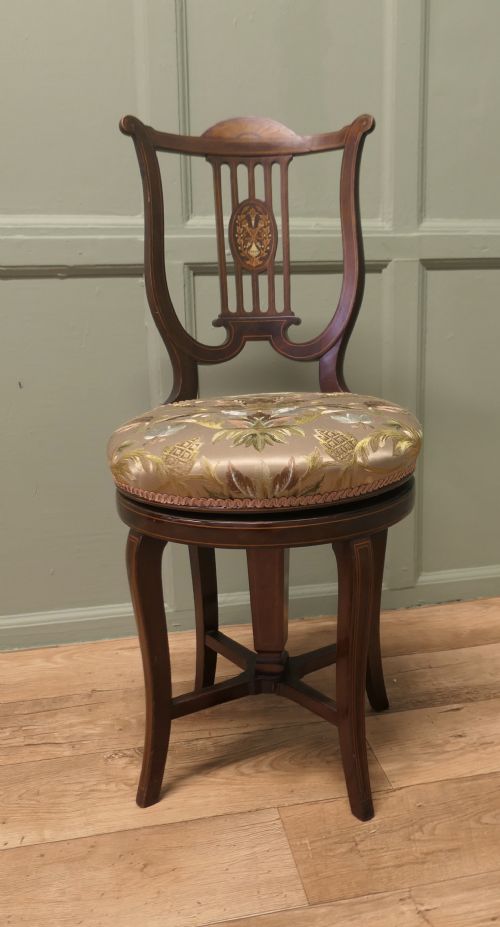
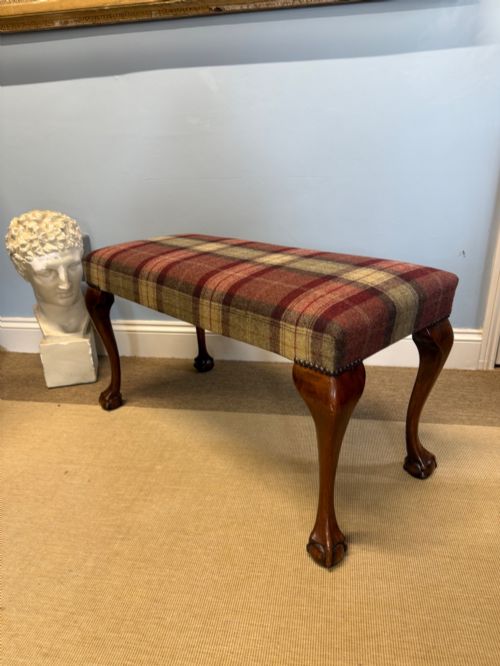
Functional variants include revolving music chairs, adjustable dressing table seats, footstools, and long window benches. Form follows utility, distinguishing low fireside hearth stools from high artisan and machinist seating.
How they were made
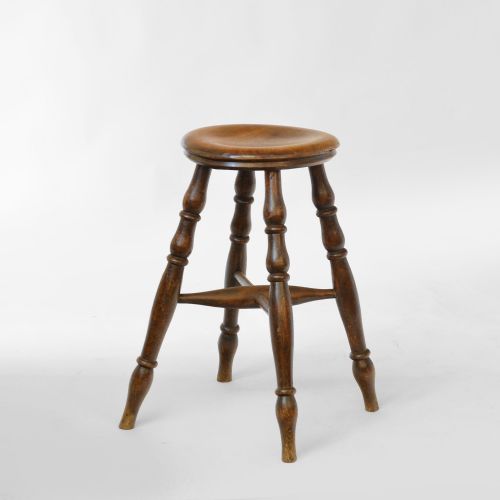
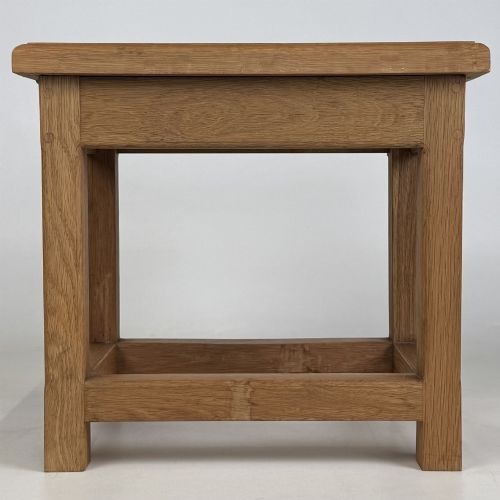
Timber selection dictates the construction of these seats, utilising hardwoods like mahogany, oak, walnut, ash, and beech alongside softer pine and elm. Joinery methods rely on traditional framing, turned legs, and cross stretchers to ensure structural rigidity under daily weight.
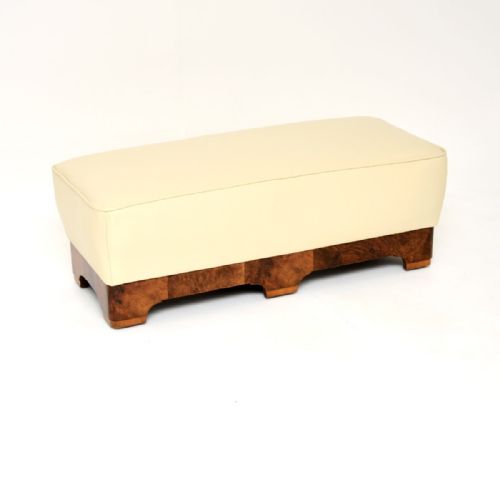
Upholstered versions incorporate leather, velvet, fabric, and needlework seats, often padded over sturdy wooden bases or brass frames. Industrial and vernacular pieces combine cast iron supports with pitch pine or solid timber tops for heavy workshop and tavern service.
Even silversmiths needed a sturdy perch.
What varies in quality
Quality rests in the choice of timber, the crispness of carved details, and the integrity of the underlying joinery. Superior pieces display thoughtful proportions, robust structural timber, and refined execution across legs, stretchers, and seats.
The distinction between standard utility items and finer examples lies in the selection of figured woods like burr walnut or rosewood, and the retention of original hardware such as revolving mechanisms or brass mounts.
Harry and Lou Epstein·Minton
The Vintage Stool Seat Glossary
- Cross stretcher
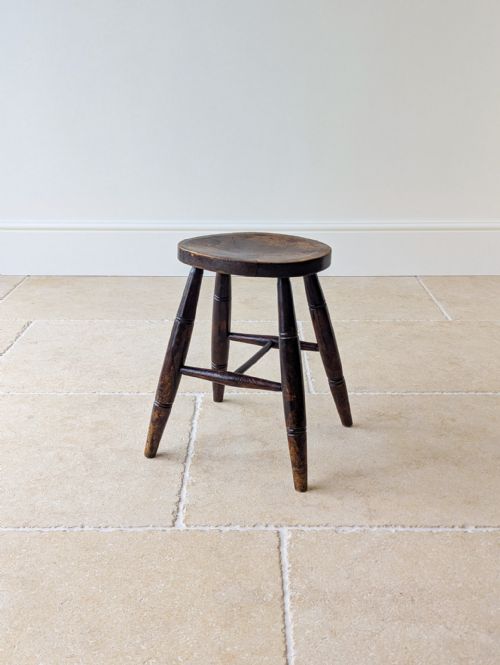
- An interconnecting horizontal rail between the legs of a stool that adds structural support and stability. They often feature simple turnings or more elaborate carved junctions depending on the period style.
- Revolving mechanism
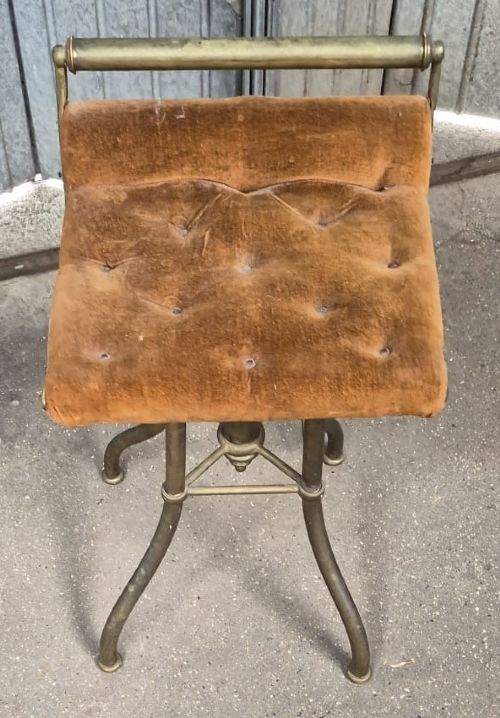
- The mechanical pivot beneath a music chair or piano stool that allows the seat to rotate. This hardware enables musicians to adjust their height and position during performance.
- Needlework seat
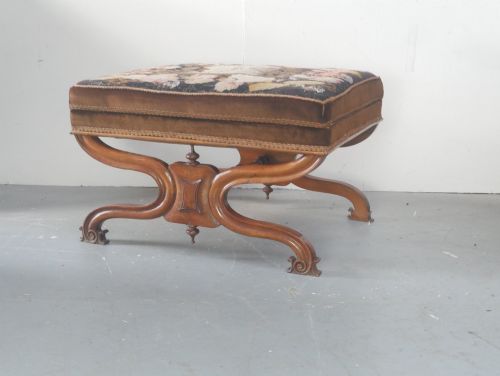
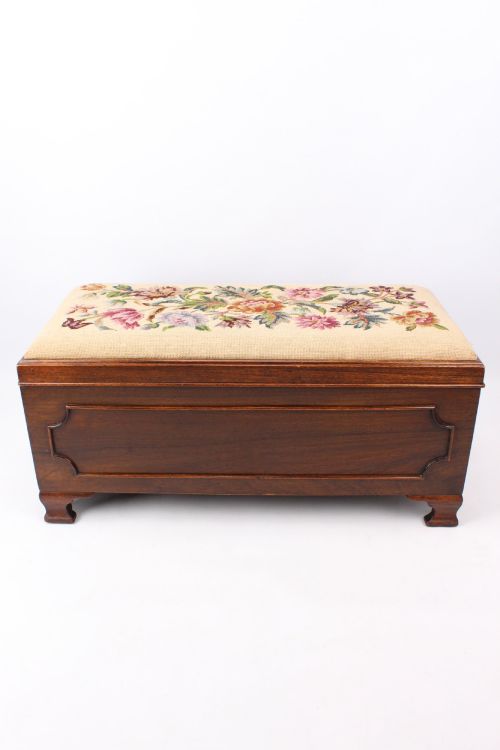
- A top upholstered in hand-stitched canvas work, typically displaying floral or geometric patterns. These textiles add colour and texture to mahogany and walnut frames.
- Gustavian
- The Swedish neoclassical style characterised by restrained classical motifs and pale painted finishes. Pieces from this tradition offer a lighter palette compared to heavier Victorian counterparts.
- Machinist stool
- Industrial seating designed for workshops and factories, often combining cast iron bases with wooden tops. These pieces prioritise functional durability and adjustable height over decorative carving.
Vintage Stool Seat: Frequently Asked Questions
How do I date a wooden stool?
Dating relies on identifying the timber species, joinery techniques, and stylistic revival markers present in the frame. Secondary woods and tool marks often reveal the manufacturing era.
Comparing turnings and stretcher arrangements against known nineteenth and early twentieth-century examples helps narrow down the decade of production.
What is the difference between a piano stool and a footstool?
Piano stools are generally taller and sometimes feature revolving seats or storage compartments for sheet music beneath the top. Footstools sit much lower to the floor and are designed to support feet while seated in an armchair.
Their respective heights and mechanical adjustments dictate their original placement and function within a Victorian or Edwardian interior.
Are industrial stools comfortable for daily use?
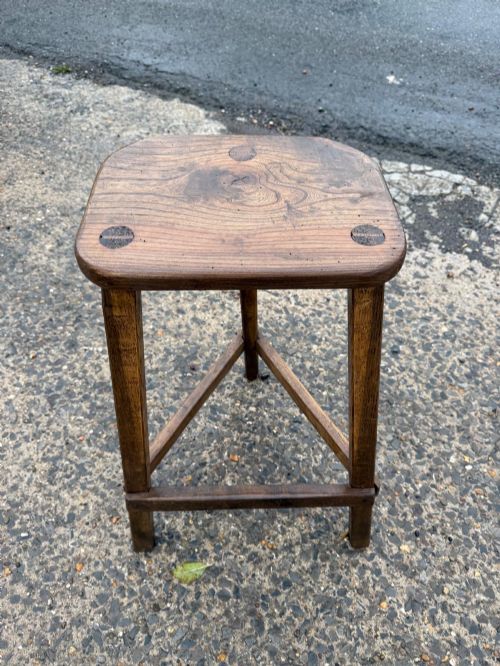
Industrial and machinist stools utilise shaped wooden or metal seats designed for long hours of artisan labour. While supportive, they lack the soft padding found on dressing table or piano seats.
Placing them at a high desk or kitchen island highlights their ergonomic wooden contours rather than plush upholstery.
How should I care for leather and velvet upholstery?
Leather seats benefit from periodic conditioning to maintain flexibility and prevent drying out in heated rooms. Velvet and fabric coverings require gentle brushing and protection from direct sunlight to preserve the pile and colour.
Avoiding harsh chemical cleaners ensures the original nineteenth or twentieth-century textiles remain stable.