



Vintage Stone Statuette
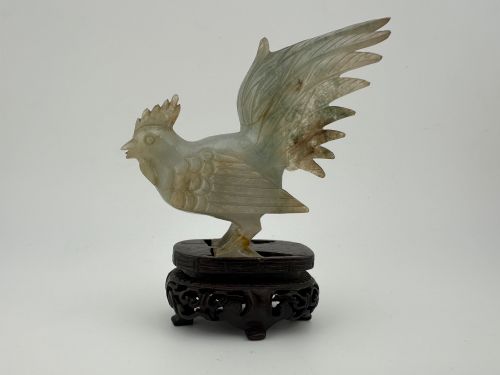
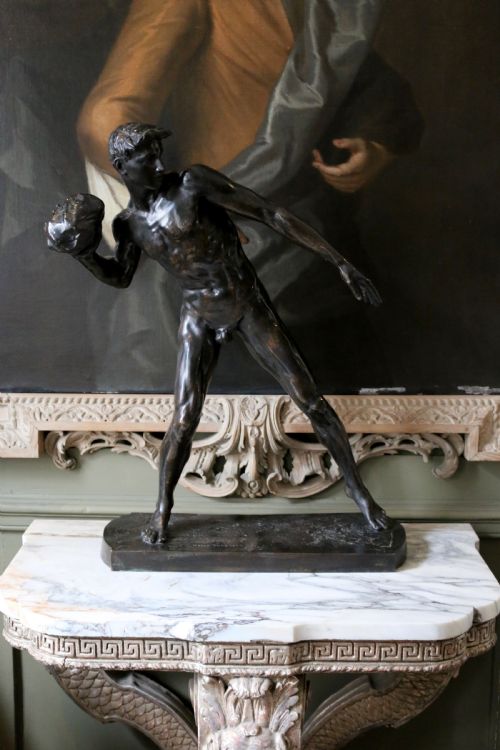
These vintage stone statuette examples range from carved alabaster figures to cast garden ornaments, offering enduring charm for any interior or garden.
Vintage Stone Statuette
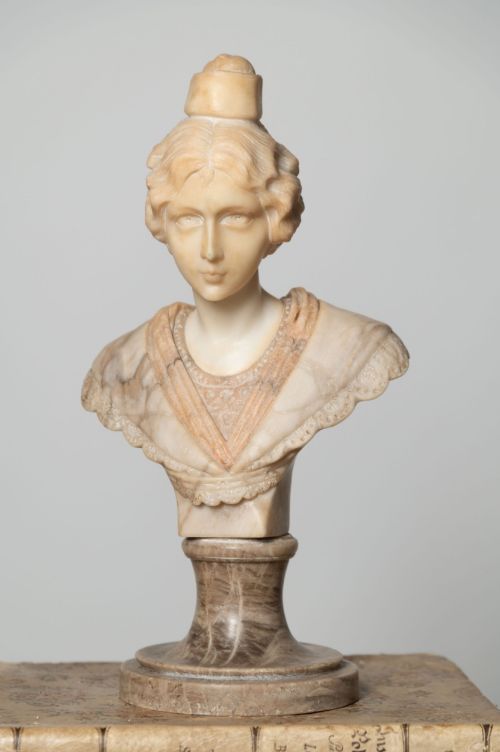
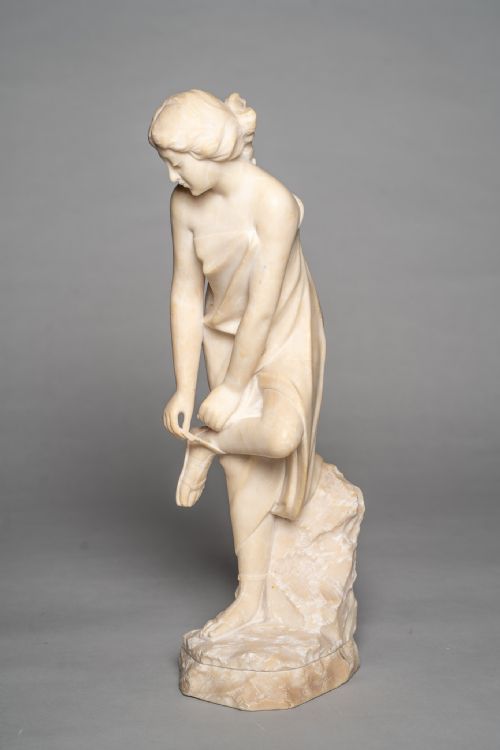
When you search for a vintage stone statuette, you encounter a diverse collection of sculptural works spanning the nineteenth and twentieth centuries. These pieces encompass carved marble figures, alabaster busts, and cast garden ornaments that reflect classical and modern sensibilities alike.
You are most likely to meet nineteenth-century carved marble busts and figures alongside twentieth-century garden statuary made from reconstituted stone. These items capture human forms, mythological subjects, and animal figures intended for display in homes or outdoor spaces.
How they were made
The makers of these pieces utilised natural stones such as marble, alabaster, and onyx, shaping them through meticulous hand-carving techniques. Sculptors relied on chisels and polishing agents to render smooth flesh and detailed drapery.
Later twentieth-century examples often relied on casting methods using reconstituted stone or cast stone. These pieces were formed in moulds, sometimes retaining original painted surfaces that weathered over time.
Vintage Stone Statuette Retail Price Guide 2026
Typical asking prices for vintage stone statuette among the pieces listed under this phrase on Sellingantiques today, from the lower quarter to the upper quarter. They describe what is for sale here now, not the wider market.
An English garden gnome from nineteen-thirty stands ready with its original flaky paint, proving that even stone statuettes enjoy a colourful coat.
What varies in quality
Quality in these sculptures rests upon the precision of the carving and the anatomical understanding of the maker. Finer pieces demonstrate subtlety in facial expressions and naturalism in the fall of fabric.
The choice of material similarly dictates the standing of a piece, with high-grade Carrara marble and translucent alabaster holding greater refinement than coarser cast stone.
Hamo Thornycroft·A. Gamay
The Vintage Stone Statuette Glossary
- Alabaster
- A fine-grained, translucent stone often used for detailed nineteenth-century figures and portrait busts. It responds well to carving but is softer than marble.
- Carrara Marble
- A type of white or blue-grey marble from Italy, prized since antiquity for its purity and uniform grain. Sculptors utilised it for classical portraiture.
- Reconstituted Stone
- A composite material made from crushed stone and a binder, cast in moulds to replicate natural carved stone. It frequently appears in garden ornaments.
- Grand Tour
- A cultural tradition of travel through Europe that inspired the production of small-scale classical sculptures for collectors. These souvenirs often mirrored famous antiquities.
Vintage Stone Statuette: Frequently Asked Questions
What is a vintage stone statuette made of?
These sculptures are fashioned from a variety of materials including natural marble, alabaster, onyx, and cast reconstituted stone.
Carved pieces utilise quarried stone shaped by hand, while garden ornaments typically employ moulded aggregate mixtures.
Where should I display a stone statuette?
Smaller marble and alabaster figures suit indoor placement on pedestals, mantels, or desks where light highlights the carved details.
Reconstituted stone pieces and garden gnomes are typically weather-resistant and intended for outdoor placement in gardens or courtyards.
How do I date a stone statuette?
Dating relies on stylistic clues, costume details, and the type of material or mounting used by the maker.
Nineteenth-century works often reflect Neoclassical or Victorian aesthetics, whereas twentieth-century pieces incorporate simpler casting techniques and original painted finishes.
Are these statuettes signed by artists?
Some sculptures bear signatures or foundry marks carved directly into the base or rear of the stone.
Signed works provide a direct attribution to nineteenth and twentieth-century sculptors and artisans.