



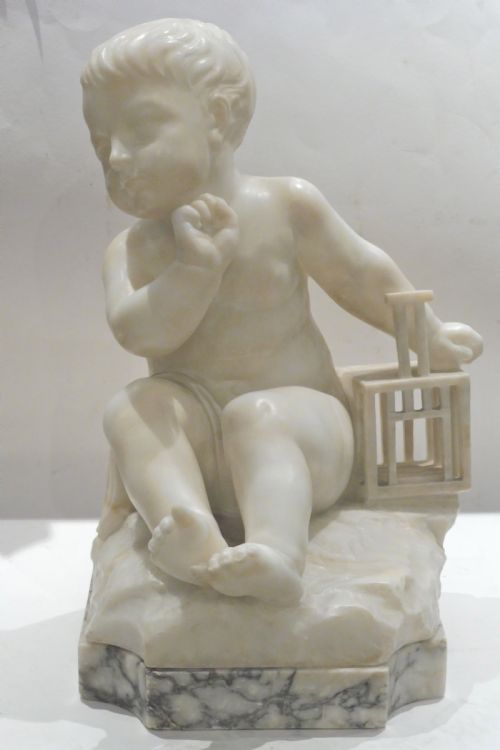


Italian Alabaster Figure
An italian alabaster figure brings the soft translucence of carved stone into a room, capturing classical grace and naturalistic detail.
Italian Alabaster Figure
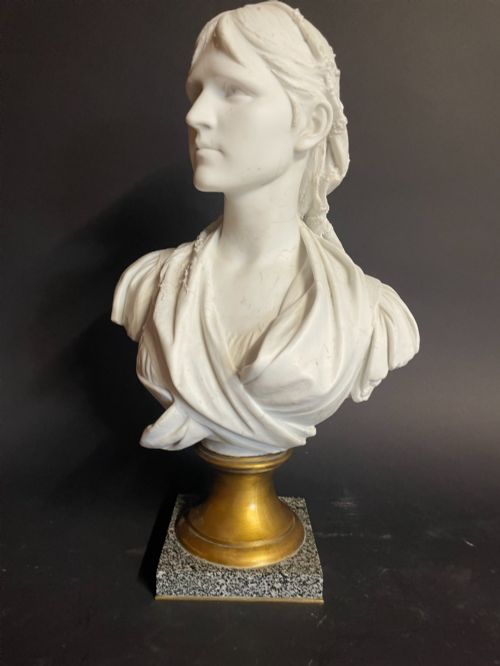
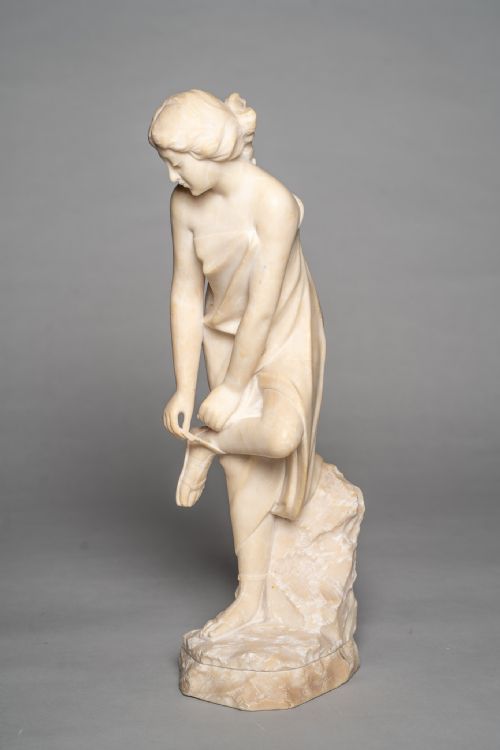
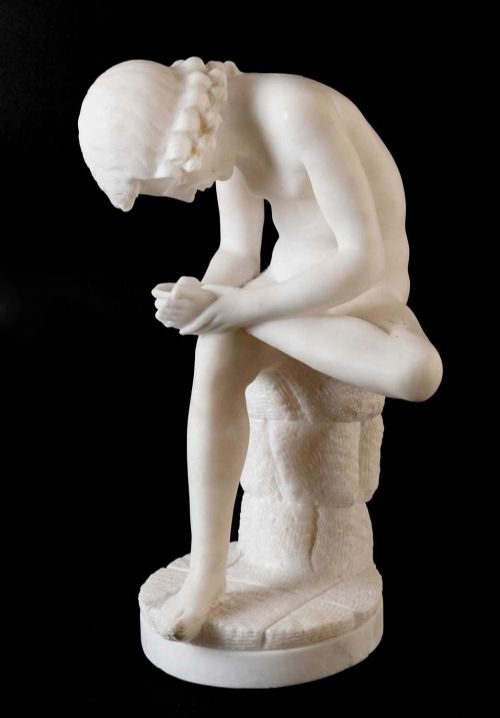
An italian alabaster figure represents subjects ranging from mythological deities and classical youths to dancers and allegorical women. These works emerge primarily across the nineteenth and early twentieth centuries, spanning periods from Grand Tour souvenirs to Art Deco creations. Collectors encounter standing full-length studies, busts, and sculptural groups mounted on contrasting bases.
The objects appearing on this page reflect diverse scales and manufacturing traditions, including smaller-scale decorative tazze and larger exhibition pieces. Many examples connect directly to named Italian workshops and sculptors, while others derive from ancient classical prototypes. They function primarily as interior display pieces for mantelpieces, tables, and cabinets.
Materials and methods
Sculptors shaped these pieces using fine-grained stone such as alabaster and white marble, sometimes combining them with brass, glass, metal, wood, or granite for structural or decorative effect. Workshops utilised hand-carving techniques to exploit the natural veining and translucent qualities of the stone. Certain examples feature polychrome or gilt treatments applied to the alabaster surface.
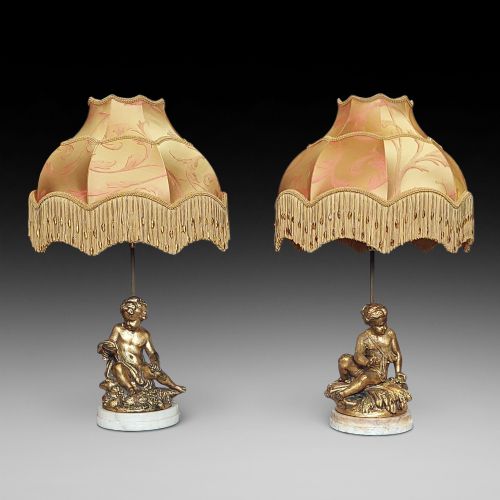
Makers often mounted carved stone bodies onto heavier stone bases, such as black marble blocks, to provide stability. Functional items integrate mechanical components like French clock movements or electrical fittings directly into the stone or metal mounts.
Italian Alabaster Figure Retail Price Guide 2026
Typical asking prices for italian alabaster figure among the pieces listed under this phrase on Sellingantiques today, from the lower quarter to the upper quarter. They describe what is for sale here now, not the wider market.
Several Victorian ladies in these carvings appear permanently startled by the presence of nearby mantel clocks and table lamps.
Factors of quality
Original mounts and bases contribute significantly to the integrity of an object, particularly when gilt metal elements, glass domes, or inscribed signatures remain intact. The choice of marble or alabaster variety, such as highly-figured stone or veined Carrara, dictates the visual depth of the finished composition.
A Gamay·Antonio Frilli·Pugi·Cipriani·Gugielmo Pugi·P Emilio Fiaschi·Giuseppe Gambogi
The Italian Alabaster Figure Glossary
- Alabaster
- A fine-grained, soft mineral stone used for carving statues and decorative objects. Its translucent quality permits light to pass slightly beneath the surface.
- Grand Tour
- A traditional trip through Europe undertaken by upper-class travellers in the eighteenth and nineteenth centuries. Souvenirs purchased on these journeys frequently included small-scale carved stone sculptures and architectural models.
- Neoclassical
- A style inspired by the art and culture of ancient Greece and Rome. This aesthetic prioritises balanced proportions, classical drapery, and heroic subject matter.
- Tazza
- A shallow saucer-shaped vessel or cup elevated on a stem and foot. Makers often produced these in carved stone as decorative display items.
- Undercutting
- A sculptural technique where the carver cuts deep behind a figure or drapery fold to create three-dimensional separation and shadow. This method demands high skill to prevent the fragile stone from breaking.
Italian Alabaster Figure: Frequently Asked Questions
How do I clean an alabaster figure?
Alabaster is a soft and water-soluble stone that absorbs moisture readily. Dust the surface gently with a dry, soft brush and avoid using water or chemical cleaning solutions.
Exposing the stone to damp environments or direct moisture can cause permanent staining and surface dissolution. Keep these sculptures in dry interior spaces away from high humidity.
Where were these sculptures made?
These works originated primarily in Italian workshops and studios active during the nineteenth and early twentieth centuries. Centres like Florence and Volterra housed skilled carvers who produced both classical copies and original compositions.
Many pieces were created specifically for international buyers touring Europe or exporting goods abroad. Artisans utilised locally quarried stone to supply the demand for classical ornament.
How were these figures displayed originally?
Nineteenth-century interiors featured these sculptures on mantelpieces, pedestals, and library tables where ambient light could illuminate the stone. Large-scale figures often stood on dedicated marble bases or wooden columns to elevate them within a room.
Smaller decorative items and clocks were placed on sideboards or within glazed display cabinets. Some functional pieces combined lighting elements or glass domes to protect the delicate carved surfaces.