



Neoclassical Carved Stone Statue
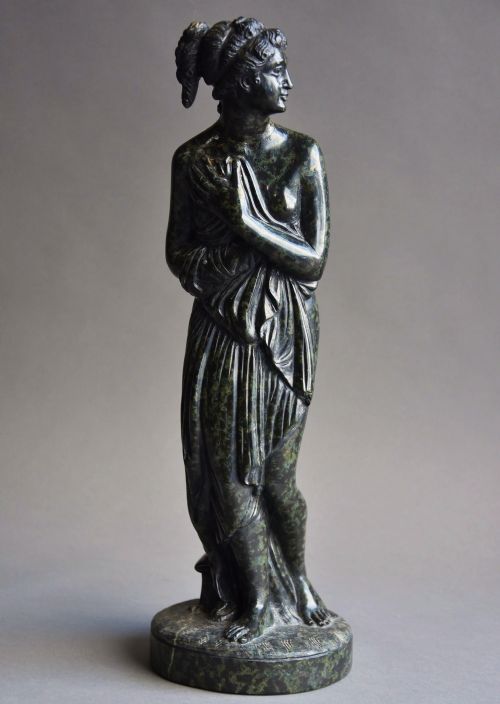
A neoclassical carved stone statue brings classical antiquity into a room through carved marble, alabaster and serpentine.
Neoclassical Carved Stone Statue
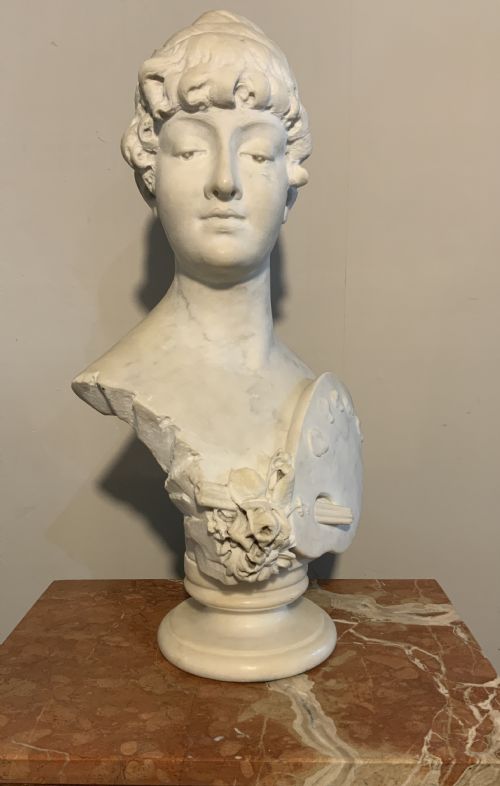
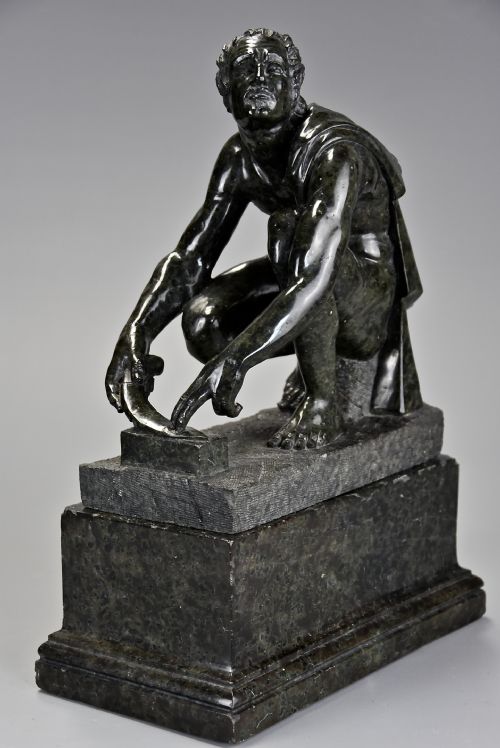
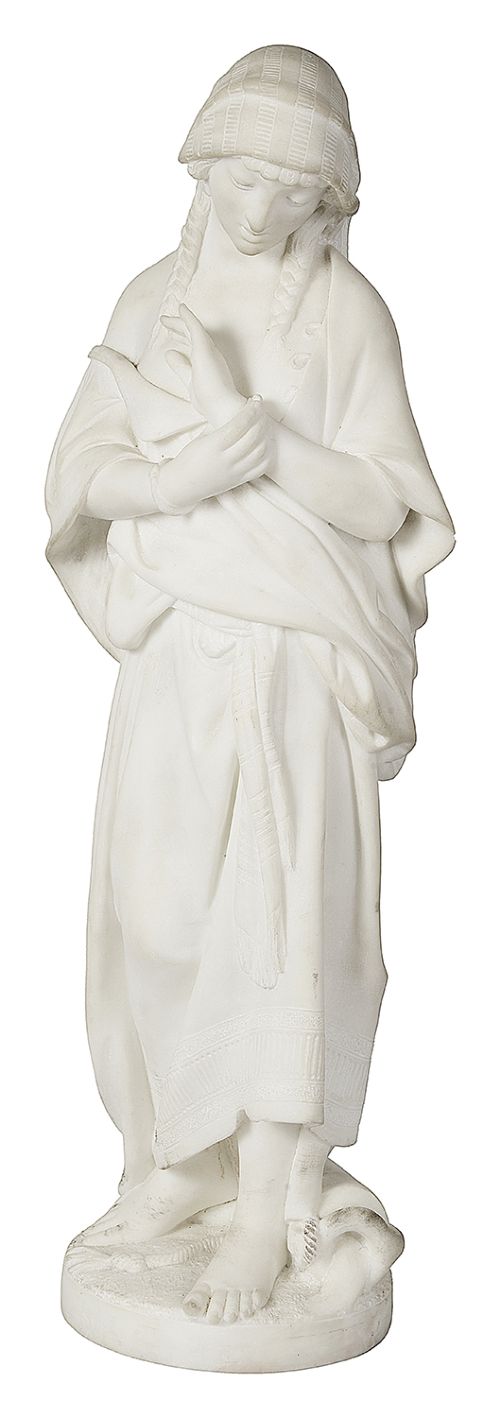
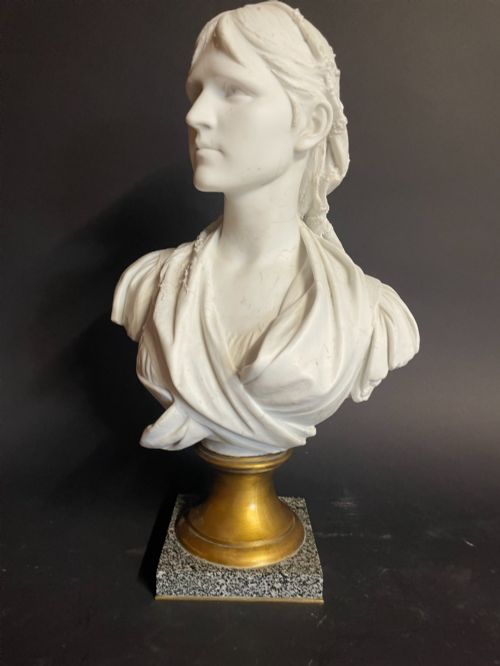
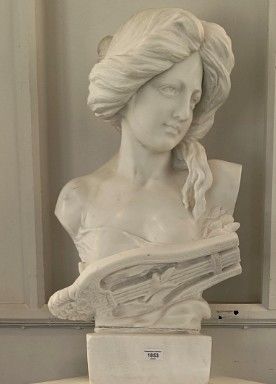
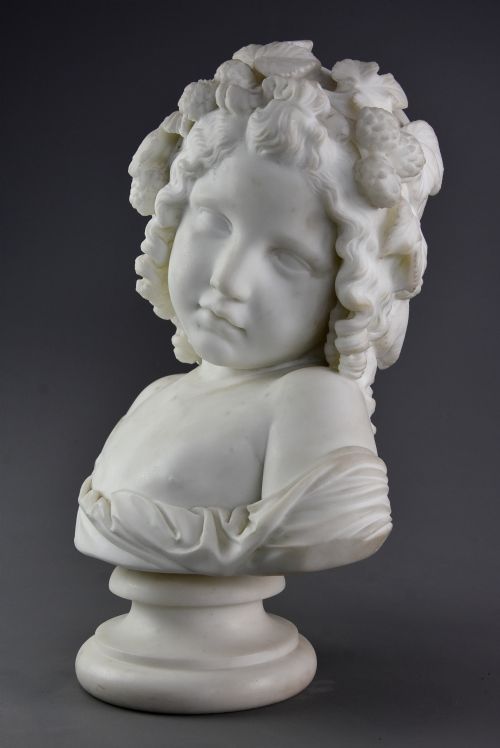
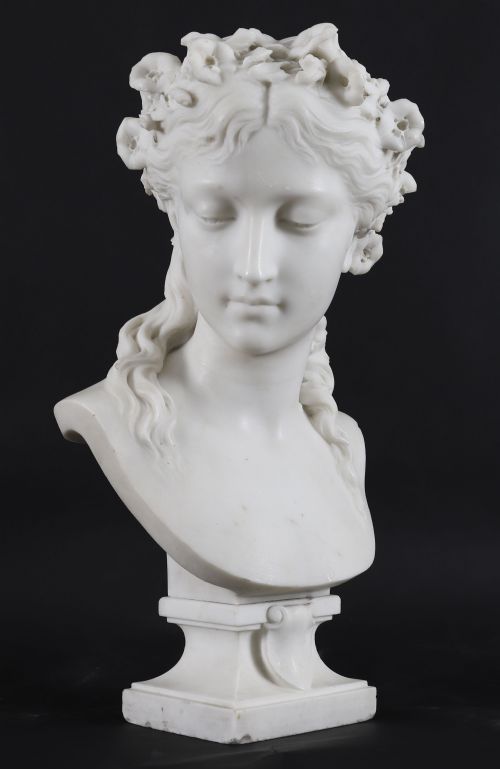
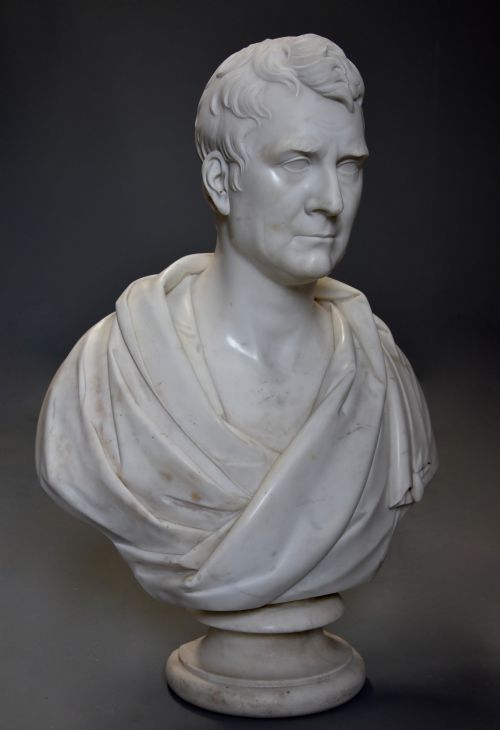
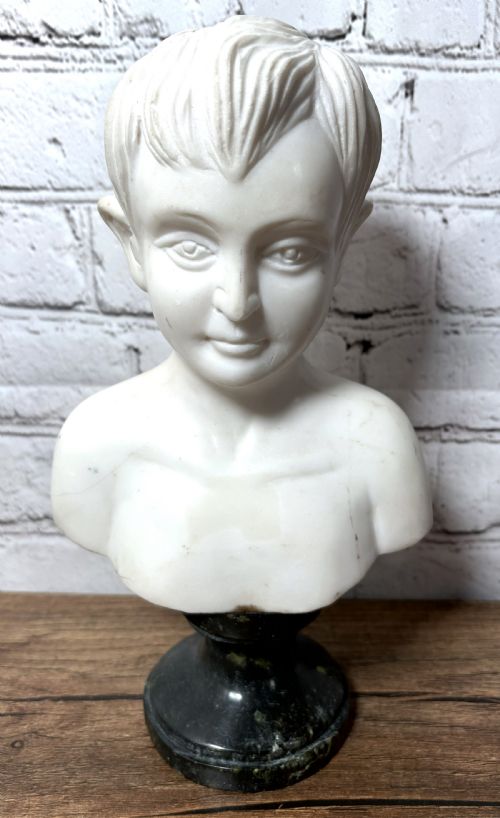
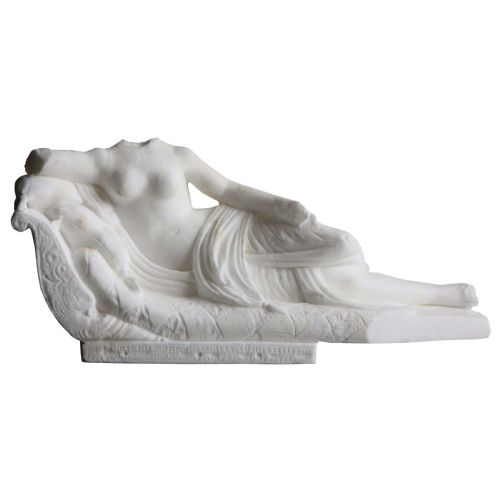
A neoclassical carved stone statue draws on classical antiquity, presenting mythological figures, Roman emperors and literary heroines in carved stone. These works include portrait busts, full-length figures and pairs of animals modelled after ancient prototypes.
The versions most common on this page originate from nineteenth-century Italy and France, often created as Grand Tour souvenirs or formal portraiture. They range from cabinet-sized library busts to monumental civic portraits carved from solid marble or alabaster.
Makers produced these pieces to echo Greek and Roman sculpture, utilising high-grade white stone and coloured minerals. Collectors encounter subjects such as Diana the Huntress, Julius Caesar and classical maidens carved with precise attention to drapery and expression.
How they were made
Sculptors carved these works primarily from Carrara marble, alabaster and green serpentine, selecting blocks for purity and grain. Artisans utilised chisels, rasps and drills to shape the stone, finishing the surface with abrasives to achieve varying degrees of polish.
Many nineteenth-century Italian and French workshops reproduced famous classical sculptures or modelled portraits from life. Signed works indicate the hand of established sculptors, while unsigned pieces reflect skilled studio production for the export and domestic market.
Dogs of Alcibiades appear in pairs, frozen in marble vigilance.
What varies in quality
The excellence of a carved stone statue rests upon anatomical proportion, depth of undercut in the drapery and the liveliness of the facial expression. Superior carvers captured subtle shifts in muscle and fabric, whereas lesser pieces remain stiff and formulaic.
Material selection also defines the tier of a piece, with flawless white Carrara marble or rich serpentine commanding greater regard than stone with internal flaws or heavy inclusions. The precision of the final polish distinguishes master carvers from routine commercial studios.
Barranti Florence·Houdon·Antonio Canova·Eugene Aizelin·J Francis·Carrier-Belleuse
The Neoclassical Carved Stone Statue Glossary
- Carrara marble
- A type of white or blue-grey marble from the city of Carrara in Tuscany, prized by sculptors for its fine grain and uniform consistency. It served as the primary medium for classical and neoclassical statuary.
- Grand Tour
- A traditional trip through Europe undertaken by upper-class young men during the eighteenth and nineteenth centuries. Travellers collected classical sculpture and architectural models as tokens of their travels.
- Serpentine
- A group of green silicate minerals resembling jade, utilised for nineteenth-century decorative figures and columns. Its mottled dark green appearance provided contrast to white marble elements.
- Alabaster
- A soft stone composed of gypsum or calcite, easily carved into translucent portrait busts and figural lamps. It offers a warm, waxy surface texture distinct from harder marbles.
- Bust
- A sculpted representation of a person's head, shoulders and chest. This format focused attention on portrait likeness and psychological expression in classical sculpture.
Neoclassical Carved Stone Statue: Frequently Asked Questions
What is a neoclassical carved stone statue?
A neoclassical carved stone statue is a sculpture inspired by the art of ancient Greece and Rome, produced primarily during the nineteenth century. These pieces depict mythological deities, historical rulers and allegorical figures in marble, alabaster or stone.
Craftsmen created these works to satisfy a widespread European taste for classical antiquity, incorporating themes from literature and archaeology into domestic and civic interiors.
How were Grand Tour statues used?
Grand Tour statues served as educational and cultural trophies for travellers returning from Italy and France. Owners displayed these marble and serpentine pieces in libraries, hallways and drawing rooms to signal erudition.
Smaller figures functioned as desk ornaments or cabinet pieces, while larger busts and columns anchored the decorative scheme of nineteenth-century rooms.
How do I care for marble sculpture?
Marble sculpture requires gentle dusting with a dry, soft cloth to prevent the accumulation of grit within carved crevices. Avoid chemical cleaners, water or abrasive materials that can dull the polished surface of the stone.
Keep the piece away from direct heat sources and sudden temperature shifts to protect the structural integrity of the stone over time.
How can I tell the period of a stone statue?
Dating relies on stylistic clues, tool marks and the specific type of marble or stone employed by the workshop. Nineteenth-century pieces often reflect the romantic classicism of the period through facial expression and pedestal design.
Signatures, foundry marks and documented artist biographies further clarify the exact timeframe of production and regional origin.