







Vintage Stone Plinth
A vintage stone plinth raises a bust, urn, or figure to eye level, bringing classical form and architectural weight to gardens and interiors.
Vintage Stone Plinth
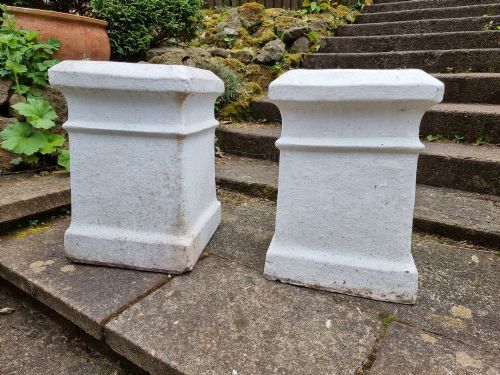
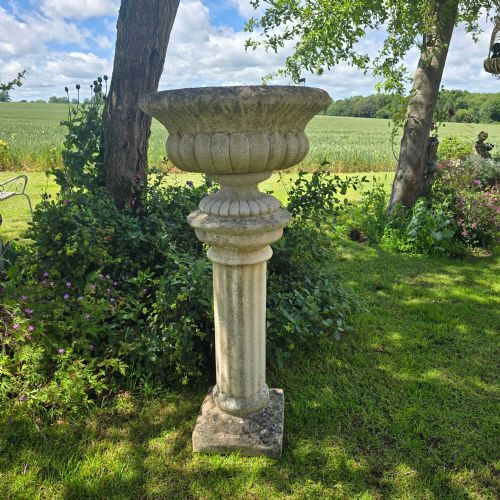
A vintage stone plinth provides a solid foundation for display, appearing across various forms including garden statuary pedestals, columns, and architectural salvage. These sturdy supports lift planters, busts, and sundials off the ground, creating vertical interest in both outdoor and indoor settings.
The selections available range from 19th-century stoneware and Victorian marble pedestals to mid-century reconstituted stone columns. Neoclassical and classical revival designs dominate the aesthetic, drawing on ancient architectural traditions to anchor decorative objects.
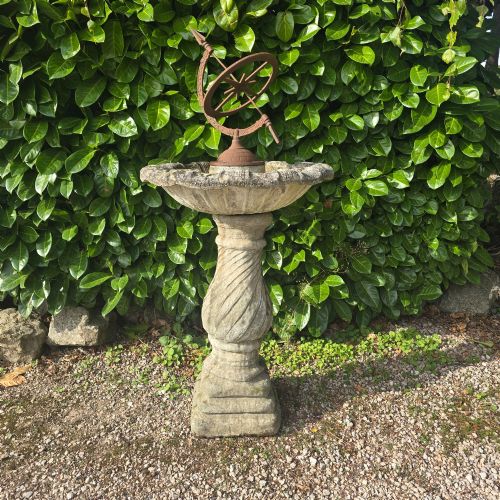
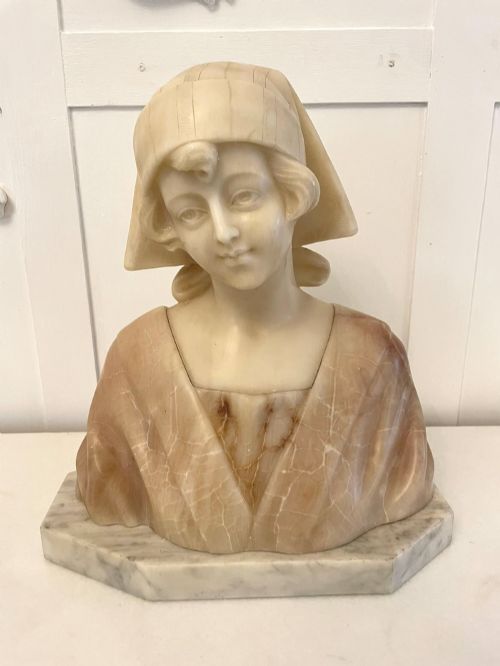
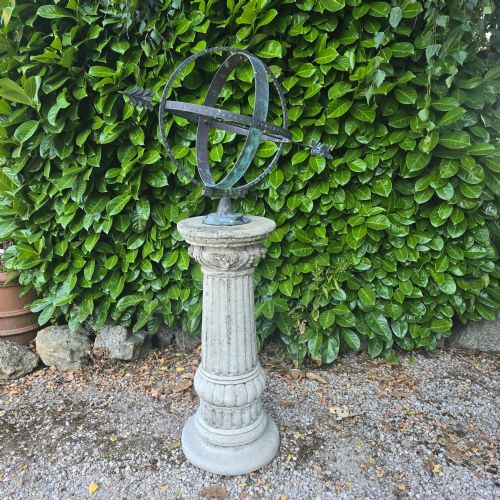
Buyers most frequently encounter weathered garden urns on plinths alongside individual pedestals designed for specific statuary. Whether supporting a bronze sundial, an alabaster plant stand, or a carved marble bust, these pieces combine utility with formal display.
Assessing quality in stone supports
The standard of a vintage stone plinth depends upon the crispness of its moulded or carved ornamentation and the integrity of its proportions. Superior examples maintain balance between the capital, shaft, and base, ensuring the support looks stable under a heavy load.
Natural weathering and surface patination contribute significantly to visual appeal, distinguishing solid carved stone and high-grade cast composition from inferior modern replicas. The choice of raw material, from dense Carrara marble to robust architectural stoneware, dictates the longevity and tactile presence of the piece.
The inventory bridges 19th-century architectural salvage with mid-century garden statuary and Neoclassical revival designs.
Andrew Handyside
The Vintage Stone Plinth Glossary
- Plinth
- The base block upon which a column, statue, or urn rests. It provides both physical stability and visual separation from the ground.
- Campana
- A bell-shaped garden urn often mounted upon a pedestal or plinth. The form derives from classical antiquity.
- Reconstituted stone
- A composite material made from crushed natural stone aggregates mixed with a binder. It is cast in moulds to replicate carved stonework.
- Torchere
- A tall stand or pedestal originally designed to hold a torch or candle. Later examples function as plant stands or sculpture supports.
- Armillary sphere
- An astronomical instrument consisting of rings representing the celestial spheres. These frequently surmount garden pedestals and stone plinths.
Vintage Stone Plinth: Frequently Asked Questions
Can a vintage stone plinth stay outside?
Most stone and cast composition supports tolerate outdoor conditions well, especially when weathered over decades. Winter frost can affect certain porous materials if moisture becomes trapped inside.
Positioning them on gravel or paving slabs helps prevent rising damp and minimises winter cracking.
How do I choose the right size?
Match the footprint of the plinth to the base dimensions of the object it needs to support. The height should place the focal point of the bust or urn at comfortable viewing level.
Heavier statues require wider, heavier bases to maintain structural stability against wind or accidental knocks.
Are marble columns meant for indoors?
Finer marble and alabaster columns typically suit interior spaces or sheltered garden rooms. Polished surfaces and softer stones are vulnerable to acid rain and severe frost.
Keeping them inside preserves the detailed carving and natural veining of the stone.
How do I clean weathered stone?
Gentle brushing with water removes loose dirt while preserving the desirable aged patina. Avoid harsh chemical cleaners or pressure washers that erode historic surfaces.
Allowing moss and lichens to remain often enhances the antique character of garden plinths.