







Stone Garden Plinth
A stone garden plinth elevates an urn, bust or sculpture, bringing architectural presence and height to outdoor planting schemes.
Stone Garden Plinth
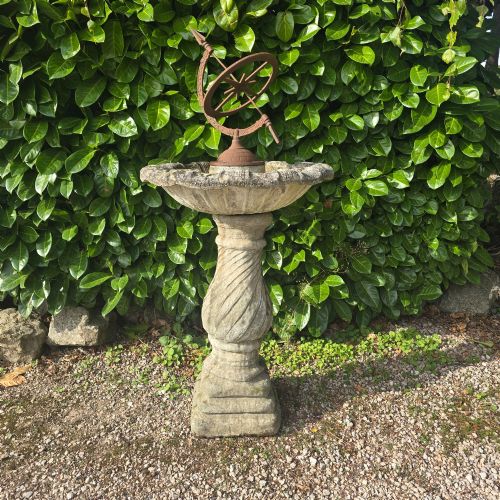
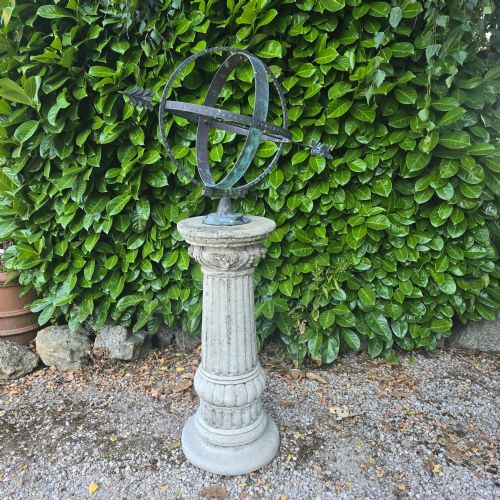
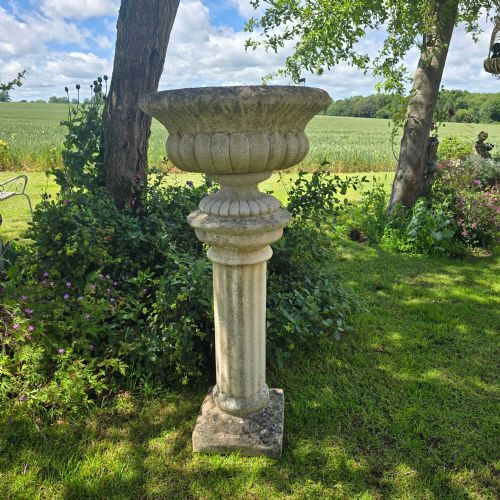
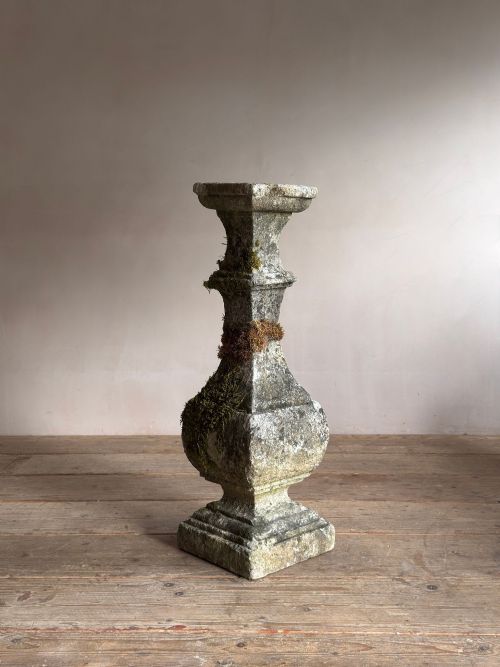
A stone garden plinth provides a raised platform to display statues, urns and sundials within a landscape. When you search for a stone garden plinth, you encounter supports ranging from simple classical columns to square pedestals designed to carry heavy garden ornaments.
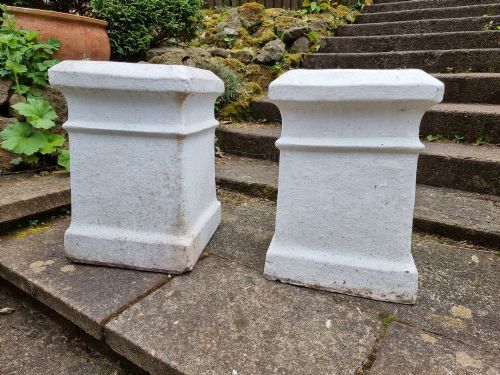
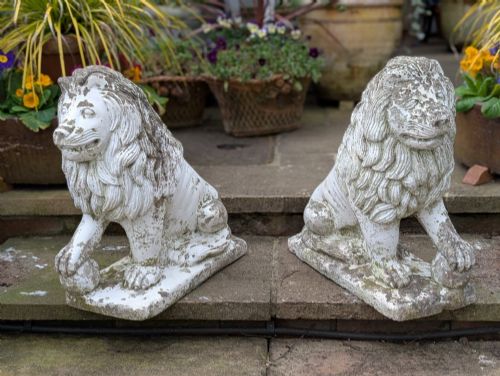
The selections span various periods including Georgian, Victorian and the 1950s, demonstrating enduring popularity for formal garden architecture. Many items appear paired, designed to frame entranceways or garden paths with balanced symmetry.
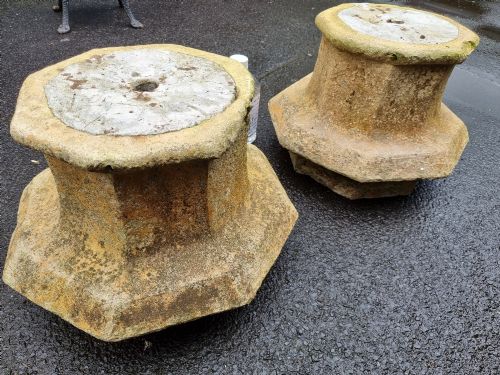
Materials vary from natural limestone to composite and reconstituted stone, shaped into styles that draw upon neoclassical, Gothic and classical revival traditions. These architectural supports anchor sculptural pieces securely to the ground while weathering naturally over time.
Materials and construction
Stonemasons carved early examples from natural materials such as limestone and marble, shaping capitals and columns by hand. Later production utilised cast stone and reconstituted stone, pressing aggregate mixes into moulds to replicate the texture of quarried masonry.
Durability depends upon the density of the aggregate and the quality of the casting or carving process. Weathering occurs naturally across exterior installations, developing patinas that soften the appearance of the material.
Materials represented include natural limestone, cast iron, terracotta and reconstituted stone.
Distinguishing quality
The refinement of the carving and the crispness of classical detailing separate standard utilitarian pedestals from superior architectural examples. Acanthus leaves, fluting and Corinthian capitals show sharper definition on pieces executed by skilled hands.
The choice of material dictates longevity, with dense natural limestone and robust cast stone holding crisp edges against frost and rain better than softer substitutes. Proportions also matter, as the best examples maintain a balanced architectural relationship with the urn or bust they support.
Andrew Handyside
The Stone Garden Plinth Glossary
- Reconstituted stone
- A manufactured material made from crushed stone bound with cement and cast in moulds. It mimics the appearance of natural quarried stone at a more accessible scale.
- Campana urn
- A bell-shaped garden vessel with a flaring rim and a tapering body. This form frequently sits atop pedestals in classical garden designs.
- Corinthian capital
- The decorative topmost member of a column, adorned with carved acanthus leaves. It appears on pedestals influenced by classical architecture.
- Armillary sphere
- An astronomical instrument featuring intersecting metal rings representing celestial circles. These often crown sundials mounted on stone plinths.
- Limestone
- A sedimentary rock composed largely of calcium carbonate, favoured for hand-carved garden columns and sundial plinths due to its workable nature.
Stone Garden Plinth: Frequently Asked Questions
How do I choose the right height?
Consider the scale of your garden and the object intended for the top. Taller columns suit expansive lawns, while shorter pedestals work well on terraces.
Ensure the weight of your urn or bust matches the bearing capacity of the base.
Can these plinths stay outside in winter?
Most stone and cast stone pieces endure winter weather outdoors without issue. Natural limestone and dense cast stone resist frost damage effectively.
Ensure proper drainage beneath the base to prevent water accumulation during freezing conditions.
How do I clean weathered stone?
Gentle brushing with water removes loose dirt while preserving the aged patina. Avoid harsh pressure washers that can pit soft stone surfaces.
Allow lichens and moss to remain if you prefer an established antique appearance.
What pairs best with a plinth?
Classical urns, cast iron planters and stone busts create traditional focal points when elevated. Statuary depicting mythological figures also suits architectural pedestals.
Match the material of the ornament to the plinth for a cohesive appearance.