









Neoclassical Stone Plinth
A neoclassical stone plinth raises a bust, urn or figure to eye level, bringing classical dignity to an interior or garden.
Neoclassical Stone Plinth
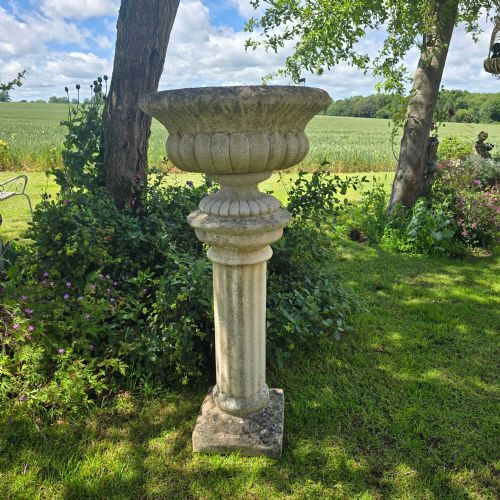
A neoclassical stone plinth provides a formal architectural base for display, following ancient Greek and Roman design principles. When searching for a neoclassical stone plinth, buyers encounter pedestals, columns, and torchere stands designed to elevate sculpture, vases, and botanical arrangements.
The selections span from the eighteenth century through the Victorian era and into the mid-twentieth century. Pieces range from architectural garden ornaments to refined interior marble columns and pedestals.
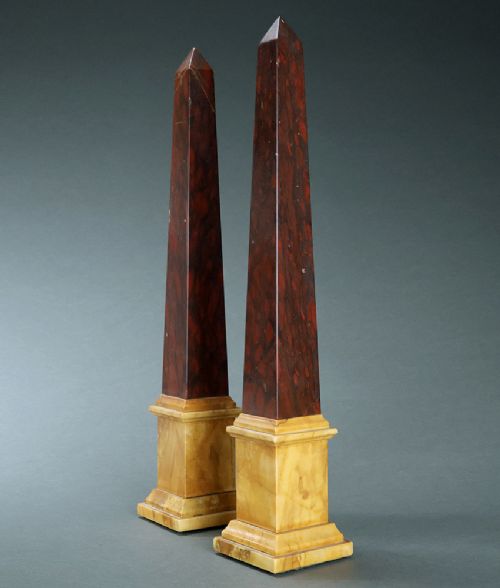
Italian workshops feature strongly, particularly through Carrara and variegated marble works associated with the Grand Tour. Alongside these, British stoneware, cast stone, and alabaster pieces represent domestic and European production.
How they were made
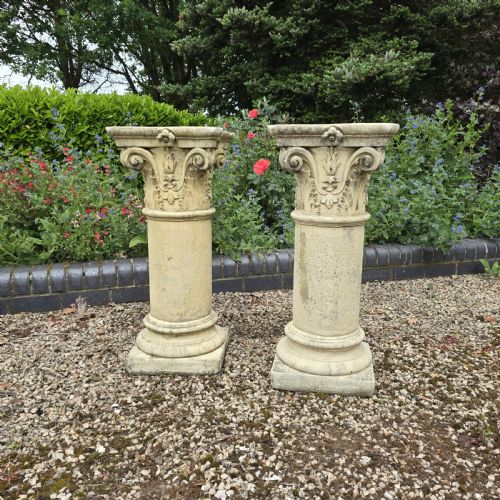
Carved stone pieces rely on traditional masonry techniques applied to materials such as Carrara, Arabescato, Verde Antico, Ashford, and serpentine marbles, as well as alabaster. Stoneware and cast stone alternatives utilise moulded aggregates fired or set to replicate classical carved stone surfaces.
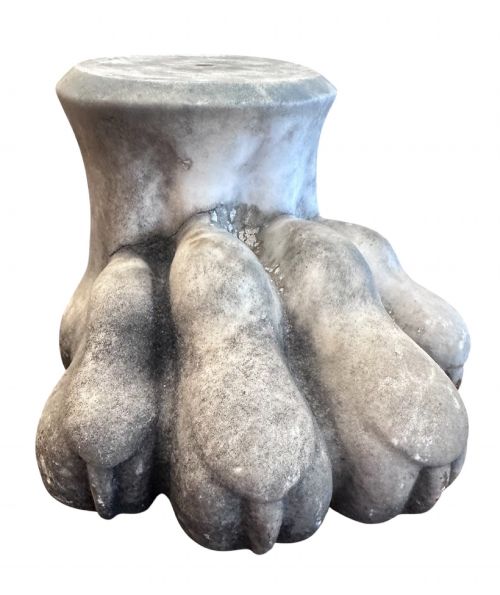
Composite techniques appear in scagliola pedestals, where pigmented selenite plaster is applied and polished to imitate solid decorative marbles. Turning on lathes shapes cylindrical columns and torchere stands, while hand chiselling delivers acanthus leaves, lion paws, and fluted shafts.
Listings span materials from Carrara marble, alabaster, and scagliola to cast stone and stoneware, covering periods from the eighteenth century to the mid-twentieth century.
What varies in quality
Quality rests upon the selection of the raw mineral and the crispness of the hand carving. Natural stone varieties with rich veining and uniform density command greater visual presence than plain or heavily repaired blocks.
Proportion and architectural correctness distinguish superior examples from simpler utilitarian supports. Classical details such as fluting, capitals, and base moulding require precise geometry to achieve genuine decorative authority.
Selim Bright
The Neoclassical Stone Plinth Glossary
- Carrara marble
- A white or blue-grey stone quarried in the city of Carrara in Tuscany, widely utilised for neoclassical sculpture and architectural pedestals. It provides a smooth, uniform surface for fine chisel work.
- Grand Tour
- A cultural journey of Europe undertaken by wealthy young men in the eighteenth and nineteenth centuries, resulting in the acquisition of classical antiquities and Italian marble columns. These souvenirs often formed the centrepiece of domestic display rooms.
- Scagliola
- A composite material made from pigmented selenite plaster, glue, and pigments, manipulated to imitate costly marbles. Skilled artisans apply and polish this mixture to create seamless decorative pillars and stands.
- Torchere
- A tall stand or pedestal originally designed to carry a torch or lamp. In later periods, these slender columns support urns, busts, or plants.
- Verde Antico
- A dark green serpentine marble exhibiting white calcite veining, favoured by Italian artisans for striking classical columns and pedestals.
Neoclassical Stone Plinth: Frequently Asked Questions
How do I clean a marble plinth?
Dust the surface regularly with a dry, soft cloth to prevent particle accumulation. Avoid acidic cleaners, abrasive pads, and excessive water, which can etch the stone or damage historic finishes.
For stubborn marks, use a damp cloth with mild, neutral soap, then dry thoroughly. Polished stone benefits from occasional gentle buffing with a clean cotton cloth.
How do I match a plinth to a bust?
Consider the weight, colour palette, and historical period of both objects to ensure visual harmony. A white Carrara marble bust pairs naturally with a matching or contrasting column, while dark variegated marbles anchor lighter stone sculptures.
Proportion remains paramount; the top surface of the plinth must comfortably accommodate the base of the bust without overhang or instability. Measure the footprint of the sculpture carefully before selecting a supporting column.
Are these columns solid stone?
Construction methods vary depending on the material and the period of manufacture. Many classical columns and pedestals are carved from solid blocks of marble, alabaster, or stone.
Some larger architectural examples utilise hollow construction to reduce weight and ease transport. Composite items like scagliola pieces typically combine a supportive core with a decorative surface finish.