







Grey Stone Column
These grey stone column pieces are architectural supports and pedestals found in classical and garden settings, sought after for grounding a room or terrace.
Grey Stone Column
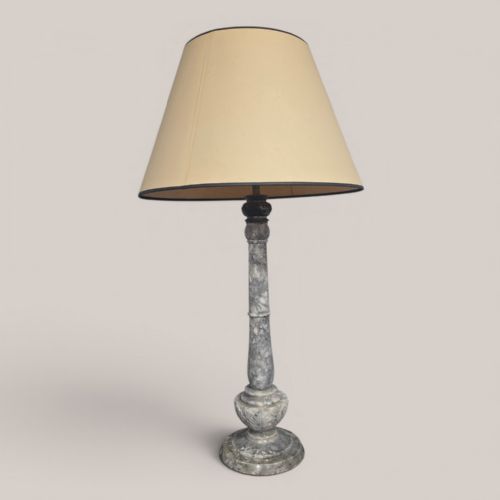
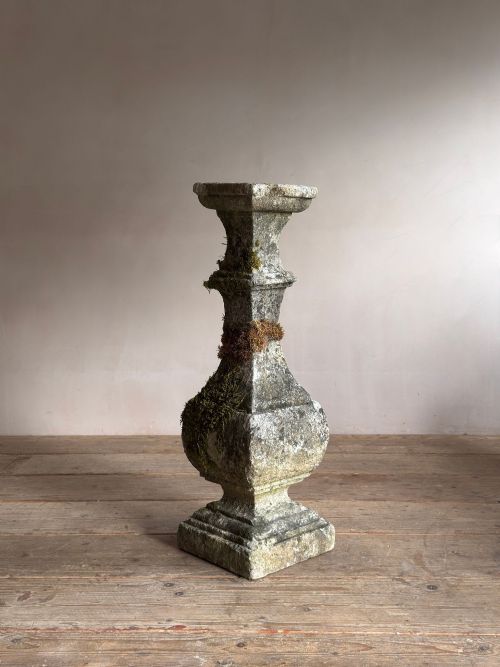
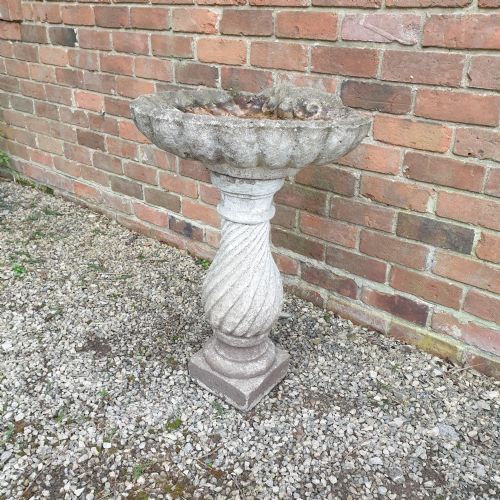
A grey stone column provides structural support or elevated display space, appearing as architectural capitals, garden pedestals, plinths, and lamp bases.
Most examples on this page date from the 19th century and the Georgian period, often reflecting Neoclassical, Classical Revival, and Gothic Revival styles.
Forms range from interior table lamps and marble busts on pedestals to heavy limestone sundial plinths and carved stone architectural capitals.
How they were made
Makers shaped these items from natural materials such as limestone, grey marble, and alabaster, alongside manufactured alternatives like cast stone, reconstituted stone, and concrete.
Stonemasons employed hand-carving techniques to produce decorative details such as Corinthian capitals and sculptural plinths, while other pieces utilise durable moulded compositions.
Napoleon Bonaparte shares shelf space with David and Athena atop these stone pedestals.
What varies in quality
Quality rests in the crispness of the stone carving and the selection of the raw material, with fine grey marble and detailed limestone sitting above standard cast compositions.
The degree of weathering and the integrity of the original form distinguish superior architectural capitals and garden pedestals from ordinary utility pieces.
The Grey Stone Column Glossary
- Capital
- The topmost member of a column, often carved with foliage or volutes. Examples include limestone Corinthian capitals.
- Plinth
- A heavy base supporting a statue, bust, or column. Pieces often feature an integrated bust of Athena, David, or Napoleon Bonaparte.
- Neoclassical
- A style reviving classical Roman and Greek forms. This influence appears across 19th-century pedestals and French marble lamps.
- Architectural Salvage
- Building elements recovered from older structures. This category includes carved stone capitals and masonry columns.
Grey Stone Column: Frequently Asked Questions
What is a grey stone column used for?
These items function primarily as decorative pedestals for busts and statues, structural capitals, or bases for interior lighting. They elevate objects of interest within a room or garden layout.
Heavier examples serve as permanent garden sundial plinths and architectural supports, while smaller marble versions adapt easily to interior table lamp configurations.
How do I date a stone column?
Dating relies on identifying period-specific stylistic markers such as Neoclassical or Gothic Revival detailing. Material choices, from 18th-century limestone to later cast stone, also indicate the era.
Tool marks and the natural weathering of the stone provide further clues regarding whether an item originates from the Georgian period or the 19th century.
Are these columns suitable for outdoor use?
Many examples are designed specifically for exterior settings, utilising durable natural stone, limestone, and reconstituted stone that withstand the elements.
Items intended for the garden often weather naturally over decades, whereas interior pieces like French marble lamps require protection from moisture.
What styles are common in these columns?
Neoclassical and Classical Revival designs dominate, reflecting an enduring interest in ancient Greek and Roman architecture. These styles appear on pedestals, busts, and capitals.
Other pieces adopt a Gothic Revival aesthetic, particularly in garden sundial plinths and architectural salvage elements dating to the 19th century.