
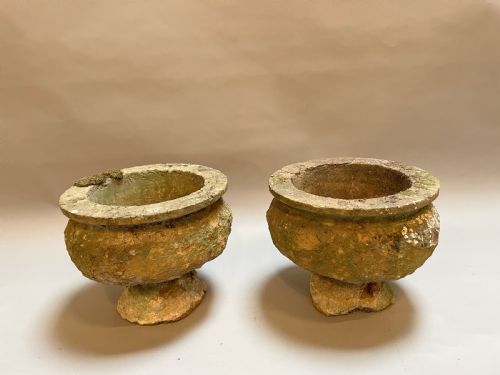


Vintage Stone Planter
These vintage stone planters bring enduring character to grounds and terraces, offering robust vessels for structural planting.
Vintage Stone Planter
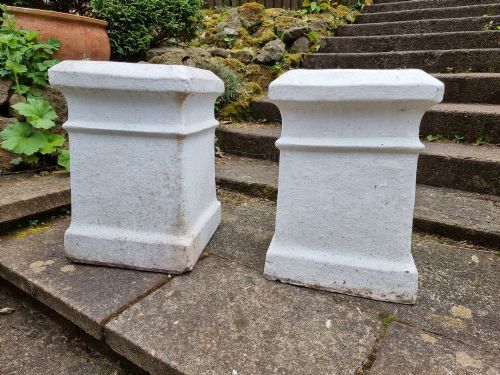
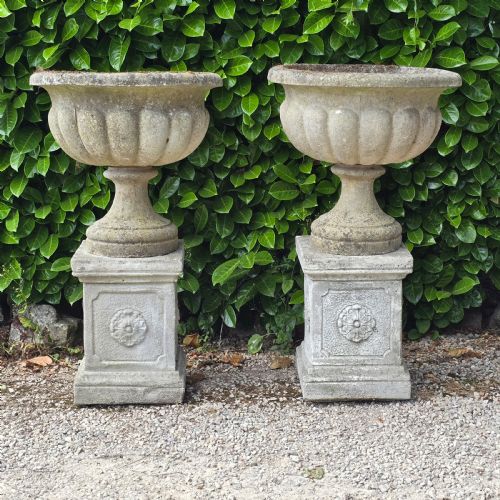
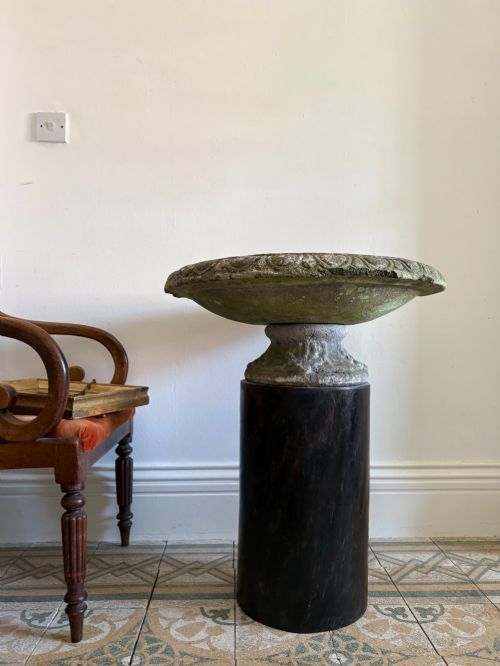
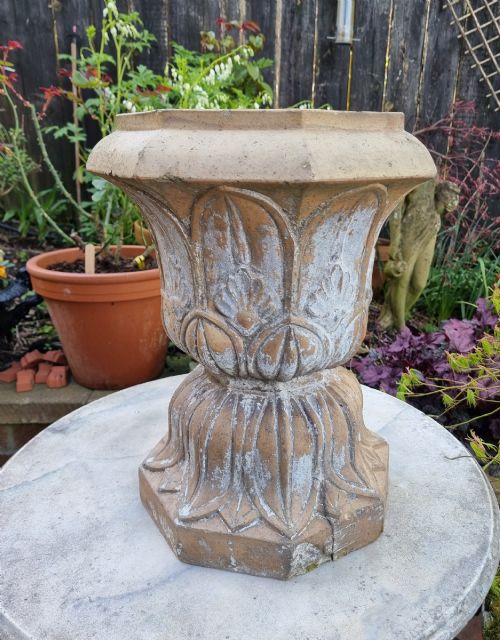
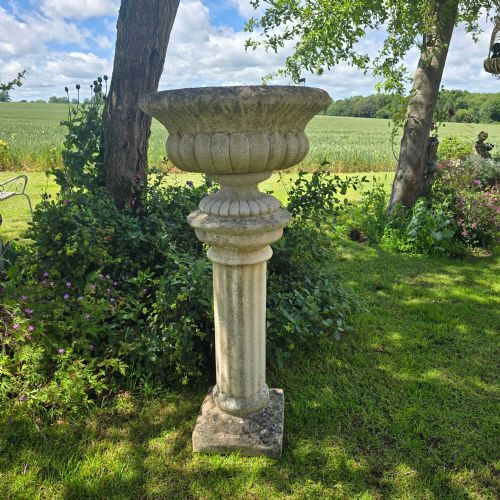
A vintage stone planter provides a substantial home for outdoor foliage, appearing in garden urn and planter formats across this selection. These pieces date from the nineteenth century up to nineteen thirty, showing classic garden vessel typologies.
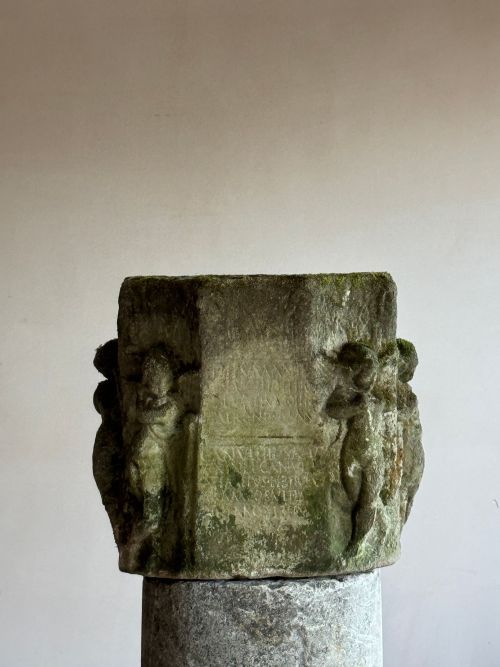
The most common formats on this page include large garden planters and garden urns, some raised upon pedestals. Formats range from simple seven-sided configurations to classical urn silhouettes designed for focal placement.
Materials and construction methods
Makers utilised a range of durable aggregates, recording materials such as cast stone, reconstituted stone, sandstone, composite stone, concrete, natural stone, and gritstone. These heavy mineral compositions withstand outdoor exposure while developing natural weathering over decades.
Production combined traditional stone masonry with mid-nineteenth to early-twentieth-century casting techniques. The resulting bodies display varied surface textures from hand-carved natural sandstone to cast composite forms.
Vintage Stone Planter Retail Price Guide 2026
Typical asking prices for vintage stone planter among the pieces listed under this phrase on Sellingantiques today, from the lower quarter to the upper quarter. They describe what is for sale here now, not the wider market.
Current inventory spans the nineteenth century and nineteen thirty, utilising sandstone, concrete, and cast stone across neoclassical and rustic farmhouse styles.
Distinguishing quality and weathering
Quality rests upon the integrity of the stone composition and the crispness of surviving detail on moulded or carved surfaces. Well-weathered examples show organic patination that integrates the vessel into its garden setting.
Proportion and scale dictate the visual weight of each piece, distinguishing simple utility vessels from grand neoclassical or gothic revival architectural ornaments.
The Vintage Stone Planter Glossary
- Cast stone
- A refined building product manufactured from concrete masonry mixtures, designed to emulate natural cut stone. It allows for detailed ornamentation in garden vessels.
- Gritstone
- A hard, coarse-grained siliceous sandstone used historically for durable masonry and garden furnishings. Its rough texture weathers distinctively outdoors.
- Reconstituted stone
- Aggregate materials bound together with cement or resin to form solid architectural ornaments. This technique gained popularity for replicating carved stone planters affordably.
- Neoclassical
- A style drawing inspiration from classical antiquity, frequently seen in symmetrical urn designs and formal garden planters. It emphasises proportion, restraint, and classical motifs.
Vintage Stone Planter: Frequently Asked Questions
How do I clean a stone planter?
Gentle brushing with water removes loose debris without damaging the weathered surface patination.
Avoid harsh chemical detergents that strip away aged lichen and moss growth.
Are these planters frost proof?
Dense stone and cast compositions generally endure winter temperatures if drainage holes remain clear.
Elevating vessels slightly prevents standing water from freezing and cracking the base.
How do I date a stone planter?
Material composition and tool marks provide clues, alongside distinct period stylistic revivals.
Nineteenth-century pieces often show hand finishing, whereas nineteen-thirty examples reflect standardised casting methods.
Can I place these planters indoors?
Their substantial weight and rustic appearance suit generous interior garden rooms or Orangeries.
Ensure adequate protective saucers underneath to catch moisture from unglazed stone bodies.