


Vintage Stitched Embroidery Panel
A vintage stitched embroidery panel brings rich textile art into a room, offering needlework samplers and wall hangings loaded with history.
Vintage Stitched Embroidery Panel
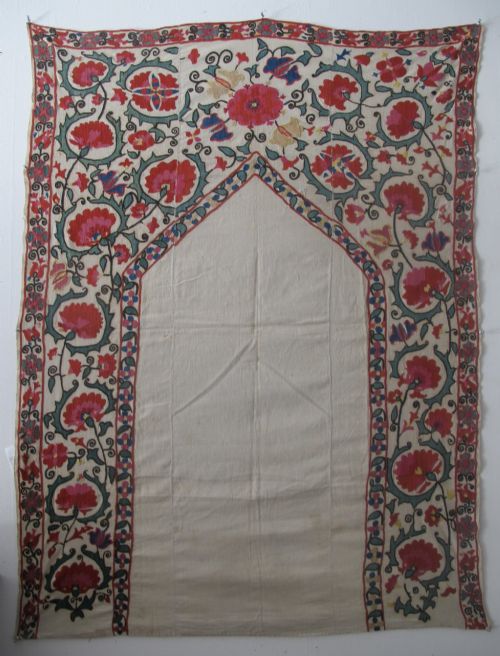
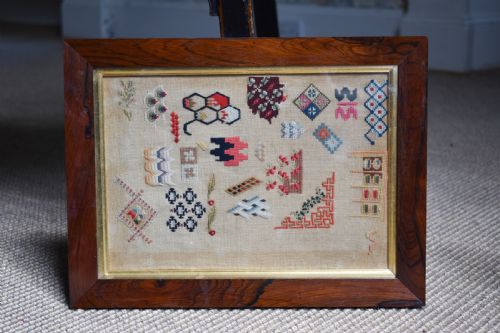
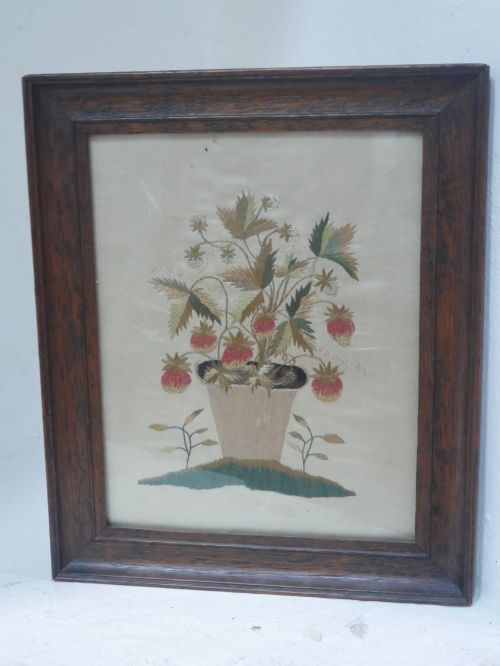
A vintage stitched embroidery panel encompasses diverse historical needlework forms, ranging from framed British alphabet samplers to large Central Asian wall hangings. When searching for this phrase, collectors encounter domestic needlework pictures alongside tribal dowry embroideries.
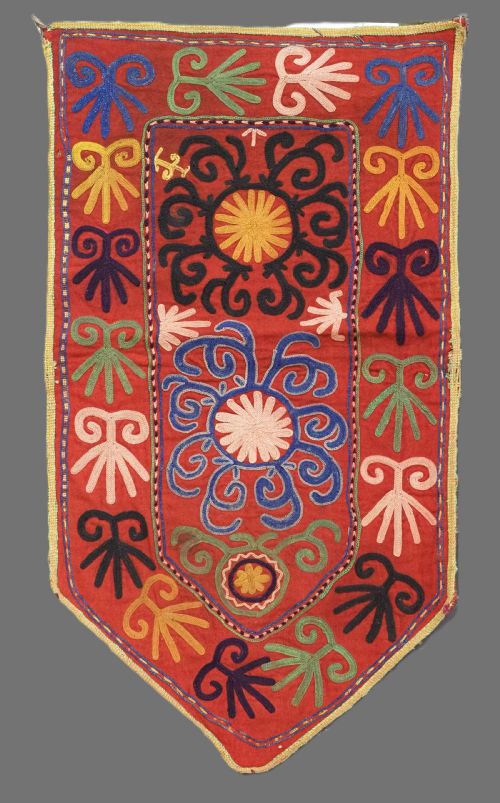
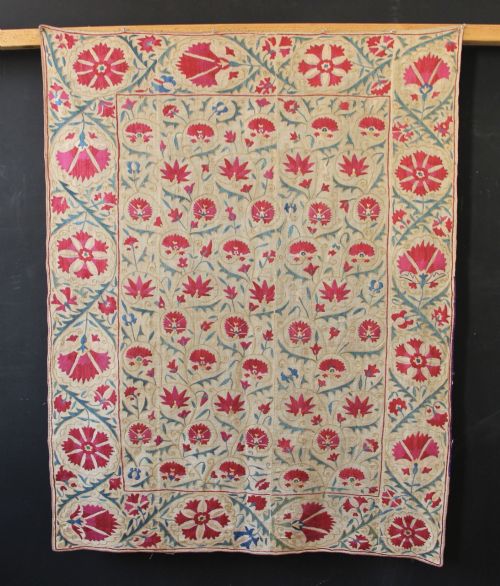
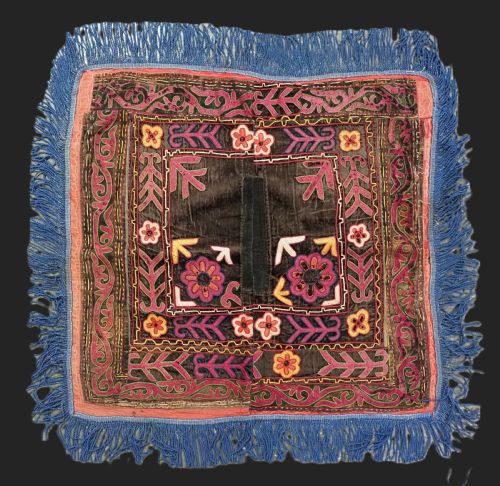
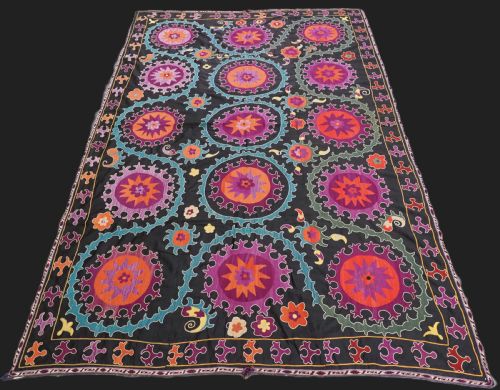
The selections span distinct geographical traditions, uniting English schoolgirl samplers with elaborate Suzani textiles from Uzbekistan. Pieces originating from Central Asian tribes often feature bold geometric motifs or floral designs intended for display.
British examples frequently record the maker's name and age, creating a direct link to nineteenth-century domestic life. These varied textiles function primarily as wall art, preserved in frames or mounted for interior display.
How they were made
Materials consist primarily of natural textile grounds including cotton, linen, wool, and felt, stitched using fine silk threads and cotton yarns. Central Asian Suzanis and Lakai pieces often employ silk embroidery applied to red or black cotton foundations.
British samplers utilise counting stitches and needlepoint techniques executed meticulously by hand on woven fabric grounds. Applique work also appears on Persian examples, combining contrasting fabric shapes secured with decorative stitching.
Listings feature textiles spanning the Georgian, Victorian, and early twentieth-century periods.
What varies in quality
The fineness of the stitchwork and the complexity of the design determine the visual impact of an embroidery panel. Dense, fully embroidered surfaces require considerable labour and demonstrate greater technical skill than sparse compositions.
The preservation of the ground fabric and the vibrancy of the original threads dictate the overall integrity of the piece. Clear provenance, such as legible signatures and dates on samplers, adds historical value to domestic needlework.
The Vintage Stitched Embroidery Panel Glossary
- Suzani
- A traditional embroidered tribal textile originating from Tajikistan, Uzbekistan, and other Central Asian regions. These large wall hangings typically display bold floral or architectural motifs worked in silk.
- Sampler
- A piece of needlework produced to demonstrate or test skill in embroidery. Historical examples often incorporate alphabets, numerals, and moral verses worked by young makers.
- Ilgich
- A Central Asian hanging or dowry embroidery produced by tribal groups such as the Lakai. These panels serve decorative and ceremonial purposes within nomadic households.
- Applique
- A sewing technique where smaller pieces of fabric are attached to a larger background ground to form a pattern. Persian examples frequently employ this method using felt and silk.
- Ground
- The underlying fabric base upon which embroidery stitches are worked. Common materials in this collection include linen, cotton, wool, and felt.
Vintage Stitched Embroidery Panel: Frequently Asked Questions
What is a suzani embroidery panel?
A suzani is a large, decorative tribal textile originating from Central Asia, often featuring vibrant floral or geometric silk embroidery on a cotton ground.
Historically created as part of a bride's dowry, these panels function today as striking wall hangings in modern interiors.
How were antique samplers used?
Needlework samplers served as practical exercises for young girls to practice various stitches, alphabets, and numbering sequences.
Once completed, these textile records were frequently framed and displayed in domestic settings to demonstrate needlework proficiency.
How do I care for antique embroidery?
Protect delicate silk and cotton textiles from direct sunlight to prevent fading of the natural and dyed threads. Keep panels in stable humidity conditions away from moisture and dust.
Professional mounting behind conservation-grade glass ensures the fabric remains secure without putting stress on the historic stitches.
How do I date an old sampler?
Many British samplers include stitched names, dates, and the age of the maker directly within the composition. Stylistic details, such as the font of the alphabet and surrounding motifs, help narrow down the period when direct dates are absent.