



Vintage Stemware Goblet
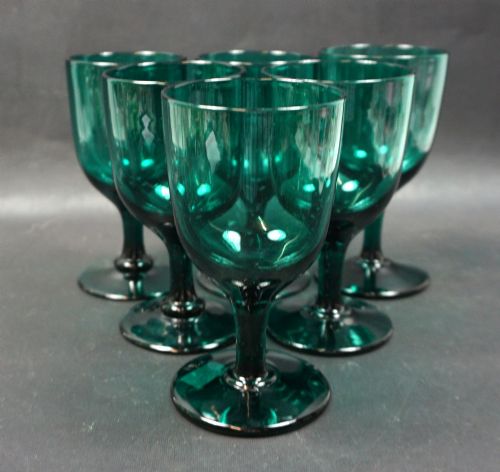
These vintage stemware goblet selections encompass centuries of drinking vessels fashioned from lead glass and crystal across Georgian, Victorian and later periods.
Vintage Stemware Goblet
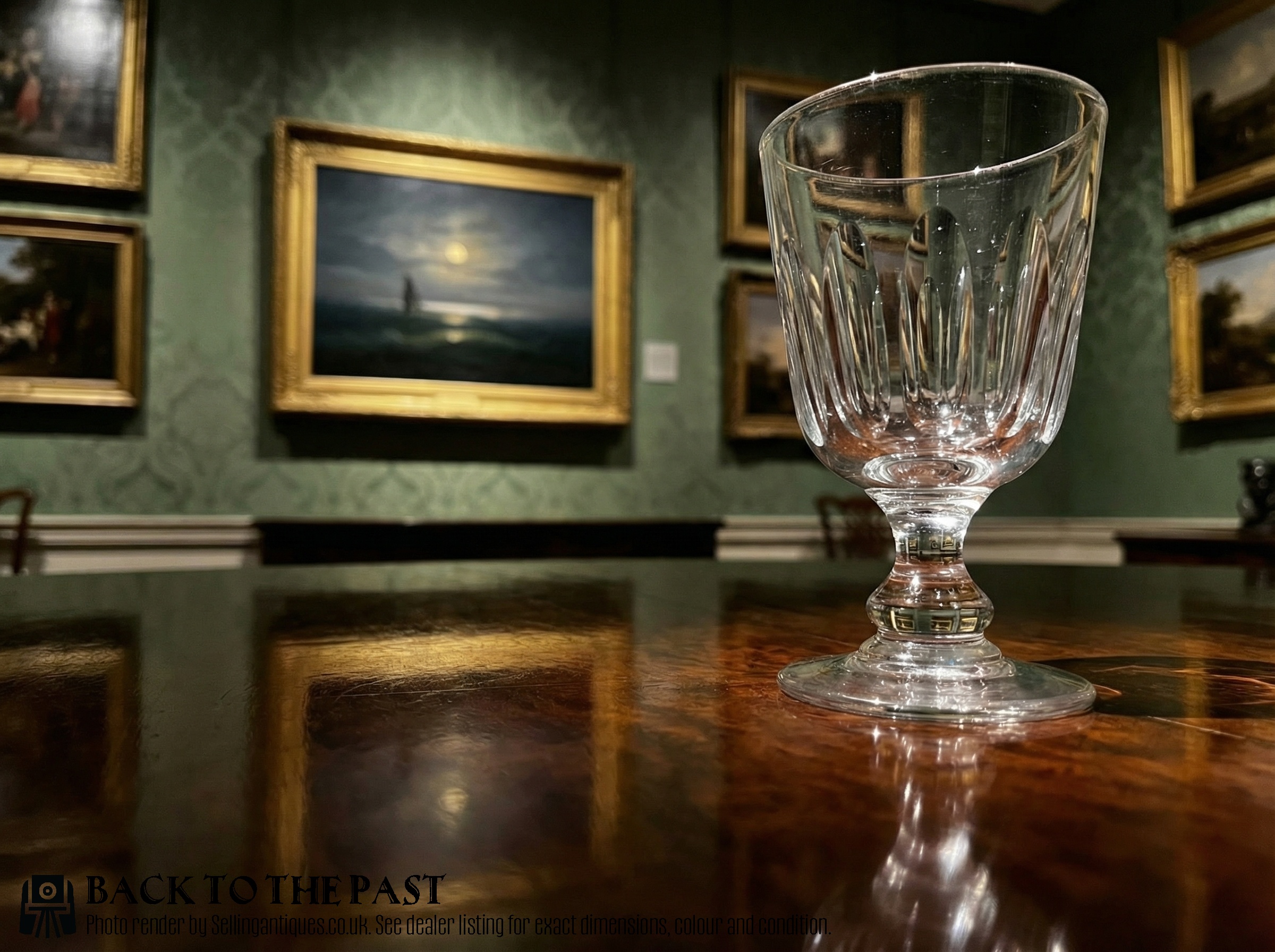
A vintage stemware goblet encompasses drinking vessels ranging from eighteenth-century Georgian wine glasses to Victorian cranberry glass and Edwardian services.
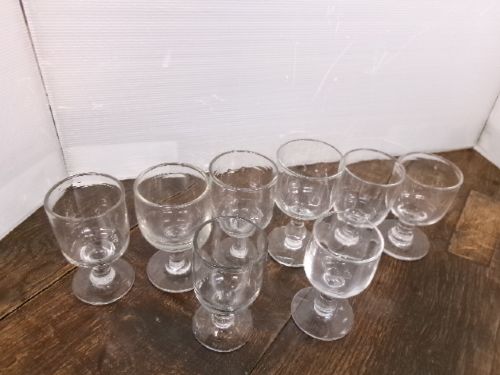
The most common items found in this category are wine glasses, rummers, ale glasses and hock glasses originating from English, French, Italian and German workshops.
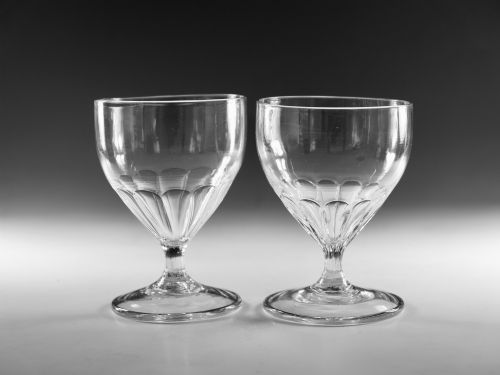
Forms span simple conical bowls on baluster stems to intricate faceted rummers and enamelled hock glasses designed for formal dining.
Materials and construction methods
Glassmakers utilised lead glass and clear or coloured glass, shaping vessels through hand-blowing and mould-blowing techniques.
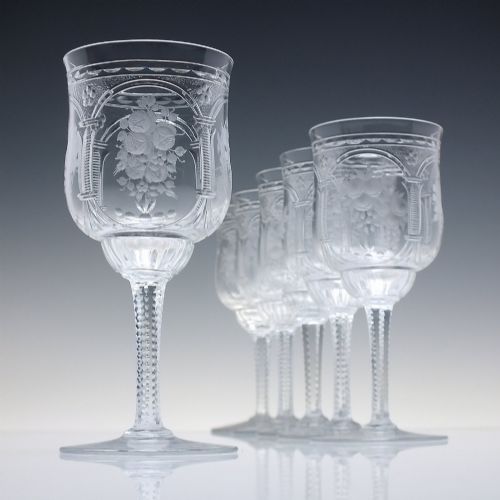
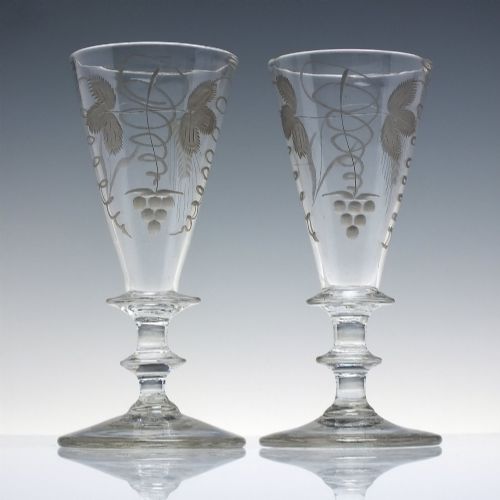
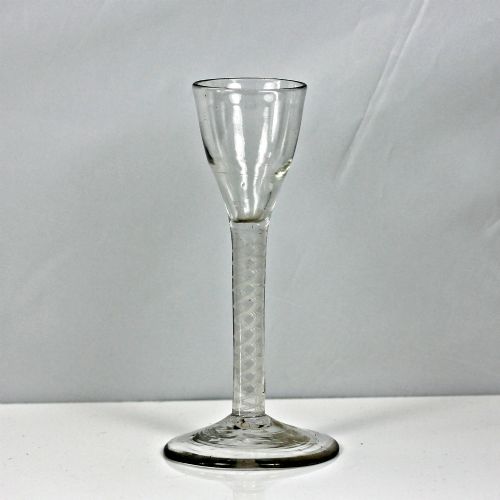
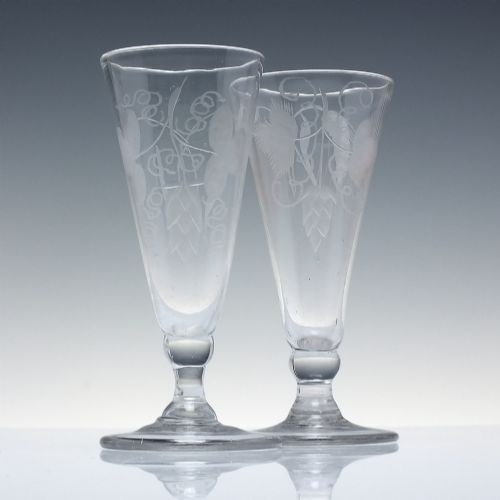
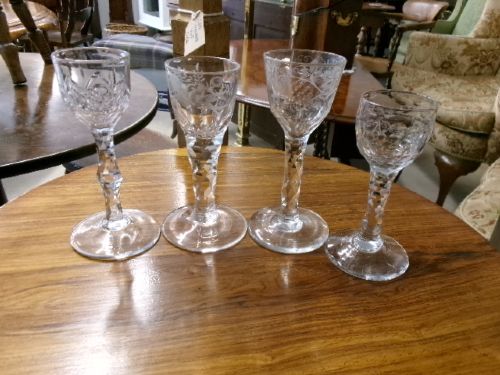
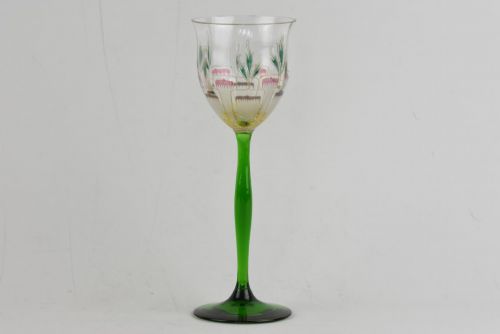
Stems incorporated air twists, opaque twists and mercury twists, while decoration relied upon wheel engraving, etching and polychrome enamel applications.
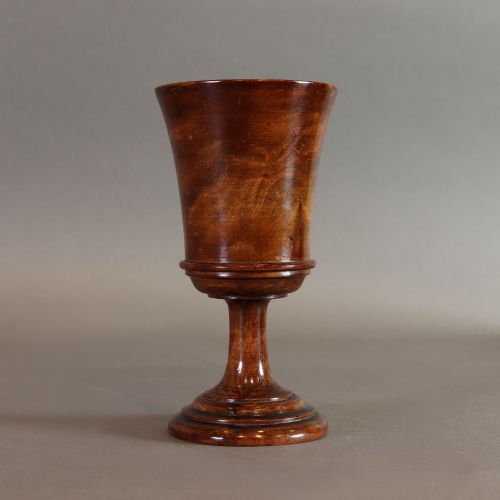
Certain pieces combine contrasting over-crystal layers or make use of treen in turned wooden pedestal goblets.
A solitary wooden treen goblet sits among the glassware, proving that not every drinking vessel required sand and fire to take shape.
Distinctions in craftsmanship and design
Quality separates simple production items from exceptional vessels through the clarity of the metal, the precision of twist stems and the crispness of wheel engraving.
The harmony of proportions between the bowl, stem and wide foot base dictates the aesthetic success of each individual goblet.
Intricate decorative details such as hand-painted enamel floral motifs or precise intaglio cutting elevate specific sets above standard domestic glassware.
Baccarat·Theresienthal·Webb Corbett·Salviati·Saint Louis·Massenet
The Vintage Stemware Goblet Glossary
- Opaque twist
- A stem formation created by enclosing white or coloured enamel threads within the glass rod.
- Air twist
- A decorative stem containing elongated bubbles formed by drawing out air trapped inside the molten metal.
- Rummer
- A large, sturdy drinking glass with a short stem, popular during the Georgian and Victorian eras for beer, ale or wine.
- Hock glass
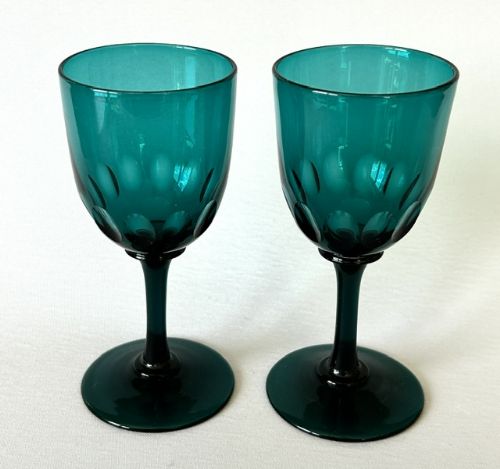
- A tall stemmed drinking vessel traditionally used for white wine, frequently produced in green or coloured glass during the Victorian and Edwardian periods.
- Ogee bowl
- An S-curve bowl profile curving outward at the rim and inward at the base, commonly seen on eighteenth-century wine glasses.
Vintage Stemware Goblet: Frequently Asked Questions
What is a vintage stemware goblet used for?
These vessels were historically utilised for consuming wine, ale, beer, cordials and spirits during formal meals and social gatherings.
Today, they serve both as functional tableware for entertaining and as decorative display items for collectors of antique glassware.
How do I distinguish Georgian from Victorian glasses?
Georgian pieces often feature fine air or opaque twist stems, simpler blown bowls and lighter lead glass weights typical of the eighteenth century.
Victorian examples frequently showcase bolder colours such as cranberry and vaseline, heavier moulded forms, elaborate etching and matching sets of greater quantities.
How should I clean and care for antique glassware?
Wash each piece gently by hand in lukewarm water using mild detergent, avoiding sudden temperature changes that can crack old glass.
Dry them immediately with a soft lint-free cloth and store them upright on stable shelving away from direct vibration.
Are coloured glass goblets safe for daily use?
Most nineteenth and twentieth-century coloured glasses can handle careful occasional use, though older or enamelled specimens warrant more cautious handling.
Hand-washing preserves both the delicate enamel decoration and the polished finish of the glass over time.