


Vintage Steel Fire Irons
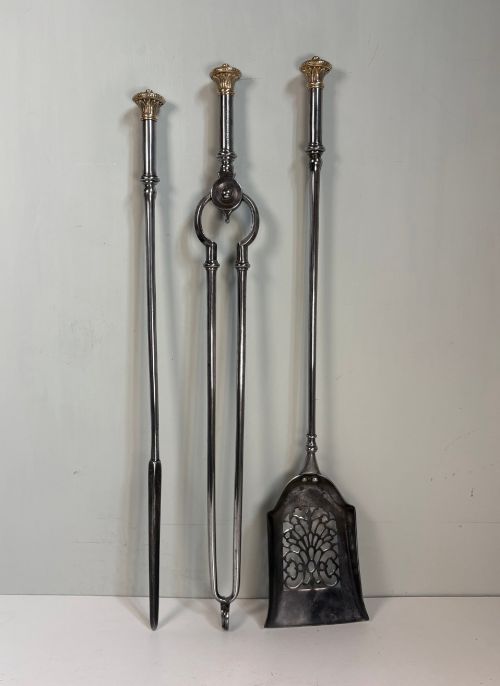
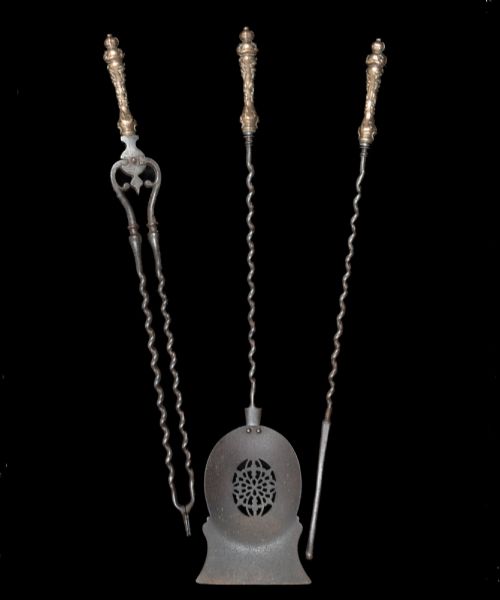
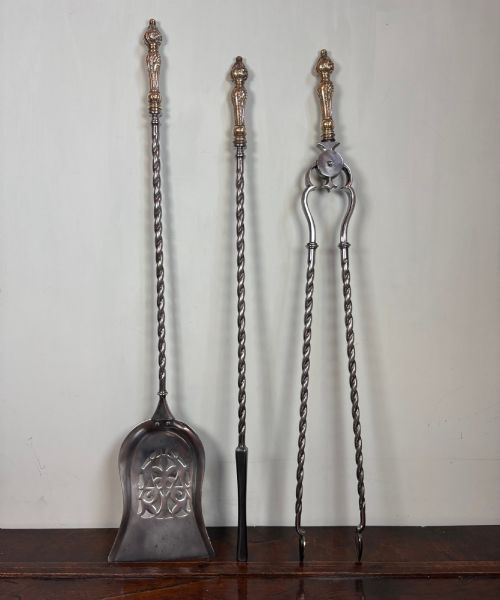
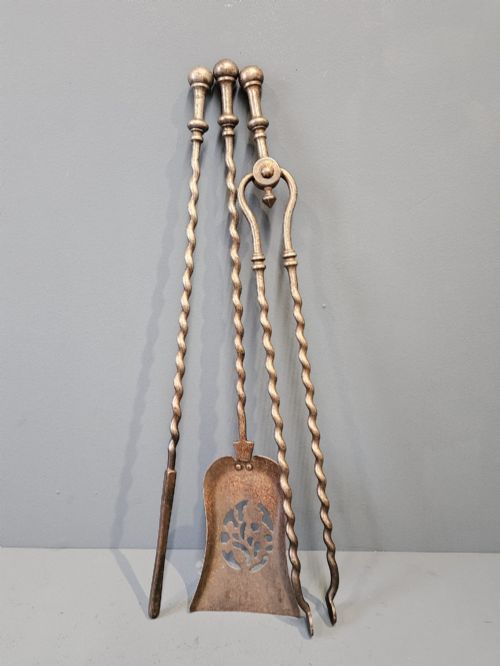
These vintage steel fire irons bring genuine period character to a hearth, combining solid hearth-side utility with striking metallic craftsmanship.
Vintage Steel Fire Irons
Vintage steel fire irons comprise sets of functional hearth tools designed for managing coal or wood fires in traditional fireplaces. When you search for vintage steel fire irons, you encounter essential hearth implements including pokers, tongs, and shovels fashioned from durable metals.
The selections span distinct historical eras ranging from the Georgian period through the Victorian age and into the Arts and Crafts movement. Most sets emerge from the nineteenth century, featuring robust construction tailored for daily use in period homes.
Beyond standard three-piece companion sets, related hearth accessories appear frequently across the listings. These include fire fenders, hearth trivets, fire dogs, and occasional footmen that complete a traditional fireplace setup.
How they were made
Blacksmiths and metalworkers shaped these tools primarily from strong iron and steel, often incorporating polished steel or burnished steel finishes to catch the hearth light. Many pieces utilise contrasting brass components, such as handles or mounts, adding visual warmth to the cool grey metal.
Craftsmen applied various surface treatments, including burnishing and polishing, to achieve smooth sheens while maintaining structural resilience against intense heat. Specialised materials like gunmetal and gilt metal occasionally feature in the finer companion sets.
Some nineteenth-century sets include specialised ember tongs designed specifically for lighting a gentleman's pipe by the fire.
What varies in quality
The distinction between standard utility tools and superior examples lies in the weight of the metal and the refinement of the finishing work. Heavy quality companion sets display balanced proportions and substantial gauge steel that withstands generations of handling.
Design sophistication also separates the ordinary from the exceptional, visible in turned brass handles, carefully forged tongs, and cohesive styling across every implement in the set.
The Vintage Steel Fire Irons Glossary
- Steel
- A hard, strong alloy of iron and carbon utilised extensively for durable hearth implements. It takes a high polish and resists bending under intense heat.
- Companion set
- A coordinated group of fireplace tools, typically comprising a poker, tongs, and a shovel, designed to sit together on a stand or fender. These sets provide all necessary implements for tending an open fire.
- Club fender
- A low, upholstered-top metal frame surrounding a hearth, offering integrated seating close to the fire. They frequently incorporate steel and brass frameworks.
- Burnished steel
- Steel that has been mechanically polished to a bright, reflective finish. This treatment enhances the visual appeal of nineteenth-century fireplace tools.
Vintage Steel Fire Irons: Frequently Asked Questions
What tools come in a set?
Standard fireplace companion sets typically include a poker for adjusting logs, tongs for moving hot coals, and a shovel for clearing ash.
Additional pieces such as ember tongs or specialised fire lighters occasionally accompany these core three tools in older collections.
How do I date these irons?
Dating relies heavily on stylistic markers, handle designs, and manufacturing techniques characteristic of periods like the Georgian and Victorian eras.
Hand-forged details usually point toward earlier eighteenth or early nineteenth-century origins, while later Victorian sets often showcase more standardised industrial production methods.
Can I use them with a modern fire?
These robust steel and iron tools remain entirely functional for tending real wood or coal fires in modern hearths.
Their durable metallic construction ensures they handle daily practical use just as effectively as they did in the nineteenth century.
How do I maintain polished steel?
Maintaining polished steel requires keeping the metal dry and occasionally applying a light protective wax or oil to prevent surface oxidation.
Regular gentle dusting preserves the reflective finish without wearing away the historical surface character.