


Vintage Square Clock
A vintage square clock brings architectural precision to interiors, spanning substantial longcase faces and compact Art Deco desk pieces.
Vintage Square Clock
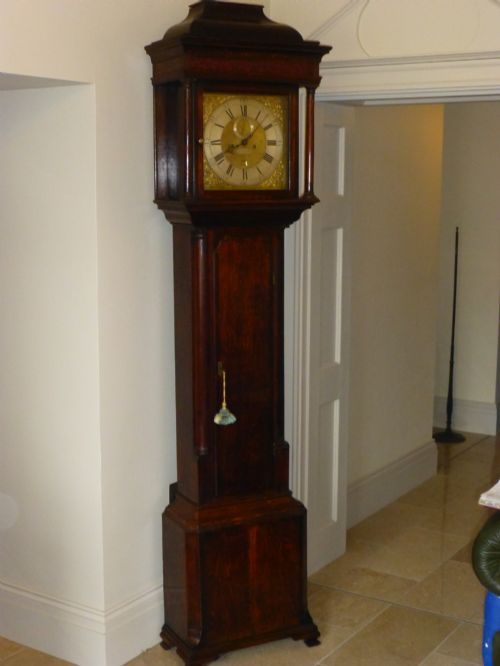
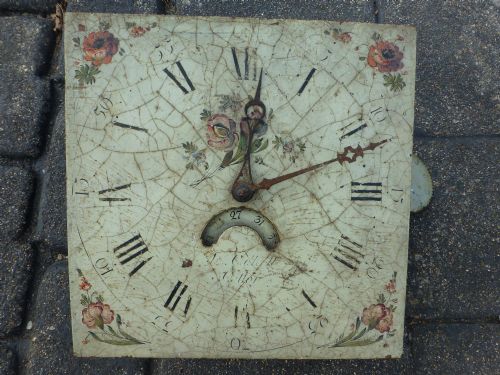
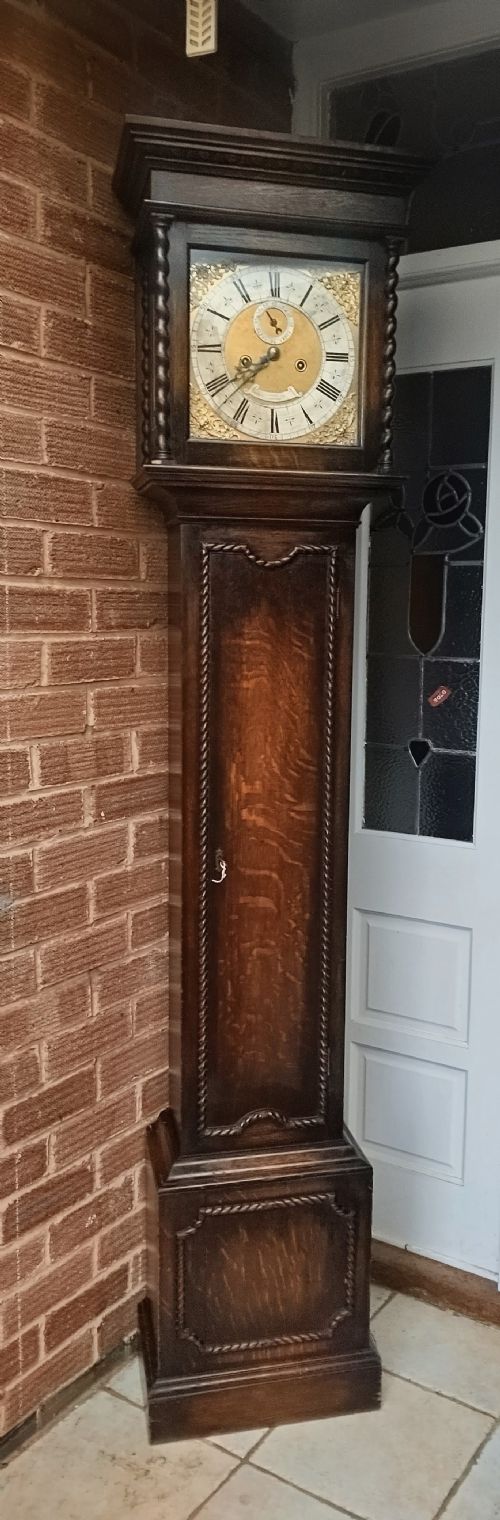
When searching for a vintage square clock, buyers encounter timepieces ranging from eighteenth-century longcase dials and Swedish turret clock faces to nineteen-thirties Art Deco mantel and wall designs. These pieces span materials like oak, walnut, chrome, brass, and glass, taking forms that include desk clocks, wall clocks, and travel watches.
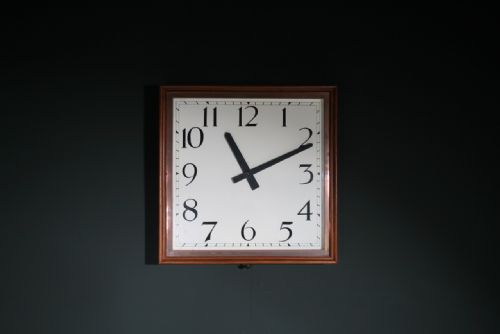
The most common examples on this page are nineteen-thirties Art Deco designs created in chrome, glass, and bakelite, often produced by makers such as Smiths. Alongside these sits a selection of earlier longcase movements and nineteenth-century gilt or slate pieces reflecting Georgian and Regency styles.
How they were made
Clockmakers utilised traditional timber framing alongside industrial metals, combining oak, mahogany, and walnut cases with brass dials and movements. Later twentieth-century examples integrated novel materials like chrome, bakelite, opaline uranium glass, and copper into modernist desk and wall configurations.
Movements relied on mechanical gears, fusee mechanisms, and early electric or eight-day systems housed securely behind glass panels and metalbezels. Skilled hands shaped the wooden longcase hoods, cast the bronze and brass dials, and polished the intricate glass bell-jar cases.
The listings span eight distinct periods from the eighteenth century to the nineteen-sixties, incorporating brass, oak, walnut, chrome, glass, and steel.
What varies in quality
Quality rests upon the execution of the movement and the integrity of the materials, separating standard mass-produced timepieces from signed longcase clocks and specialised French or Swiss mechanisms. Superior examples display crisp casting on brass dials, precise joinery in burr walnut or mahogany cases, and original signed components.
Richard Corless of Stockport·John Rainsford Leicester Square·Smiths Clockmakers England·Blangy Clockmakers French·Elliott of London·Henry Berkeley Square London·Jaeger Le Coultre
The Vintage Square Clock Glossary
- Fusee
- A conical pulley used in mechanical clocks to maintain an even pull on the movement as the mainspring unwinds. This mechanism ensures consistent timekeeping throughout the duration of the winding cycle.
- Ormolu
- Gilded bronze used extensively for decorative mounts on fine antique clock cases. The technique involves applying a gold amalgam to a bronze base and heating it.
- Bakelite
- An early form of synthetic plastic utilised widely during the Art Deco period for clock cases and radio cabinets. It offers a smooth, durable finish in dark tones.
- Turret clock
- A large clock designed to be mounted in a tower, with its movement connected to external dials. Surviving faces and movements often display robust iron and brass construction.
- Strut clock
- A portable timepiece featuring a hinged stand on the reverse to prop it upright on a desk or mantel. These are frequently found in travel and miniature formats.
Vintage Square Clock: Frequently Asked Questions
How do I wind a mechanical desk clock?
Mechanical desk clocks require a key or built-in winder turned gently clockwise until resistance is felt. Care must be taken not to overwind the mainspring.
Ensuring the clock rests on a level surface helps the escapement regulate the beat accurately after winding.
Where were longcase clocks placed in a home?
Longcase clocks traditionally stood in hallways, landings, or principal living rooms where their chimes could be heard throughout the house. Their tall wooden cases required stable, dry flooring away from direct sunlight.
Today, these grand timepieces serve as focal points in entrance halls and living spaces.
How do I identify an Art Deco clock?
Art Deco clocks are characterised by geometric forms, symmetrical lines, and materials such as chrome, bakelite, and coloured glass. Numerals often feature stylized typography typical of the nineteen-thirties.
These pieces emphasise industrial modernity and sleek, streamlined silhouettes.
What is a single fusee movement?
A single fusee movement uses a conical drum and chain or cord to equalize the power delivered by the mainspring as it runs down. This system improves accuracy in portable and mantel timepieces.
It represents a traditional watchmaking and clockmaking technique found in better quality antique pieces.