




Vintage Soumak Rug
A vintage soumak rug brings flatweave structure and intricate tribal symbolism into a room, offering durability alongside rich geometric artistry.
Vintage Soumak Rug
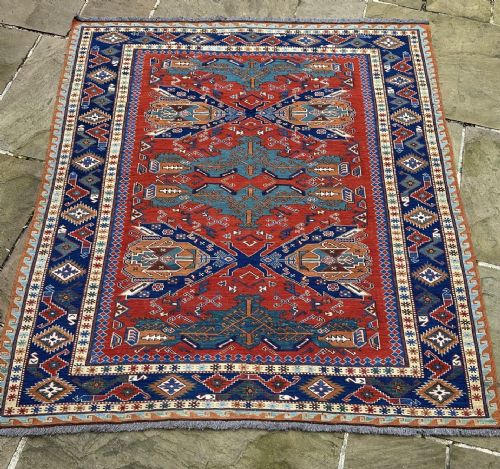
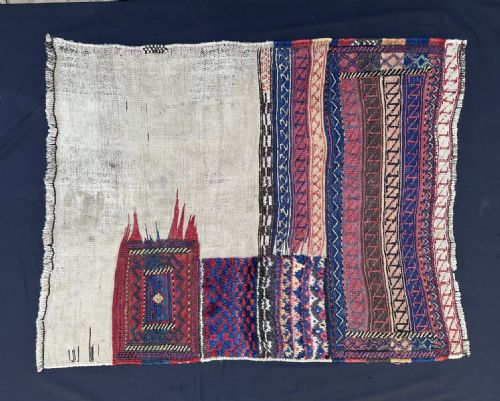
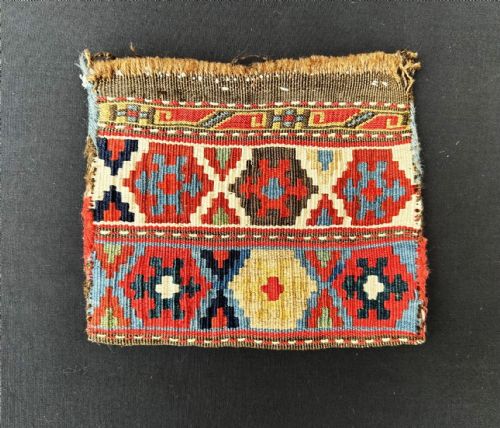
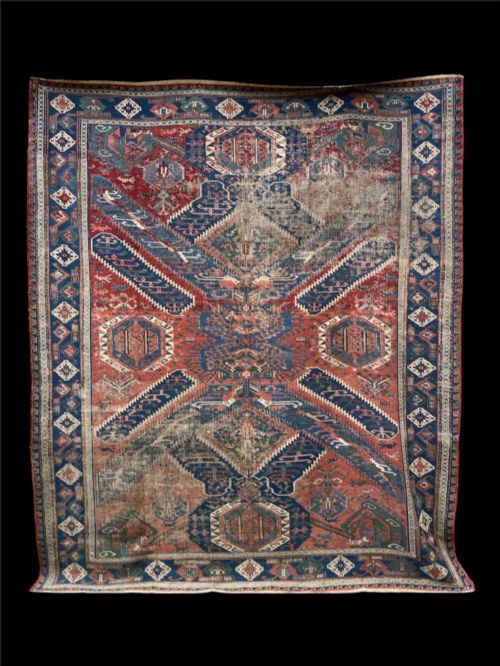
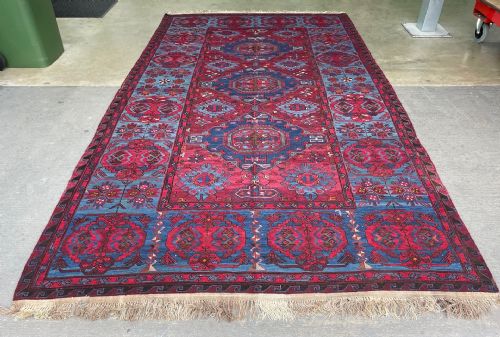
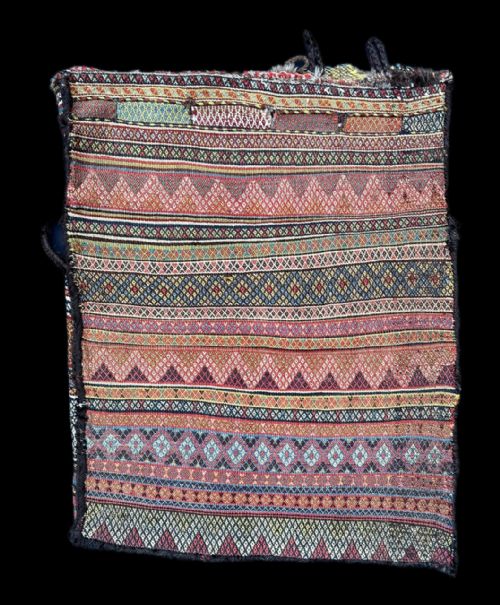
A vintage soumak rug is a flatwoven textile created by tribal makers across the Caucasus, Persia, and Central Asia during the nineteenth and early twentieth centuries. These pieces appear in forms ranging from large carpets and long kilims to smaller utility items such as bag faces, storage bags, and cushions.
The aesthetic relies heavily on regional tribal traditions, displaying motifs connected to nomadic groups including the Shahsavan, Yomut Turkmen, Kurds, and Qashqa'i. Buyers encounter everything from grand triple medallion carpets to intricate animal and dragon designs rooted in specific tribal workshops.
Materials and construction methods
These textiles are constructed using a specific flatweaving technique where weft threads wrap around the warp threads, creating a sturdy structure with a textured, ribbed face on the front and loose yarn trails on the back. Makers utilise wool and hand-spun wool, often supported by cotton foundations.
Colour comes from natural dyes and vegetable dyes, producing earthy tones and deep hues that mellow gracefully over decades. The absence of a traditional knotted pile distinguishes these flatweaves from standard carpets while allowing for sharp, precise geometric detailing.
Nomadic weavers sometimes encoded tribal protection symbols and mythical dragons into everyday storage bags to guard grain and blankets.
Factors that define quality
Quality rests upon the tightness of the weave and the precision of the geometric layout. Tighter wrapping creates a firmer, more durable textile that holds its structural integrity through decades of use.
The complexity of the design and the richness of the dye palette further elevate a piece. Clarity in motifs, such as dragon symbols or bird forms, indicates skilled weaving handed down through nomadic generations.
Shahsevan Nomads·Yomut Turkmen·Qashqa'i Nomads·Quchan Kurds·Afshar Tribes
The Vintage Soumak Rug Glossary
- Soumak
- A flatweaving technique where coloured weft threads wrap horizontally around the vertical warp threads. This method produces a durable textile with a textured face and distinctive floating threads on the reverse.
- Khorjin
- A traditional tribal storage bag or saddlebag woven by nomadic groups. These pieces are often separated over time, leaving collectors with individual bag faces displaying complete medallion or animal motifs.
- Kilim
- A general term for pileless woven rugs and carpets produced across the Middle East and Caucasus. They are valued for their flat structure and bold geometric patterns.
- Juval
- A large storage sack made by Turkmen tribes for household belongings. They frequently feature characteristic gul motifs and precise geometric borders.
- Warp
- The stationary vertical threads stretched across a loom upon which the entire rug is built. The quality of the wool or cotton used for these foundational threads affects the overall stability of the textile.
Vintage Soumak Rug: Frequently Asked Questions
How are soumak rugs different from standard pile rugs?
A soumak is a flatweave created by wrapping weft threads around the warp rather than knotting pile yarn to a foundation. This results in a thinner, firmer textile without a plush pile.
The reverse side typically shows loose trailing threads left from the wrapping process, which distinguishes this technique from standard kelims and knotted carpets.
Where were these tribal textiles made?
Production centres historically across the Caucasus, Persia, and regions inhabited by nomadic groups. Specific areas include Daghestan, Kuba, Azerbaijan, and various provinces of Iran.
Different tribes, such as the Shahsavan and Yomut Turkmen, developed distinct regional patterns and colour palettes that signal their origin.
How do I care for a vintage flatweave?
Regular gentle vacuuming without a rotating brush roll prevents dust from settling into the flatweave structure. Professional cleaning tailored for antique textiles ensures the wool and natural dyes remain protected.
Using a quality rug underlay adds cushioning and prevents the textile from sliding on hard floors.
What are bag faces and how are they used today?
Bag faces are the decorative front panels of utilitarian nomadic storage sacks that were originally used for transport or tent storage. Collectors often frame them as wall art or place them as small accent mats.
Their compact size makes them versatile for adding tribal character to smaller spaces in a home.